Courage and confidence: which stones are believed to help, and what science says

This section reports beliefs; it is not health information. There is no scientific evidence for these claims and no stone replaces medical treatment.

What science says

Conflict with science: Low: a symbolic belief

There is no evidence. Wearing a meaningful piece of jewellery may still make some people feel more confident; that is the power of expectation.

Stones linked with this area (21)

Orthoclase

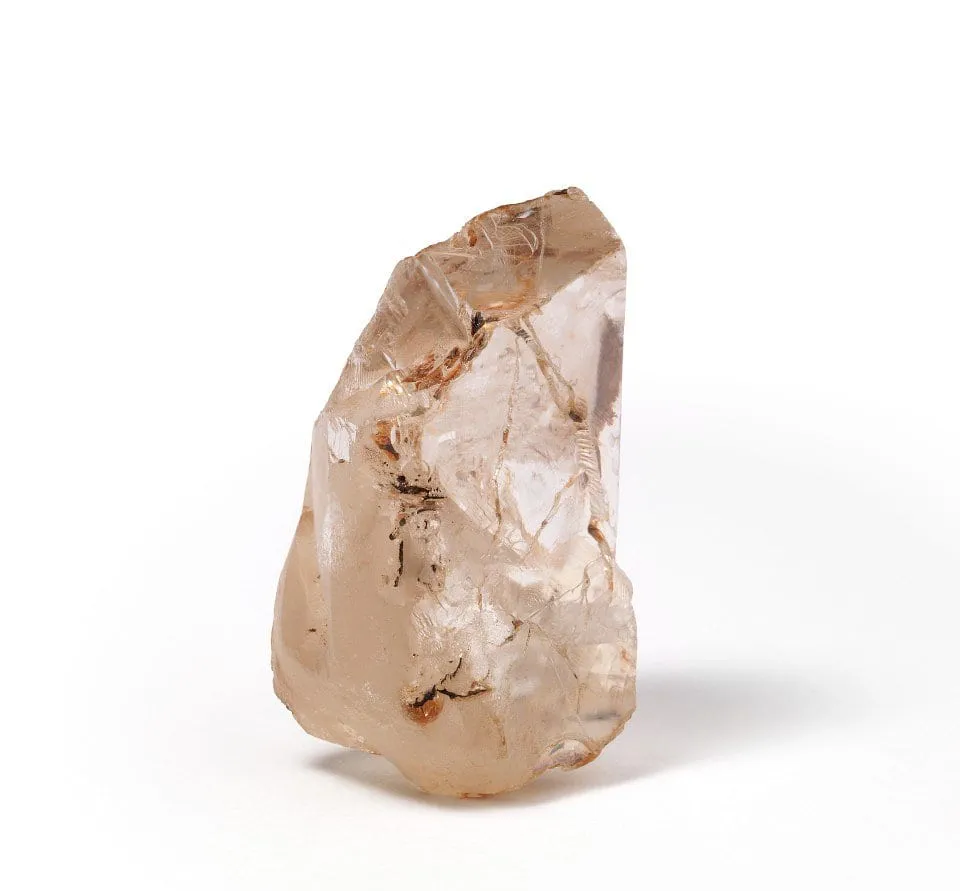
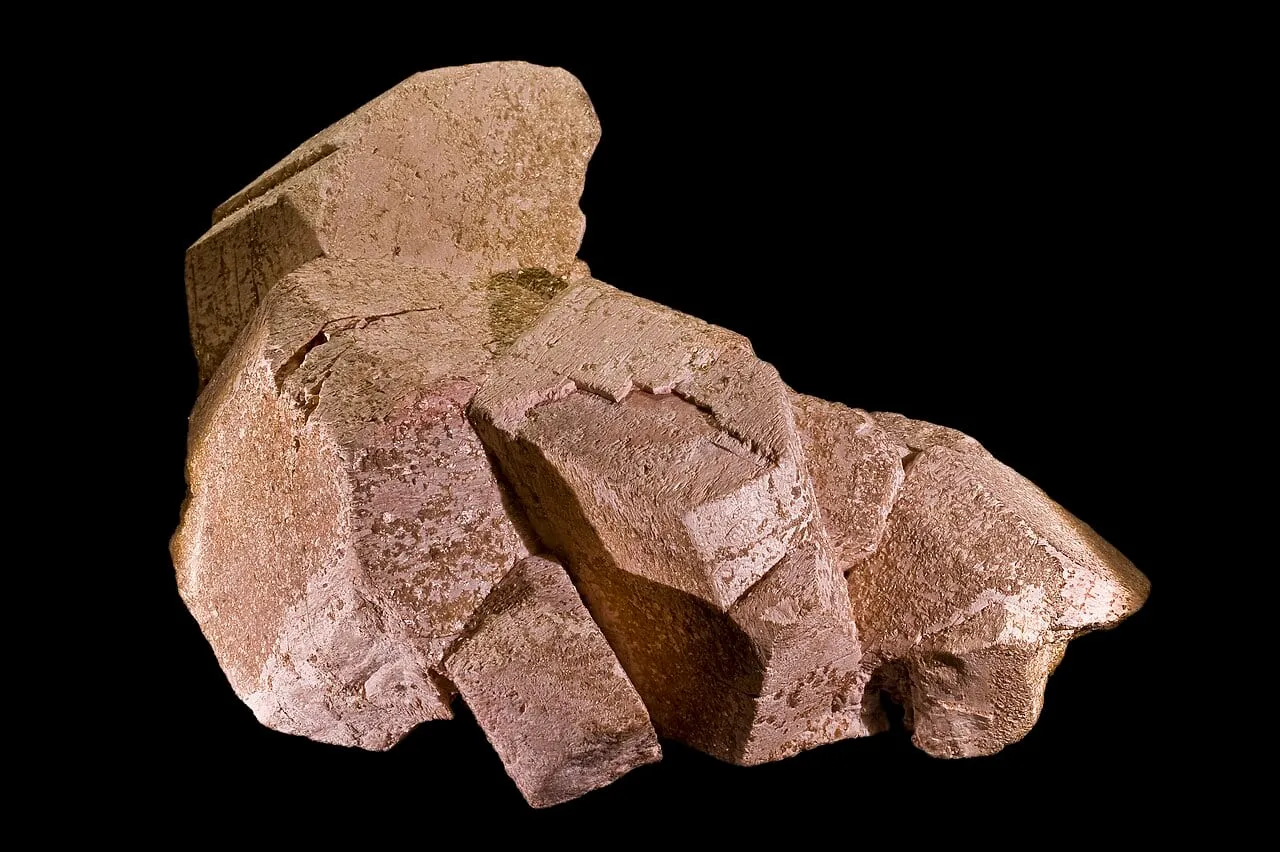
  • In Türkiye, stone sellers and crystal-therapy websites say that orthoclase reduces stress, gives confidence and courage, and improves focus and mental clarity.
  • The same websites claim that orthoclase strengthens immunity, helps stomach and bowel problems and eases insomnia.

What science says No study supports these claims. Orthoclase is potassium feldspar, very common in the Earth's crust; apart from its use in the ceramics and glass industries it is not known to have any effect on the body or mind. Lasting sleep or digestive problems call for a doctor.

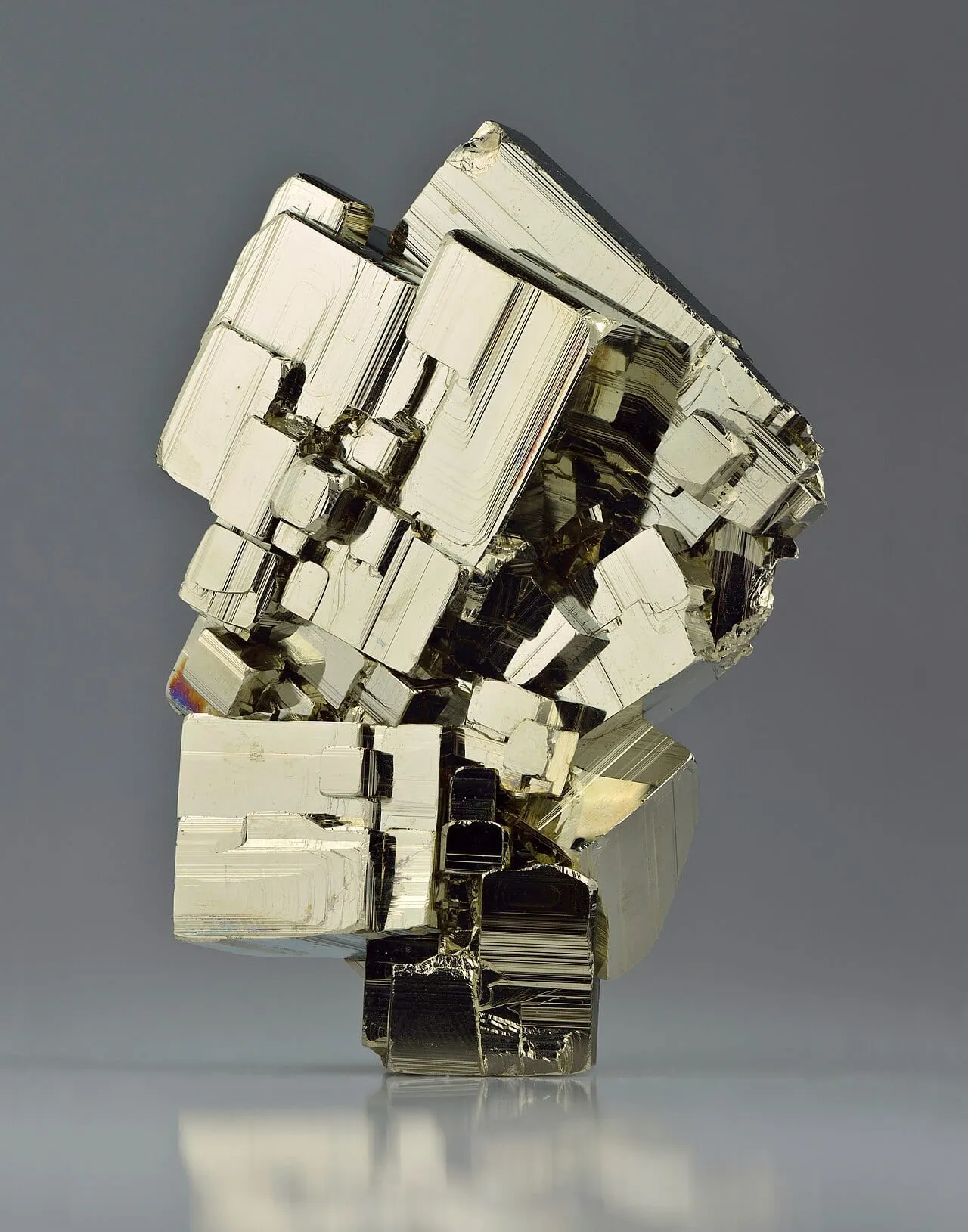
Pyrite

  • According to George F. Kunz (1913), some Native North American peoples carried pyrite crystals as amulets, and healers used them in their ceremonies.
  • In Thai folk belief, especially in the south of the country, pyrite is regarded as a sacred object that wards off evil, black magic and demons.
  • Today crystal sellers and feng shui practitioners claim that pyrite attracts money and abundance, and recommend placing it in shops and next to cash registers.
  • In Turkey, stone sellers and crystal-therapy websites claim that “fool's gold” gives confidence and willpower and boosts energy.

What science says There is no evidence that pyrite brings money, luck or protection; these beliefs probably stem from its bright, gold-like colour. Pyrite should not be soaked in water to make “gem water”: as it decays in moisture it forms sulfuric acid and iron sulfates, and some pyrite contains arsenic. Nor is there any evidence that pyrite gives confidence or energy.

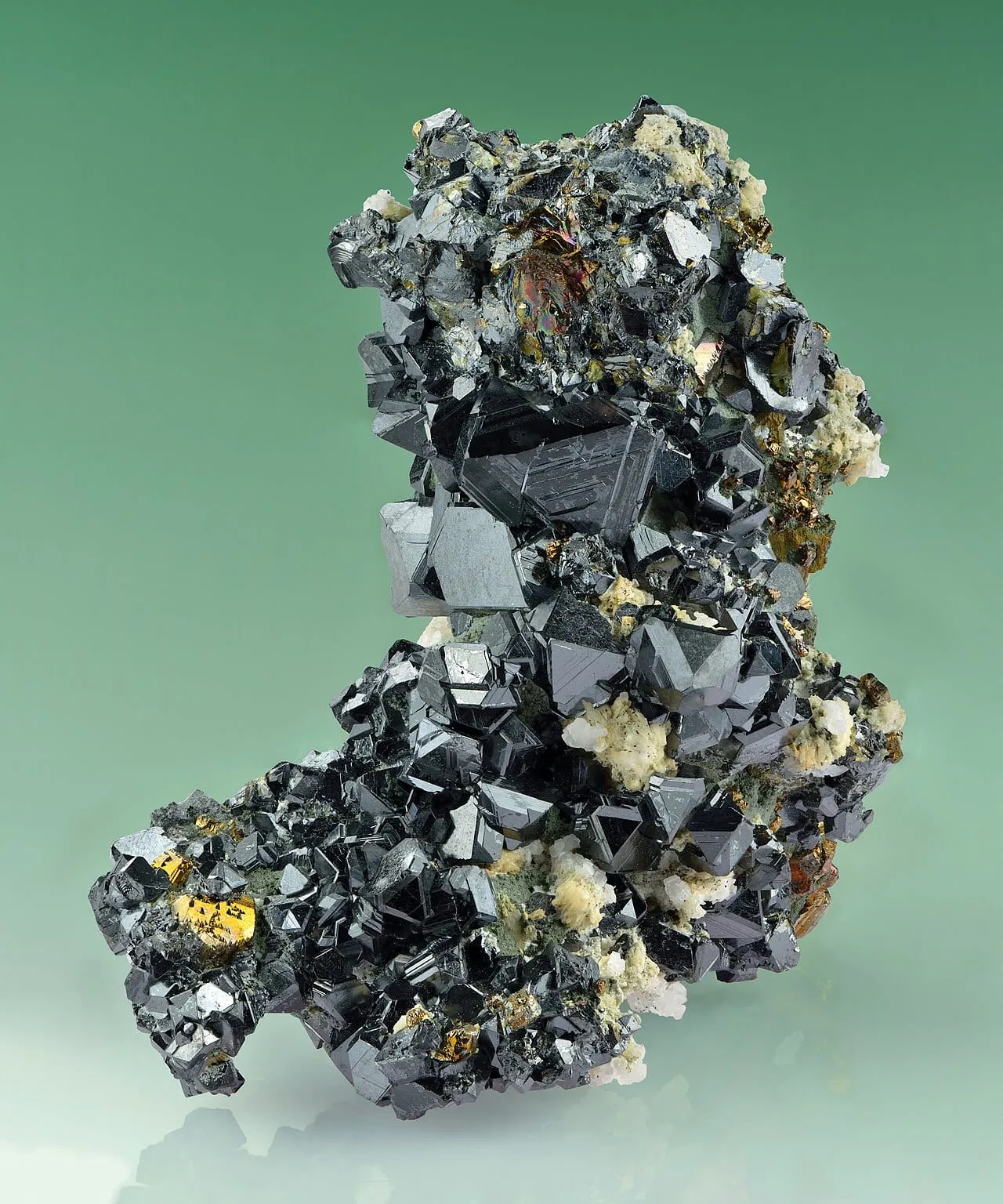
Sphalerite

  • Crystal-therapy websites claim that sphalerite boosts confidence and creativity, restores energy after exhaustion, balances the chakras and helps the digestive organs.

What science says None of these claims is backed by measurement or a controlled study. Sphalerite is a zinc sulfide; it often contains toxic metals such as cadmium, and many specimens are intergrown with the lead mineral galena. It should therefore never be put in drinking water, its dust should not be breathed, and hands should be washed after handling it. Digestive complaints call for a doctor, not a stone.

Zoisite

  • Crystal-therapy websites claim that zoisite, and above all ruby zoisite (anyolite), opens the heart chakra, increases love and compassion, heals old emotional wounds and strengthens creativity and self-confidence.
  • The same sources also say that zoisite boosts immunity and vitality, reduces inflammation, “detoxifies” the body and helps allergies.

What science says None of these claims is backed by measurement or a controlled study. Zoisite does not reduce inflammation, strengthen immunity or cure allergies; allergies and lasting illnesses call for a doctor. For emotional wounds, too, the answer is a mental-health professional when needed, not a stone.

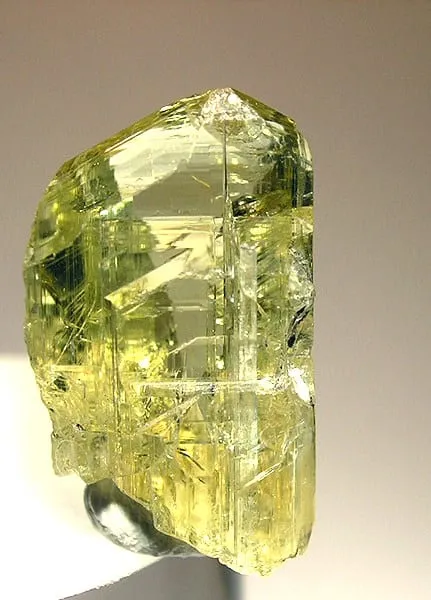
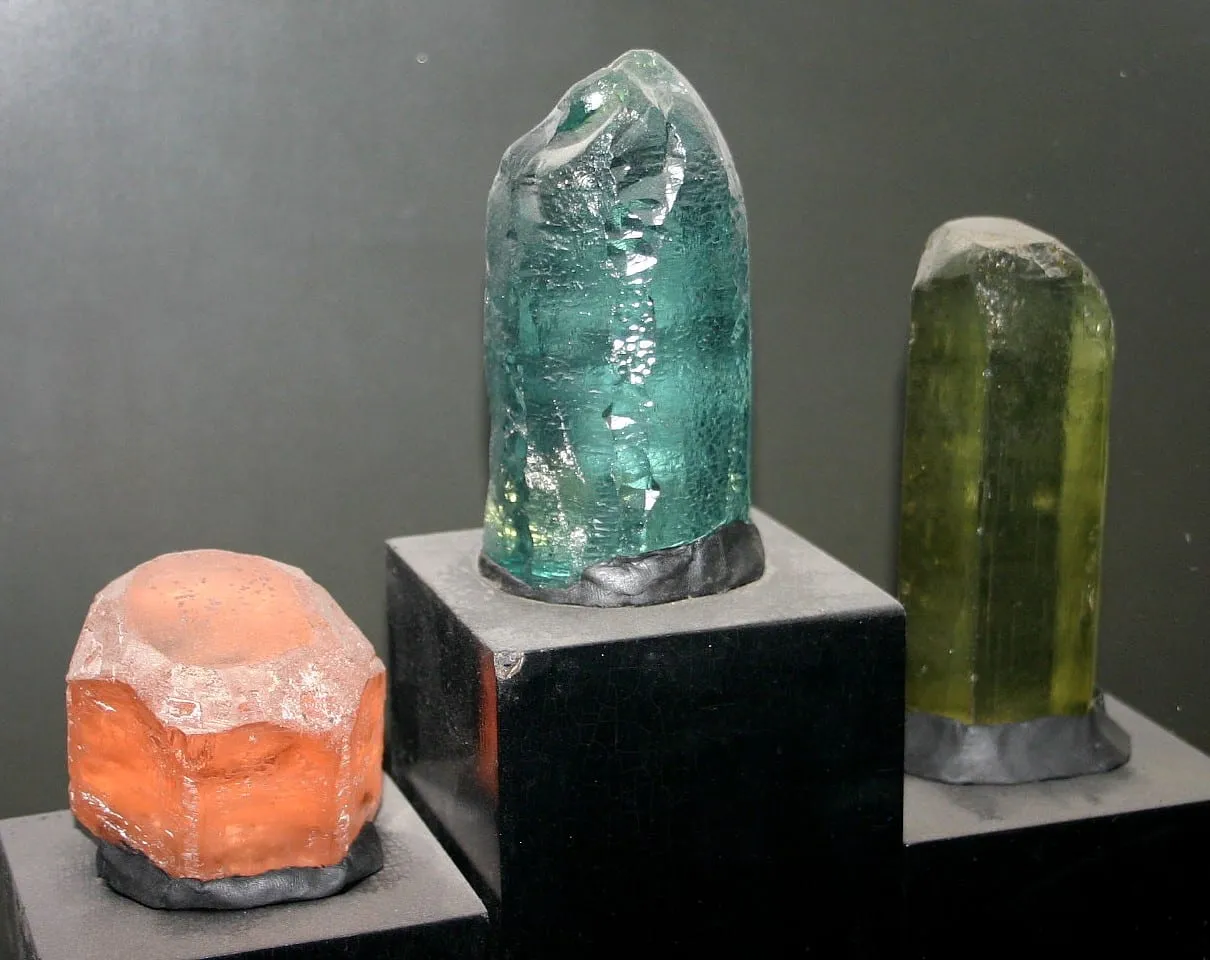
Beryl

  • The medieval writer Arnoldus Saxo (13th century) records the belief that beryl made its wearer unconquerable by enemies in battle and in lawsuits, quickened the intellect and cured laziness.
  • Konrad von Megenberg’s 14th-century “Book of Nature” claims that beryl reawakens the love of married couples.
  • Fortune-tellers who claimed to see the future by gazing into crystals often preferred polished spheres of beryl to rock crystal, believing beryl showed more “visions”.
  • In Türkiye, stone sites and some news sites say that beryl, especially blue-green beryl, brings calm, strengthens communication and improves performance if carried before an oral exam.
  • The same sources claim that beryl is in tune with the throat chakra and supports thyroid problems.

What science says There is no scientific evidence that beryl has any of these powers, improves exam results, is in tune with a chakra or helps with thyroid problems; a doctor should be consulted for thyroid complaints. The “visions” seen by someone staring at a shiny sphere for a long time come not from the stone but from the viewer’s own mind.

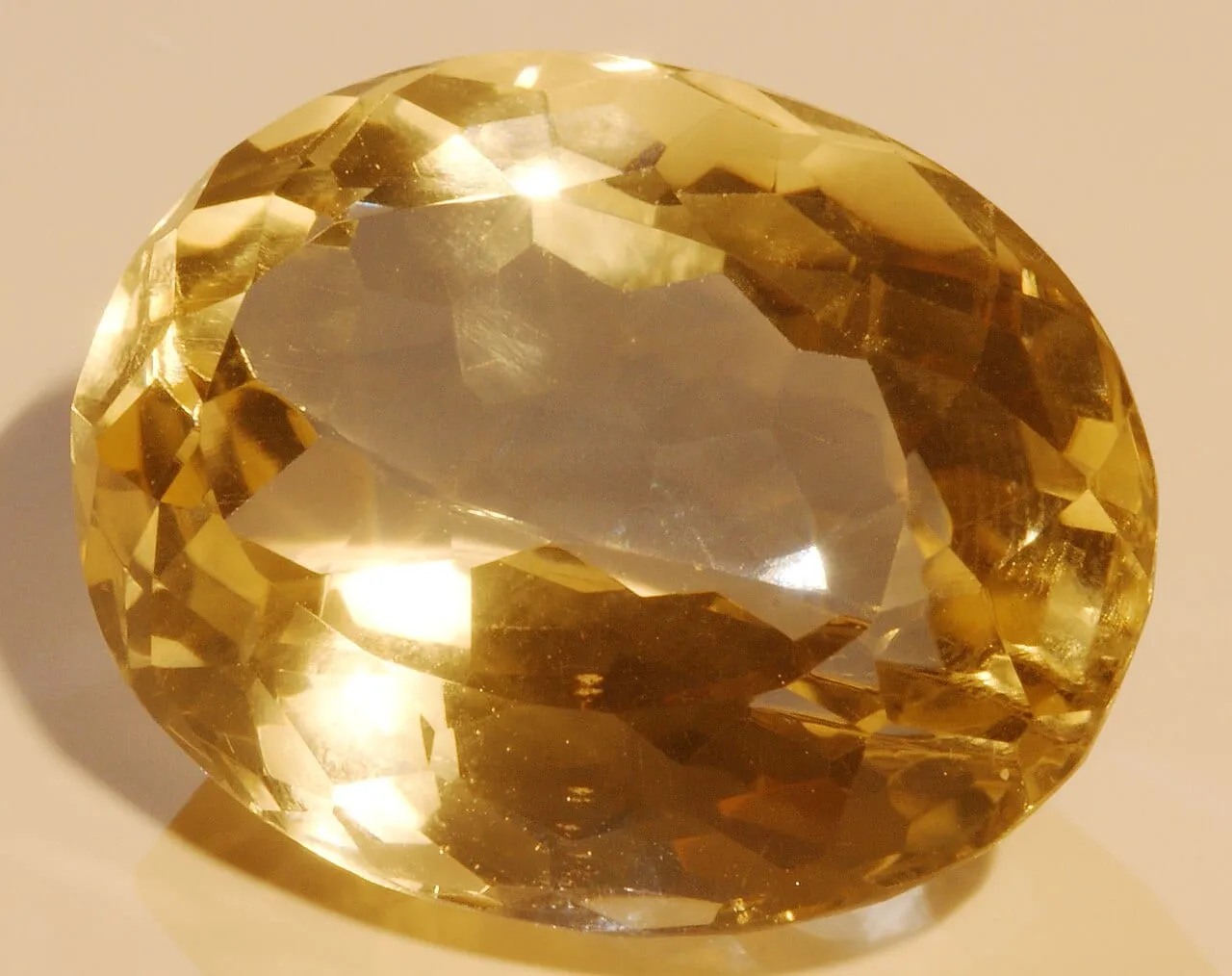
Citrine

  • Citrine was once believed to share the powers of topaz, with which it was long confused, and to soothe anger and calm the wearer.
  • Today crystal-healing practitioners claim that citrine brings abundance, success and money; some shopkeepers keep it in the till, and it is nicknamed the “merchant’s stone”.
  • The same circles claim that citrine does not hold on to negative energy and therefore never needs “cleansing”.
  • Some news and crystal-therapy websites in Türkiye claim that citrine helps internal organs such as the heart, liver, kidneys and digestive system, as well as headaches and muscle pain, and makes it easier to give up bad habits and addictions.
  • The same sites claim that citrine protects against the radiation given off by electronic devices, drives out fears and gives courage, prevents nightmares when placed under a child’s pillow, and balances the energy of the home.

What science says There is no scientific evidence that citrine calms people, brings abundance or money, helps internal organs, protects against radiation or prevents nightmares; for a lasting complaint, see a doctor rather than relying on a stone. Moreover, most stones sold as citrine are amethyst heated in a furnace, so the “sunny colour” these beliefs rest on is usually man-made.

Garnet

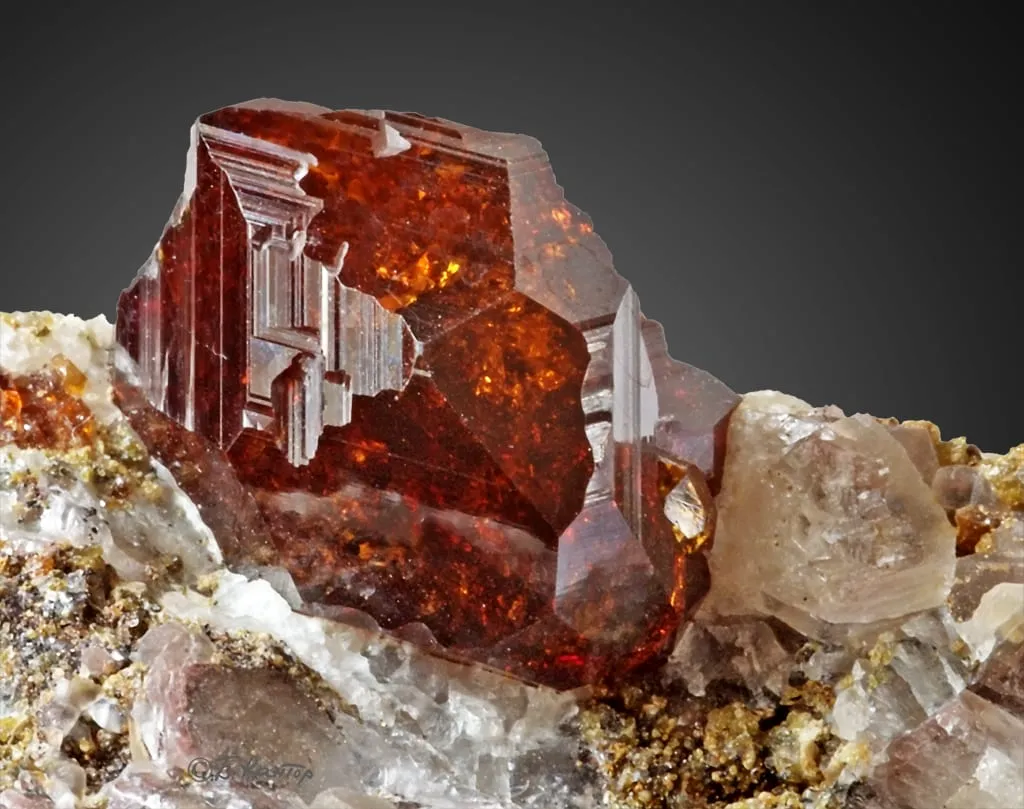
  • Red stones such as garnet, whose colour recalls blood, were believed to protect the wearer from wounds.
  • In the Middle Ages, the red stones called “carbuncles” (garnet and ruby) were believed to shine in the dark with their own light.
  • Garnet, the birthstone of January, is believed to bring constancy and friendship to those born in that month.
  • In Turkey, stone sellers and some news websites write that garnet gives energy, eases stress and pain, and helps heart conditions and hormone balance.
  • The same sources say garnet strengthens memory, helps in exams and gives self-confidence.

What science says Garnet does not shine with its own light; it only reflects the light that falls on it, and tales of “carbuncles glowing in the dark” are legend. There is no evidence that garnet protects against wounds, brings constancy, or helps the heart, hormones or memory; someone with a heart condition should not leave treatment to a stone.

Labradorite

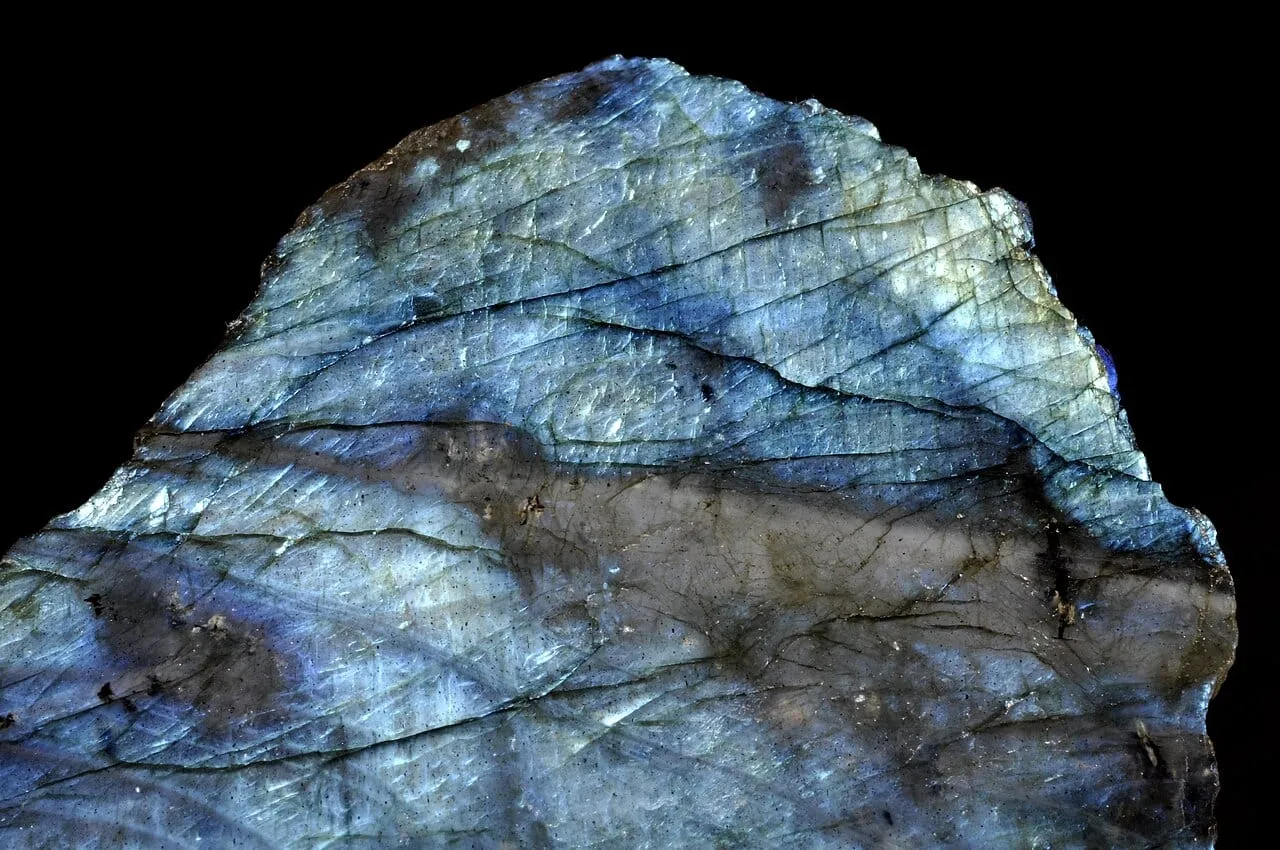
  • Modern crystal-therapy sources claim that labradorite “protects the aura”, strengthens intuition and offers support through times of change.
  • In Türkiye, some lifestyle websites and crystal-therapy sources claim that labradorite helps eyesight and night vision, joint pain, rheumatism and high blood pressure.
  • The same sources say labradorite calms the mind, reduces anxiety and stress, and boosts self-confidence.

What science says Labradorite's mysterious-looking flash is a physical effect: light interfering in extremely thin feldspar layers inside the stone. There is no scientific evidence that it strengthens intuition or protects anyone. The claimed benefits for eyes, joints or blood pressure are equally unproven; trusting the stone and putting off a visit to the doctor is the real risk.

Onyx

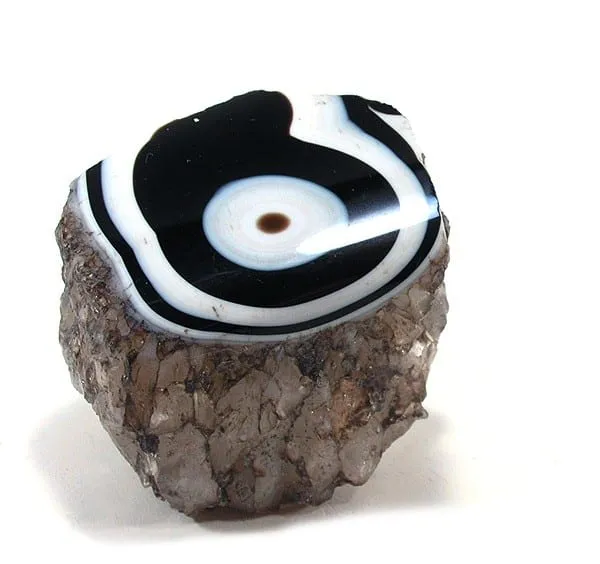
  • In the Middle Ages and in Arabic tradition onyx was believed to bring sadness, frightening dreams and quarrels; its Arabic name was also said to mean “sadness”.
  • In India, onyx worn around the neck was reportedly believed to cool the passions of love, and onyx was accordingly thought to drive lovers apart.
  • In Türkiye, stone sellers and crystal-therapy websites claim that onyx eases pain and migraine, speeds up the healing of broken bones, strengthens immunity and helps sleep, and reduces stress and depression.
  • The same websites say onyx protects against the evil eye and negative energy, gives confidence and patience and brings balance to relationships, the opposite of the bad-luck belief in the old sources.

What science says There is no basis for the idea that onyx brings bad luck or affects the emotions; the belief may have arisen from the stark contrast between its black and white layers. Onyx is a chemically resistant member of the quartz family with no known toxicity. There is also no evidence that it affects pain, migraine, immunity or the healing of a fracture; broken bones and lasting pain need a doctor.

Tiger's eye

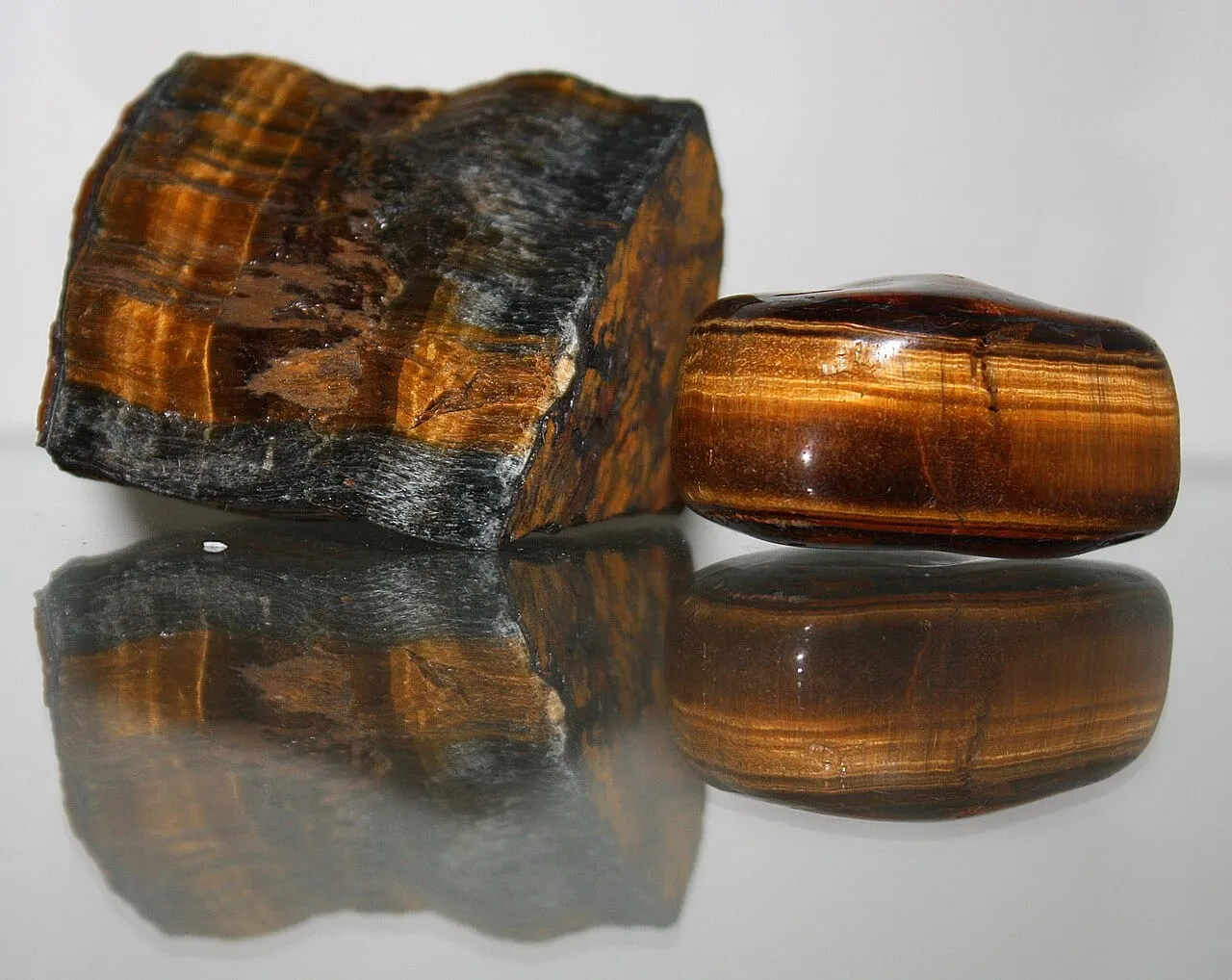
  • Because its band of light resembles an eye, tiger's eye, like other cat's-eye stones, is believed to protect against the evil eye.
  • Today crystal healing practitioners claim that tiger's eye gives self-confidence and courage and strengthens determination.
  • In Türkiye, stone sellers and crystal-therapy websites claim that tiger's eye improves focus, makes decisions easier and acts as a shield against negative energies.
  • The same sources say that tiger's eye helps headaches, migraines and stomach and digestive problems, and prevents children’s nightmares.

What science says The eye-like shimmer of tiger's eye is a physical effect caused by parallel fibres reflecting light; there is no evidence that the stone has any protective power. Rough tiger's eye contains asbestos fibres, so it should not be cut or sanded at home. The stone has not been shown to relieve headaches, migraines or digestive problems; lasting complaints call for a doctor.

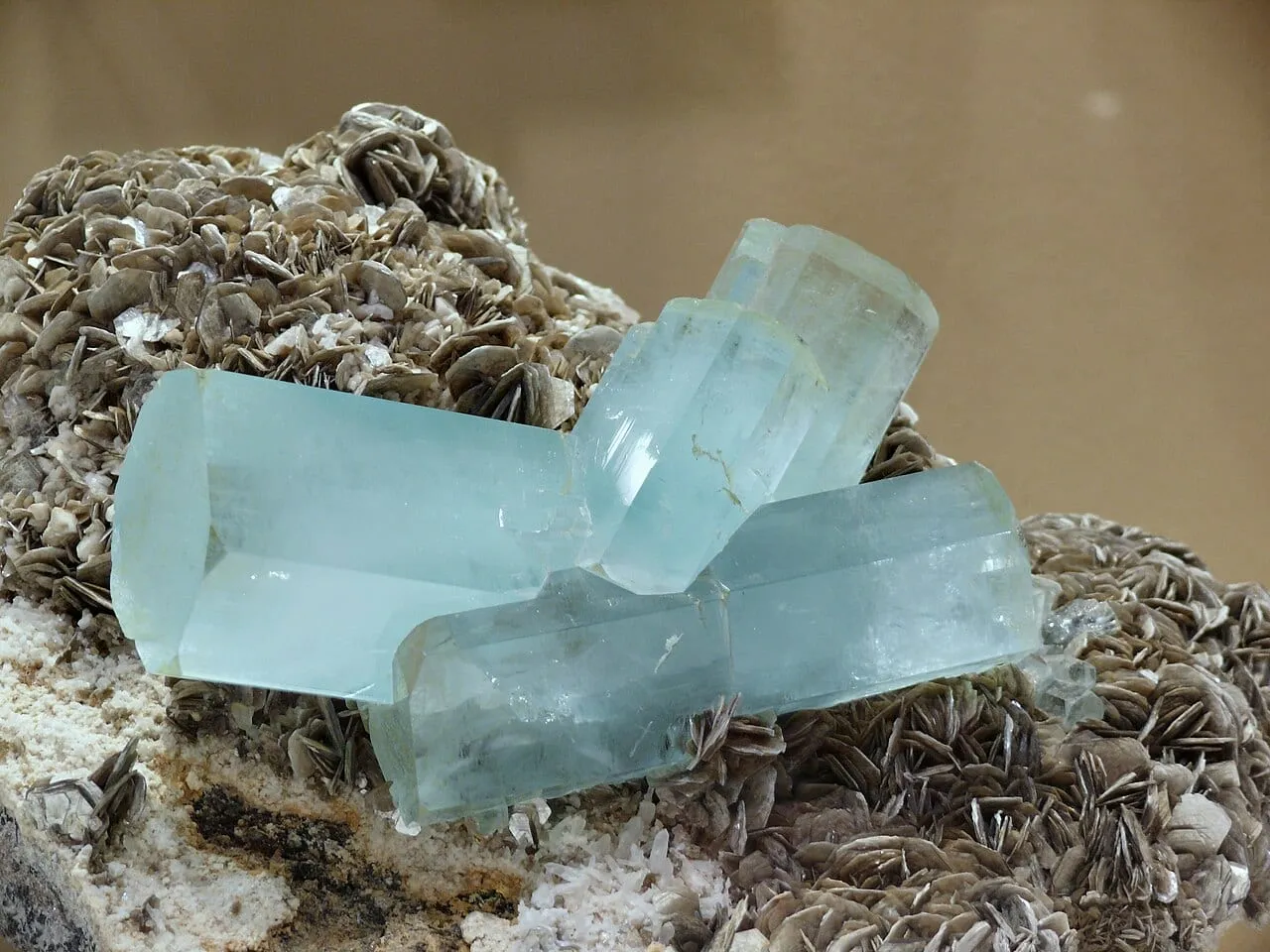
Aquamarine

  • A Greek lapidary thought to date from the 3rd or 4th century AD records the belief that a sea-green beryl (most likely aquamarine), set in one of the amulets worn by sailors, banished fear.
  • Today crystal-therapy practitioners claim that aquamarine is calming and makes it easier to express oneself.
  • In Türkiye, crystal-therapy sites and some news sites say that aquamarine is in tune with the throat chakra and helps with thyroid problems and sore throats.
  • The same sources treat aquamarine as a symbol of fidelity and trust in relationships and recommend it as an engagement or anniversary gift for a happy marriage.

What science says These beliefs draw largely on the stone’s seawater colour and its name; there is no scientific evidence that aquamarine reduces fear or anxiety, helps with throat or thyroid complaints or strengthens a chakra; a doctor should be consulted if a sore throat or thyroid symptoms persist. Its role as a symbol of fidelity comes from the tradition of giving gifts, not from the stone.

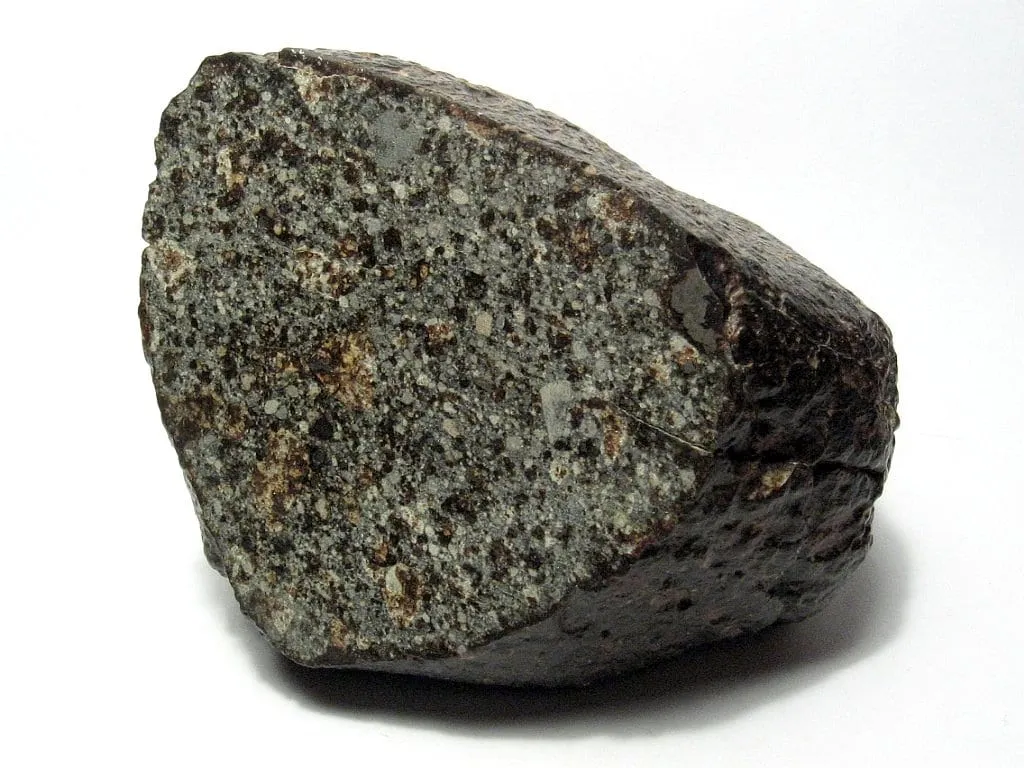
Chondrite

  • The LL6 chondrite that fell at Ensisheim in Alsace (now France) in 1492 was taken by the Habsburg ruler Maximilian and his advisers as a good omen of victory in his war against France; on his orders it was kept in the town church, hung from a chain.
  • Today some crystal-healing practitioners and sellers claim that meteorites such as chondrites carry a “cosmic” energy that clears negative energy and eases fears.

What science says Chondrites are stones made of the Solar System’s earliest material; their olivine, pyroxene and iron–nickel grains give off no “energy” different from minerals on Earth, and there is no scientific evidence that they affect the wearer. Moreover, many stones sold as “meteor stones” are not meteorites at all.

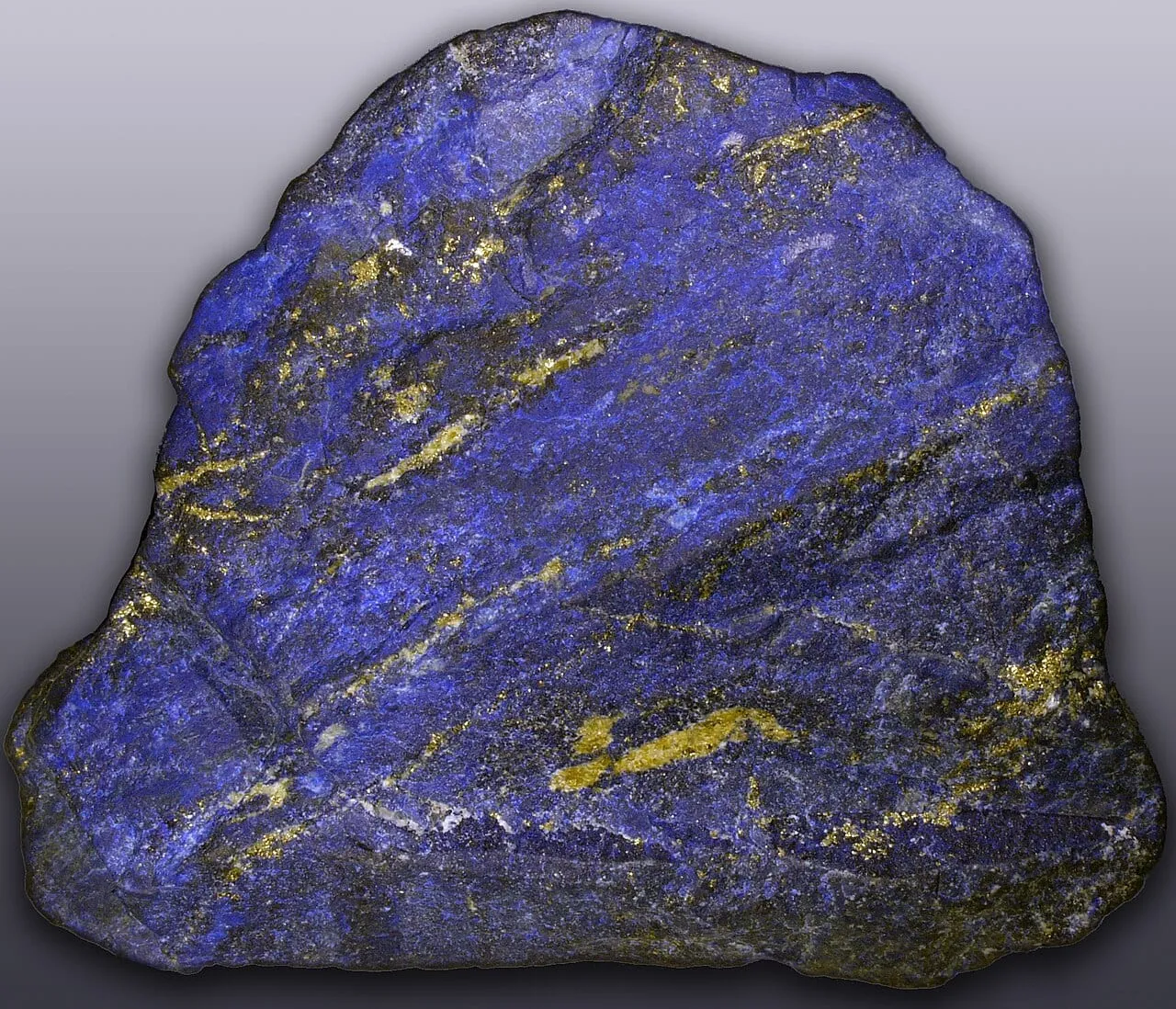
Lapis lazuli

  • In ancient Egypt, amulets believed to protect the heart were made of lapis lazuli and engraved with particular chapters of the Book of the Dead; lapis amulets in the form of an eye, decorated with gold, were also thought to be very powerful.
  • Old books on stones held that lapis cured melancholy and fevers that returned every few days.
  • Modern crystal-therapy sources claim that lapis is linked to the “throat chakra” and strengthens communication and wisdom.
  • In Türkiye, some lifestyle websites and crystal-therapy sources claim that lapis lazuli strengthens memory and brings mental clarity for better decisions.
  • The same sources say lapis reduces stress, boosts self-confidence, helps kidney and bone pain and, when carried against the skin, helps anxiety-related insomnia.

What science says There is no scientific evidence that lapis has any effect on melancholy, fevers, communication, memory, kidney and bone pain, stress or insomnia. Lasting anxiety or sleeplessness is a medical problem; do not put off seeing a doctor because of a stone. Because some lapis on the market is dyed, the dye can leach out when the stone is left in water; do not make “gem water” with it, and do not put the stone or its powder in your mouth.
Oltu stone

  • In Türkiye, people who tell Oltu stone prayer beads are believed to discharge the static electricity built up in their bodies and so get rid of stress.
  • In Roman times jet was used in amulets and pendants believed to protect against the evil eye.
  • The Roman writer Pliny wrote that the smoke of burning jet drove snakes away.
  • In Türkiye, stone sellers and some lifestyle websites say that Oltu stone reduces stress and anger, eases symptoms of depression, gives confidence and courage, and helps forgetfulness.
  • The same sources claim that the stone helps migraine, throat and thyroid complaints and hair loss, and acts as an “antiseptic” that prevents infections.

What science says Oltu stone is an electrical insulator, which is exactly why it becomes charged when rubbed; it cannot “draw off” static electricity from the body. If telling prayer beads has a calming effect, it does not depend on what the beads are made of. No study shows that Oltu stone helps depression, migraine, the thyroid or infections either; see a doctor for these.

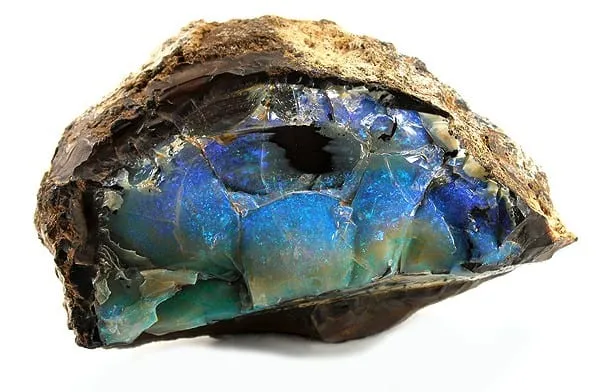
Opal

  • In the Middle Ages opal was believed to cure eye diseases and to make its wearer invisible, which is why it was also called the “patron of thieves”.
  • The ancient Greeks are said to have believed that opal gave its owner the gift of prophecy and guarded them from disease.
  • Modern crystal-therapy sources claim that opal intensifies emotions and boosts creativity.
  • In Türkiye, stone sellers and crystal-therapy websites say that opal helps eyesight, joint pain and kidney complaints, strengthens immunity and flushes heavy metals and poisons out of the body; it is also popularly known there as the “antidote stone”.
  • The same websites claim that opal reduces stress, gives self-confidence and creativity, and instils hope and love.

What science says Opal's colours come from tiny silica spheres diffracting light; there is no evidence that it heals the eyes or protects against disease. Eye complaints call for an eye doctor. The claims that opal helps kidney or joint problems or removes heavy metals and poisons from the body are equally unproven; against real poisoning the stone offers no protection, and medical help must be sought at once. Because some opals absorb water, soaking them to make “gem water” can also damage the stone.

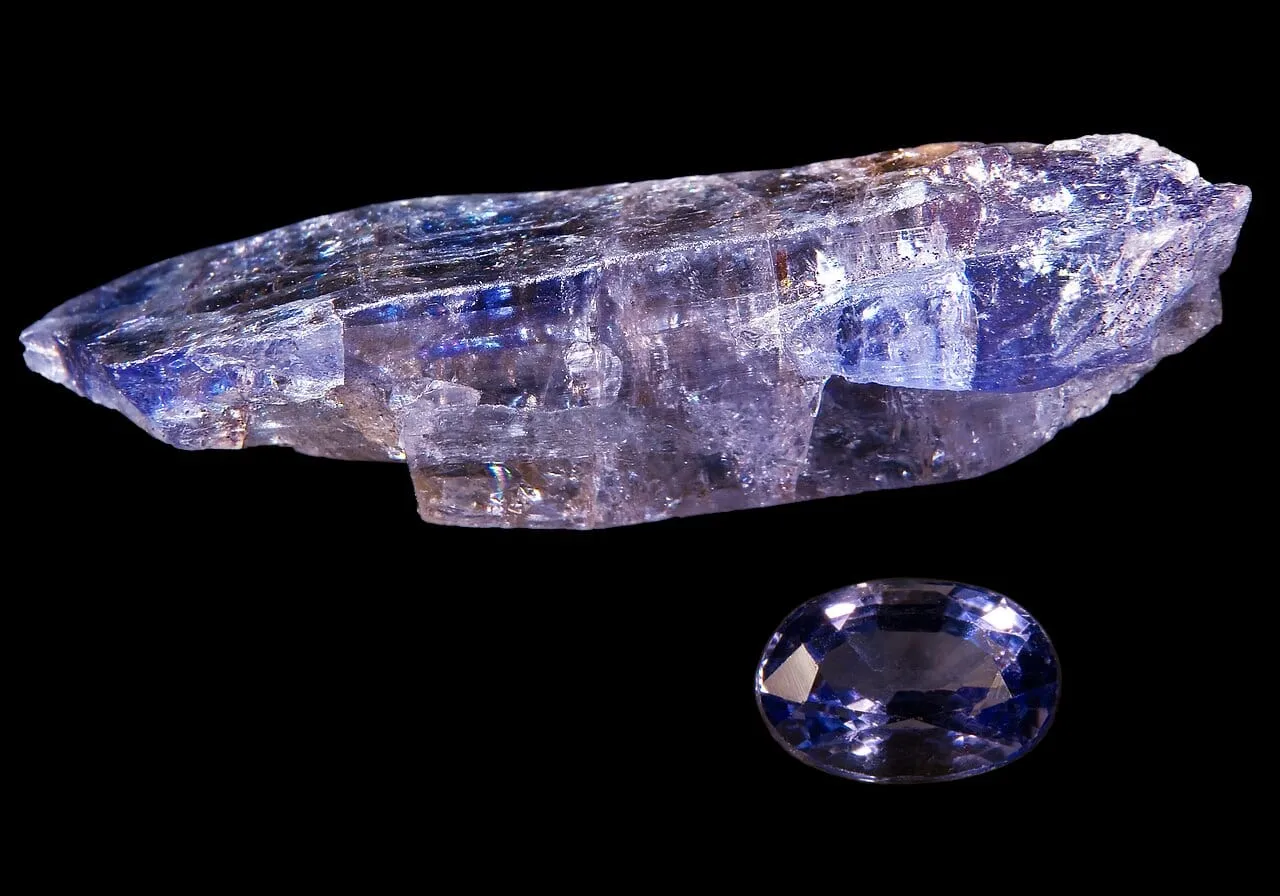
Tanzanite

  • Today crystal healing practitioners claim that tanzanite strengthens intuition and raises “spiritual awareness”.
  • Crystal-therapy websites claim that tanzanite opens the throat, third-eye and crown chakras, makes communication easier and helps overcome fear.
  • Crystal-therapy websites also claim that tanzanite strengthens the immune system, “purifies” the blood and eases migraines and stress.

What science says Tanzanite was only found in 1967, so it has no traditional lore; all these claims are recent and none has any scientific basis. It is also worth remembering that the colour of most stones on the market is produced by heat treatment. Tanzanite does not strengthen immunity, purify the blood or treat migraines; recurring headaches call for a doctor.

Ruby

  • Old Hindu treatises on gems called ruby the “king of precious stones” (ratnaraj), and the owner of a flawless ruby was believed to be safe even among enemies.
  • A 14th-century text attributed to Sir John Mandeville held that a brilliant ruby protected its owner from all perils and guarded his house and vineyards from storms.
  • In Myanmar (Burma), a ruby inserted under the skin was believed to make its owner invulnerable to spear, sword and gun.
  • In Hindu astrology ruby is the stone of the Sun, and it is still recommended as a ring stone in the belief that it strengthens the Sun’s influence.
  • In Turkey, stone sellers and crystal-therapy websites claim that ruby is good for the heart and blood circulation and gives courage, passion and energy.

What science says There is no evidence that ruby has any protective power or makes anyone invulnerable; these beliefs largely grew out of its fiery, blood-red colour. Practices such as inserting a stone under the skin carry a serious risk of infection. No study shows that ruby helps the heart or circulation or gives anyone courage or energy either.

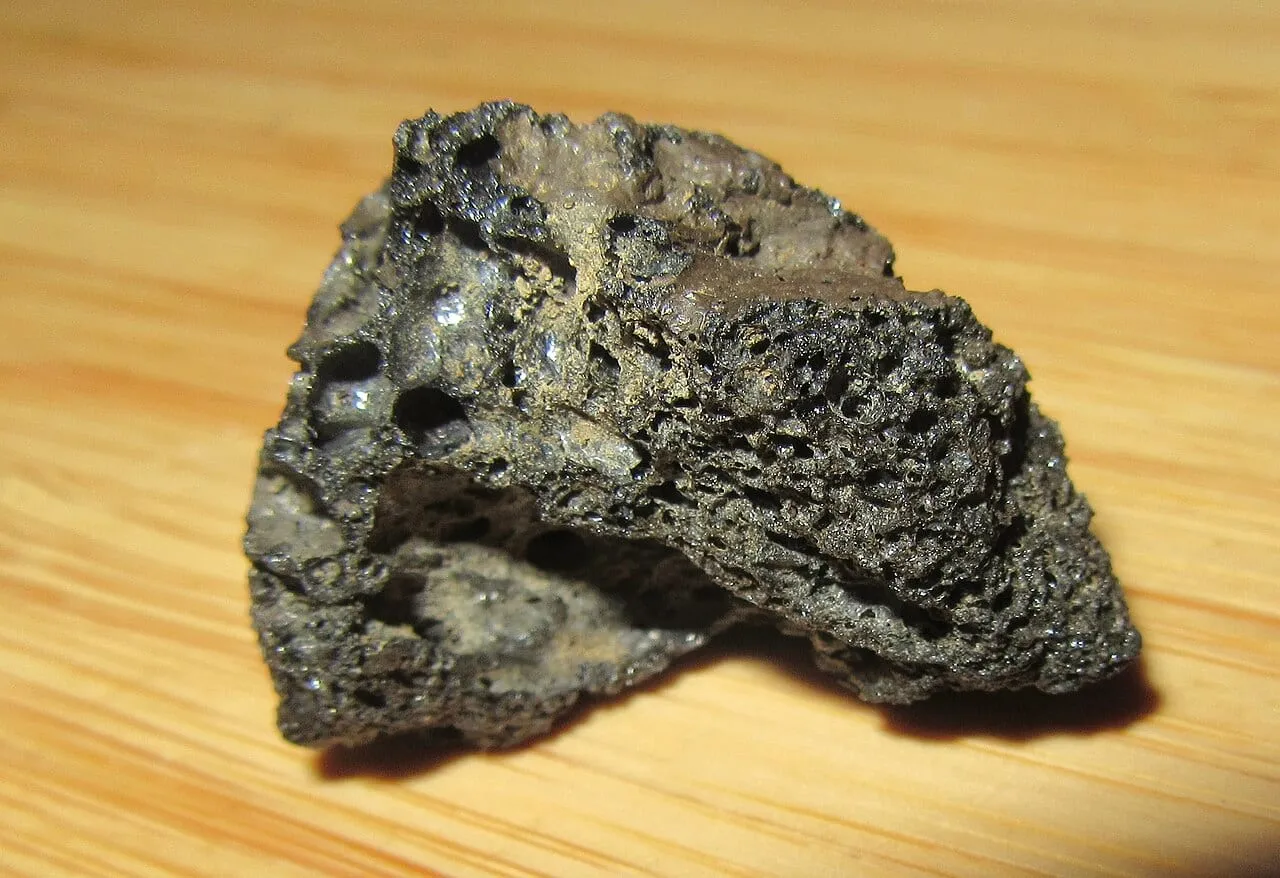
Lava stone

  • According to today’s crystal sellers and crystal therapy writers, lava stone, born of the fire deep inside the Earth, “grounds” the wearer, calms them and soothes anger.
  • The same sources claim that lava stone gives the wearer strength, courage and vitality.

What science says There is no scientific evidence that lava stone calms people or gives them strength or courage; it is an ordinary volcanic rock riddled with gas bubbles. The only real property of the beads is their porosity: they soak up a drop of essential oil and give off its scent for a while. Bear in mind that essential oils can cause skin irritation and allergies.

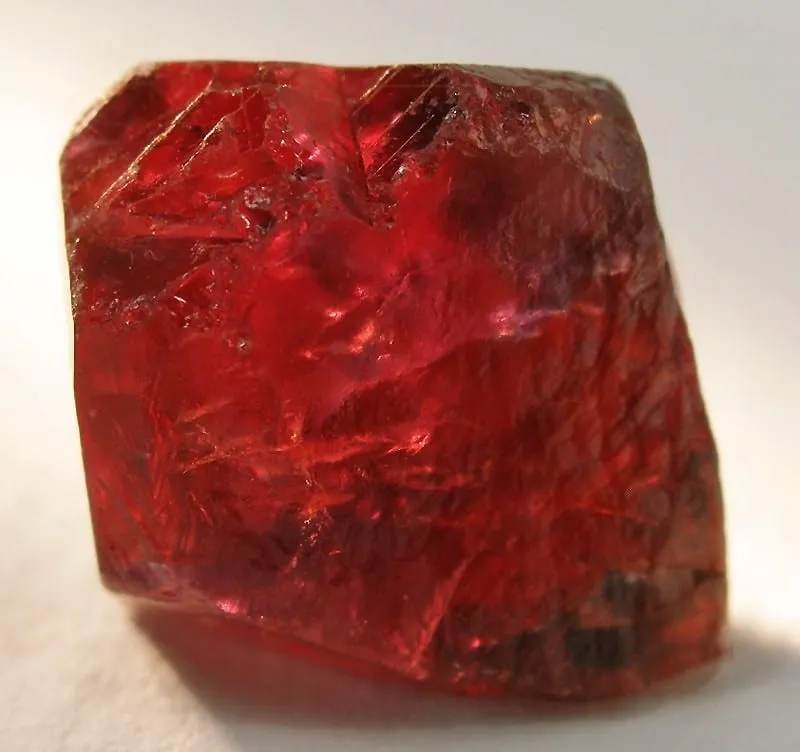
Spinel

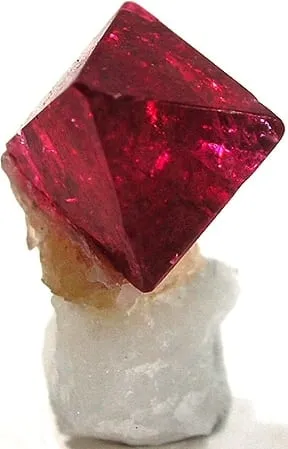
  • According to a 17th-century account quoted by Kunz, people in India believed that “lal”, or balas ruby (red spinel), ground to powder and taken in a drink, banished gloomy forebodings and brought joy.
  • Today crystal-therapy websites claim that spinel shakes off tiredness and renews energy, gives hope and courage, and balances the chakras.

What science says Not every stone called “lal” or “balas ruby” in old records was spinel, because red gems could not yet be told apart reliably. There is no scientific evidence that spinel affects mood, and stone powder should not be swallowed. Today’s claims about energy, courage or balanced chakras cannot be measured either; the cause of lasting tiredness is for a doctor to look into, not a stone.

Iron meteorite

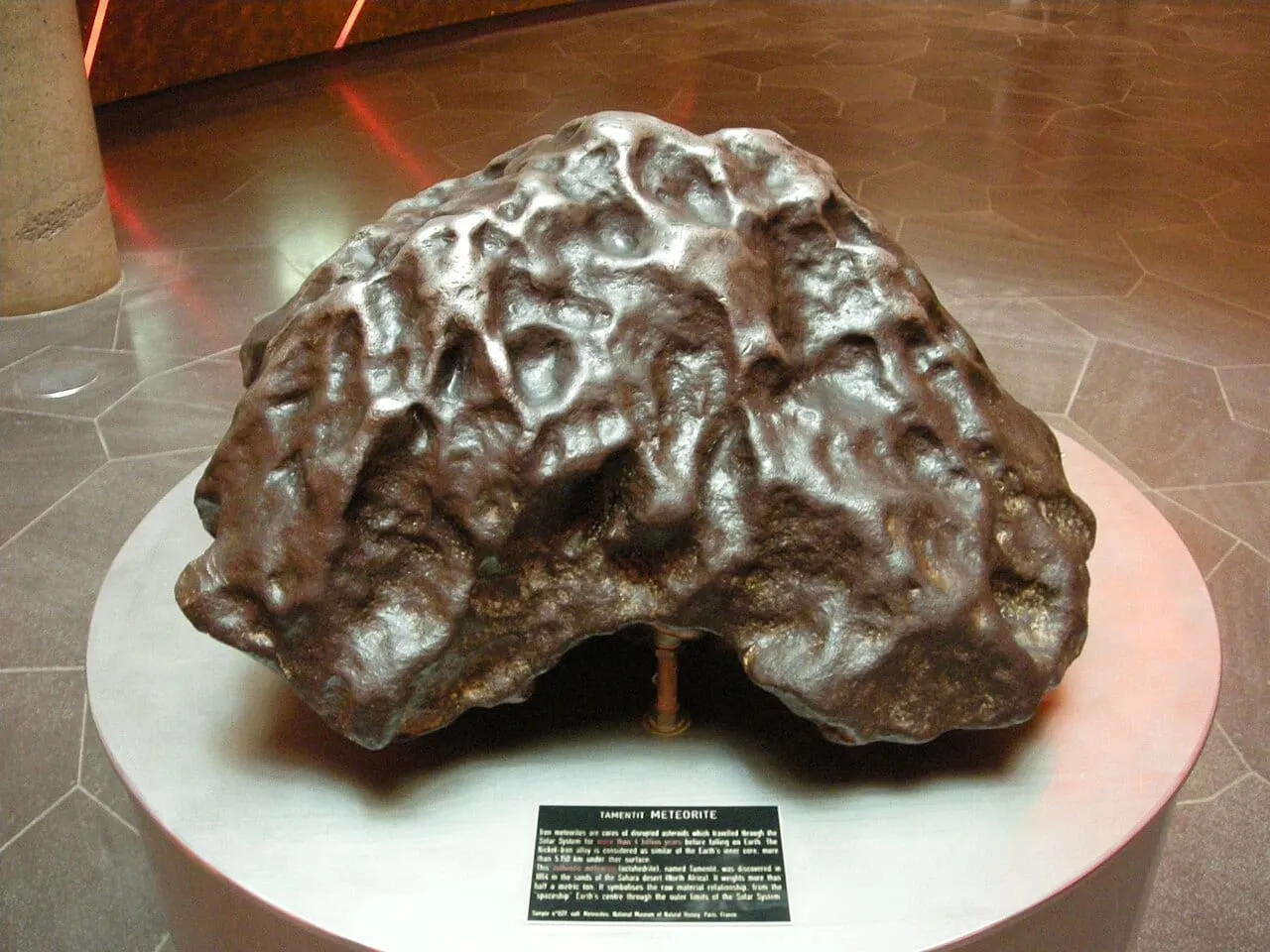
  • The Clackamas people of Oregon in the USA and their descendants hold the Willamette iron meteorite, which they call Tomanowos, sacred; warriors believed that dipping their arrows in the rainwater collected in its hollows would bring success in battle.
  • Today some sellers claim that meteorite fragments carry a special power “from space” and protect their wearer.

What science says There is no evidence that meteorites give their owners power or protection; their scientific value lies in the information they carry about the earliest Solar System. Some pieces sold as “meteorites” are slag or industrial iron, so specimens from a reliable source with an official record are preferable.

Diamond

  • In medieval Europe, diamond was believed to give its wearer strength, courage and victory because of its hardness; in the 11th century Marbodus wrote that, set in gold and worn on the left arm, it drove away night-time spectres.
  • Diamond was also believed to be a “stone of reconciliation” that strengthened the love between husband and wife.
  • Ancient Hindu gem texts held that a diamond brought its owner power, friends, riches and good luck, depending on its colour.

What science says Diamond is a mineral of pure, chemically very stable carbon, and there is no scientific evidence that it gives its wearer courage, luck or strength. As Kunz noted, most of these beliefs were derived from the stone’s extraordinary hardness and clarity.