Healing crystals: what does science say?
Amethyst, rose quartz, citrine… Where crystal healing beliefs come from, what experiments found, and which practices can do real harm. An honest guide.
Scientifically speaking, no controlled study shows that stones cure illness, ease pain or change your mood. The calm some people feel when holding a crystal can be real, but in experiments real crystals and glass fakes produced the same sensations, so the effect comes from expectation rather than from the stone. Stones are beautiful, fascinating and culturally meaningful; they are still no substitute for treatment from a doctor, and some ways of using them are plainly harmful.
This article is not written to mock anyone who values crystals. Its aim is to explain honestly where the beliefs come from, what science has found and which practices are genuinely dangerous.
Where do the beliefs come from?
Giving stones protective or healing powers is as old as humanity. From ancient Egypt to Anatolia, stones were carried as amulets. Ancient and medieval writers produced lapidaries, books describing the physical properties and supposed virtues of stones. The Roman author Pliny the Elder devoted book 37 of his Natural History, written in the 1st century AD, to gems. A verse lapidary of 60 stones by Marbode, Bishop of Rennes (died 1123), became the most popular one in medieval Europe and was translated into eight languages.
Most of the “which crystal is good for what” lists you find online are much more recent. They spread with the New Age movement in the 1970s and 1980s. Katrina Raphaell’s Crystal Enlightenment (1985), for instance, was one of the popular books that matched stones to chakras and to particular complaints.
The beliefs also shift over time. The ancient Greeks thought amethyst prevented drunkenness; modern crystal books recommend the same stone for sleep and stress. The stone has not changed; the meaning people give it has.
The most asked-about stones: belief and science
| Stone | Common belief (whose) | What science says |
|---|---|---|
| Amethyst | The ancient Greeks believed it prevented drunkenness; modern crystal healers say it calms and aids sleep. | A quartz coloured by traces of iron and natural radiation. No effect on sleep or anxiety has been shown. |
| Rose quartz | Crystal healers promote it as the “love stone”. | Ordinary quartz coloured by microscopic fibrous inclusions; no study shows an effect on emotions. |
| Tiger’s eye | Believed to guard against the evil eye; crystal healing says it gives confidence and courage. | The eye-like shimmer is a physical effect of light reflecting from parallel fibres. |
| Citrine | Called the “merchant’s stone” in crystal healing circles and said to bring abundance and money. | According to GIA, most citrine on the market is amethyst turned yellow by heating. There is no evidence it brings money. |
| Obsidian | The Aztecs believed obsidian mirrors could show the future; today it is said to “absorb negative energy”. | Rapidly cooled volcanic glass. “Absorbing energy” is not something that can be measured; broken edges are razor sharp. |
| Turquoise | Worn against the evil eye in Anatolia and the Middle East; medieval Europeans believed it protected riders from falls. | A porous mineral whose colour can change with sweat, oils and cosmetics; no protective power has been shown. |
| Onyx | In the Middle Ages and in Arab tradition it was thought to bring sorrow and quarrels. | A banded chalcedony. There is no basis for any effect on luck or feelings. |
| Agate | Marbode wrote that it made the wearer persuasive; in the Islamic world an agate ring is believed to protect from evil. | A chemically inert form of quartz; there is no scientific evidence of a protective effect. |
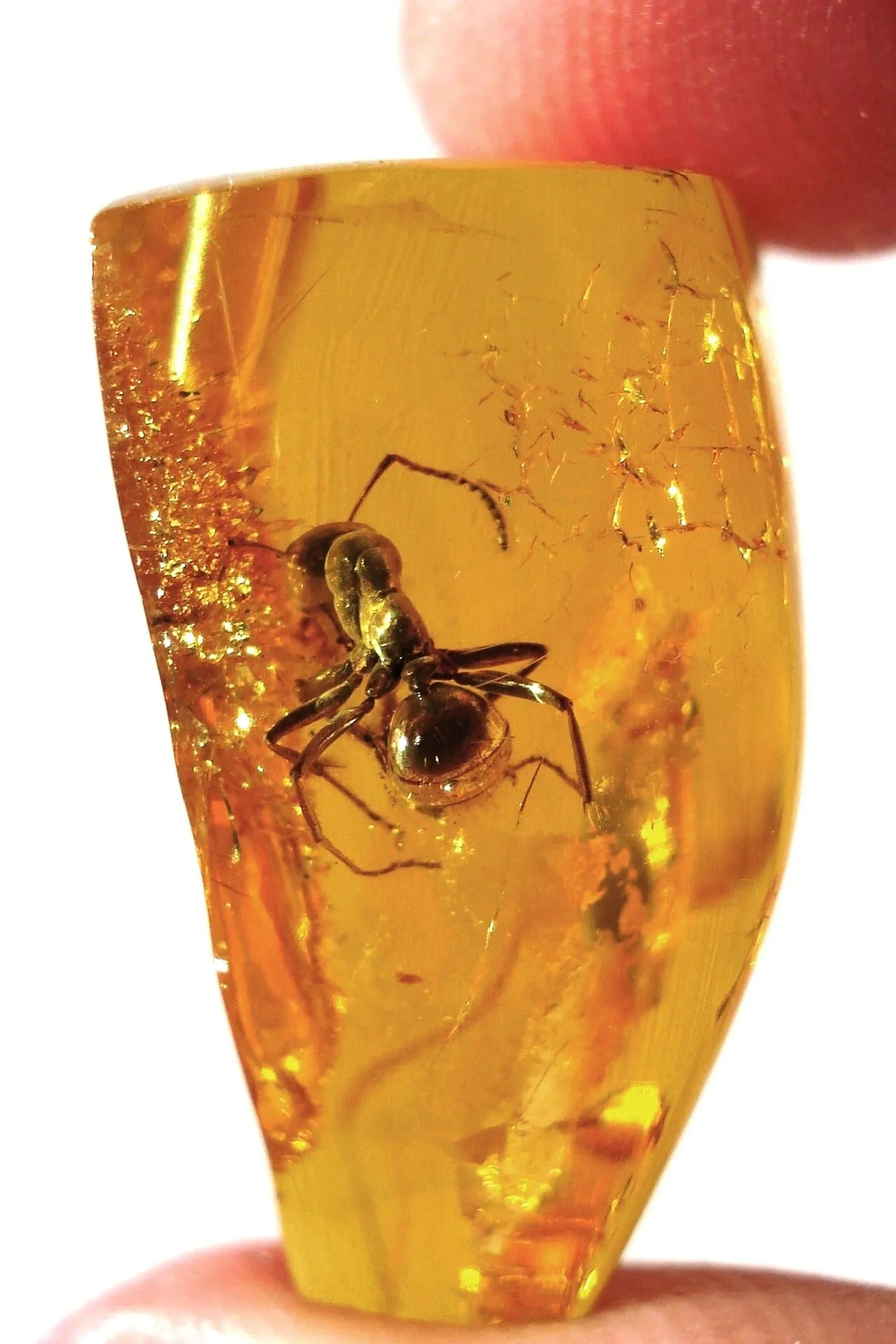
| Amber | Some sellers and parents believe teething necklaces ease babies’ pain. | A lab study found the beads release no active ingredient; the FDA warns of serious choking hazards. |
Each stone’s own page gives the beliefs in more detail, with sources. For beliefs grouped by theme, see the Beliefs section.
What did the experiments show?
The best-known studies that directly tested crystal beliefs were carried out by psychologist Christopher French of Goldsmiths, University of London, and his students.
- The 1999 study: French and Lynn Williams asked 80 volunteers to relax for five minutes holding a crystal. Some crystals were genuine quartz; others were glass fakes that looked identical. Most volunteers reported at least one sensation, such as tingling or warmth. Those told in advance what they might feel reported more. Whether the crystal was real or fake made no difference at all.
- The 2001 study: The team ran a double-blind repeat with 80 new volunteers, with data collected by Hayley O’Donnell, and presented the results at the British Psychological Society’s conference in Glasgow. Again, real and fake crystals made no difference. The strength of the sensations rose with people’s belief in the paranormal and with their suggestibility.
To be fair, both studies were only presented at conferences and never published in a peer-reviewed journal. French pointed this out himself in 2021, noting that he knew of no other experimental work on the question. But no controlled study shows that crystals do have an effect either.
Magnetic jewellery tells a similar story: a 2007 analysis pooling nine placebo-controlled trials found that static magnets did not reduce pain significantly more than placebo.
There is also the physics. Quartz really is piezoelectric: squeeze a crystal and it produces a small voltage, which is how quartz watches keep time. But this only works when the crystal is under mechanical stress and connected to a circuit. A stone resting in your palm does not emit any energy that could affect the body.
Placebo: the feeling is real, the stone is not its source
The placebo effect is when an inactive treatment makes people feel genuinely better because they expect it to work. A quiet moment and a calming ritual, stone included, can truly help you relax. The problem starts when that feeling is mistaken for a cure.
Practices that can cause harm
“Crystal water” made with toxic stones
Some sources suggest soaking stones in water and drinking it as a crystal elixir. It has no known benefit, and with certain stones it is dangerous:
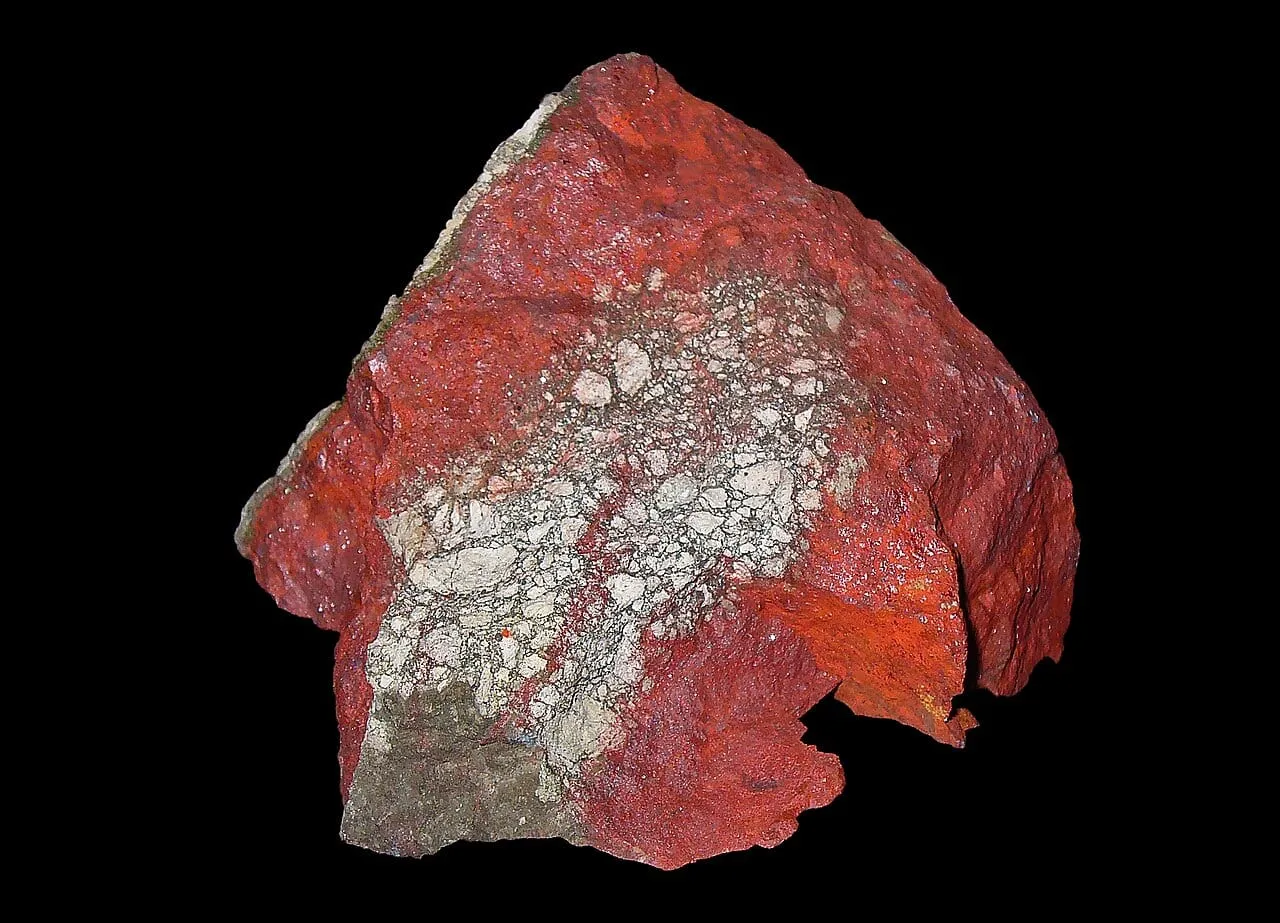
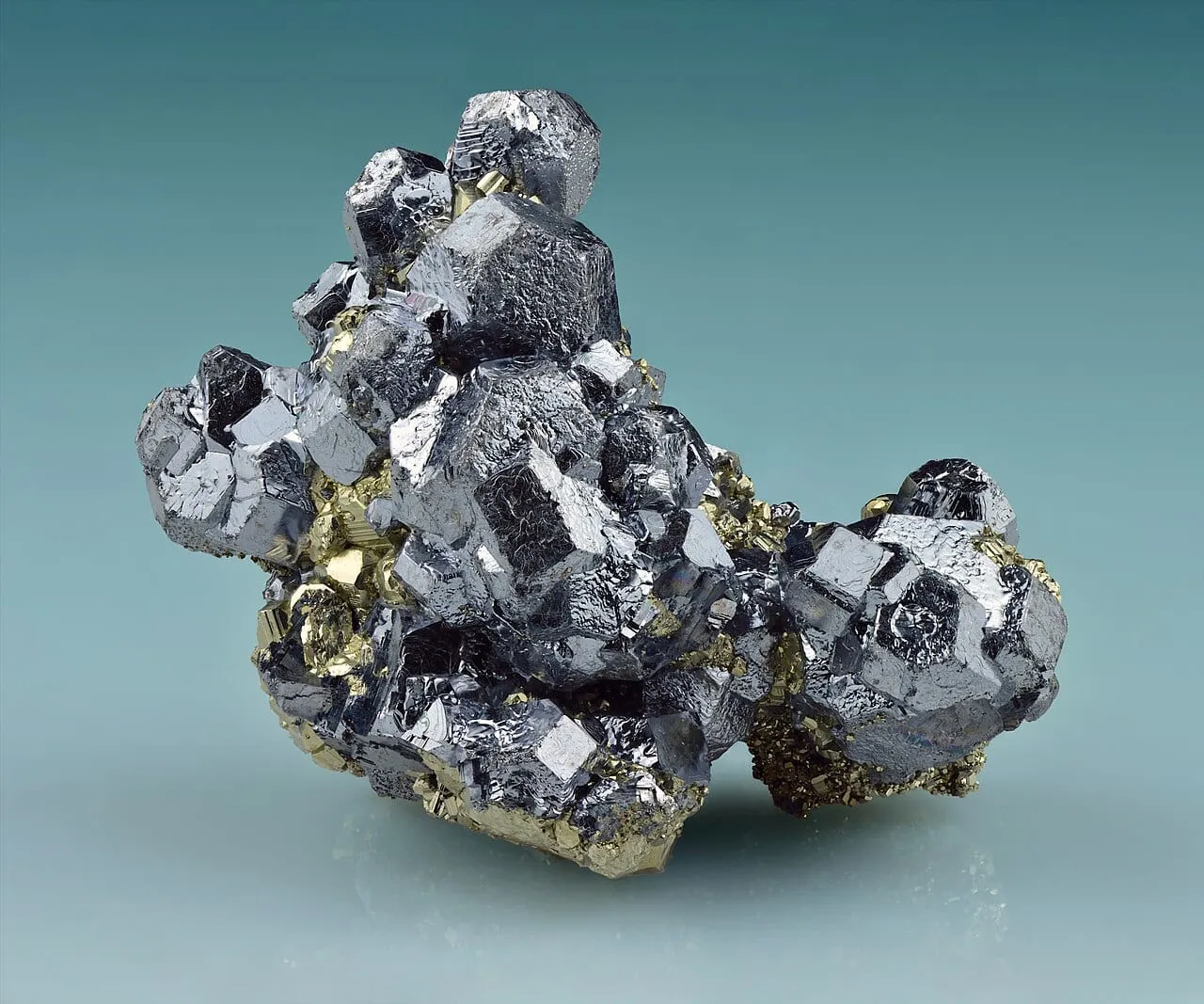
- Cinnabar contains mercury, galena lead and stibnite antimony. According to the World Health Organization, there is no known safe level of lead exposure.
- Realgar, which can look similar to cinnabar, contains arsenic.
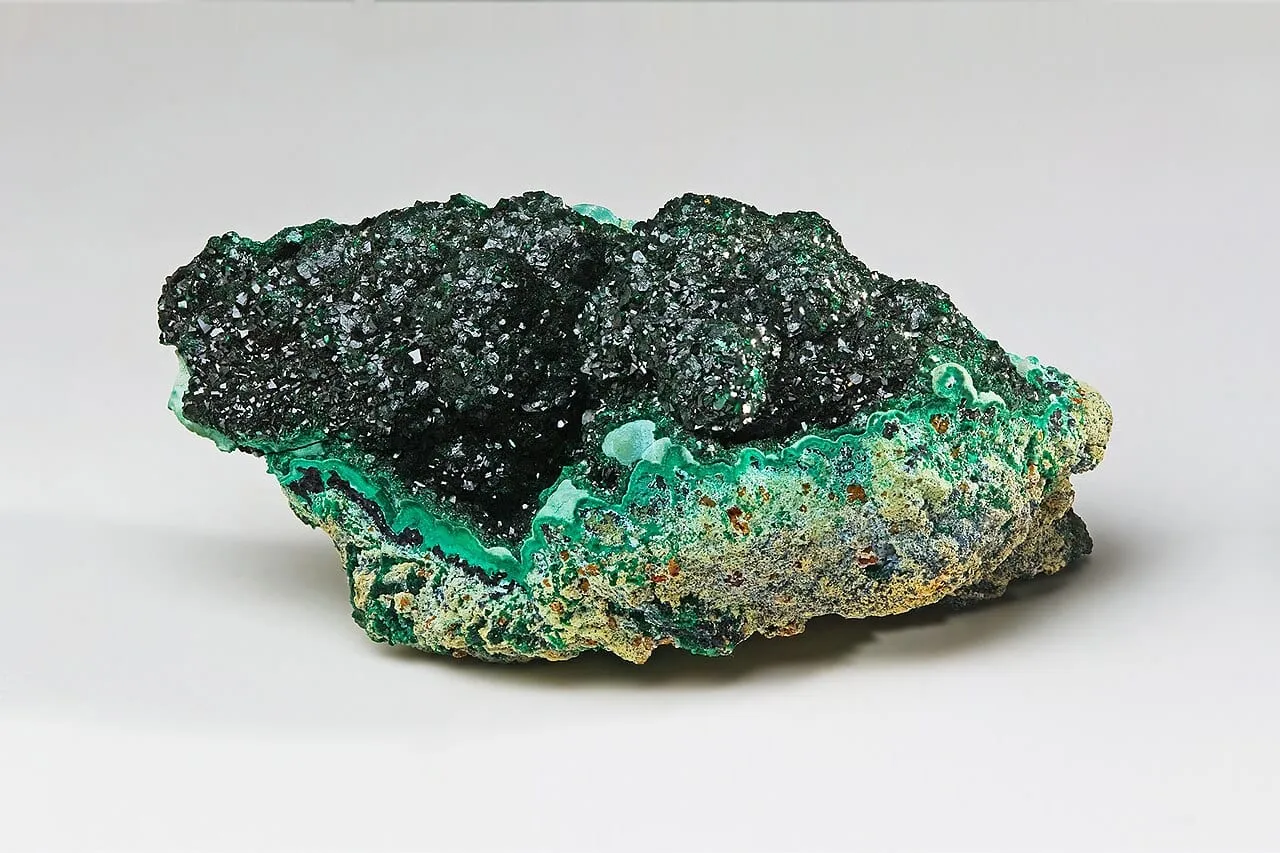
- Malachite is a copper mineral that dissolves in acid; left in lemony or vinegary liquids, it releases copper.
These stones should never go in the mouth, be ground up or be put in drinks; wash your hands after handling them.
Radioactive “negative ion” jewellery
On 16 December 2021 the Dutch Authority for Nuclear Safety and Radiation Protection (ANVS) issued a warning. All ten “negative ion” products tested by RIVM (sleep masks, necklaces, bracelets and an “anti-5G” pendant) emitted ionising radiation and contained more radioactive material than the law allows. The measured dose was low, but because long-term harm from continuous wear could not be ruled out, ANVS told owners to stop wearing them and to store them away safely.
Amber teething necklaces for babies
The U.S. Food and Drug Administration (FDA) has received reports of choking, strangulation and death in babies linked to teething jewellery such as amber necklaces. And a 2019 laboratory study showed that the beads do not release succinic acid in amounts that could be absorbed through the skin.
Delaying treatment
The greatest danger is often not the stone but putting off a treatment that works. A US study published in 2018 compared 280 patients who chose only alternative methods for a curable cancer with similar patients who had standard treatment; the first group had about a 2.5 times higher risk of death. The study did not look at crystals specifically, but it shows the cost of abandoning treatment for a “natural” approach.
Looking at stones with respect
Loving a stone, giving it meaning, treating your grandmother’s turquoise ring as a lucky charm: all of this is human and valuable. Just keep one line clear: cultural meaning is one thing, health information is another. Wear a stone if it makes you happy; if you are ill, see a doctor.
If you wonder whether the stone you bought is really what the seller claimed, read our guide to fake gemstones; for what “precious” actually means, see what is a gemstone.
Quick questions, quick answers
What is amethyst good for?
There is no scientific evidence that amethyst helps with sleep, stress or drunkenness. The ancient Greeks believed it prevented intoxication, and crystal healers today say it is calming. Amethyst is a beautiful variety of quartz, but it is not a treatment.
Is crystal healing scientific?
No. No controlled study shows that crystals cure illness or change mood. In experiments, real crystals and glass fakes produced the same sensations, which shows the effect comes from expectation, not from the stone.
Is the calm I feel when holding a crystal real?
The feeling can be real, but the stone is not its source. The placebo effect and suggestion lead people to feel what they expect to feel. Relaxing is good; it just should not replace treatment for an illness.
Is it harmful to drink water that crystals have soaked in?
With some stones, yes. Cinnabar contains mercury, galena lead, stibnite antimony and malachite copper, and these can pass into water, especially acidic drinks. Crystal water has no known benefit either.
Do amber necklaces help with teething pain?
No. A 2019 laboratory study found that the beads do not release succinic acid in amounts that could be absorbed through the skin. The U.S. Food and Drug Administration (FDA) advises against teething necklaces, having received reports of choking and deaths in babies.
Stones in this guide
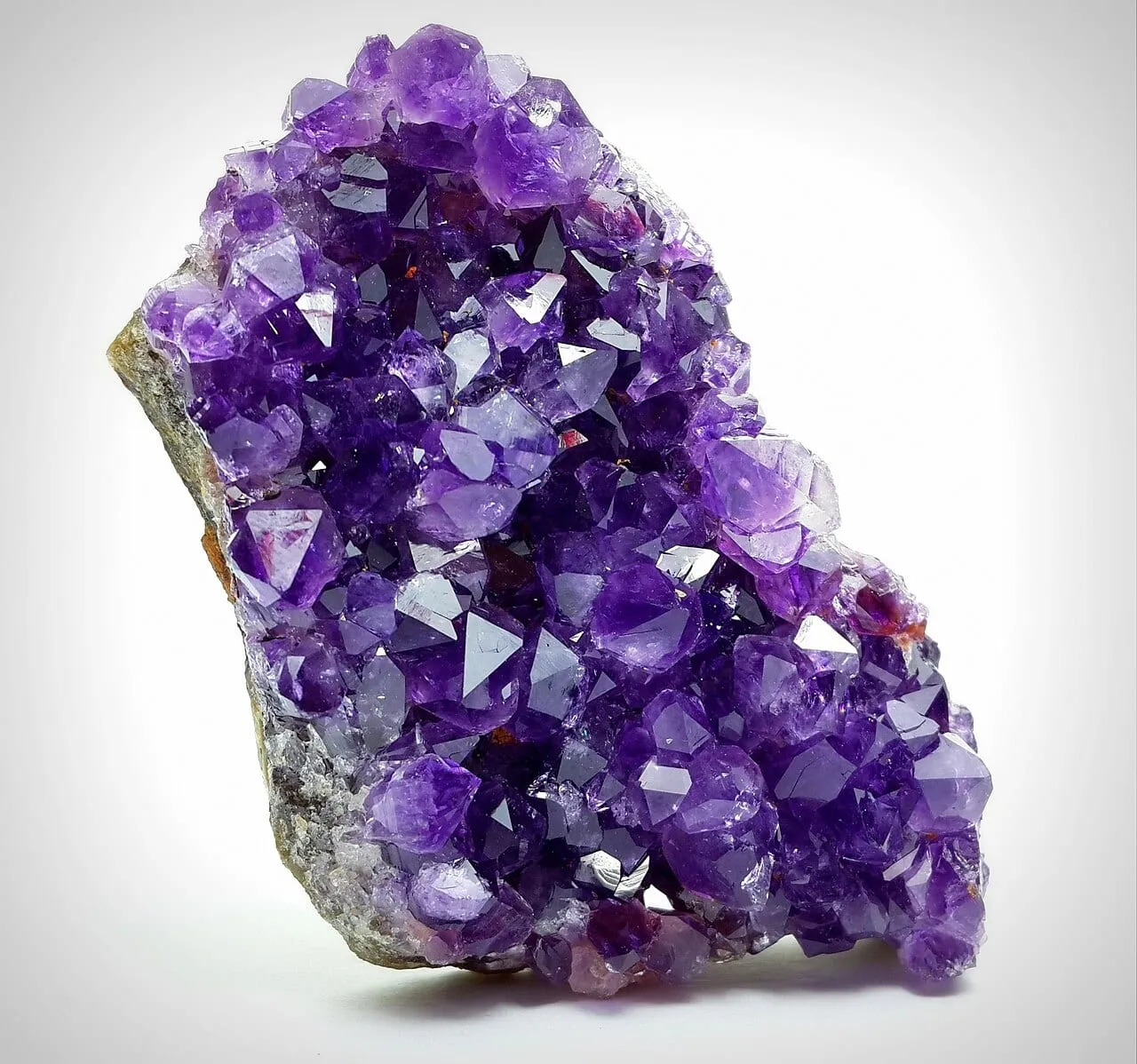
Amethyst
The purple variety of quartz, coloured by traces of iron working together with natural radiation.
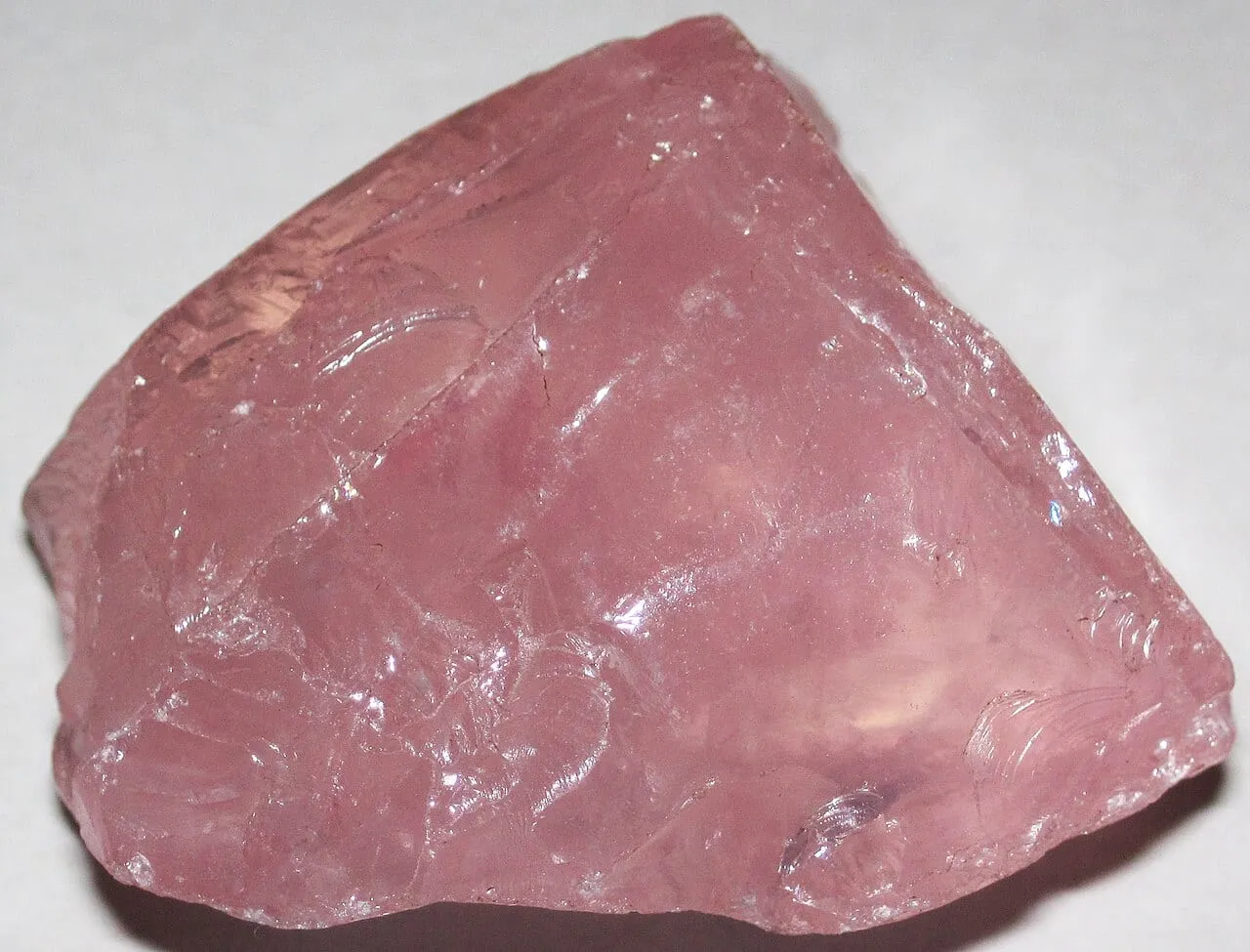
Rose quartz
The cloudy pink variety of quartz, coloured by fibres far too fine to see.
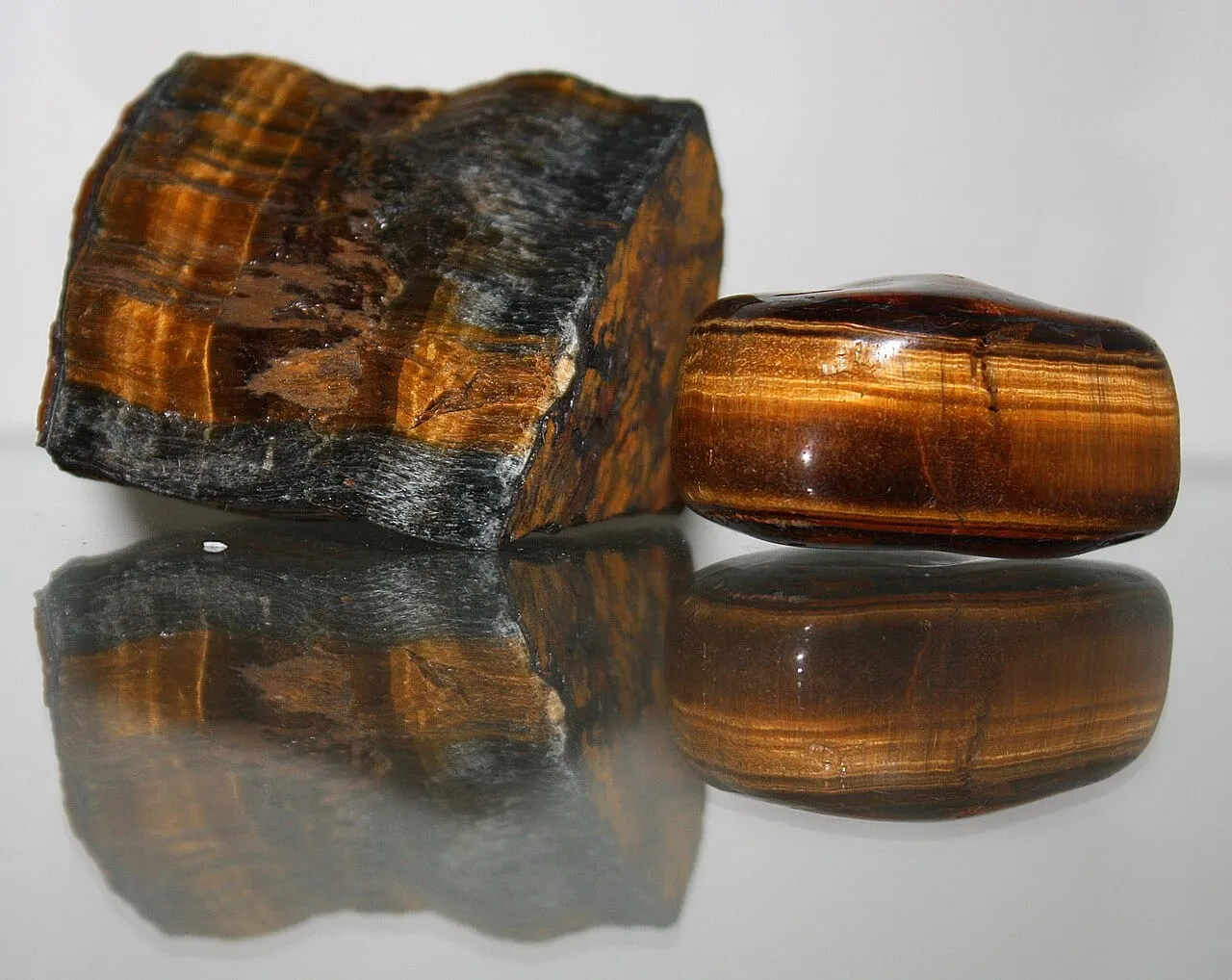
Tiger's eye
A golden-brown stone with a silky band of light gliding across it, born from quartz and fine asbestos fibres growing together.
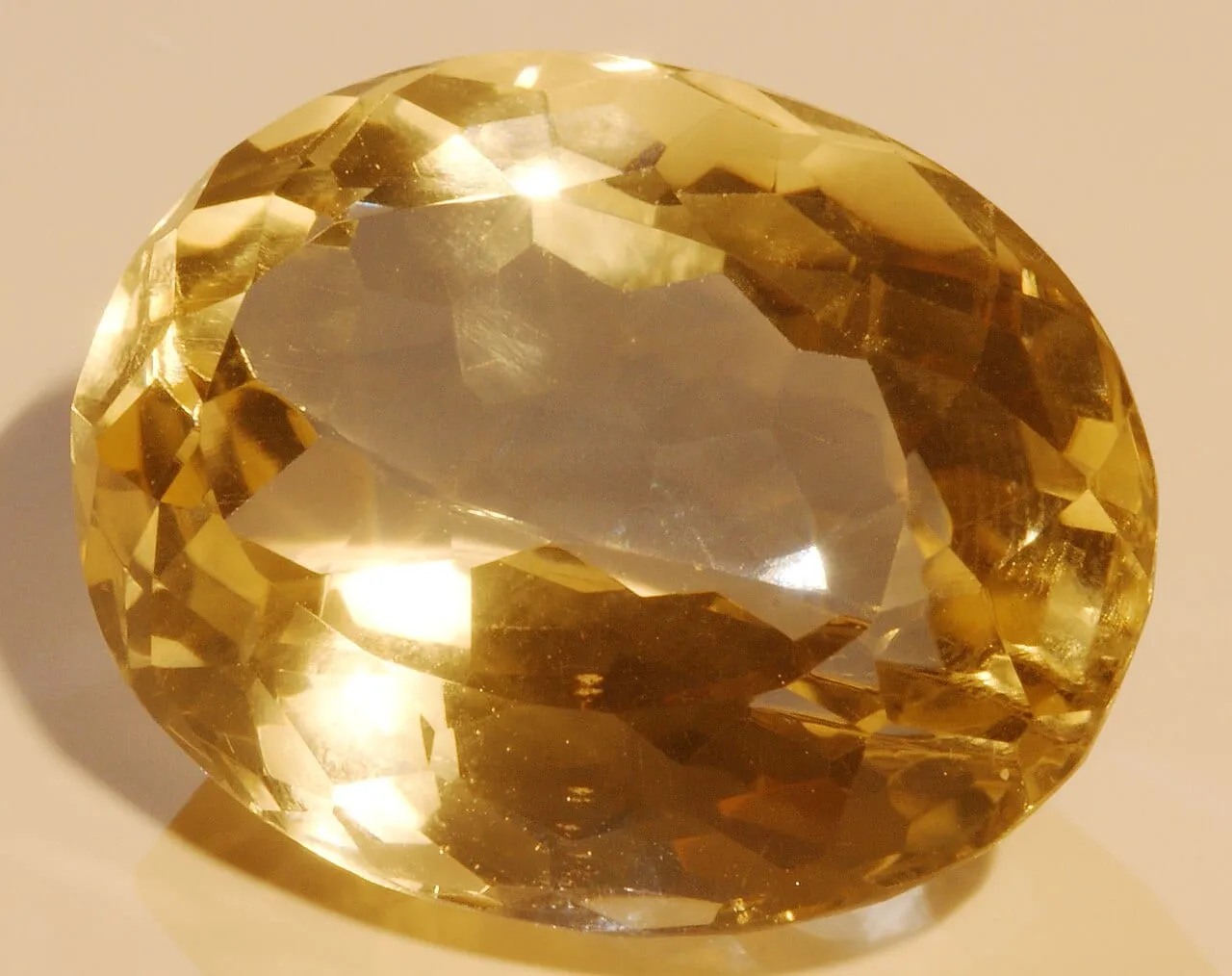
Citrine
The yellow to orange variety of quartz: rare in nature, so most of what is sold is heated amethyst.
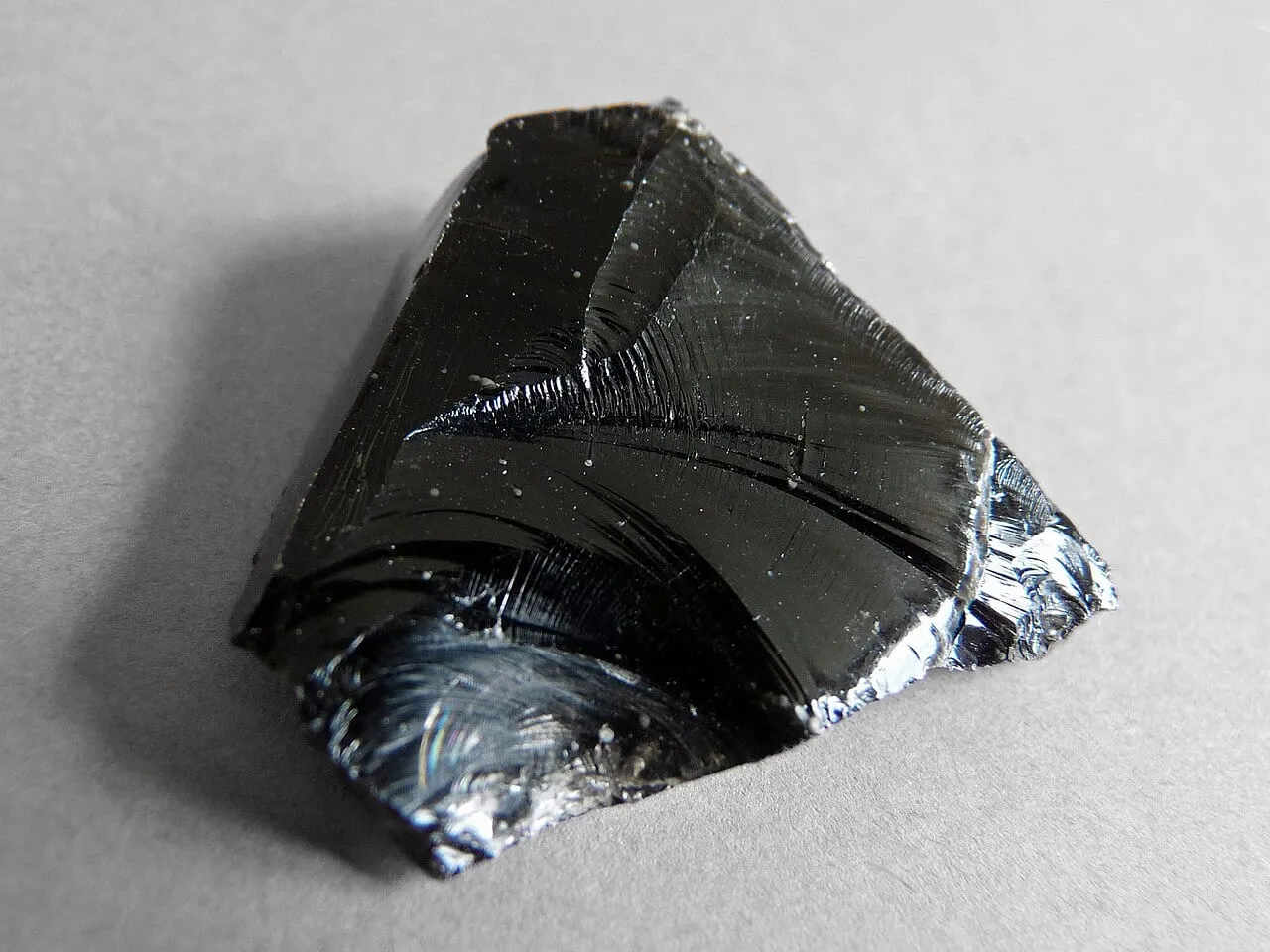
Obsidian
Nature’s volcanic glass — the shiny black stone that gave the Stone Age its sharpest blades.
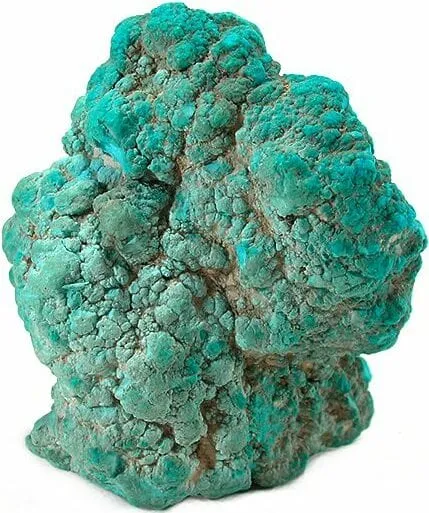
Turquoise
A blue-green copper aluminium phosphate whose name means “Turkish stone”, prized as an ornamental stone for thousands of years.
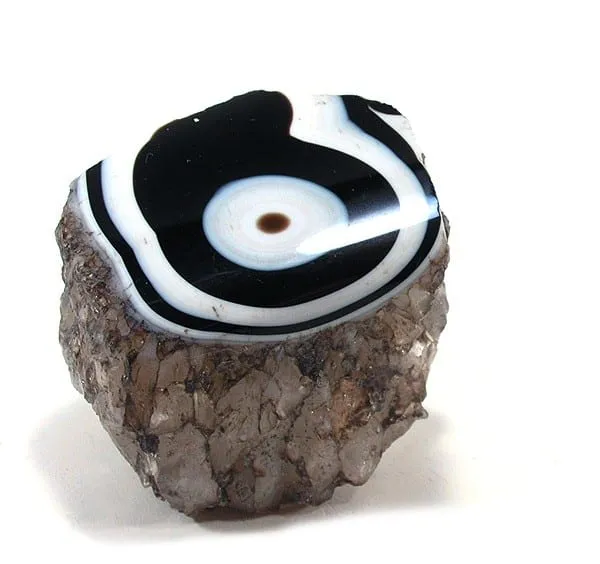
Onyx
Chalcedony with straight black and white bands. Most souvenirs sold as “onyx” in Türkiye, however, are really banded calcite.
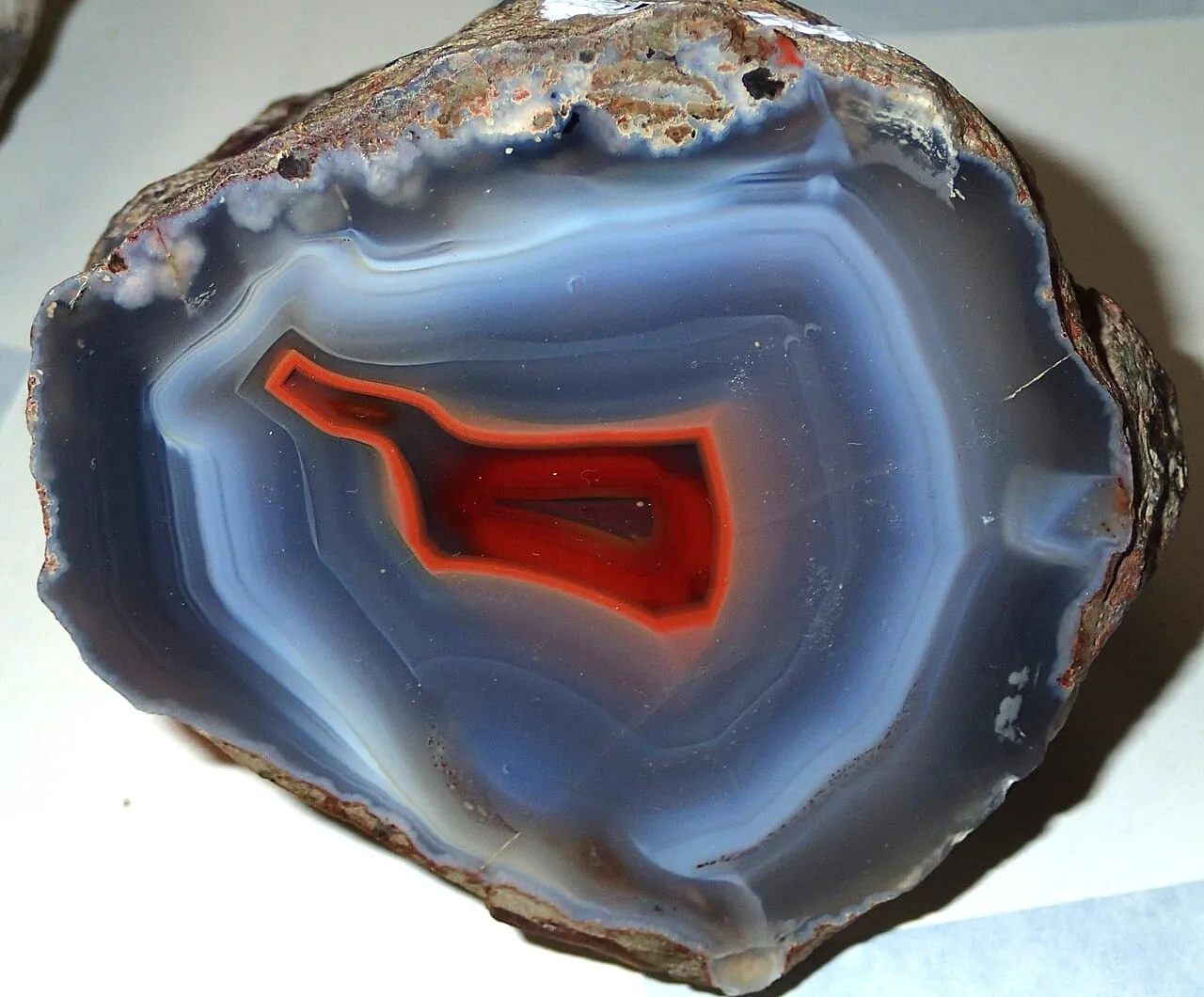
Agate
The banded variety of chalcedony: it grows layer by layer in hollows in volcanic rock and shows a new pattern every time it is cut.
Amber
Tree resin fossilised over millions of years: a light, warm organic gem that sometimes holds prehistoric insects.
Malachite
A copper mineral known for its light and dark green rings, used for thousands of years as a pigment, ornamental and jewellery stone.
Cinnabar
The main ore of mercury: a blood-red mineral used as paint for thousands of years, but one that demands care because of its mercury.
Galena
The main ore of lead: a lead-grey, metallic mineral that breaks into little cubes and feels surprisingly heavy in the hand.
Sources
- Romance in the stones? The power of crystals vs the power of suggestion (Chris French) · The Skeptic, 2021
- Do you have a Quantum Pendant, anti-5G pendant, or a negative ion jewellery item or sleep mask? If so, store it away safely · Authority for Nuclear Safety and Radiation Protection (ANVS), 2021
- Radioactivity measurement in 'negative ion' consumer products (RIVM report 2022-0052) · RIVM, 2022
- Use of Alternative Medicine for Cancer and Its Impact on Survival (Johnson, Park, Gross & Yu), JNCI 110(1) · Journal of the National Cancer Institute, 2018
- Baltic amber teething necklaces: could succinic acid leaching from beads provide anti-inflammatory effects? (Nissen et al.) · BMC Complementary and Alternative Medicine, 2019
- Safely Soothing Teething Pain in Infants and Children · U.S. Food and Drug Administration (FDA)
- Static magnets for reducing pain: systematic review and meta-analysis of randomized trials (Pittler, Brown & Ernst), CMAJ 177(7) · Canadian Medical Association Journal, 2007
- The Curious Lore of Precious Stones (George F. Kunz, 1913) · J. B. Lippincott Company; Project Gutenberg, 1913
- Lapidary (text) · Wikipedia
- Lead poisoning and health · World Health Organization