The rock cycle: how do rocks form and turn into one another?
Igneous, sedimentary and metamorphic rocks turn into one another over millions of years. The rock cycle explained with examples from Türkiye.
The rock cycle is the model that explains how the rocks of Earth’s crust turn into one another over millions of years. Rocks fall into three families according to how they formed: igneous rocks from cooling molten rock, sedimentary rocks from particles that pile up and harden, and metamorphic rocks transformed by heat and pressure. When conditions change, any rock can become a member of another family; the cycle is driven by Earth’s internal heat and by the movements of water and air powered by the Sun.
The three rock families
Igneous rocks
Molten rock deep underground is called magma; once it reaches the surface it is called lava. If magma cools slowly underground, its mineral crystals grow large enough to see; this is how granite and gabbro form (intrusive rocks). If lava cools quickly at the surface, the grains stay tiny, as in basalt and andesite (extrusive rocks). If lava cools very fast, crystals have no time to form at all and the result is volcanic glass, obsidian. Ash thrown into the air by explosive eruptions settles and becomes tuff.
Sedimentary rocks
Rocks at the surface are broken down by rain, frost, wind and living things (weathering). The resulting sand, gravel and clay are carried by rivers, wind and glaciers and settle on the floors of lakes and seas. As these sediments are buried they are compacted and glued together by minerals that crystallise in the spaces between grains (lithification). Sand becomes sandstone, gravel becomes conglomerate and mud becomes shale. Sedimentary rocks also form when dissolved substances come out of water: travertine and rock salt (halite) form this way. The shells and skeletons of sea creatures can build limestone, and plant remains can become coal.
Metamorphic rocks
If a rock is pushed deep down during mountain building, or sits next to hot magma, it recrystallises without melting and gains new minerals and a new texture. This transformation is called metamorphism. Limestone becomes marble and sandstone becomes quartzite. As temperature and pressure rise, shale can turn successively into slate, schist and gneiss.
Which family does your rock belong to?
A firm answer needs a laboratory, but a few clues help:
- Igneous: crystals are interlocked and not lined up in any direction. Rocks formed from lava may show holes left by gas bubbles.
- Sedimentary: often layered; grains may be rounded and fossils may be present. Carbonate rocks such as limestone fizz with dilute acid.
- Metamorphic: minerals are often arranged in parallel bands or sheets, and mica-rich rocks such as schist glitter in the light. Others, such as marble and quartzite, have a sugary, crystalline look.
The processes that drive the cycle
| Process | What happens | Result |
|---|---|---|
| Melting | Deep rock melts at high temperature | Magma |
| Cooling and solidification | Magma or lava cools and crystals form | Igneous rock |
| Weathering and erosion | Surface rock breaks down and the pieces are carried away | Sediment (sand, gravel, clay) |
| Deposition and lithification | Sediment is buried, compacted and cemented | Sedimentary rock |
| Metamorphism | Rock recrystallises under heat and pressure | Metamorphic rock |
| Uplift | Deep rocks are raised to the surface by mountain building | Rock exposed to weathering again |
Not a circle but a web
Textbook diagrams draw the rock cycle as a circle, but rocks do not have to follow a fixed order. A granite raised to the surface can weather into sand without ever becoming metamorphic; that sand becomes sandstone, and if the sandstone is buried deeply it turns into quartzite. A metamorphic rock can be lifted up and eroded again, or melt deeper down and join a magma. A basalt can be turned straight into a metamorphic rock without melting. In other words, there is a path from every rock type to every other.
What drives the cycle: plate tectonics and the Sun
Two energy sources keep the cycle turning. Earth’s internal heat moves the tectonic plates: where one plate sinks beneath another, rocks are carried down to melt or be transformed; where plates collide, mountains rise and deep rocks are brought to the surface. The Sun powers the water cycle and the winds, and rain, rivers and glaciers wear rocks down and move the sediment.
The idea goes back to the Scottish scientist James Hutton. In the late 1780s, drawing on the rocks of the Scottish coast, Hutton argued that Earth is a system constantly renewed by cycles of erosion and deposition, subsidence and uplift. He set out his views in Theory of the Earth, published in 1795.
How long does it take?
A full trip around the cycle usually takes millions or even hundreds of millions of years. Some steps, however, are fast enough to watch within a human lifetime: a lava flow cools into basalt within days to years, and at Pamukkale travertine is still being deposited today. Wearing down a mountain range or turning a rock into marble deep underground takes far longer.
Where to see the rock cycle in Türkiye
Anatolia is like an open-air laboratory where different moments of the rock cycle sit side by side.
- Kula volcanoes (Manisa): volcanism around Kula began about 1.7 million years ago and continued into prehistoric times. Its scoria cones and basalt lava flows are fresh examples of magma reaching the surface and cooling into igneous rock. Since 2013 the area has been protected as the Kula-Salihli UNESCO Global Geopark. During dam construction in the 1950s, around 200 prehistoric human footprints preserved in volcanic ash were found here; some of them were moved to the MTA Natural History Museum in Ankara.
- Cappadocian tuff (Nevşehir): over millions of years, ash and hot ash flows from the volcanoes of Central Anatolia blanketed the region in thick layers of tuff and ignimbrite. Then the next step of the cycle began: rain, floods and wind wore the soft rock away, harder pieces on top shielded the rock beneath them, and the fairy chimneys appeared. Grains washed off the eroding tuff today are the raw material of new sediments.
- Pamukkale travertine (Denizli): water from hot springs, rich in dissolved calcium carbonate, loses carbon dioxide to the air when it reaches the surface, and calcium carbonate is deposited. The travertine of the white terraces is a chemical sedimentary rock forming before our eyes.
- Marmara marble (Balıkesir): the marble quarried on Marmara Island is a metamorphic rock that was once limestone and recrystallised under heat and pressure. Known in antiquity as Proconnesus, these quarries formed the largest quarrying district of the Roman world and are still worked today.
These four places are like pages of the same story: at Kula rock is born from melt, in Cappadocia it is worn away, at Pamukkale it settles out of water, and on Marmara Island heat and pressure turn it into a new rock.
Rocks and minerals
The rock cycle is about rocks, but the building blocks of rocks are minerals: granite is made of quartz, feldspar and mica, while marble is almost entirely calcite. We explain the difference in Mineral or rock?, and you can find Türkiye’s distinctive stones in Stones of Türkiye.
Quick questions, quick answers
What is the rock cycle?
It is the model that describes how the rocks of Earth's crust change into one another through melting, cooling, weathering, deposition, heat and pressure. When conditions change, any rock can become an igneous, sedimentary or metamorphic rock.
What are the three types of rock?
Igneous rocks form when molten rock (magma or lava) cools, sedimentary rocks form when particles or dissolved substances accumulate and harden, and metamorphic rocks form when existing rocks are transformed by heat and pressure without melting.
How long does the rock cycle take?
A full journey around the cycle usually takes millions of years. Some steps are fast, though: lava cools into rock within days to years, and at Pamukkale travertine is still visibly building up today.
What rock does marble come from?
Marble is a metamorphic rock that forms when carbonate rocks such as limestone or dolomite recrystallise under heat and pressure deep underground.
How did the fairy chimneys of Cappadocia form?
Volcanic ash and hot ash flows covered the region with thick layers of tuff and ignimbrite. As rain, floods and wind wore away the soft rock, harder pieces on top protected the rock beneath them, leaving capped pillars.
Who came up with the idea of the rock cycle?
In the late 1780s the Scottish scientist James Hutton argued that Earth is constantly renewed by cycles of erosion and deposition, subsidence and uplift. He set out his views in the two-volume Theory of the Earth, published in 1795.
Stones in this guide
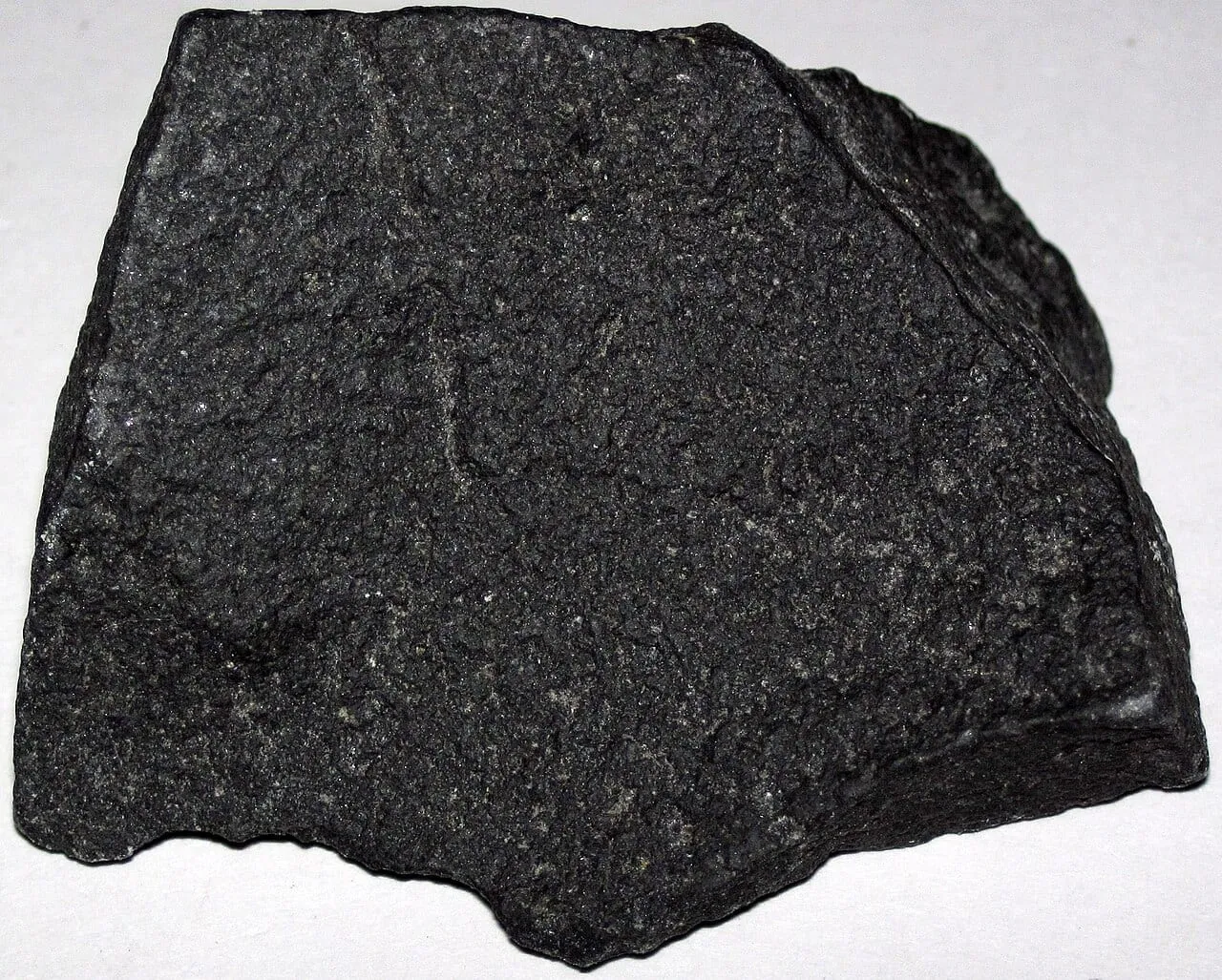
Basalt
The rock of the ocean floors and the Moon’s dark plains — the most common volcanic rock on Earth.
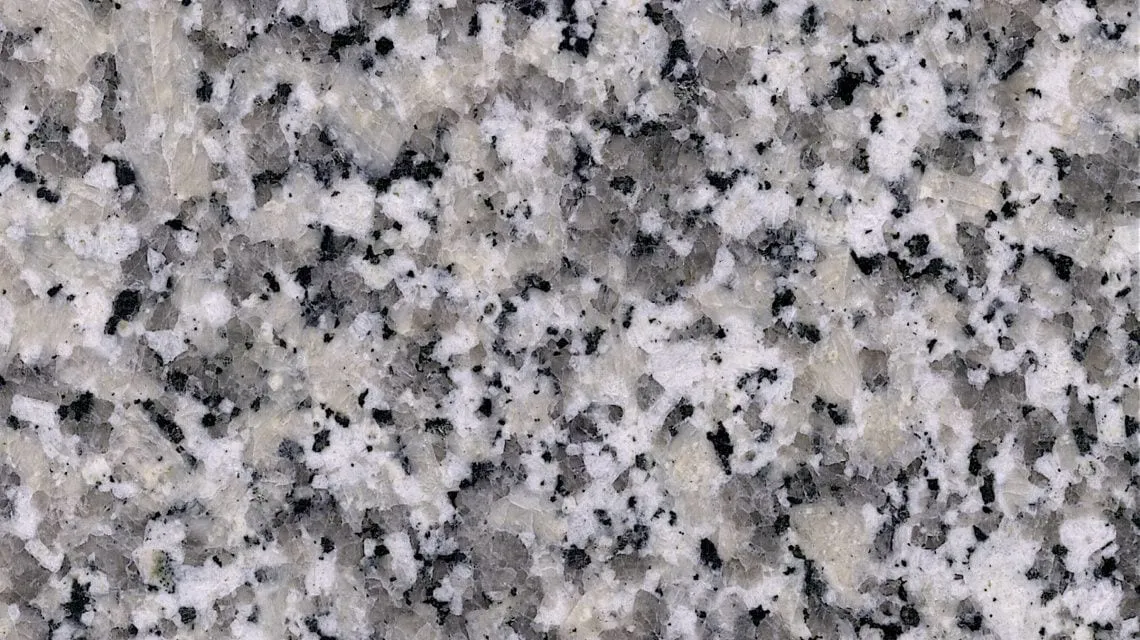
Granite
From kitchen worktops to monuments: a tough, coarse-grained rock born from magma that cooled slowly deep underground.
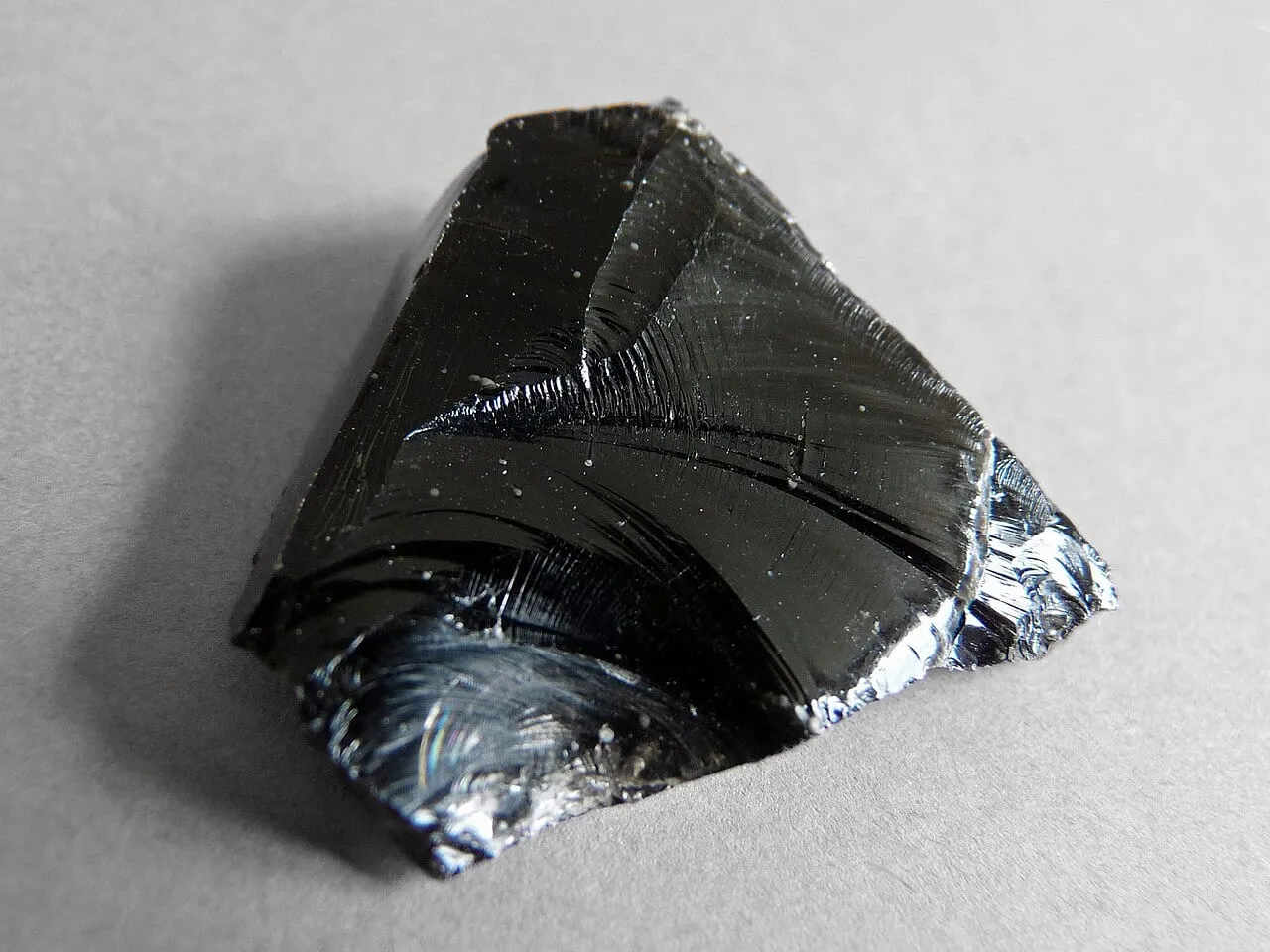
Obsidian
Nature’s volcanic glass — the shiny black stone that gave the Stone Age its sharpest blades.
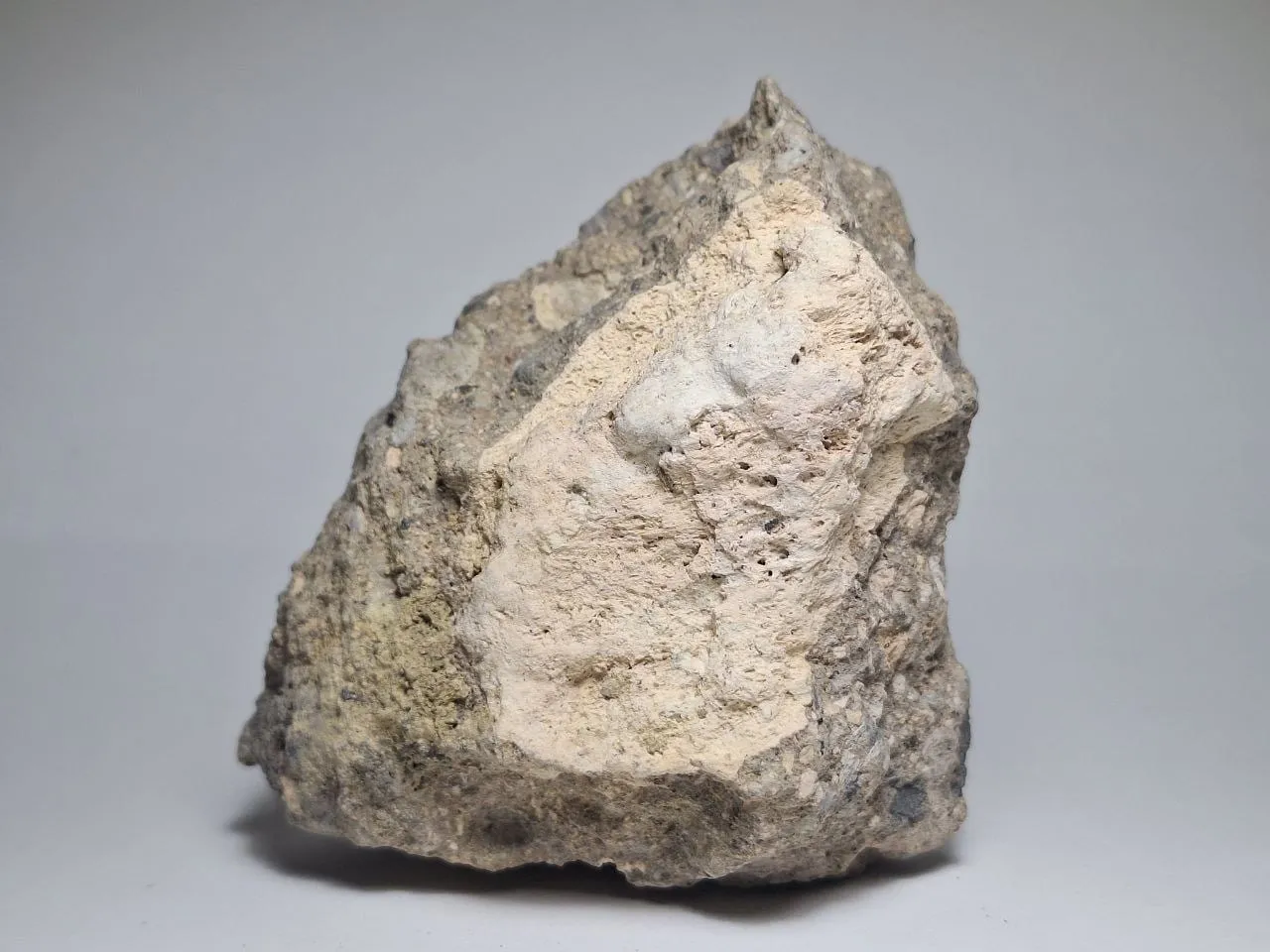
Tuff
Volcanic ash turned to stone: the soft rock that made Cappadocia’s fairy chimneys and rock-cut churches possible.
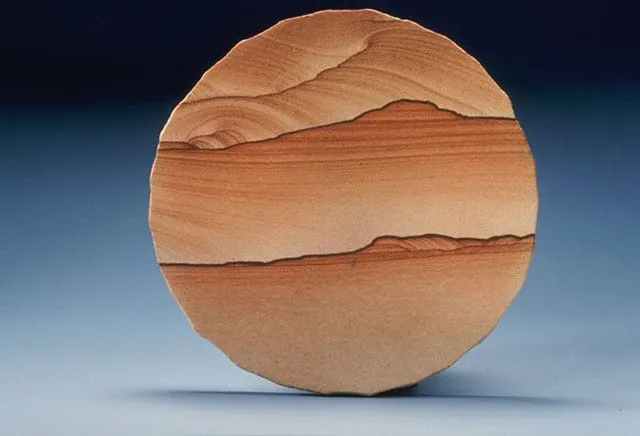
Sandstone
Sand turned to stone: from the carved facades of Petra to the layers that hold groundwater and oil.
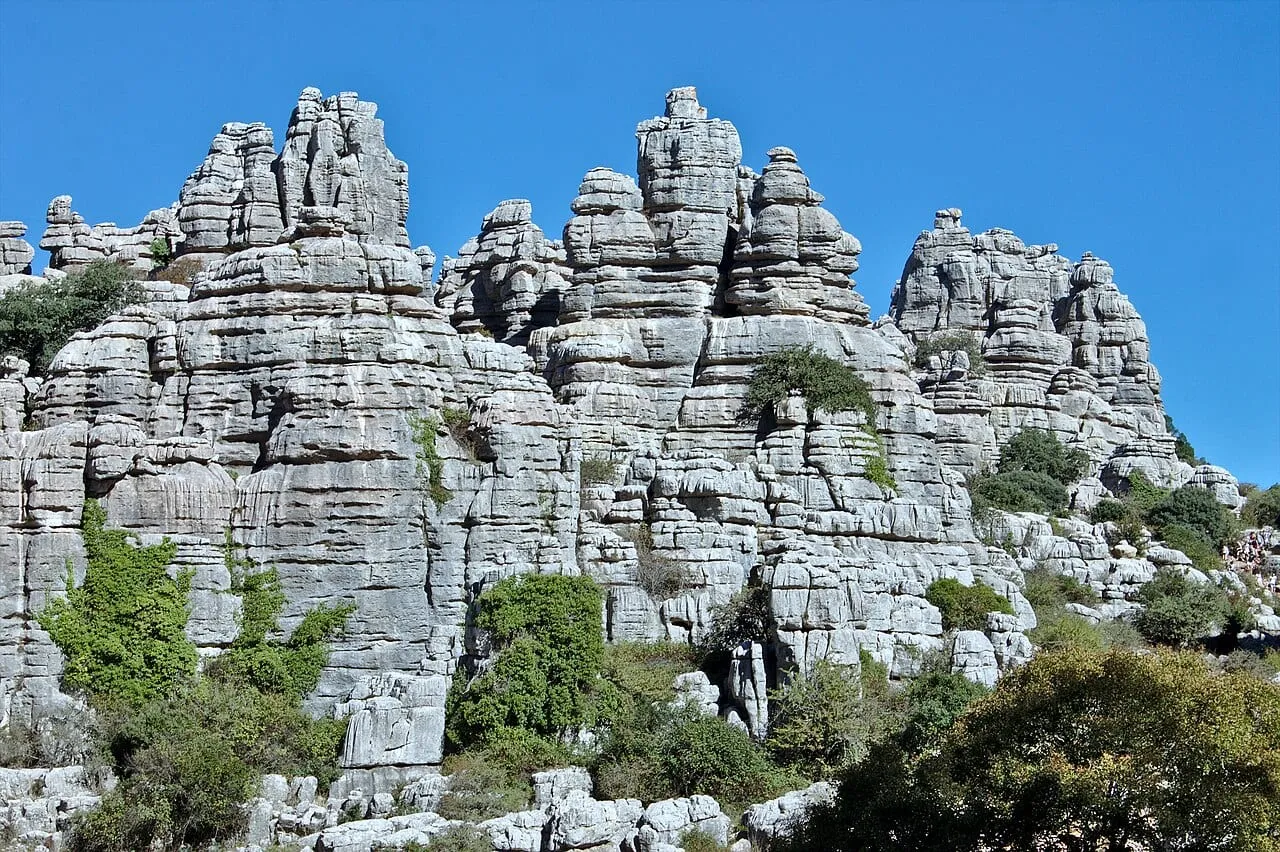
Limestone
A stone built from sea shells: the shared source of pyramids, caves and cement.
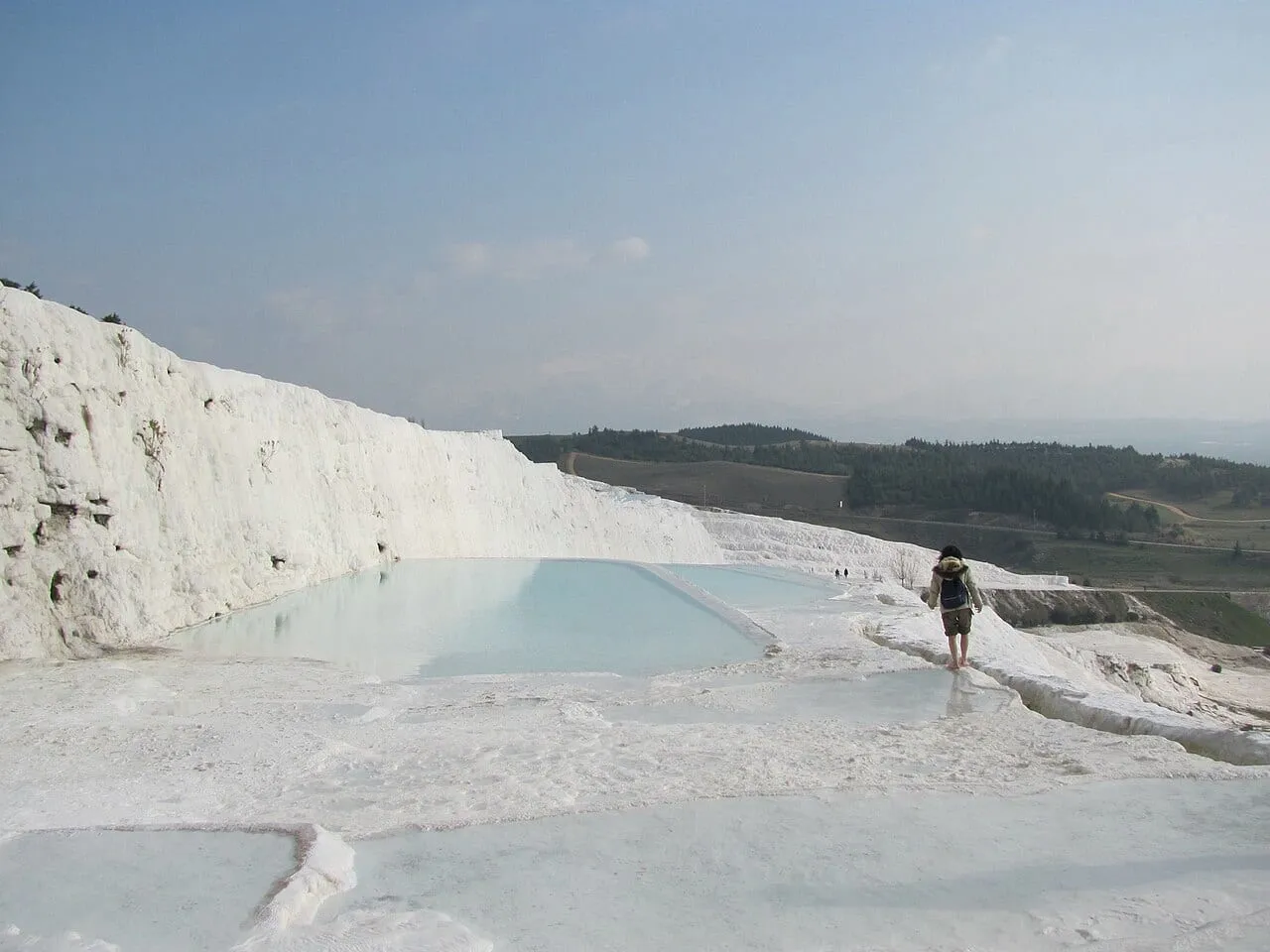
Travertine
Hot springs turned to stone: the rock of Pamukkale's snow-white terraces and the walls of the Colosseum.
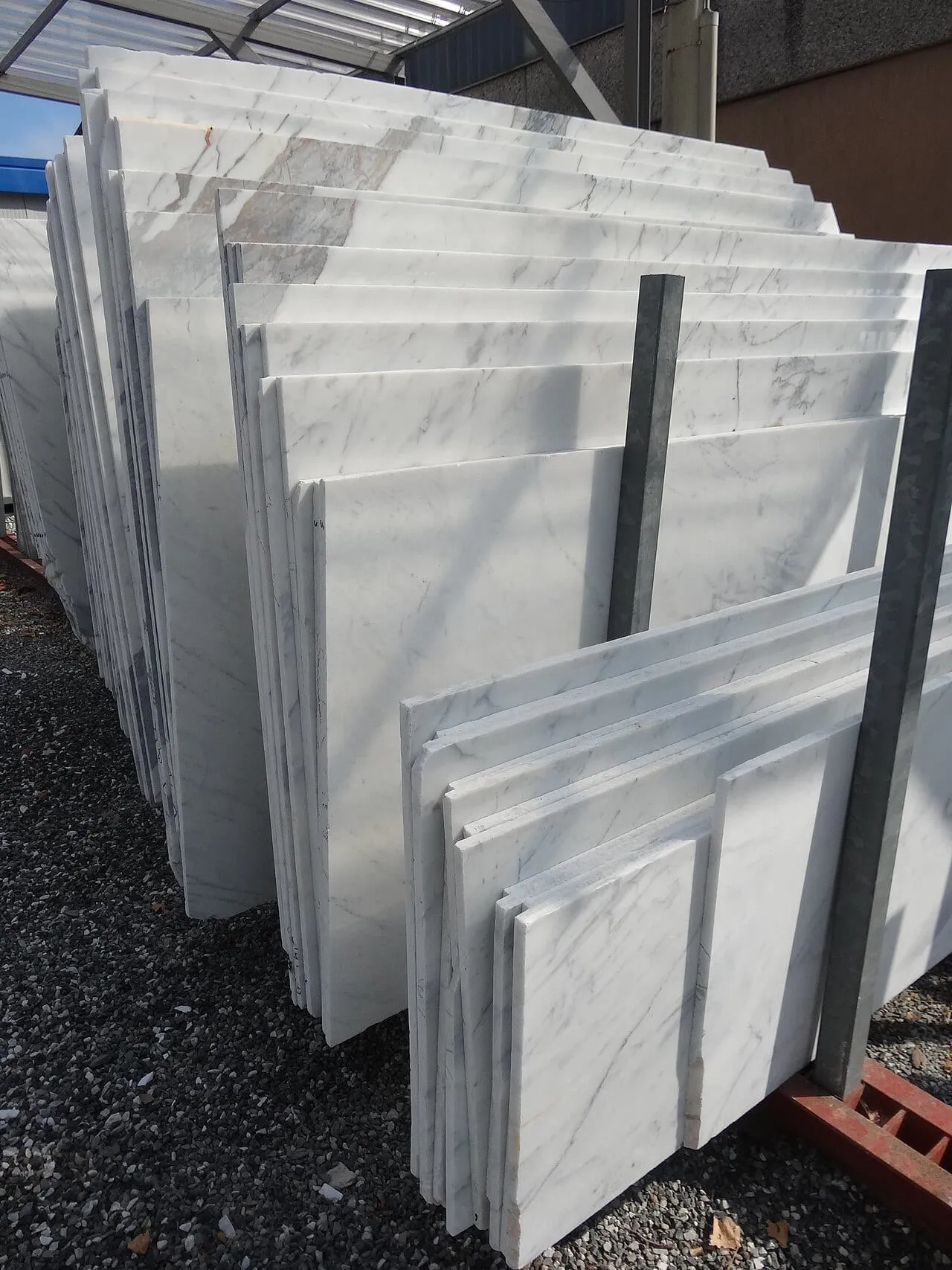
Marble
Limestone reborn by heat and pressure — the favourite stone of sculptors and architects for thousands of years.
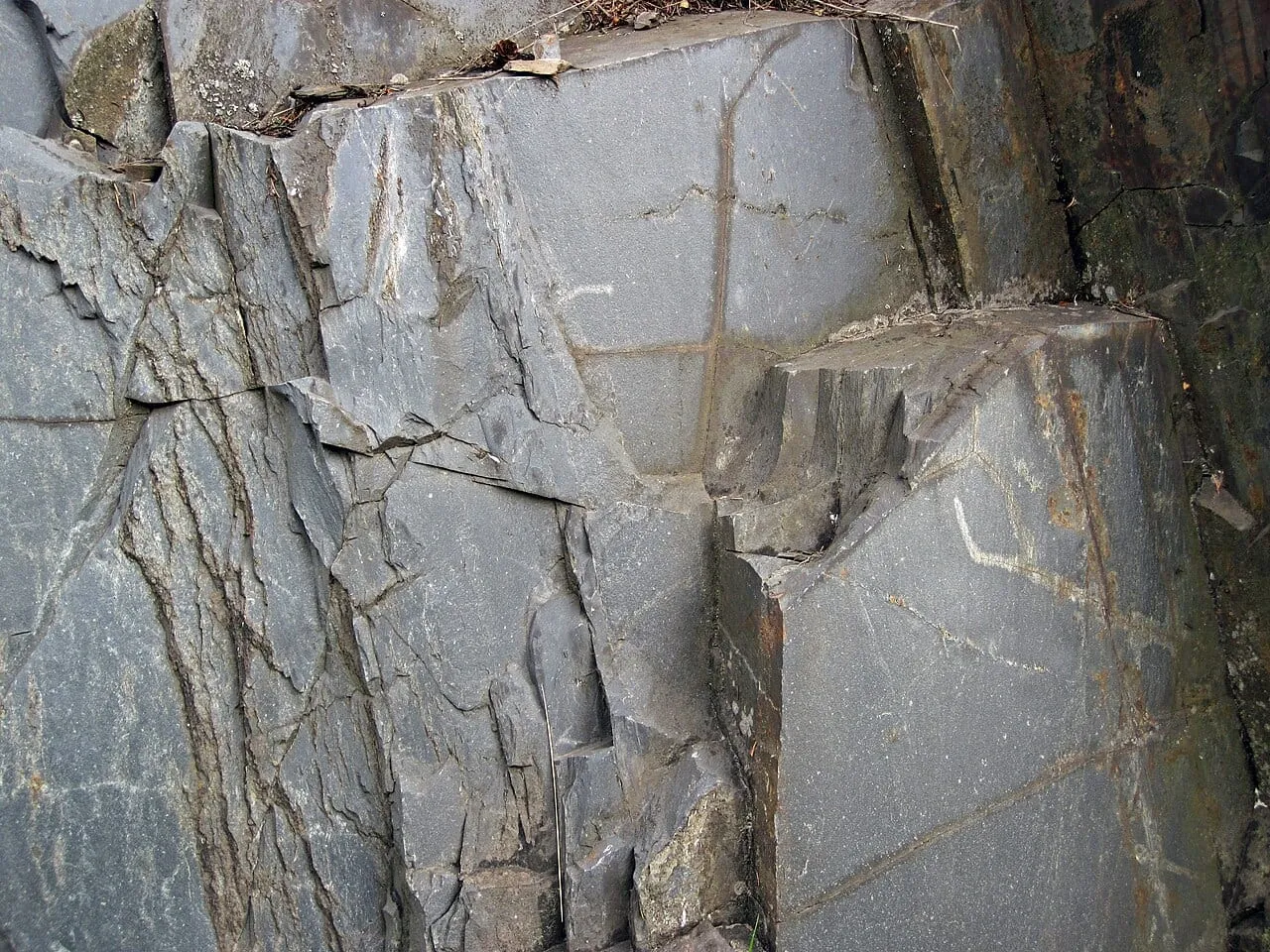
Slate
The stone that splits into sheets: for centuries it has roofed houses and become blackboards and billiard-table beds.
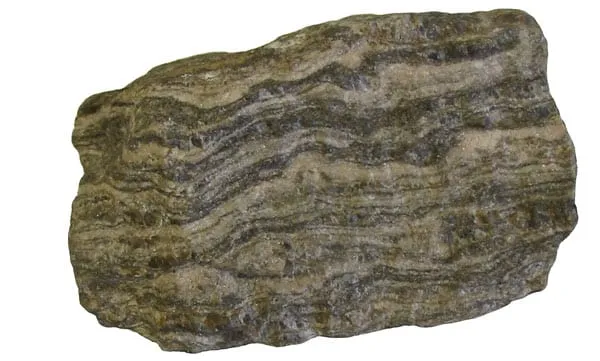
Gneiss
Striped in light and dark bands, the rock that underpins the continents: some gneisses are around 4 billion years old.
Sources
- Rock cycle · Wikipedia
- Geochronology: James Hutton's recognition of the geologic cycle · Encyclopaedia Britannica
- Volcanic Monument of Western Anatolia: Kula-Salihli UNESCO Global Geopark (Aytaç & Demir) · Geoconservation Research, 2023
- Stratigraphy and age of the Cappadocia ignimbrites, Turkey (Le Pennec et al.) · Journal of Volcanology and Geothermal Research, 2005
- Pamukkale · Wikipedia
- Place: Marmara Adası · The Art of Making in Antiquity (King's College London)