Is collecting stones legal? Rocks, minerals and fossils in Türkiye
Mining, heritage, national park and coastal laws: the limits on collecting rocks, minerals and fossils in Türkiye. General information, not legal advice.
This page gives general information and is awaiting a professional check: Hukukçu kontrolü bekliyor.
No single law governs stone collecting in Türkiye; the answer depends on what the stone is and where you find it. Under the Mining Law, minerals, including gemstones, are under the control and disposal of the state; fossils and historical stone fragments are listed among protected assets; and taking stones from national parks, protected sites, archaeological sites and shores is prohibited or requires permission. Taking a stone collected in nature out of the country can be a serious offence.
Important: This article is general information about Türkiye, not legal advice. Laws change, and every case is judged on its own facts. For the current texts, see mevzuat.gov.tr (in Turkish); for a specific situation, consult a lawyer. Rules in other countries are different: check the local legislation.
Summary
| Situation | Relevant law | General rule |
|---|---|---|
| Minerals, ores, gemstones | Mining Law No. 3213 | Minerals are under state control; exploration and production require a licence |
| Fossils, prehistoric tools, ancient stone fragments | Law No. 2863 on Cultural and Natural Property | May count as protected assets; reporting is mandatory, trading and export are prohibited |
| National park, nature park, natural monument | National Parks Law No. 2873 | Any interference that may alter the area’s features is prohibited |
| Natural site, archaeological site | Law No. 2863 | Damage and unauthorised interference are offences |
| Sea, lake and river shores | Coastal Law No. 3621 | Sand, gravel and the like may not be taken |
| Export | Law No. 2863 | Protected movable assets may not leave the country |
The Mining Law: “minerals are under state control”
The 1985 Mining Law No. 3213 defines as a mineral (maden) any substance that occurs naturally in the Earth’s crust and has economic and commercial value, apart from oil, natural gas, geothermal and water resources, and divides minerals into groups. The group that matters most to collectors is Group V, precious and semi-precious stones. It lists, for example, diamond, ruby, emerald, agate, onyx, opal, quartz crystals such as amethyst and citrine, turquoise, amber, Oltu stone, meerschaum, garnet and diaspore crystals. Quartz, obsidian, chalcedony and many industrial minerals are listed in Group IV.
Article 4 of the law states that minerals are under the control and disposal of the state and are not subject to the ownership of the land in which they lie. In other words, owning a piece of land does not mean owning the minerals beneath it. Exploring for or producing minerals requires a licence from the General Directorate of Mining and Petroleum Affairs (MAPEG). The law provides for the seizure of minerals produced without a licence and for administrative fines, and for imprisonment for acts such as opening a mine without a permit.
So is picking up a piece of quartz on a hike “mineral production”? In the legal texts we reviewed, we found no separate provision for small-scale hobby collecting. Digging, using tools, collecting in quantity or selling what you collect, however, could be treated as mineral production. This is a grey area, so it is wisest to be moderate and to ask when in doubt.
The Law on Cultural and Natural Property (No. 2863)
The 1983 Law No. 2863 defines “natural property” (tabiat varlıkları) as assets above ground, underground or underwater that belong to geological, prehistoric or historical periods and must be protected because of their rarity, characteristics or beauty.
Article 23, which lists protected movable cultural and natural property with documentary value for geology, anthropology, prehistory, archaeology and art history, explicitly includes “all kinds of animal and plant fossils”, “flints” and “volcanic glass (obsidian)”. A piece of flint or obsidian may be a prehistoric tool, and a fragment of marble in a field may come from an ancient building.
The provisions that matter most to collectors are:
- Duty to report (Article 4): Anyone who finds movable or immovable cultural or natural property must report it within three days at the latest to the nearest museum directorate, to the village headman (muhtar) in a village, or to the local civil administrator elsewhere.
- State property (Article 5): Protected movable and immovable cultural and natural property is state property, including when it is found on privately owned land.
- Excavation permits (Article 35): The right to carry out surveys, drilling and excavations to uncover such property belongs to the Ministry of Culture and Tourism.
- Penalties (Article 67): Knowingly failing to report, and selling or buying unreported property, are punishable by imprisonment.
For natural property and natural sites, apart from movable natural property, the competent ministry is the Ministry of Environment, Urbanisation and Climate Change; for movable assets such as fossils, the museum directorates and the Ministry of Culture and Tourism are the authorities to contact.
Fossils
The law does not draw a separate line for fossil collecting, but it explicitly lists fossils among protected assets. The safest course is therefore: do not dig a fossil out; photograph it where it lies, note its location and report it to the nearest museum directorate. Much of a fossil’s scientific value comes from the layer and place in which it was found.
Meteorites
Türkiye has no law dealing specifically with meteorites. In 2017, physicist Ozan Ünsalan, who studied the Sarıçiçek meteorite that fell in Bingöl in 2015, called for a “meteor law”, noting that under existing legislation meteorites fit none of the categories of cultural property, natural property or mineral resources. To find out whether your stone could be a meteorite, see Is my stone valuable?; for its legal status, consult a lawyer.
Protected areas: national parks, protected sites and archaeological sites
The National Parks Law No. 2873 defines four kinds of protected area: national park, nature park, natural monument and nature conservation area. Under Article 14, any interference that causes or may cause these areas’ features to be lost or altered is prohibited. The law provides for imprisonment and judicial fines for breaches.
Natural sites and special environmental protection areas are protected too. The travertine terraces of Pamukkale, for example, are both a special environmental protection area and part of the Hierapolis-Pamukkale UNESCO World Heritage Site; breaking off even a small piece damages the site.
At archaeological sites, take nothing from the ground. In 2023 a Belgian couple who had picked up three stones near Manavgat, Antalya, were detained at the airport; museum experts found that one was an architectural decoration from a historical building and the others were pieces of marble flooring.
Shores: taking pebbles and sand from the beach
Article 6 of the Coastal Law No. 3621 is clear: on shores, no excavation that would alter the shore may be carried out, and sand, gravel and the like may not be taken or removed. The law provides for an administrative fine for taking sand and gravel from the shore, and for imprisonment if the act damages the natural structure of the coast. The text sets no minimum amount; how a single pebble or a handful of sand would be treated is open to interpretation. Photographing beach stones and leaving them where they are is always the safest choice.
Private land and quarries
Entering private land or a licensed quarry and taking stones without the permission of the owner or operator can cause legal problems; quarries are also dangerous because of falling rock, deep pits and heavy machinery. Remember that a landowner’s permission does not override the rules of the Mining Law or Law No. 2863.
Taking stones out of Türkiye
Article 32 of Law No. 2863 states that protected movable cultural and natural property in the country may not be taken abroad. Article 68 provides for five to twelve years’ imprisonment for anyone who exports cultural and natural property in breach of the law. The Belgian foreign ministry likewise warns its citizens that exporting antiquities, minerals and stones picked up on site from Türkiye is strictly prohibited.
In practice:
- Do not pack stones, fossils or fragments collected in nature, on beaches or at archaeological sites.
- Keep the receipts for stones, jewellery and souvenirs bought in shops.
- An object that looks old may need a document from a museum directorate; ask customs or the relevant museum before you travel.
A short checklist for responsible collecting
- Collect nothing in national parks, protected sites or archaeological sites.
- Do not dig or use hammers or picks, and do not sell what you collect.
- If you find a fossil or a fragment that looks historical, leave it in place, photograph it and report it to a museum directorate.
- Do not enter private land or quarries without permission.
- If in doubt, ask the provincial directorate of culture and tourism, the nearest museum directorate or a lawyer.
To learn to recognise stones, see how to identify a stone; for the country’s distinctive stones, read Stones of Türkiye.
Quick questions, quick answers
Is it illegal to collect stones in Türkiye?
No single law covers it; the answer depends on what the stone is and where you find it. Minerals are under the control and disposal of the state, fossils are listed among protected assets, and taking stones from national parks, protected sites, archaeological sites and shores is prohibited or requires permission.
Can I take pebbles from a beach in Türkiye?
Under Coastal Law No. 3621, sand, gravel and similar material may not be taken from the shore, and doing so is punishable by an administrative fine. The law sets no minimum amount; whether a single pebble counts is open to interpretation.
What should I do if I find a fossil in Türkiye?
Law No. 2863 lists all kinds of animal and plant fossils among protected movable assets. Under the law, anyone who finds such an asset must report it within three days to the nearest museum directorate, the village headman (muhtar) or the local civil administrator. Do not dig it out; photograph it and note its location.
Do minerals found on my own land belong to me?
Not necessarily. Under the Mining Law, minerals are not subject to the ownership of the land they lie in. Protected cultural and natural assets found on private land are also state property under Law No. 2863.
Can I take stones or fossils out of Türkiye?
Exporting protected movable cultural and natural assets is prohibited and punishable by imprisonment. Do not pack stones collected in nature or at archaeological sites; keep receipts for stones and jewellery you buy.
Is it illegal to collect rocks in a national park in Türkiye?
National Parks Law No. 2873 prohibits any interference that may alter the features of national parks, nature parks, natural monuments and nature conservation areas. Do not collect stones, minerals or fossils in these areas. In other countries the rules differ, so check the local legislation and park rules.
Stones in this guide
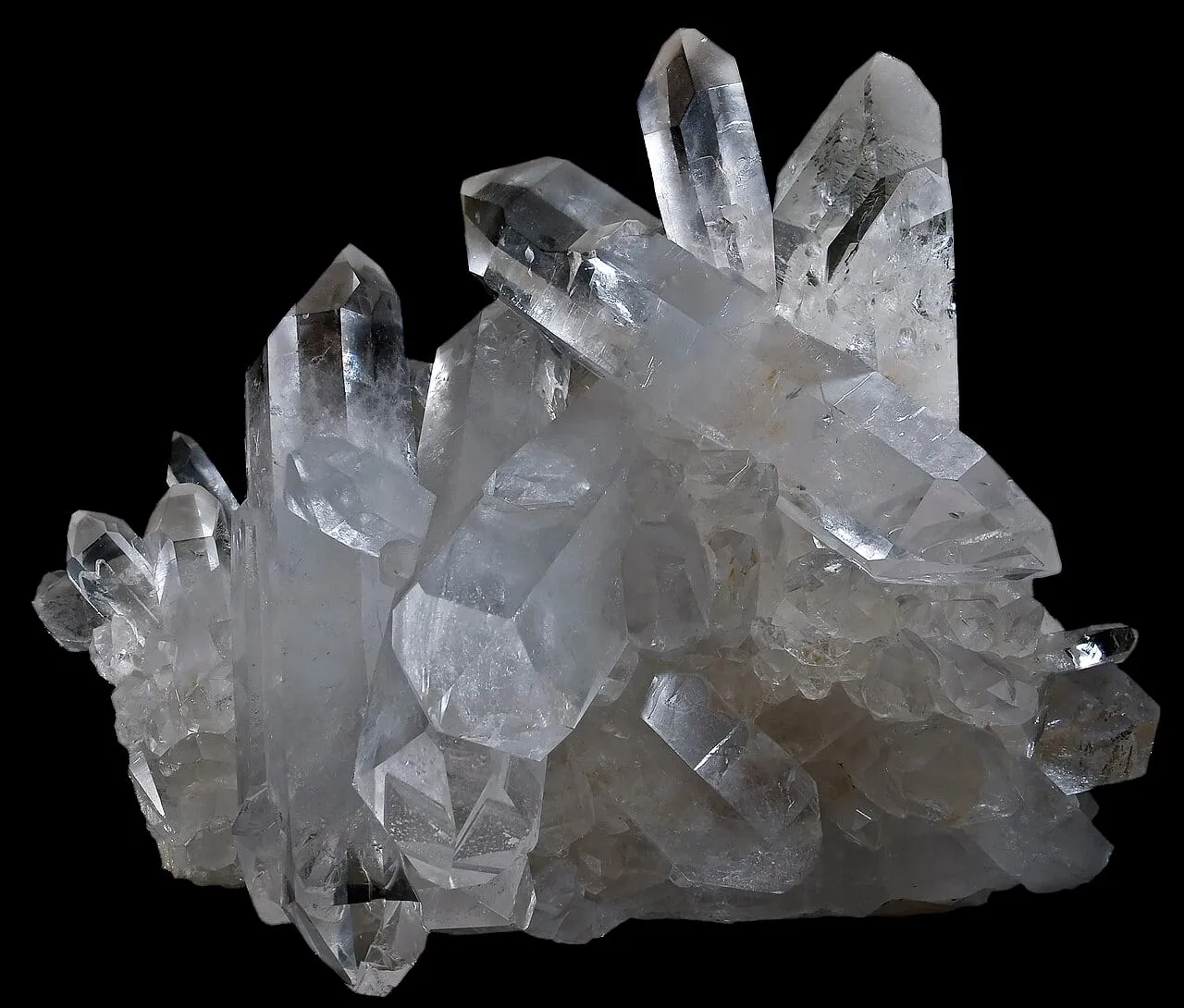
Quartz
The common root of sand, glass and amethyst — one of the most abundant minerals in Earth’s crust.
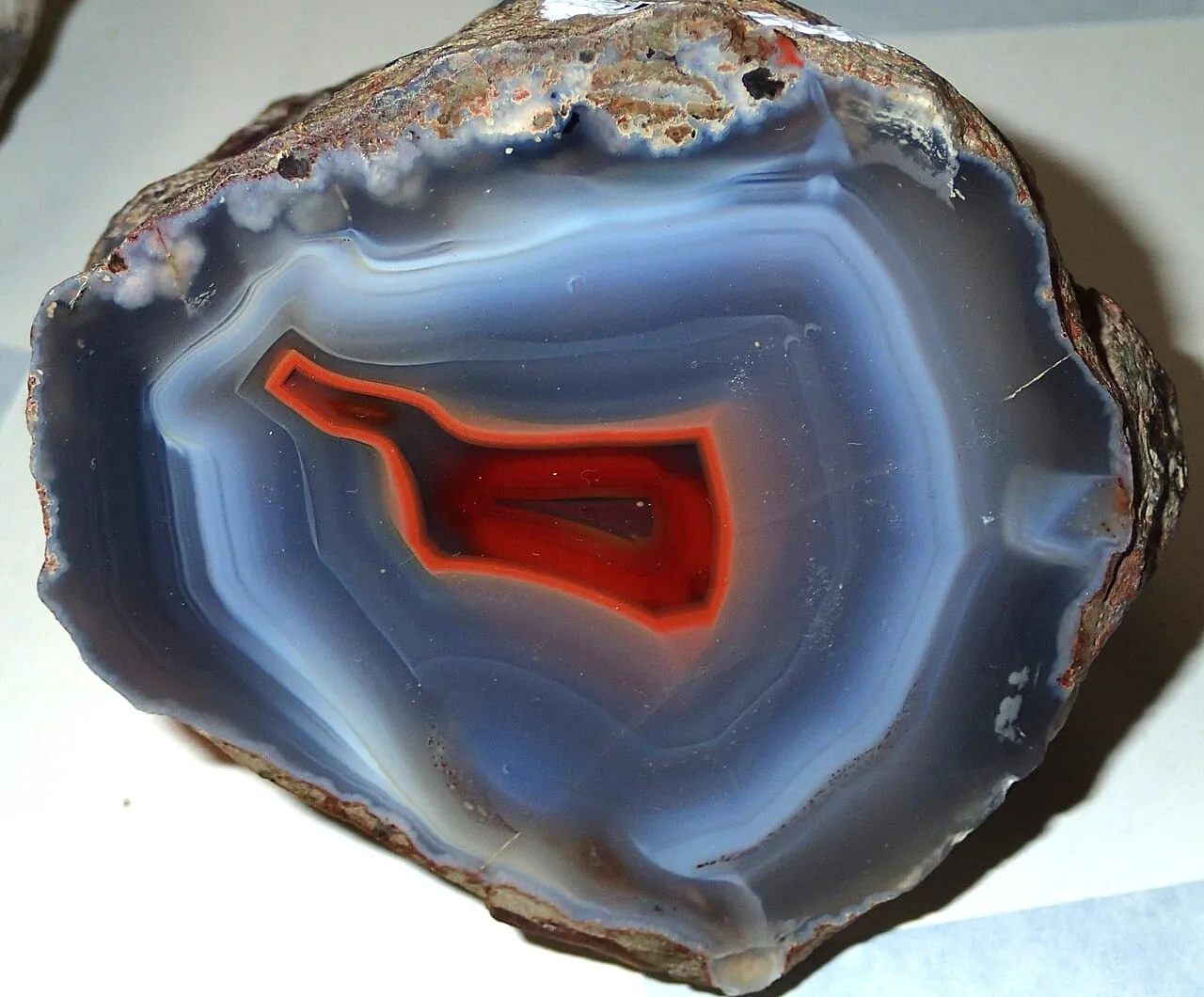
Agate
The banded variety of chalcedony: it grows layer by layer in hollows in volcanic rock and shows a new pattern every time it is cut.
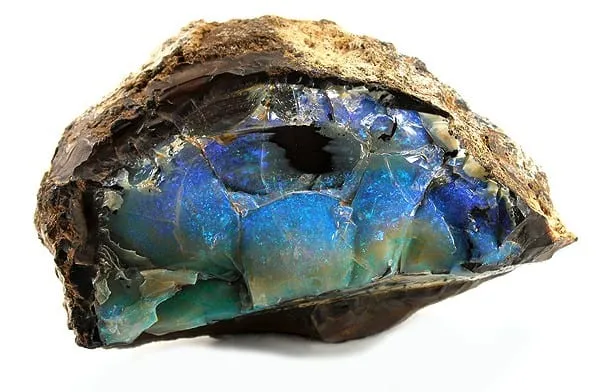
Opal
Water-bearing silica with no crystal structure: in precious opal, tiny stacked spheres split light into flashes of rainbow colour.
Oltu stone
Erzurum’s black treasure: a kind of jet made from coalified wood, famous for its prayer beads.
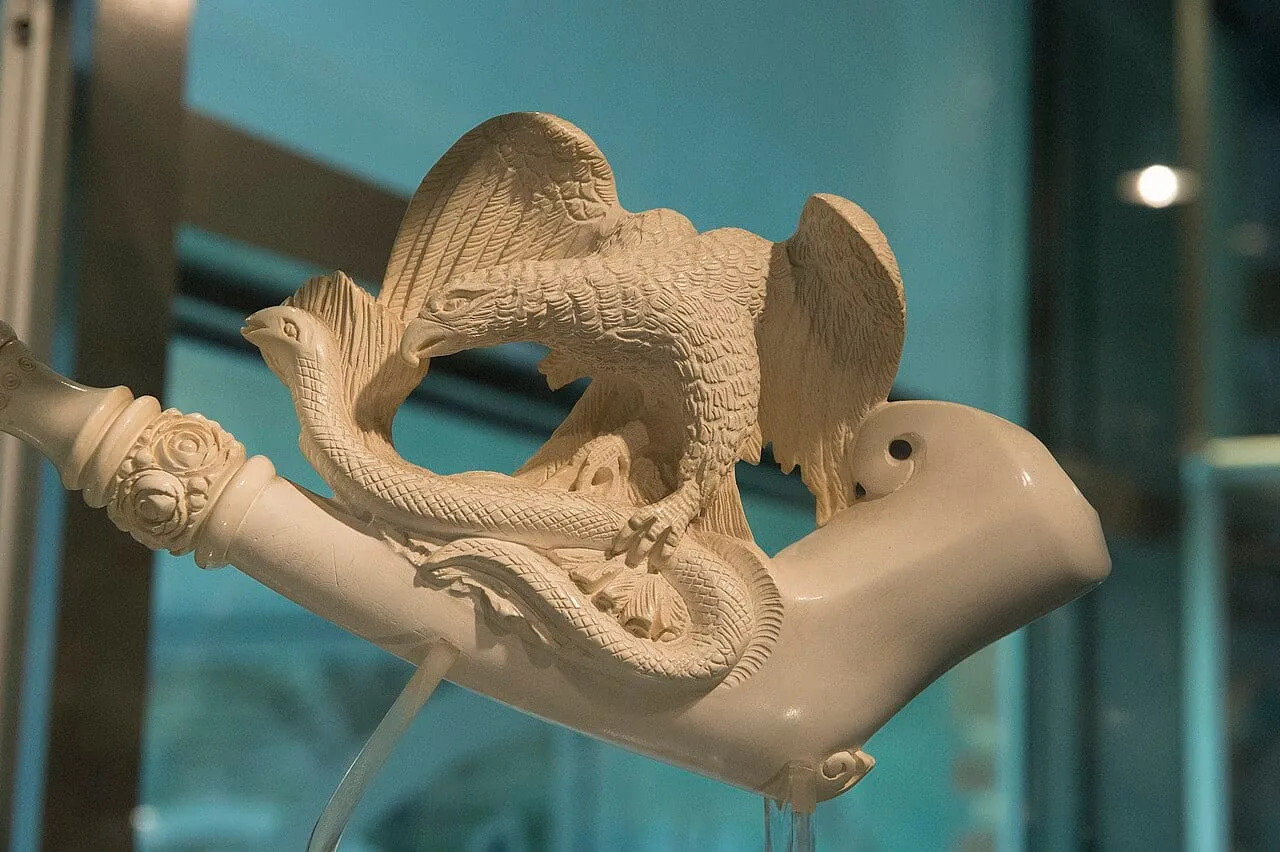
Meerschaum
A white stone light enough to float when dry and soft enough to carve: meerschaum, the raw material of Eskişehir's famous pipes.
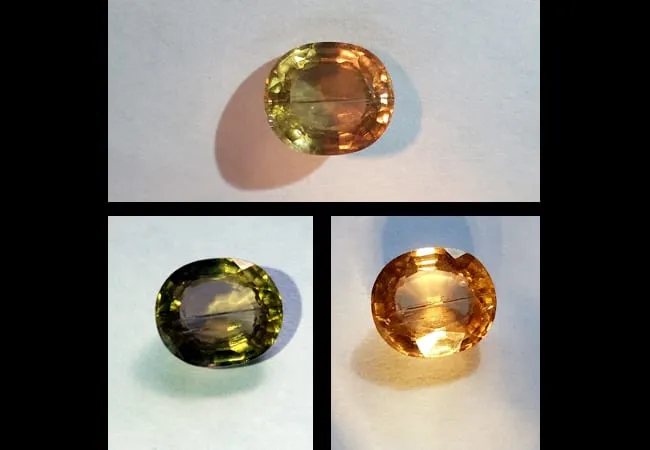
Diaspore
A rare mineral that looks greenish in daylight and pinkish under incandescent light; gem-quality material comes almost only from Muğla.
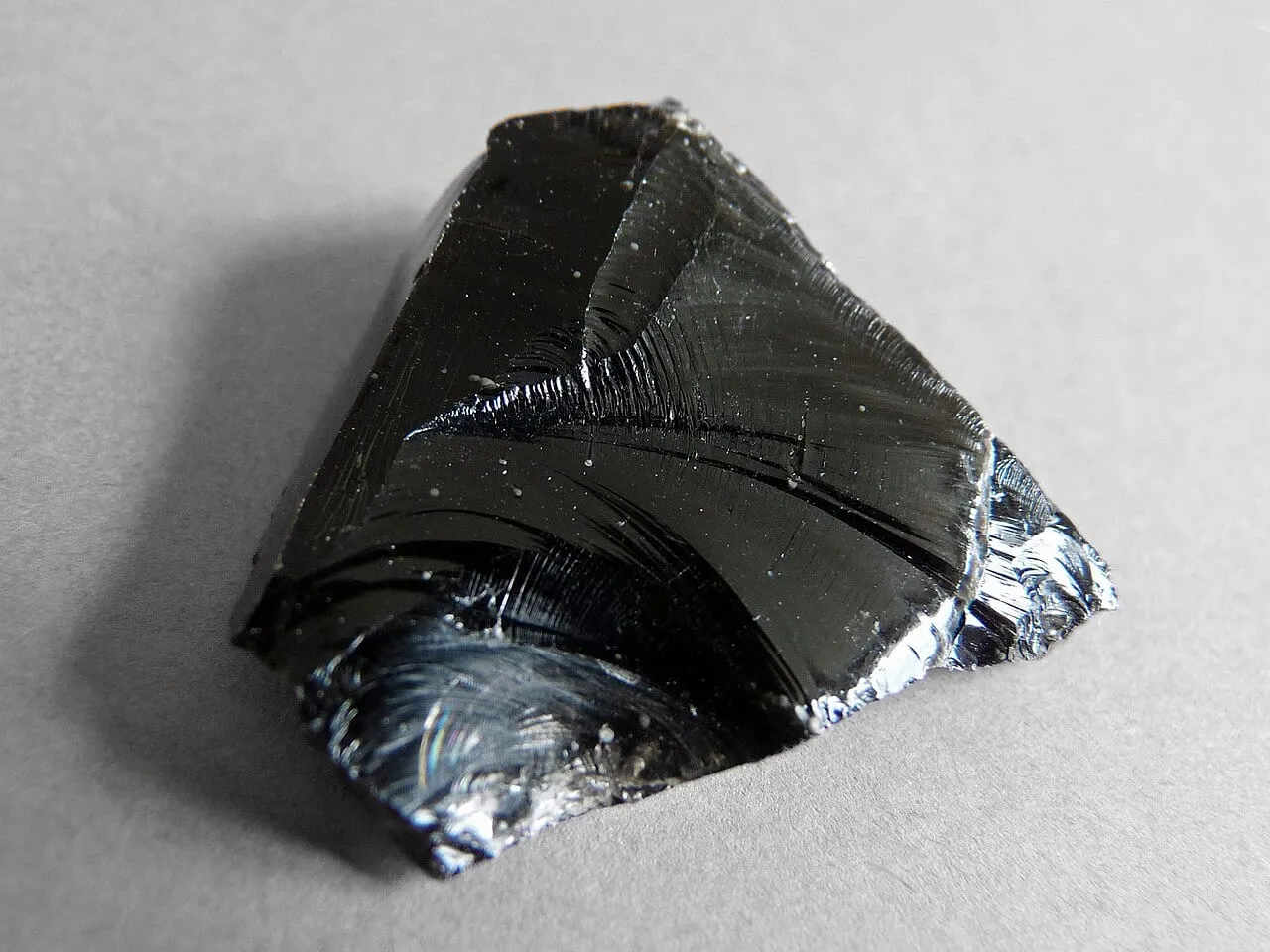
Obsidian
Nature’s volcanic glass — the shiny black stone that gave the Stone Age its sharpest blades.
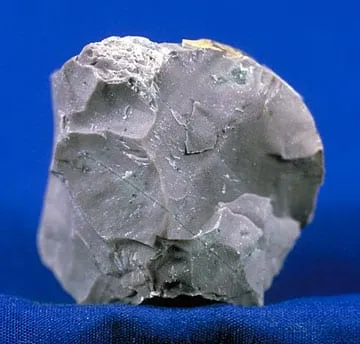
Chert and flint
The steel of the Stone Age: a hard silica rock that breaks into razor-sharp edges and throws sparks when struck with steel.
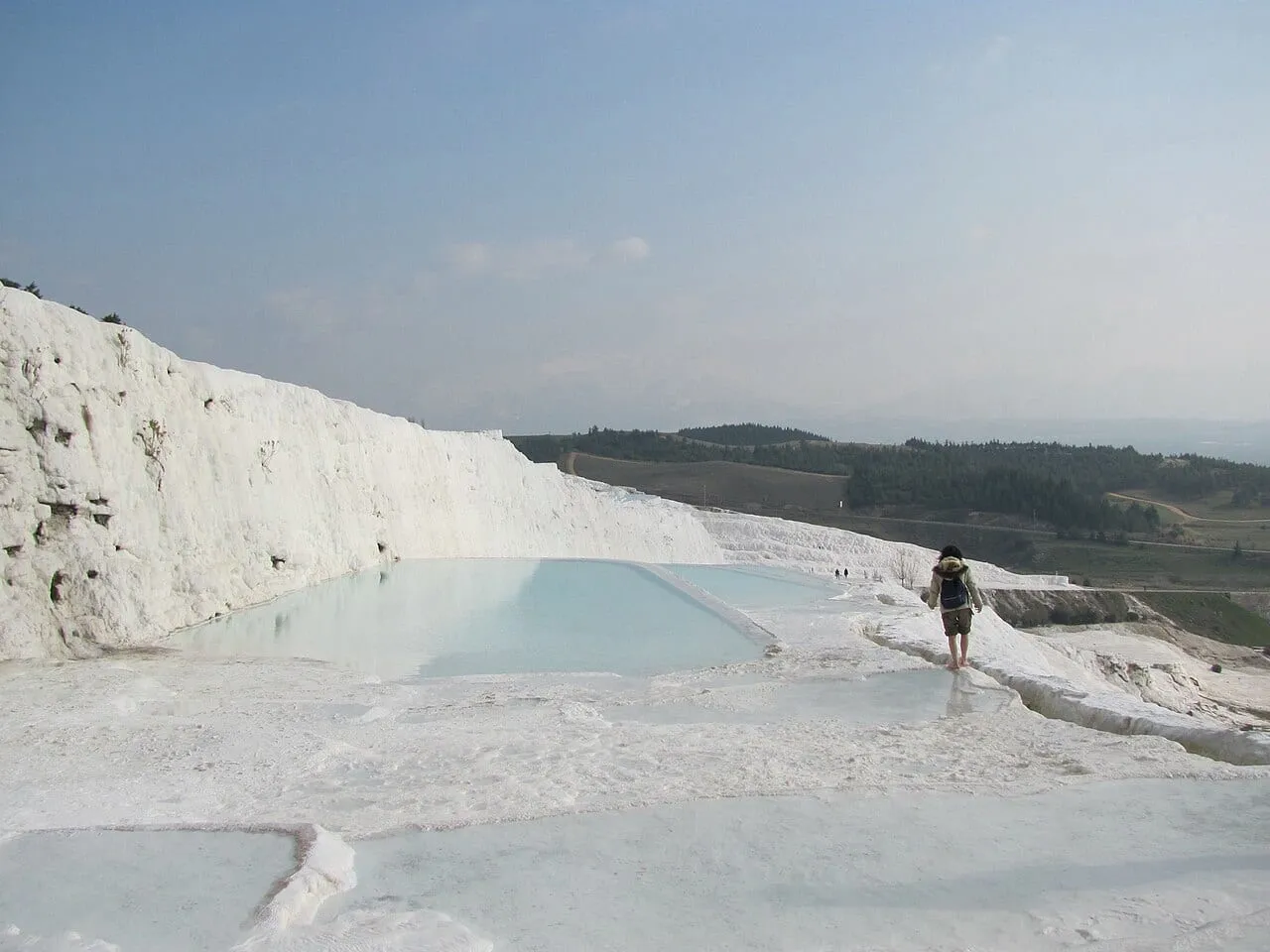
Travertine
Hot springs turned to stone: the rock of Pamukkale's snow-white terraces and the walls of the Colosseum.
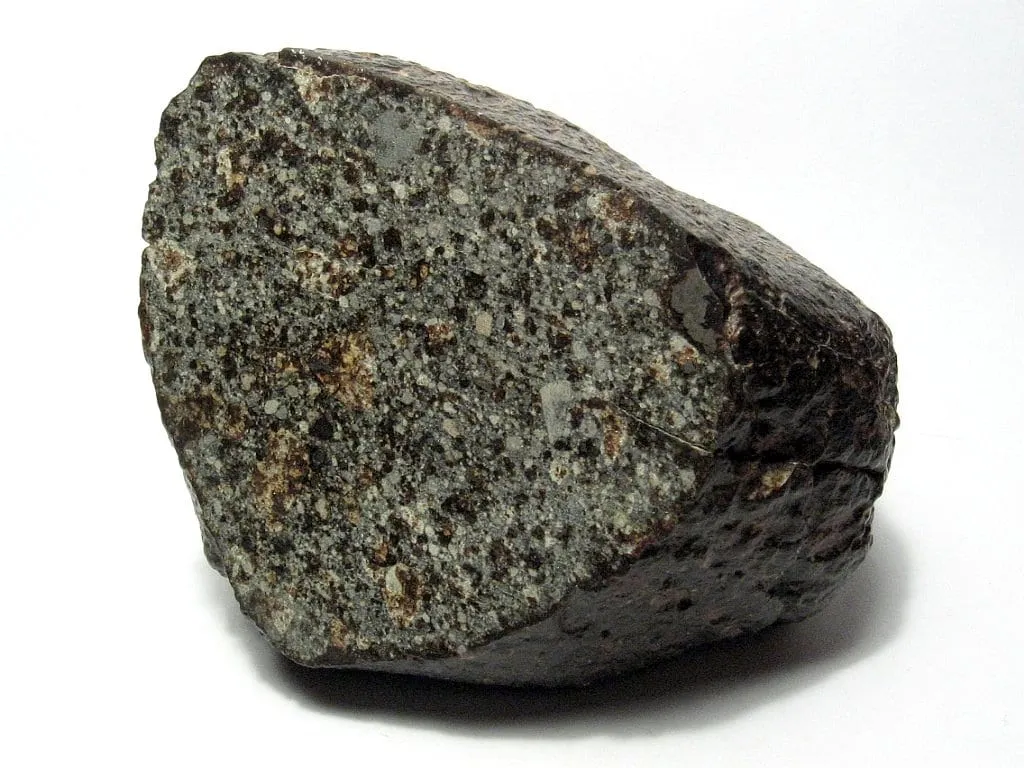
Chondrite
A leftover from the birth of the Solar System, full of tiny once-molten droplets, and the commonest kind of meteorite to fall to Earth.
Sources
- Law No. 2863 on the Conservation of Cultural and Natural Property (Kültür ve Tabiat Varlıklarını Koruma Kanunu) · Mevzuat Bilgi Sistemi (mevzuat.gov.tr), 1983
- Mining Law No. 3213 (Maden Kanunu) · Mevzuat Bilgi Sistemi (mevzuat.gov.tr), 1985
- National Parks Law No. 2873 (Milli Parklar Kanunu) · Mevzuat Bilgi Sistemi (mevzuat.gov.tr), 1983
- Coastal Law No. 3621 (Kıyı Kanunu) · Mevzuat Bilgi Sistemi (mevzuat.gov.tr), 1990
- Hierapolis-Pamukkale · UNESCO World Heritage Centre
- Voyager en Turquie : législation locale · Belgian Federal Public Service Foreign Affairs
- Belgians detained in Turkey for 'smuggling': Historical value of stones confirmed · The Brussels Times, 2023
- Türk bilim adamlarından 'meteor yasası' talebi (Turkish scientists call for a 'meteor law') · Memurlar.net, 2017