How are stones classified? Precious, semi-precious, mineral, rock
Science sorts stones into minerals, rocks, organic gems and meteorites; the trade into precious and semi-precious; folk lists by birth month and belief.
In everyday language we call almost everything a “stone”, from sand to diamonds and from pearls to meteorites, but science has no class called “stone”. Scientists sort stones by what they are made of and how they formed: minerals, rocks, mineraloids, organic gems and meteorites. Jewellers, laws and ordinary people rank them by value, use and belief instead: “precious”, “semi-precious”, “natural stone”, “birthstone”. The two kinds of ranking do not replace each other: one says what a stone is, the other how people see it.
They are all called stones, but they are not the same thing
| Group | What it means | Examples |
|---|---|---|
| Mineral | A natural substance with a definite composition and crystal structure | Quartz, diamond |
| Rock | A natural mixture of minerals | Granite, marble |
| Mineraloid | A mineral-like natural substance with no crystal structure | Opal, obsidian |
| Organic gem | Made by living things; not a mineral | Pearl, coral, amber |
| Meteorite | Rock or metal that fell from space | Chondrite |
| Everyday name | Not a scientific species but a name from daily life | Sand, gravel, soil, paving stones |
On this site these are listed under Everyday names, with the rocks and minerals they are made of. For the difference between minerals and rocks, see Mineral or rock?
Are pearl and coral stones? In the jewellery trade, yes: CIBJO, the World Jewellery Confederation, counts organic materials used in jewellery as gemstones. Scientifically they are not minerals, because living things make them. The gemmologist George F. Kunz wrote in 1913 that the pearl “is not a stone in any sense of the word”, yet it is June’s birthstone today.
How science classifies stones
Minerals: by chemistry
New minerals are approved by the International Mineralogical Association (IMA). Its list updated in September 2026 contains 6,239 valid mineral species, and the number grows every year.
Minerals fall into ten classes by chemical composition, such as elements, sulfides, oxides, carbonates and silicates. This is the Nickel–Strunz system, set up by the German mineralogist Hugo Strunz in 1941, updated with Ernest Nickel in 2001 and supported by the IMA. The older Dana system, first published in 1837, is used mainly in the United States. This site’s classification tree follows Nickel–Strunz.
Many jewellers’ names are colour varieties of a mineral: ruby and sapphire are both corundum, and tanzanite is a variety of zoisite. Science looks at the species, the trade at the variety.
Rocks: by origin
Rocks fall into three families by how they formed: igneous rocks from cooling molten rock, sedimentary rocks from piled-up fragments and deposits, and metamorphic rocks from existing rocks changed by heat and pressure (see The rock cycle).
The names of igneous rocks are set by a subcommission of the International Union of Geological Sciences (IUGS); coarse-grained rocks such as granite, for instance, are named by their proportions of quartz and feldspar. Of the 1,637 terms in the subcommission’s 2002 glossary, only 316 are recommended names. So “how many kinds of rock are there?” has no exact answer.
The trade’s ranking: precious, semi-precious, ornamental
In the traditional split, four stones are “precious”: diamond, ruby, sapphire and emerald. All other gemstones are called “semi-precious”. The list has changed over time: amethyst was once a precious stone, but lost that place after large deposits were found in Brazil in the 19th century.
Gemmologists (gem specialists) find the split misleading, because quality matters more than species. A vivid, clean tanzanite can be worth far more than a pale, cloudy sapphire. That is why CIBJO’s standard is blunt: the term “semi-precious” is misleading and shall not be used. In the same standard, “precious stone” is not a separate class but simply another word for gemstone. What decides quality is explained in What is a gemstone?
What laws and customs say
- US Federal Trade Commission (FTC): its jewellery guides, revised in 2018, still use the words “precious” and “semi-precious” but never define which stones are which; they only call it deceptive to describe artificially produced products as “precious”, “semi-precious”, “natural”, “real” or “genuine”.
- International customs classification (the Harmonized System) still groups gems under “precious stones (other than diamonds) and semi-precious stones”, with rubies, sapphires and emeralds in a subheading of their own.
- Türkiye’s Mining Law No. 3213 makes no such split: in Group V of its article 2, diamond, sapphire, ruby and emerald sit alongside agate, opal, amethyst, turquoise, amber, Oltu stone and meerschaum. Block marble and granite are in Group II, construction sand and gravel in Group I (see Is collecting stones legal?).
Ornamental, natural and worthless stones
- Ornamental stone: CIBJO’s term for gemstones used in decorative objects; it is also used for carving and bead stones such as agate, onyx and jade.
- Natural stone: in the building trade, building and cladding stone such as marble, travertine and granite; in a jewellery shop, “not glass, plastic or a laboratory product”. Neither meaning says anything about value.
- Worthless stone: science has no such class. A single pebble is worth nothing, yet millions of tonnes of sand and gravel are the raw material of concrete and roads (see Is my stone valuable?).
Folk lists: birthstones, zodiac stones, chakras
Birthstones
The modern list of a stone for each month was standardised in August 1912 in Kansas City by a US trade body, the National Association of Jewelers (now Jewelers of America). The list was updated in 1952; tanzanite was added to December in 2002 and spinel to August in 2016. Tanzanite was only discovered in 1967, so this is not an ancient belief but a living marketing tradition. The month-by-month list is on the beliefs page.
Zodiac stones
Zodiac stone lists vary from source to source. Even Kunz’s 1913 book records several month and zodiac lists that disagree: in a Hindu list he quotes, sapphire belongs to July and ruby to August, while in the modern list ruby is July’s stone and sapphire September’s. Different sources today still give different stones for the same sign, and none has a scientific basis.
Chakra colours
Chakras come from Indian traditions, but giving them the colours of the rainbow is a 20th-century Western idea. According to Kurt Leland, writing for the Theosophical Society, single colours in spectral order were first assigned to the chakras in the 1930s, and colours and psychological qualities first appeared together only in 1977. Stone–chakra lists usually follow these colours (red stones for the root chakra, purple ones for the crown) and spread with the New Age movement.
Traditions from Türkiye
- Oltu stone prayer beads: Oltu stone, from the Oltu district of Erzurum, is best known for its prayer beads (tespih). A common belief holds that the beads draw static electricity out of the body, but Oltu stone does not conduct electricity.
- Turquoise and blue stones: the belief that blue stones and beads protect people from harm is old, and studies of the meanings Ottoman Divan poets gave turquoise mention it too. In Anatolia turquoise (firuze) is also worn against the evil eye.
- Agate rings: according to the TDV Encyclopedia of Islam, reports attributed to the Prophet Muhammad, of disputed authenticity, that agate is blessed and that an agate ring keeps poverty away made silver rings set with agate popular.
These meanings are part of culture, but they are not health information; for healing claims, see Healing crystals: what science says.
On this site, both classes side by side
From the street to the diamond: the value ladder
The value ladder on the home page ranks stones in nine steps and explains what drives value at each one:
| Step | Name | Examples |
|---|---|---|
| 1 | Everywhere, worthless | River pebbles, sand |
| 2 | Raw material by the tonne | Crushed stone, limestone |
| 3 | Building and industrial stone | Granite, andesite |
| 4 | Fine dimension stone and ore | Marble blocks, boron ore |
| 5 | Ornamental stone | Amethyst, agate |
| 6 | Fine ornamental and collector stone | Turquoise, Oltu stone |
| 7 | Precious stone | Emerald, sapphire |
| 8 | Top precious stone | Ruby, diamond |
| 9 | Museum-grade rarity | Coloured diamonds, historic jewels |
The ladder shows the typical place of a species; even two stones of the same species can differ enormously with quality. It is not investment advice.
The “Popularly” label
Next to its scientific class, every stone page shows how people commonly class the stone: the amethyst page, for example, reads “Popularly: Semi-precious stone”. We use seven popular classes: precious stone, precious metal (gold, silver), semi-precious stone, natural stone (building and decor), ore and raw material, common stone and meteorite. We show “semi-precious” not because it is a sound class, but because people search by that name. Where relevant, the page also gives the birth month, the areas of belief and how far those beliefs are from science.
You can filter the list of all stones by popular class (for example semi-precious stones) or by area of belief, and sort it by conflict with science. Who holds each belief, and what science says about it, is on the beliefs pages.
Quick questions, quick answers
What does semi-precious mean?
It is an old trade name for gemstones other than diamond, ruby, sapphire and emerald, not a scientific class. CIBJO, the World Jewellery Confederation, considers the term misleading and says it should not be used, because quality matters more than species in deciding a stone's worth.
What is the most valuable gemstone?
There is no single answer: colour, clarity, size and rarity matter as much as species. Diamond and ruby are generally counted among the most valuable gems, and according to GIA the rarest coloured diamonds are pure red ones. A poor stone of the same species is worth far less.
Are coral and pearl stones?
In the jewellery trade, yes: both count as organic gems. Scientifically they are not minerals, because living things make them; pearl is calcium carbonate made by molluscs, and coral is calcium carbonate made by marine animals.
How many kinds of stones are there?
The International Mineralogical Association's September 2026 list contains 6,239 valid mineral species, and the number grows every year. Rocks have no closed list; the international glossary of igneous rocks alone contains 1,637 terms. Only a small share of all these are used as gems.
Who decided the birthstone list?
The most widely used list today was adopted in 1912 in Kansas City by the National Association of Jewelers (now Jewelers of America), a US trade body. Jewellery organisations have updated it since, adding tanzanite in 2002 and spinel in 2016. It is a trade tradition, not a scientific one.
Are zodiac stones real?
Zodiac stone lists vary from source to source, and different lists give different stones for the same sign. There is no scientific link between a stone and a star sign or birth month; these lists are cultural and commercial traditions.
Stones in this guide
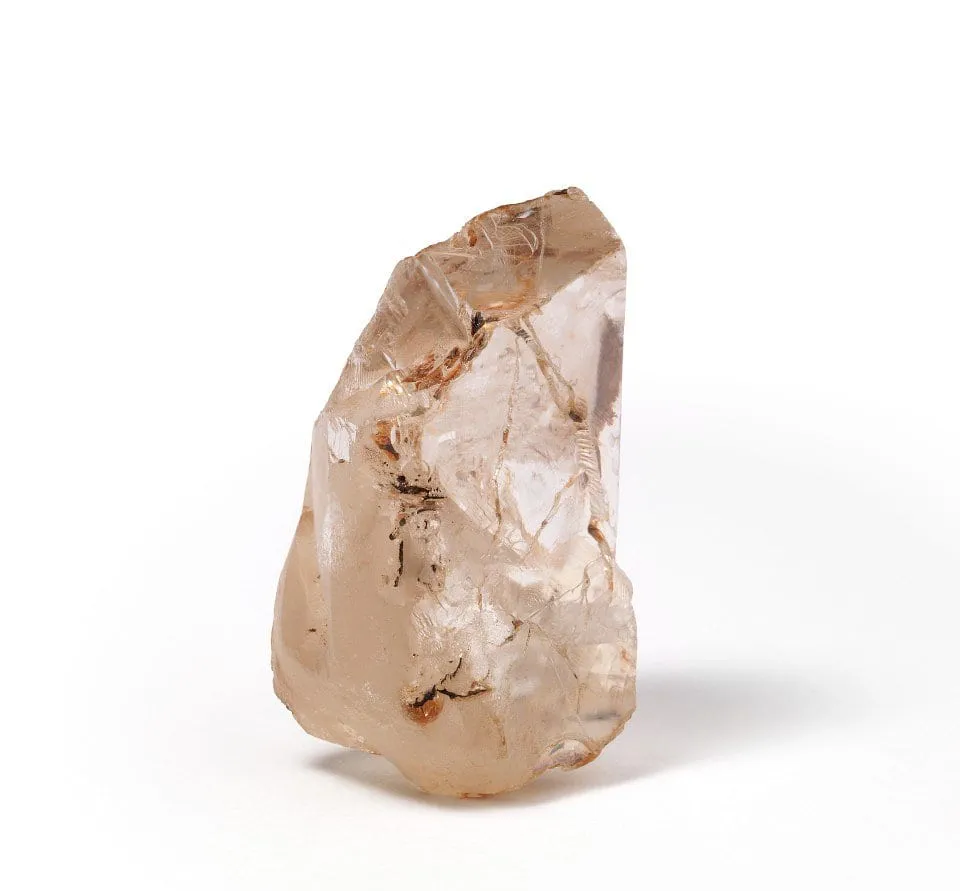
Diamond
Pure carbon and the hardest known natural mineral: it forms about 150–200 km deep and reaches the surface in volcanic eruptions.
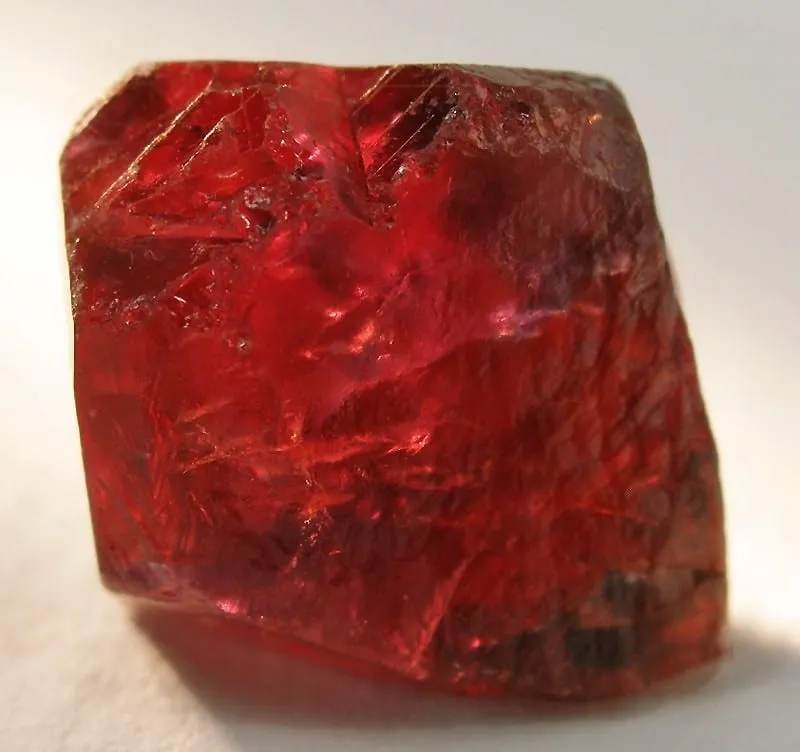
Ruby
Corundum coloured red by chromium: one of the world's most famous gems, able to glow red under ultraviolet light.
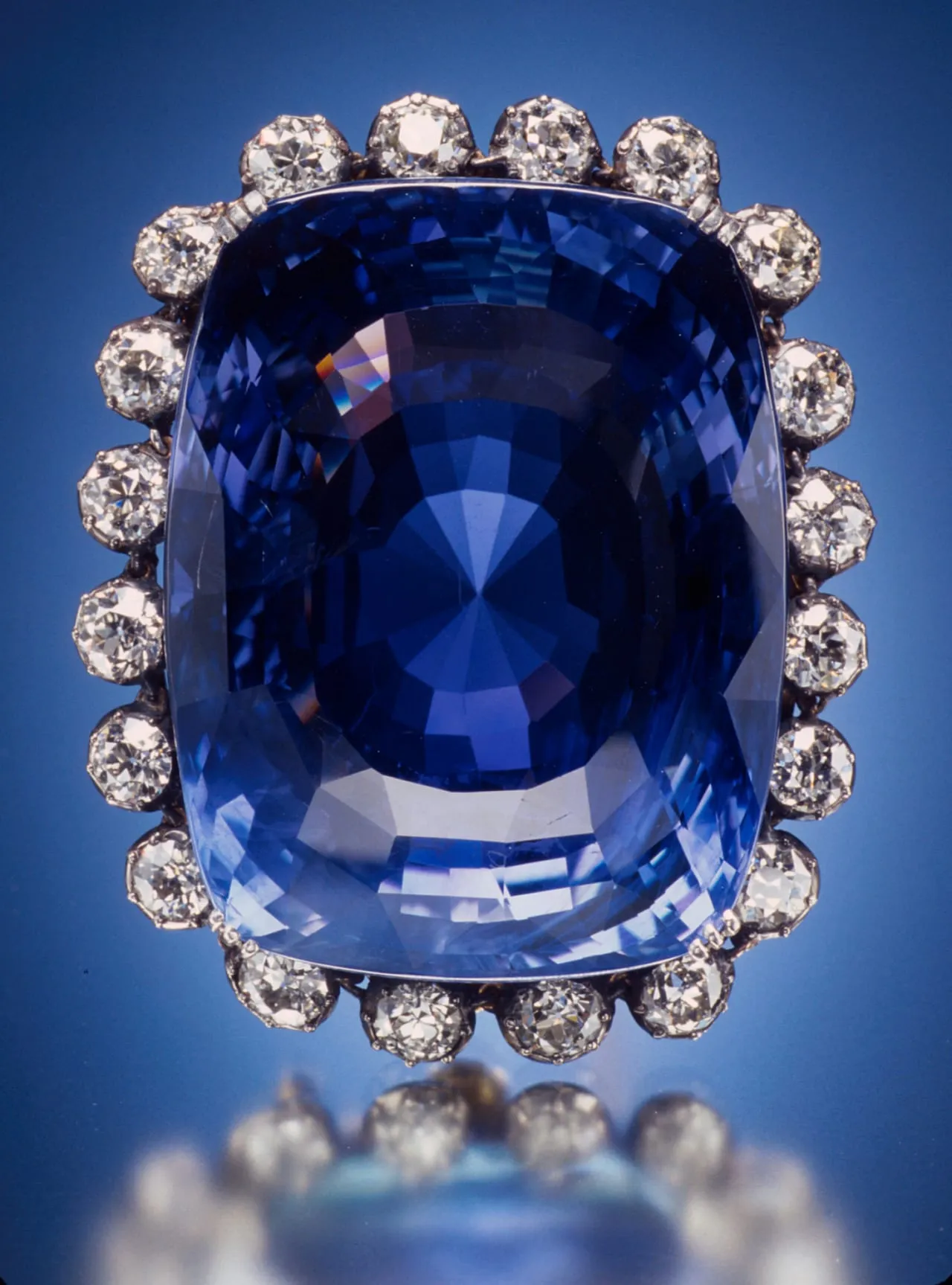
Sapphire
Corundum in almost any colour except red; the most famous is the blue sapphire, coloured by iron and titanium.
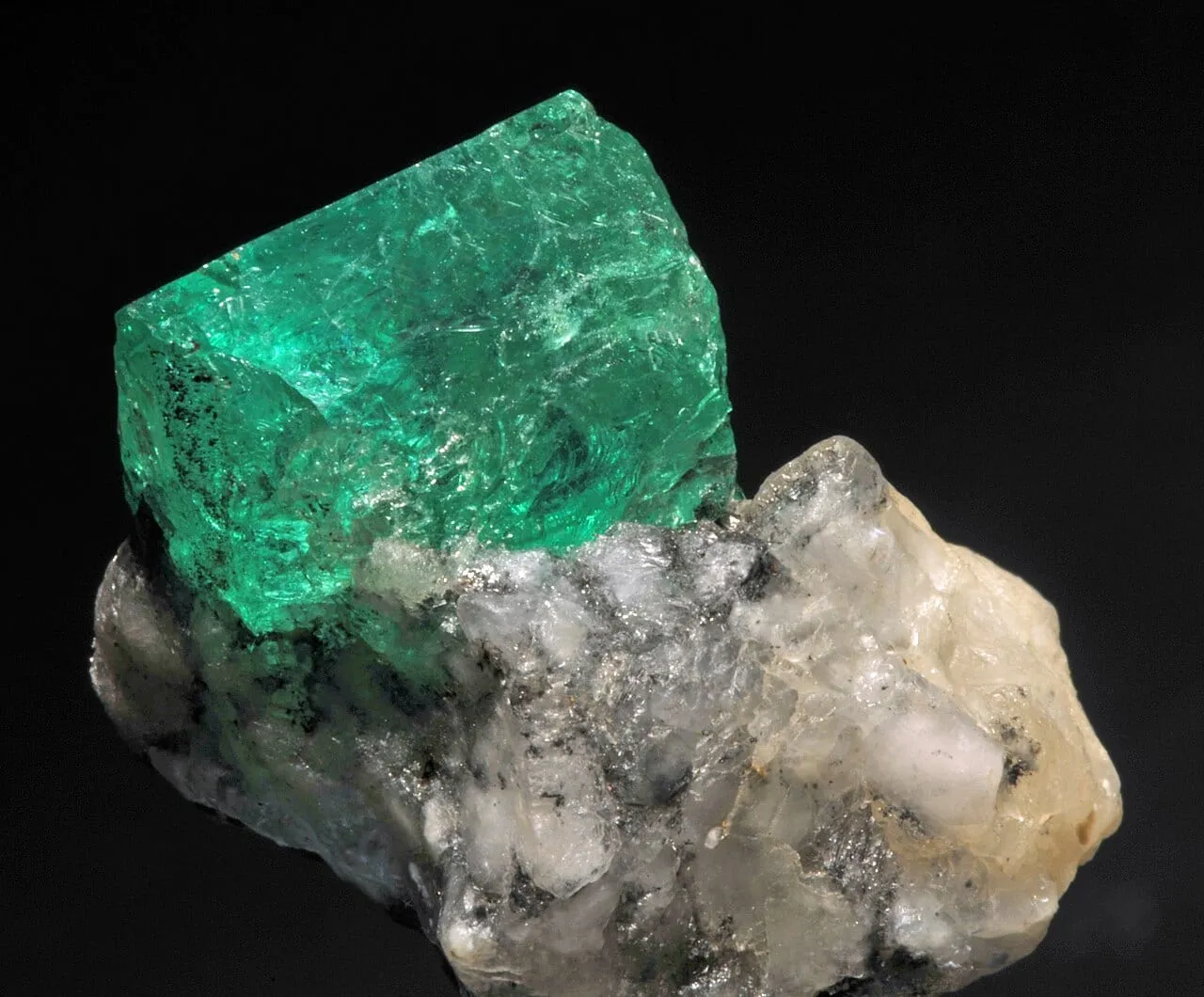
Emerald
Beryl turned green by chromium and vanadium: the world's most famous green gem, almost always full of inclusions.
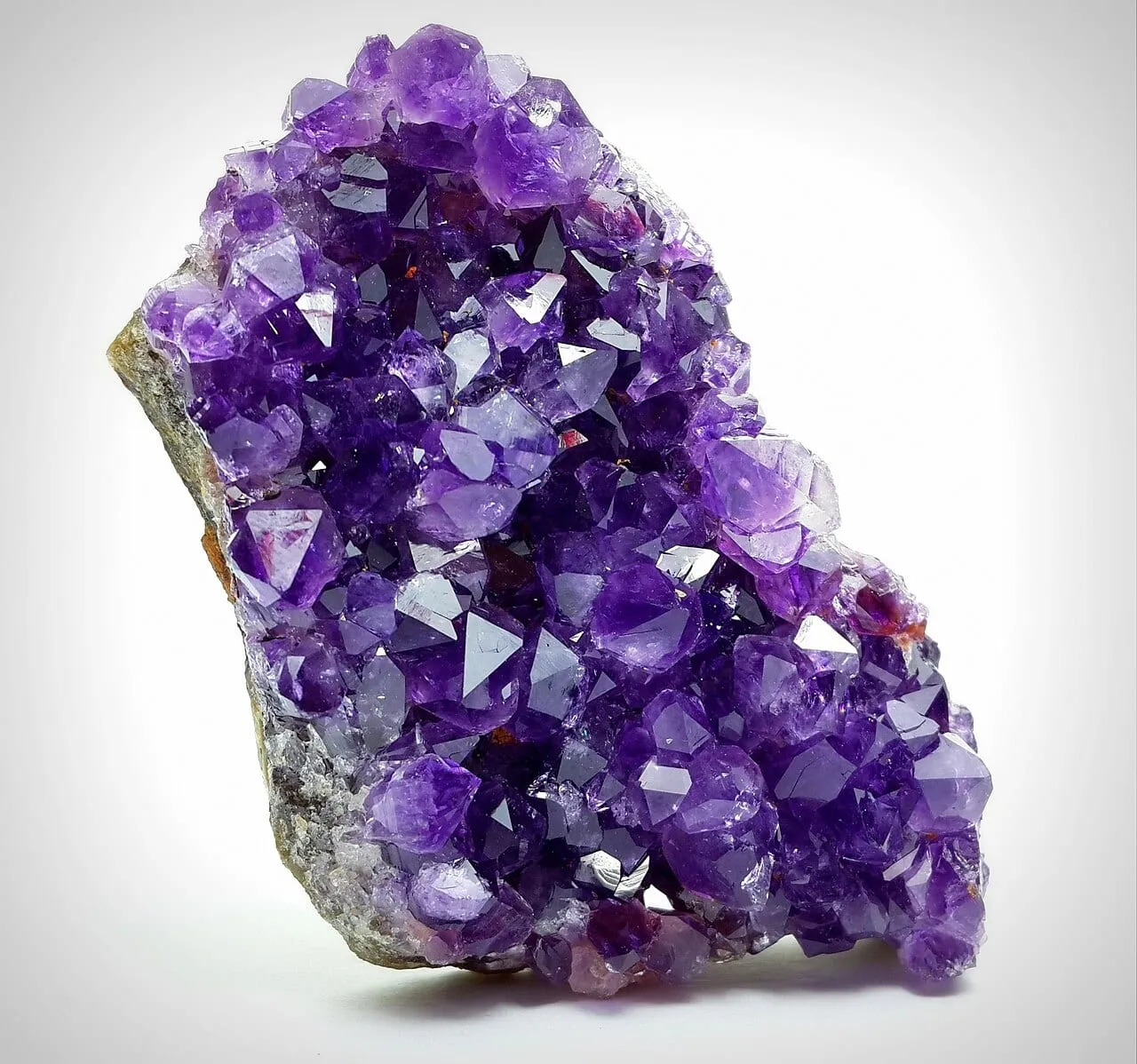
Amethyst
The purple variety of quartz, coloured by traces of iron working together with natural radiation.
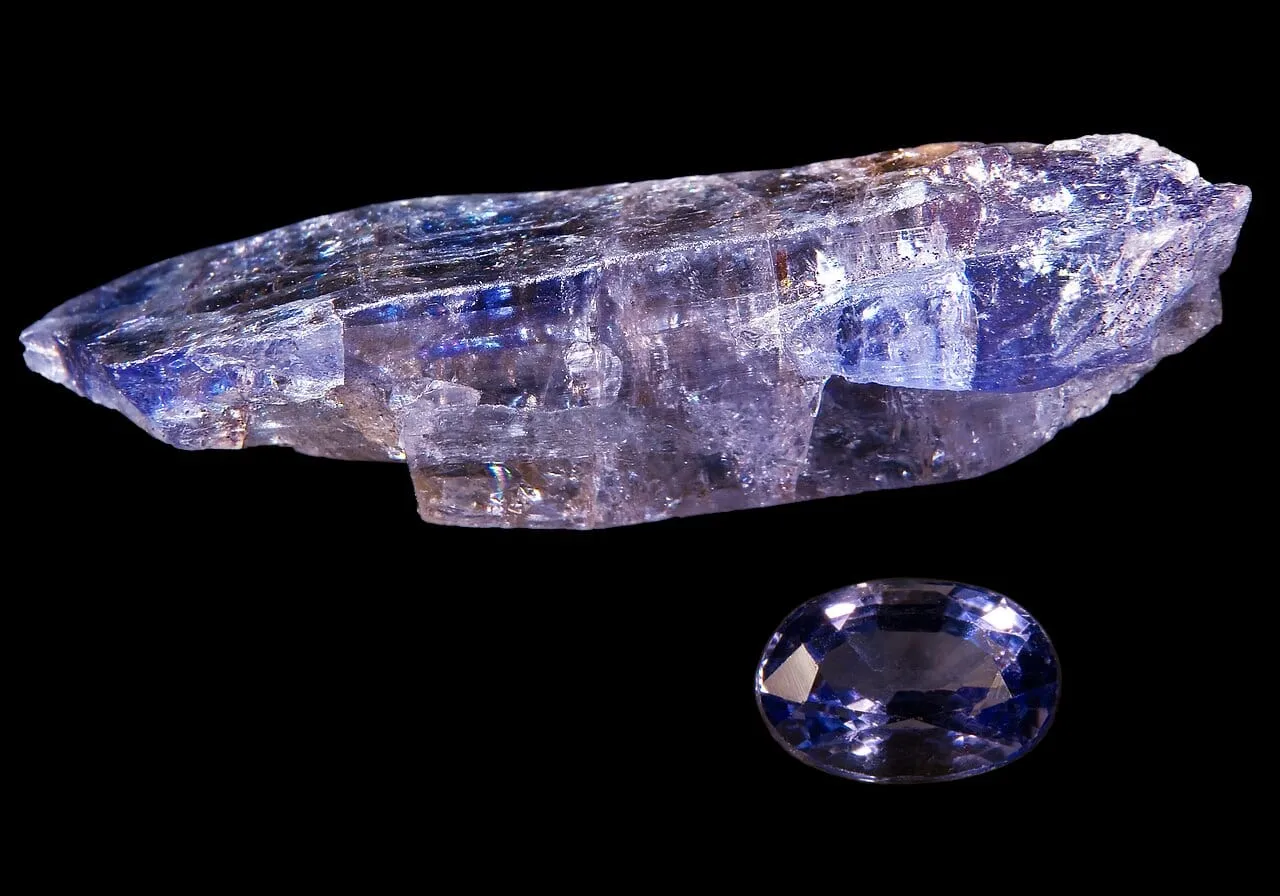
Tanzanite
Zoisite that looks blue or violet depending on the viewing direction, mined commercially in just one small area of Tanzania.
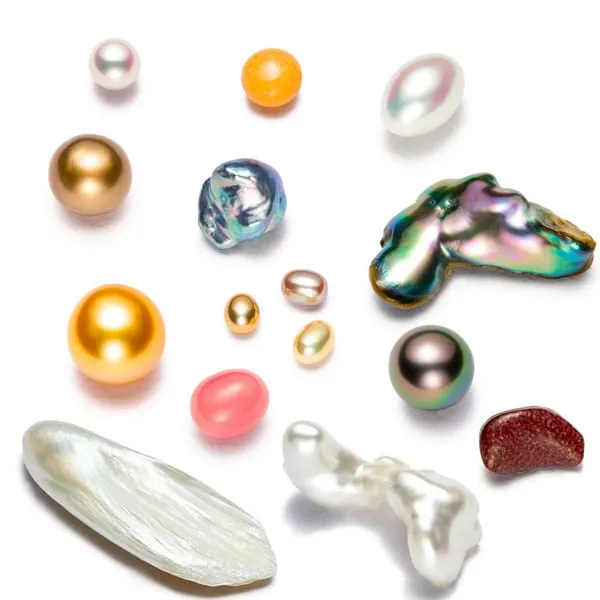
Pearl
An organic gem that grows layer by layer inside oysters and mussels and glows without any cutting or polishing.
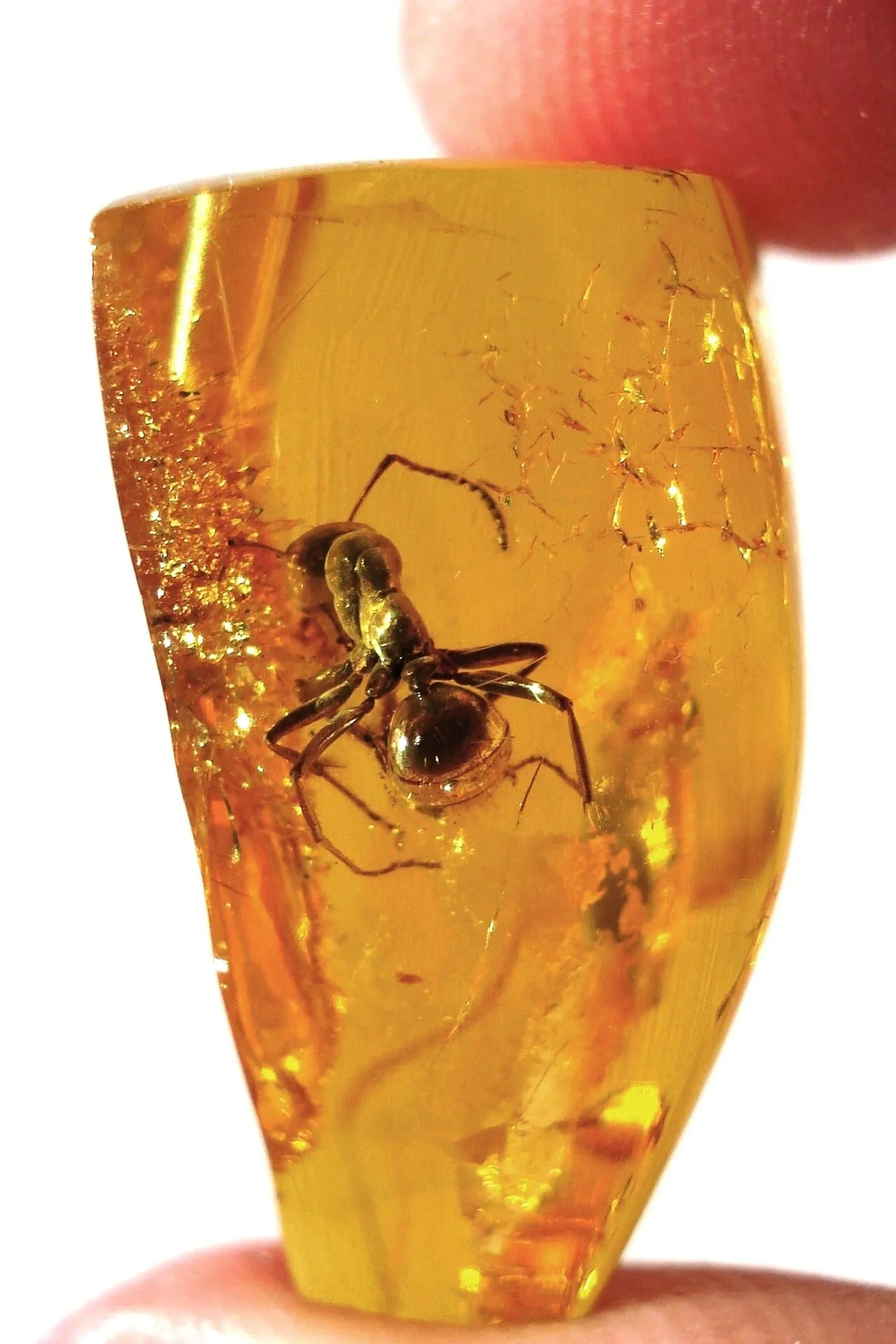
Amber
Tree resin fossilised over millions of years: a light, warm organic gem that sometimes holds prehistoric insects.
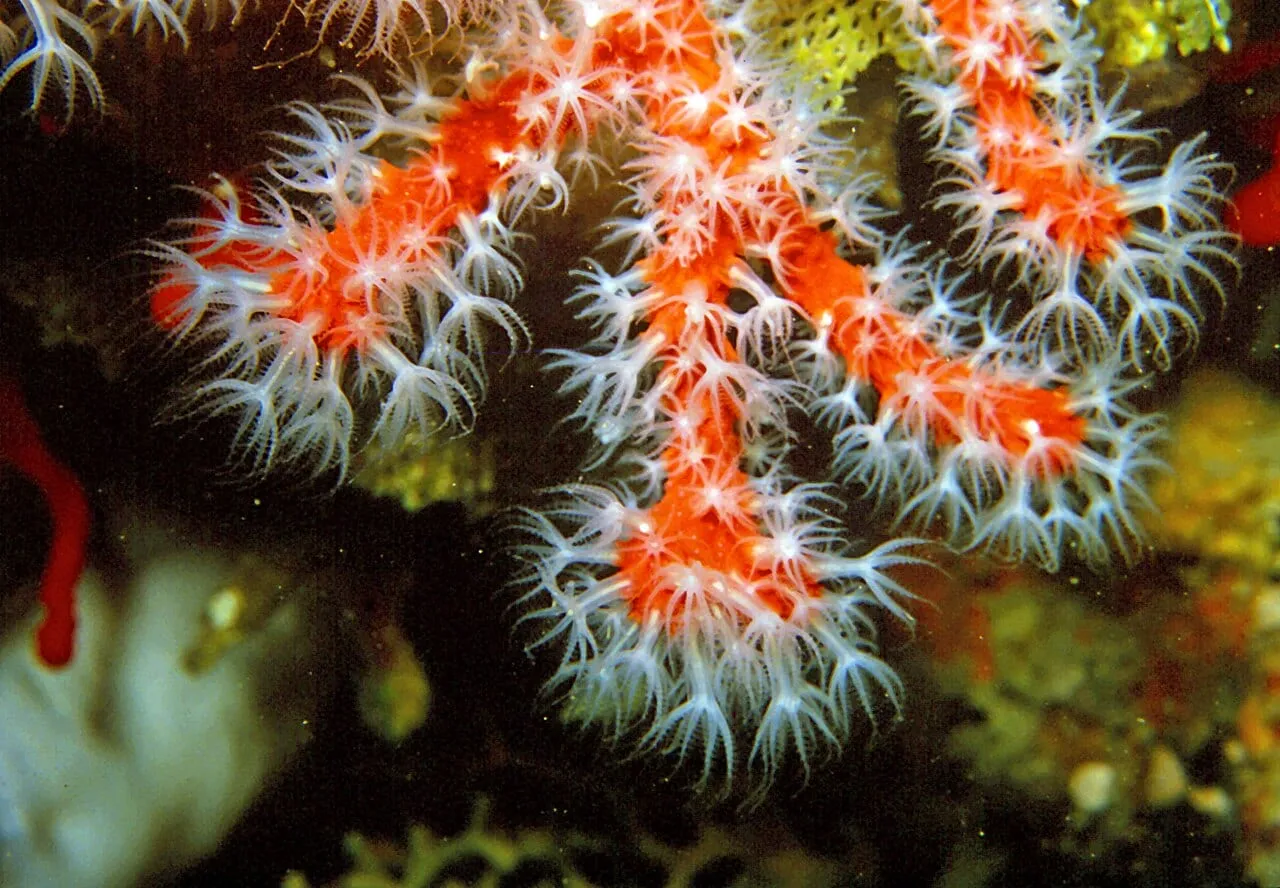
Coral
The red limestone skeleton of tiny deep-sea animals: an organic gem that grows so slowly it needs protecting.
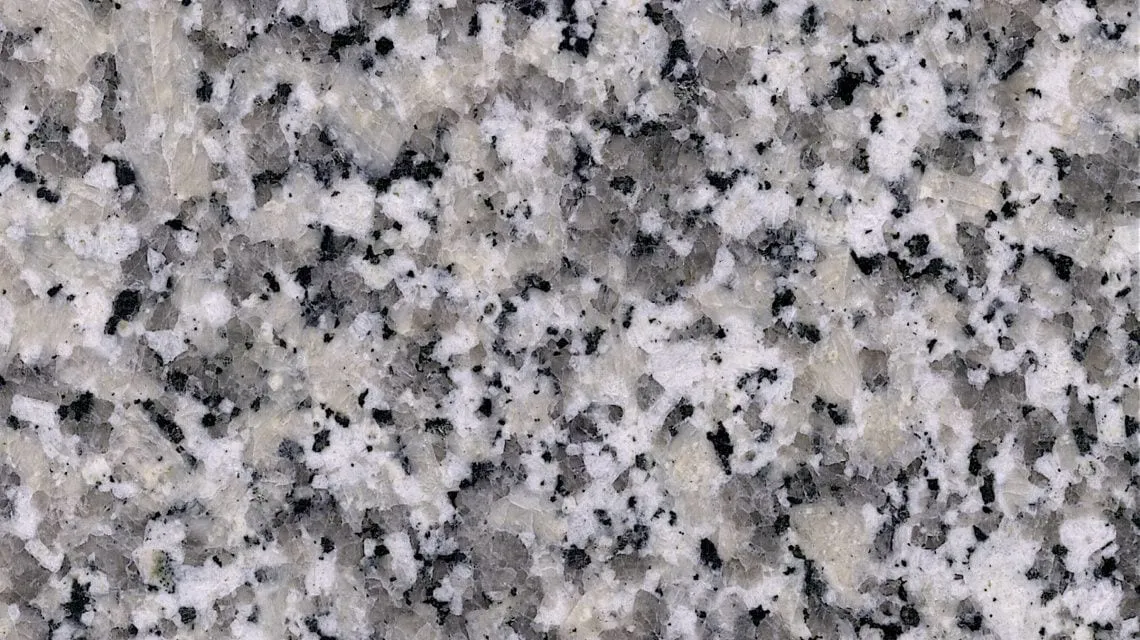
Granite
From kitchen worktops to monuments: a tough, coarse-grained rock born from magma that cooled slowly deep underground.
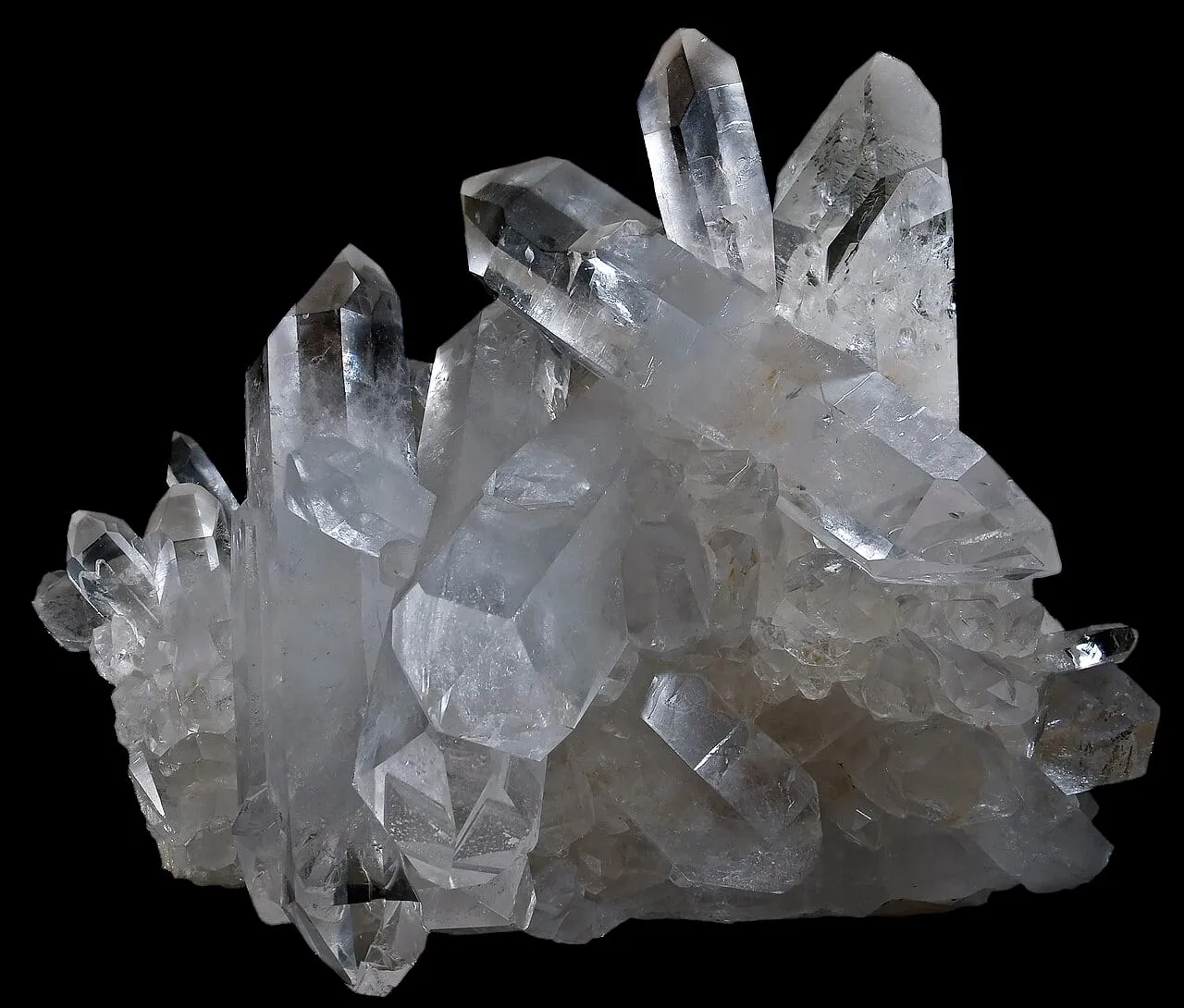
Quartz
The common root of sand, glass and amethyst — one of the most abundant minerals in Earth’s crust.
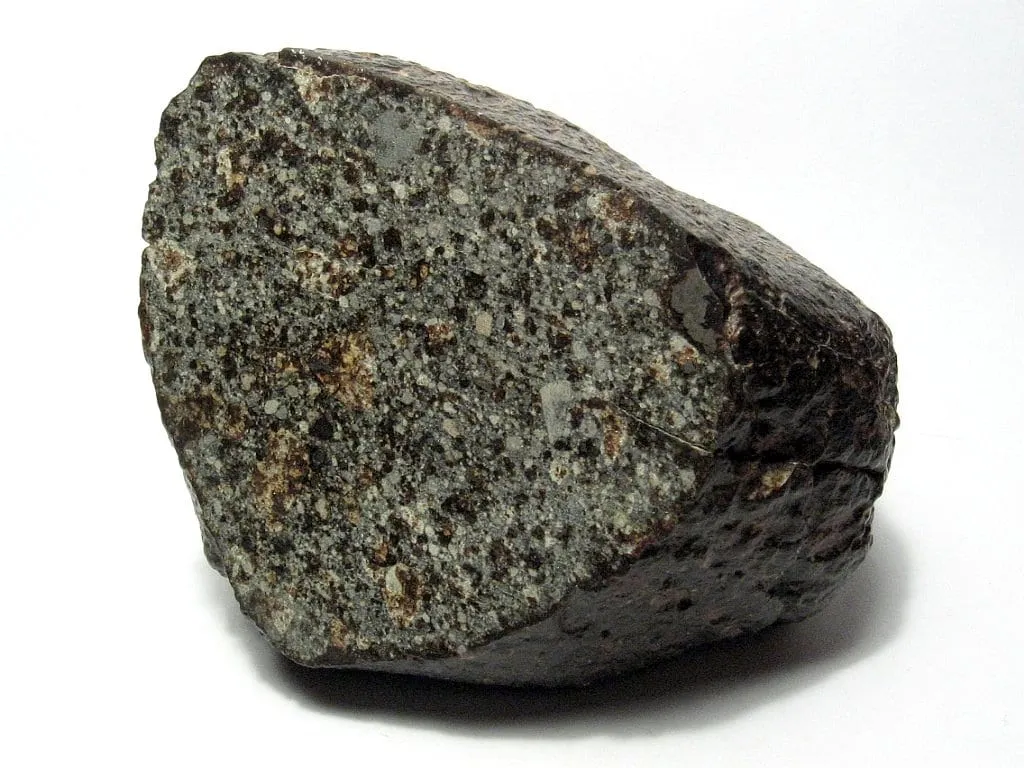
Chondrite
A leftover from the birth of the Solar System, full of tiny once-molten droplets, and the commonest kind of meteorite to fall to Earth.
Sources
- The Gemstone Book · CIBJO (The World Jewellery Confederation), 2022
- Guides for the Jewelry, Precious Metals, and Pewter Industries (16 CFR Part 23), Federal Register 83(159) · U.S. Federal Trade Commission, 2018
- Harmonized System Nomenclature 2022, heading 71.03 · World Customs Organization, 2022
- Maden Kanunu (Mining Law) No. 3213, article 2 · Mevzuat Bilgi Sistemi (Presidency of the Republic of Türkiye)
- The New IMA List of Minerals – Updated: September 2026 · International Mineralogical Association, CNMNC, 2026
- Nickel–Strunz classification · Wikipedia
- Dana classification system · Wikipedia
- Igneous Rocks: A Classification and Glossary of Terms (Le Maitre et al., IUGS Subcommission on the Systematics of Igneous Rocks) · Cambridge University Press, 2002
- Gemstone · Wikipedia
- Red Diamonds – The Rarest of them All · Gemological Institute of America (GIA), 2014
- Birthstones · Gemological Institute of America (GIA)
- Birthstone · Wikipedia
- The Curious Lore of Precious Stones (George F. Kunz, 1913) · Project Gutenberg
- The Rainbow Body: How the Western Chakra System Came to Be (Kurt Leland), Quest 105(2) · Theosophical Society in America, 2017
- Yüzük [Ring] (Mustafa Sabri Küçükaşcı, İsmail Yalçın) · TDV İslâm Ansiklopedisi, vol. 44, 2013
- Divan Şairlerinin Mavi Mücevherleri: Firuze, Lâciverd, Mina ve Safir [The blue jewels of Divan poets] (Fatıma Aydın), Fikriyat 2(2) · DergiPark, 2023
- Oltu Taşı — Geographical Indication Registration (No. 192) · TÜRKPATENT, 2012