Stones of Türkiye: from Oltu stone and boron to Cappadocian tuff and Kula
Oltu stone, meerschaum, zultanite, boron, chromium, Afyon marble, Denizli travertine, Cappadocian tuff, Ahlat stone and the Kula geopark: Türkiye's key stones.
Türkiye’s stones stand out worldwide in several ways. According to Eti Maden, about 73% of the world’s boron reserves are in Türkiye, and according to the U.S. Geological Survey (USGS), Türkiye is the world’s second-largest producer of chromite. Oltu stone from Erzurum, meerschaum from Eskişehir and colour-change diaspore (zultanite) from Muğla are the ornamental stones that have made the country known abroad, while Afyon marble, Denizli travertine, Cappadocian tuff and Ahlat stone have been used as building stones for thousands of years.
This article introduces Türkiye’s most notable stones, where they are found and where you can see them.
At a glance
| Stone | Where? | Why it matters |
|---|---|---|
| Oltu stone | Oltu, Erzurum | Organic stone, a kind of jet; geographical indication |
| Meerschaum | Eskişehir | Sepiolite carved into pipes and ornaments; geographical indication |
| Zultanite (diaspore) | İlbir Mountains, Milas, Muğla | Main known source of gem-quality colour-change diaspore |
| Boron minerals | Kırka, Emet, Bigadiç | Most of the world’s reserves |
| Chromite | Elazığ (Guleman), Muğla and other ophiolite areas | World’s second-largest producer |
| Marble | Marmara Island, Afyonkarahisar and elsewhere | Famous quarries since antiquity |
| Travertine | Denizli, Pamukkale | Building stone with a designation of origin; UNESCO site |
| Tuff and ignimbrite | Cappadocia, Ahlat | Fairy chimneys and Seljuk gravestones |
| Basalt | Kula, Manisa | UNESCO Global Geopark |
Ornamental stones linked with Türkiye
Oltu stone
Mined from small galleries in the Oltu district of Erzurum, Oltu stone is an organic stone formed from coalified wood; mineralogists know it as jet. According to its geographical indication certificate, it is about 78% carbon, surprisingly light in the hand, becomes charged by friction and attracts light objects, and leaves a brown powder when rubbed on sandpaper. It is soft when it comes out of the ground and hardens as it is exposed to air. The name “Oltu Taşı” has been protected by a geographical indication since 2012. How to tell it from imitations is explained in our fake gemstones guide.
Meerschaum
Meerschaum, the mineral sepiolite, is a white, light and porous clay mineral. Because it is soft and easy to carve, it is used above all for pipes and ornaments. Eskişehir is famous for its meerschaum deposits, and “Eskişehir Lületaşı” (Eskişehir meerschaum) has been a registered geographical indication since 1999.
Zultanite: colour-change diaspore
In the İlbir Mountains near Milas in Muğla province, transparent, gem-quality diaspore crystals occur in bauxite deposits. The stone is sold under trade names such as zultanite and csarite. Its most striking feature is a change of colour: the same stone looks greenish or pinkish-orange depending on the light source. The İlbir Mountains are the main known source of this gem-quality diaspore.
Minerals: boron and chromium
Boron
Boron minerals are used mostly in the glass and ceramics industries, and also in everything from cleaning products and insulation to semiconductor manufacturing. According to Eti Maden, Türkiye holds about 73% of the world’s boron reserves. The USGS 2026 report also lists the largest reserves for Türkiye, while noting that a world total cannot be calculated because countries report their data in different ways. According to the same report, 90% of the boron the United States imported in 2021–2024 came from Türkiye.
The main deposits are:
- Kırka (Eskişehir): Borax (tincal). According to Eti Maden, the Kırka-Sarıkaya formation has the largest share of the world’s tincal reserves.
- Emet (Kütahya): Colemanite. According to the USGS, about 70% of Türkiye’s boron deposits are colemanite.
- Bigadiç (Balıkesir): Colemanite and ulexite.
Chromium
Chromium is an essential ingredient of stainless steel and is obtained from the mineral chromite. According to the USGS 2026 report, Türkiye is the world’s second-largest producer of chromite after South Africa. Türkiye’s chromite deposits usually occur as lens-shaped bodies in ophiolites, slices of ancient ocean floor thrust onto land; the Guleman area in Elazığ and the Köyceğiz-Fethiye area in Muğla are well-known examples.
Building stones that shaped history
Marble: Marmara and Afyon
The Sea of Marmara takes its name from the marble quarries of Marmara Island. The grey-veined white marble of the island, known in antiquity as Proconnesus, was shipped all over the Mediterranean in Roman and Byzantine times and used in buildings such as Hagia Sophia. The İscehisar district of Afyonkarahisar is the site of ancient Docimium; the white marble with purple veins quarried there (pavonazzetto) was used in the buildings of Roman emperors such as Augustus, Trajan and Hadrian. İscehisar is still known today for its marble quarries and factories.
Denizli travertine and Pamukkale
Travertine is a porous limestone deposited by hot springs rich in calcium carbonate. The brilliant white terraces of Pamukkale are a place where this process is still going on, and together with the ancient city of Hierapolis they have been on the UNESCO World Heritage List since 1988. Stone quarried from Denizli’s travertine basins is registered as a designation of origin under the name “Denizli Traverteni” and is used for building and cladding.
Cappadocian tuff
Cappadocia’s fairy chimneys formed as wind and water eroded layers of volcanic ash, that is tuff and ignimbrite, left by eruptions of volcanoes such as Erciyes and Hasan millions of years ago. Because the rock is soft and easy to carve, churches, homes and underground cities were dug into it. “Göreme National Park and the Rock Sites of Cappadocia” has been on the UNESCO World Heritage List since 1985. You can read how such rocks form in our rock cycle article.
Ahlat stone
The volcanic rock known locally as “Ahlat stone” in Ahlat, on the shore of Lake Van, is an ignimbrite. Easy to work, it was used for the carved gravestones of the Ahlat Seljuk Cemetery, which is on UNESCO’s World Heritage Tentative List. Today scientists study how lichens and moisture are wearing these gravestones away.
Volcanoes and geoparks: Kula
The area around Kula in Manisa province is a geologically very young volcanic field: about 80 scoria cones and dark basalt lava flows lie side by side. In antiquity the region was called Katakekaumene, the “burnt land”; the geographer Strabo was the first to describe this volcanic belt. The Kula area joined the European and Global Geoparks Networks in 2013, becoming Türkiye’s first geopark, and today it is the Kula-Salihli UNESCO Global Geopark. Geoparks are areas where geological heritage is managed together with education and sustainable tourism.
Where can you see Türkiye’s stones?
- MTA Şehit Cuma Dağ Natural History Museum (Ankara): Run by the General Directorate of Mineral Research and Exploration (MTA), the museum opened in 1968 and displays more than 5,000 specimens: minerals, rocks, fossils and meteorites from Türkiye and around the world. The museum’s gemmology laboratory also examines stones for the public; see Is my stone valuable? for details.
- On site: At Pamukkale, in Cappadocia, in the Kula-Salihli Geopark and in Ahlat you can see the stones in their natural setting or in historic buildings.
When you travel, remember that taking stones from protected areas, archaeological sites and shores is prohibited or requires permission. For details, see Is collecting stones legal?
Quick questions, quick answers
Which stones are unique to Türkiye?
The best known are Oltu stone from Erzurum, meerschaum from Eskişehir and the colour-change diaspore from Muğla, also sold as zultanite. Similar materials occur elsewhere, but Oltu stone and Eskişehir meerschaum are protected by geographical indications, and Muğla is the main known source of gem-quality diaspore.
How much of the world's boron does Türkiye have?
According to Eti Maden, Türkiye holds about 73% of the world's boron reserves. The U.S. Geological Survey (USGS) also lists Türkiye with the largest reserves, but notes that a world total cannot be calculated because countries report their data in different ways.
What is Oltu stone?
A black, light, organic stone from the Oltu district of Erzurum, formed from coalified wood; mineralogists know it as jet. It is used for prayer beads and jewellery and has been protected by a geographical indication since 2012.
What is zultanite and where does it come from?
Zultanite is a trade name for gem-quality diaspore from the İlbir Mountains near Milas in Muğla province. Depending on the light source, it changes colour between greenish and pinkish-orange.
Does Türkiye have a UNESCO Global Geopark?
Yes: the Kula-Salihli UNESCO Global Geopark in Manisa province. The Kula area joined the European and Global Geoparks Networks in 2013, becoming Türkiye's first geopark; it is known for its young volcanic cones and lava flows.
Where can I see a collection of Turkish rocks and minerals?
The MTA Şehit Cuma Dağ Natural History Museum in Ankara opened in 1968 and displays more than 5,000 specimens, including minerals, rocks, fossils and meteorites.
Stones in this guide
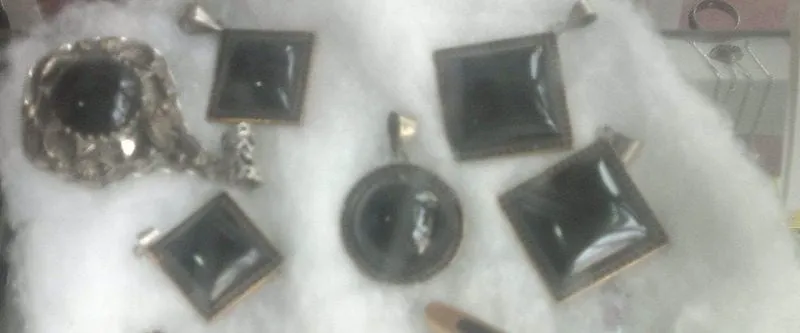
Oltu stone
Erzurum’s black treasure: a kind of jet made from coalified wood, famous for its prayer beads.
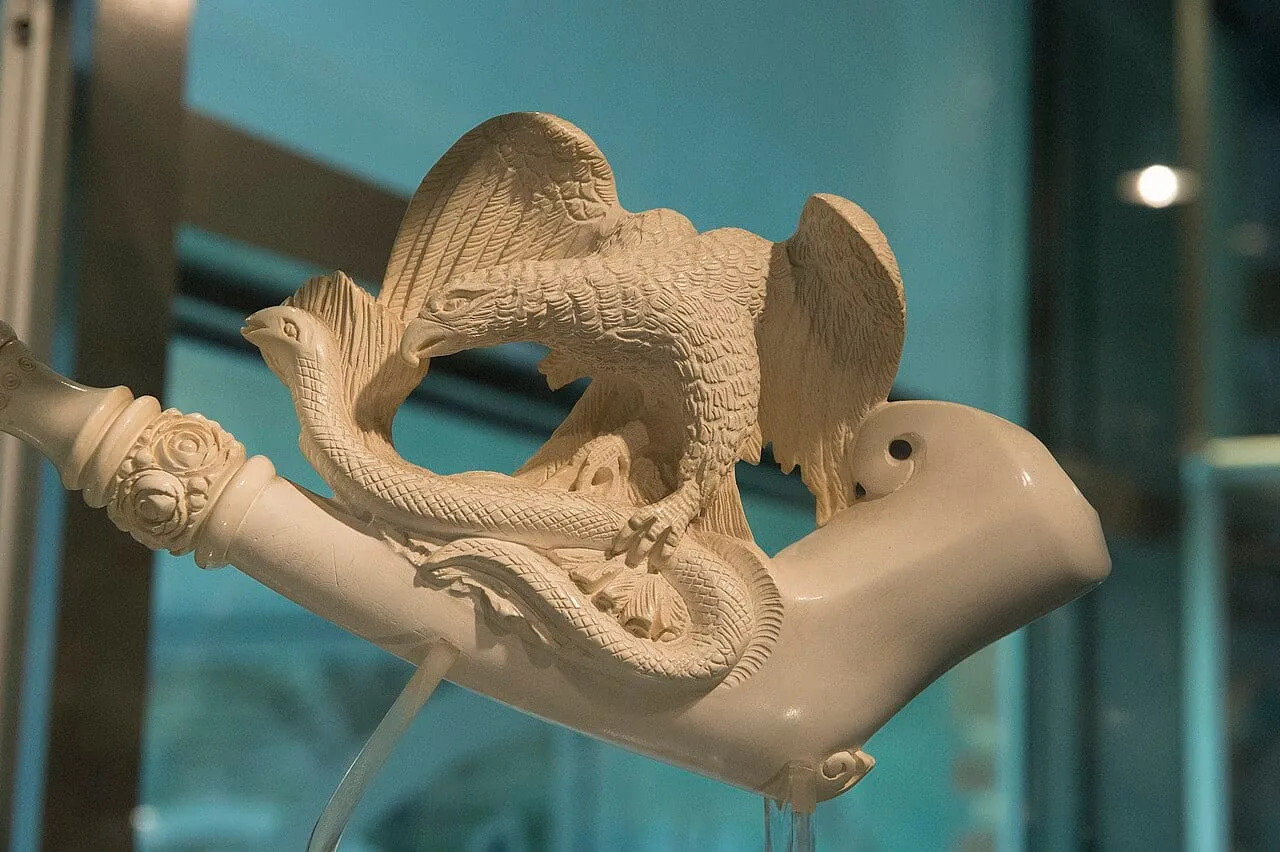
Meerschaum
A white stone light enough to float when dry and soft enough to carve: meerschaum, the raw material of Eskişehir's famous pipes.
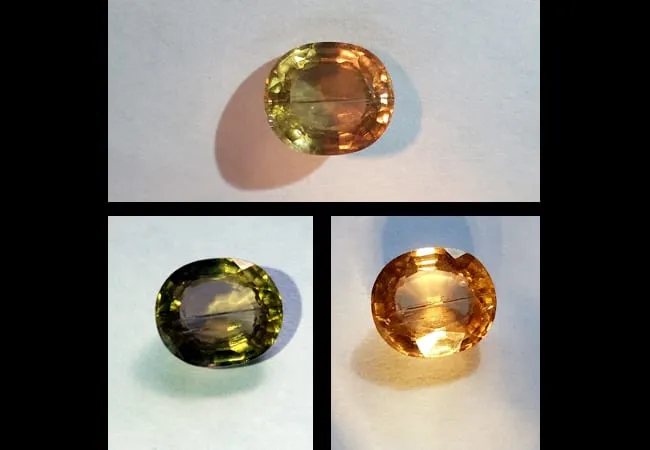
Diaspore
A rare mineral that looks greenish in daylight and pinkish under incandescent light; gem-quality material comes almost only from Muğla.
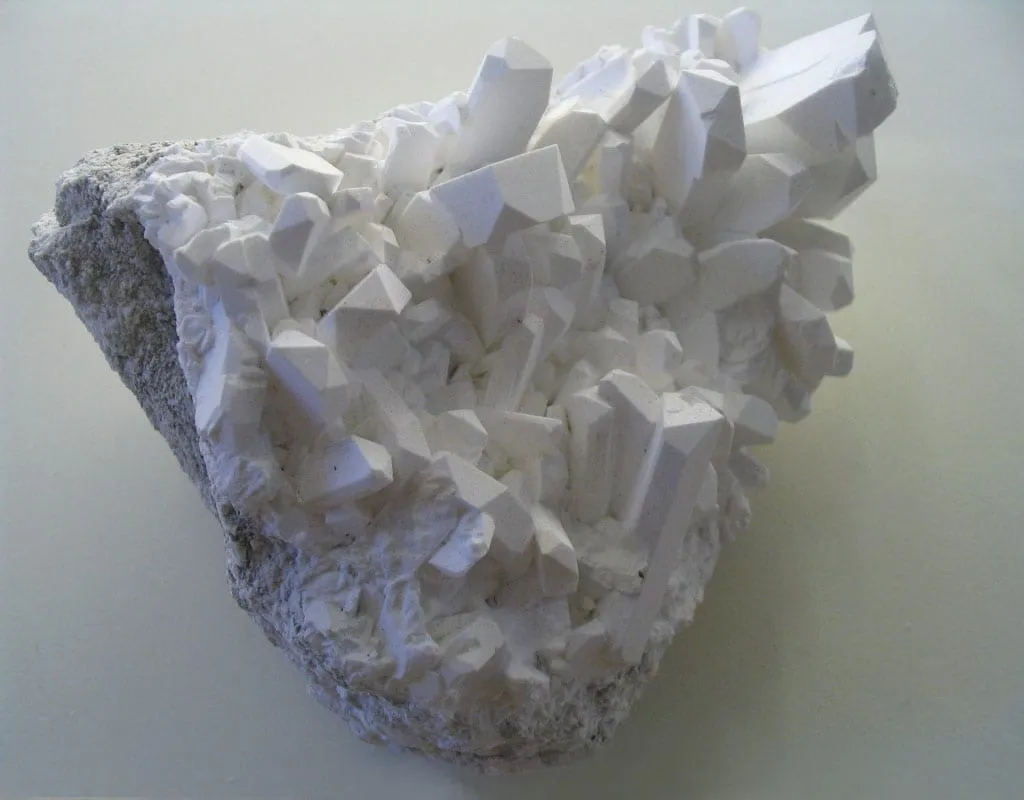
Borax (tincal)
A sodium borate that dissolves in water and crumbles to white powder in dry air; one of the world’s key tincal deposits is at Kırka in Eskişehir.
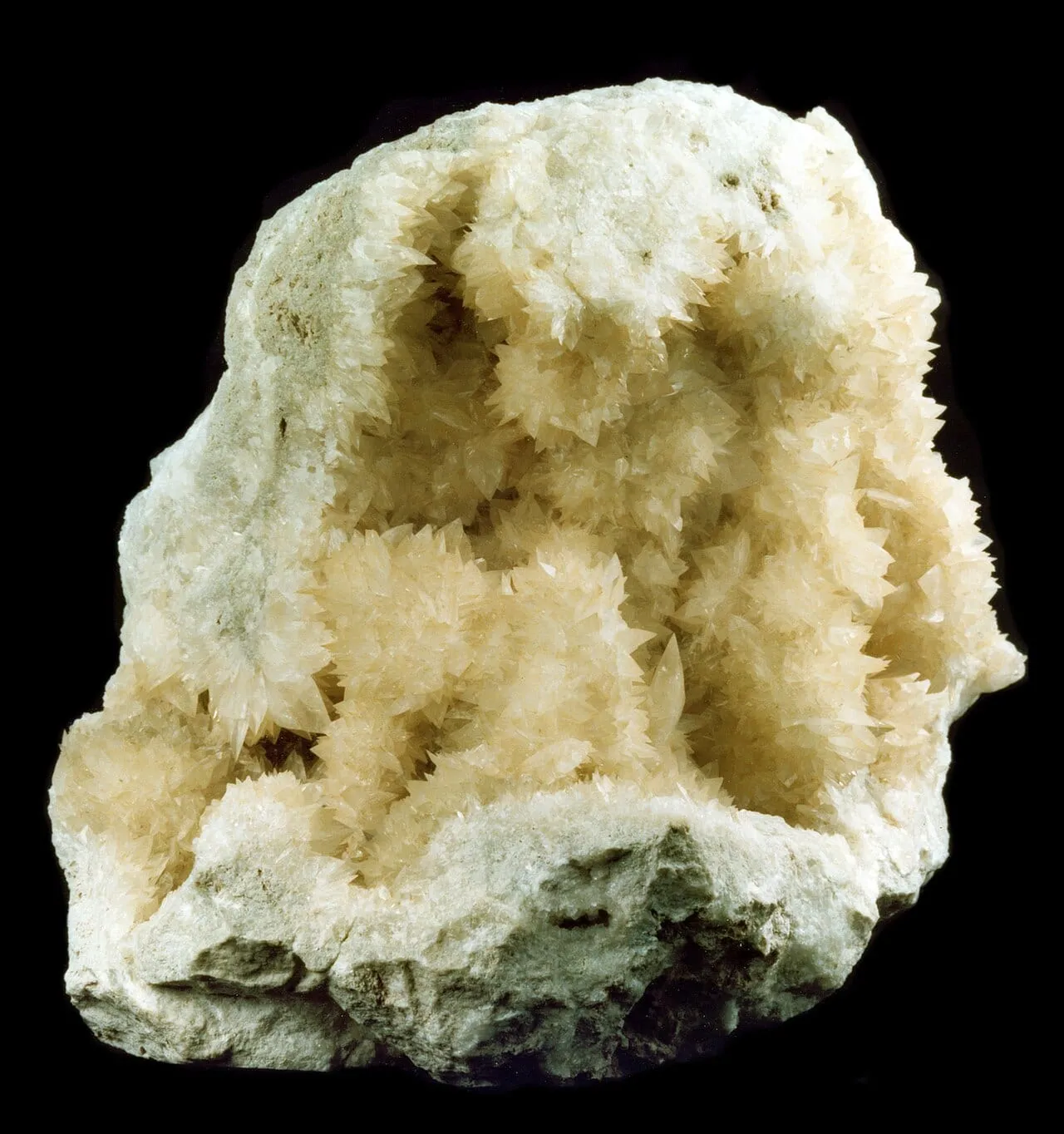
Colemanite
The backbone of Türkiye’s boron wealth: a calcium borate used to make heat-resistant glass and glass fibre.
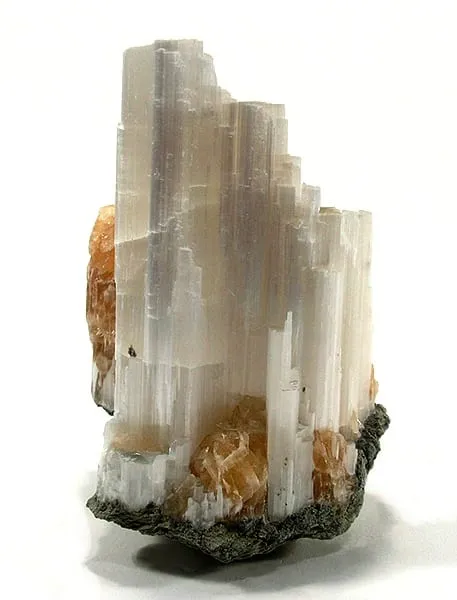
Ulexite
Nature’s fibre optics: a boron mineral, known as “TV stone”, that lifts writing up to its own surface.
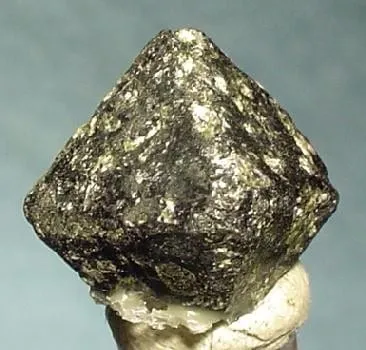
Chromite
The only important ore of chromium, the metal that makes stainless steel resist rust; Türkiye is one of its leading producers.
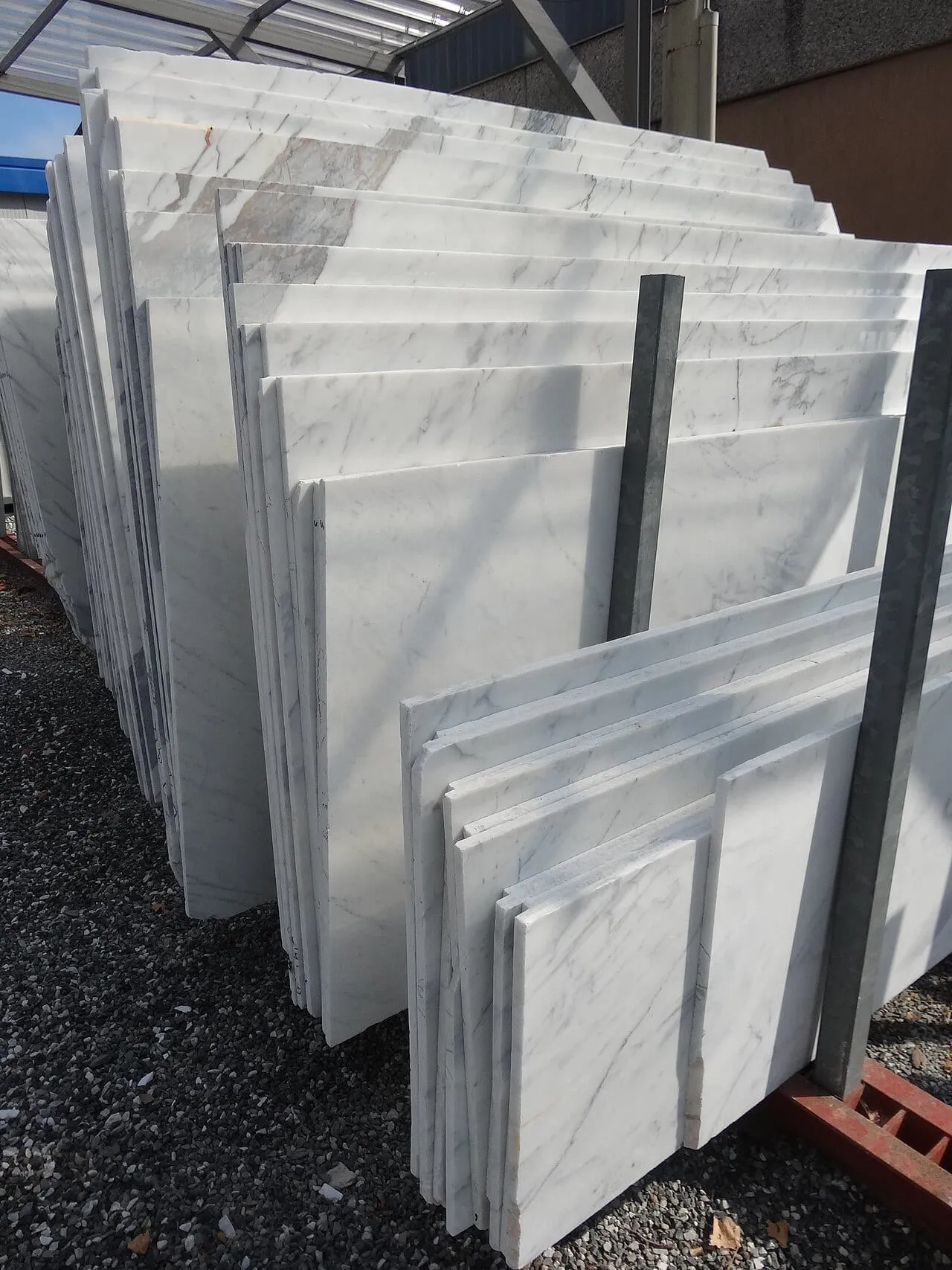
Marble
Limestone reborn by heat and pressure — the favourite stone of sculptors and architects for thousands of years.
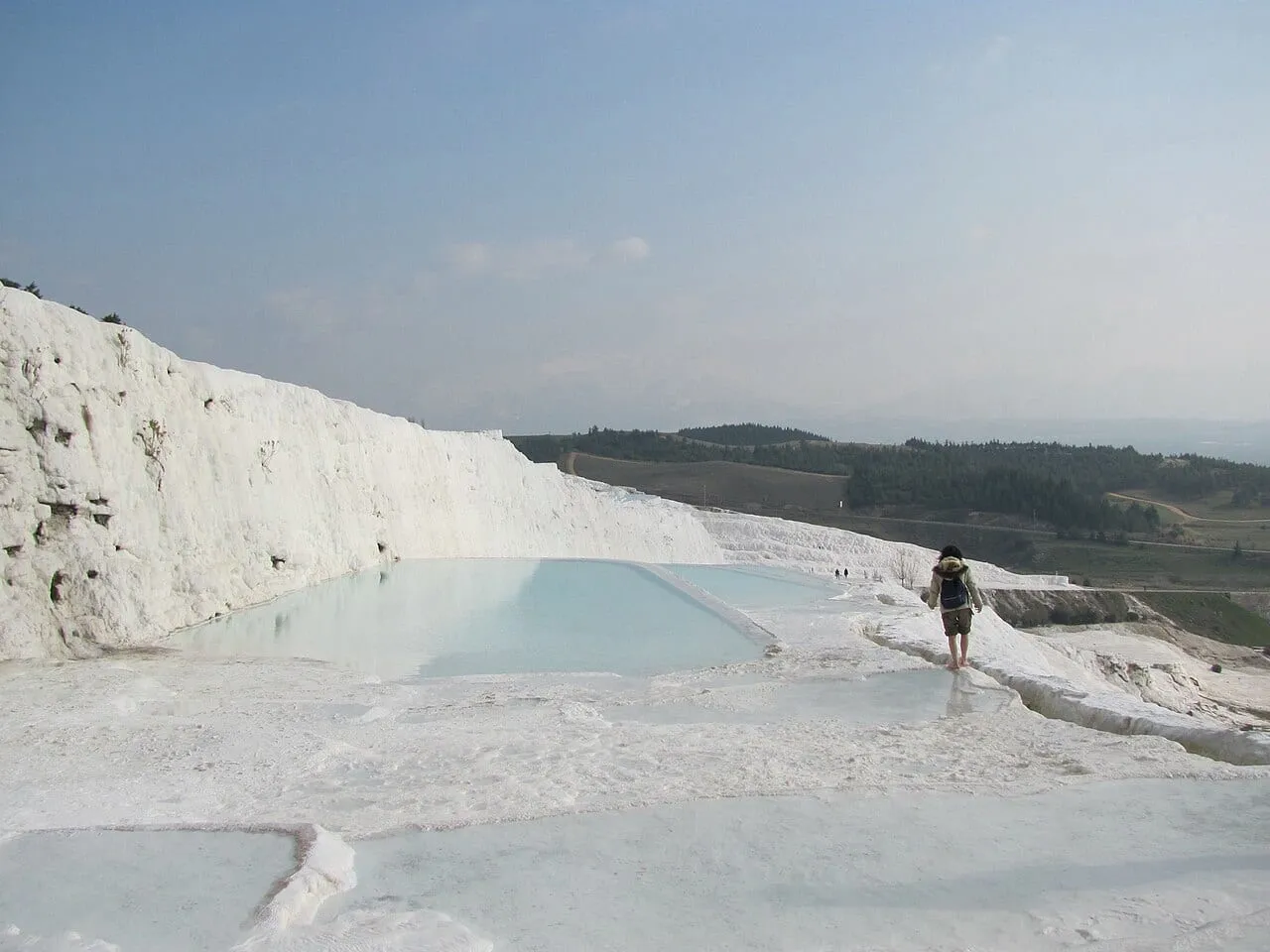
Travertine
Hot springs turned to stone: the rock of Pamukkale's snow-white terraces and the walls of the Colosseum.
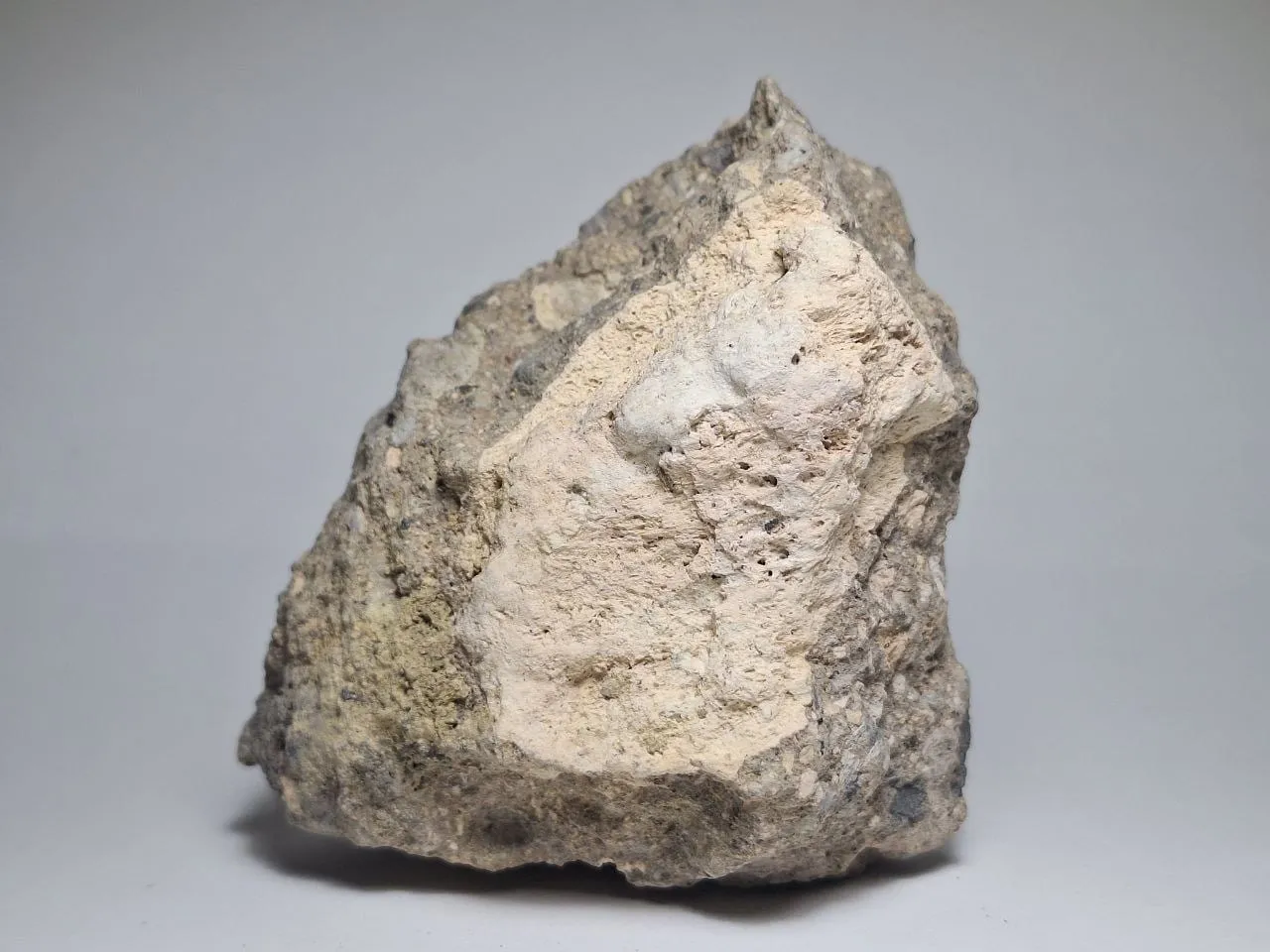
Tuff
Volcanic ash turned to stone: the soft rock that made Cappadocia’s fairy chimneys and rock-cut churches possible.
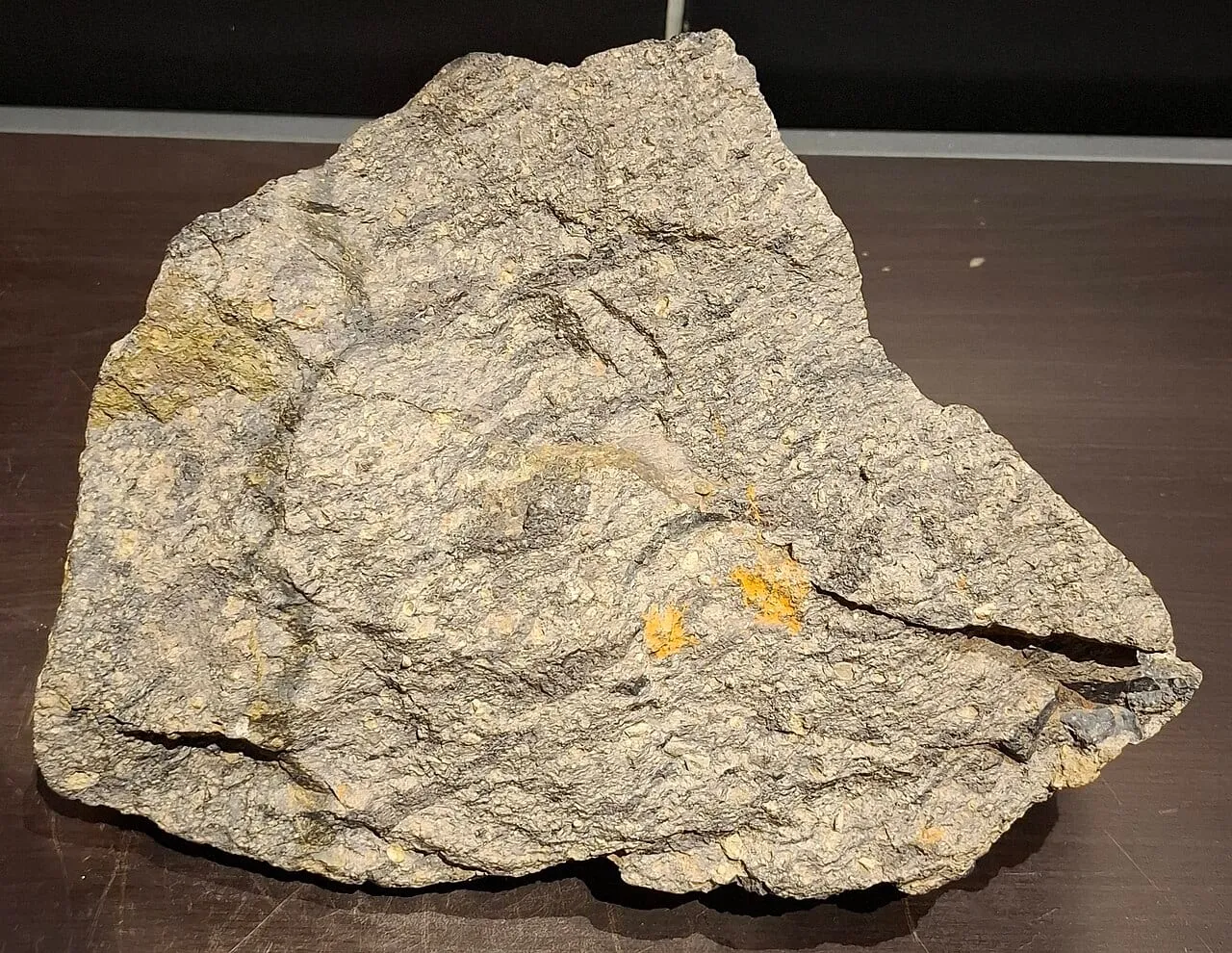
Ignimbrite
The rock left by glowing avalanches of hot ash — the stone of the Seljuk gravestones of Ahlat.
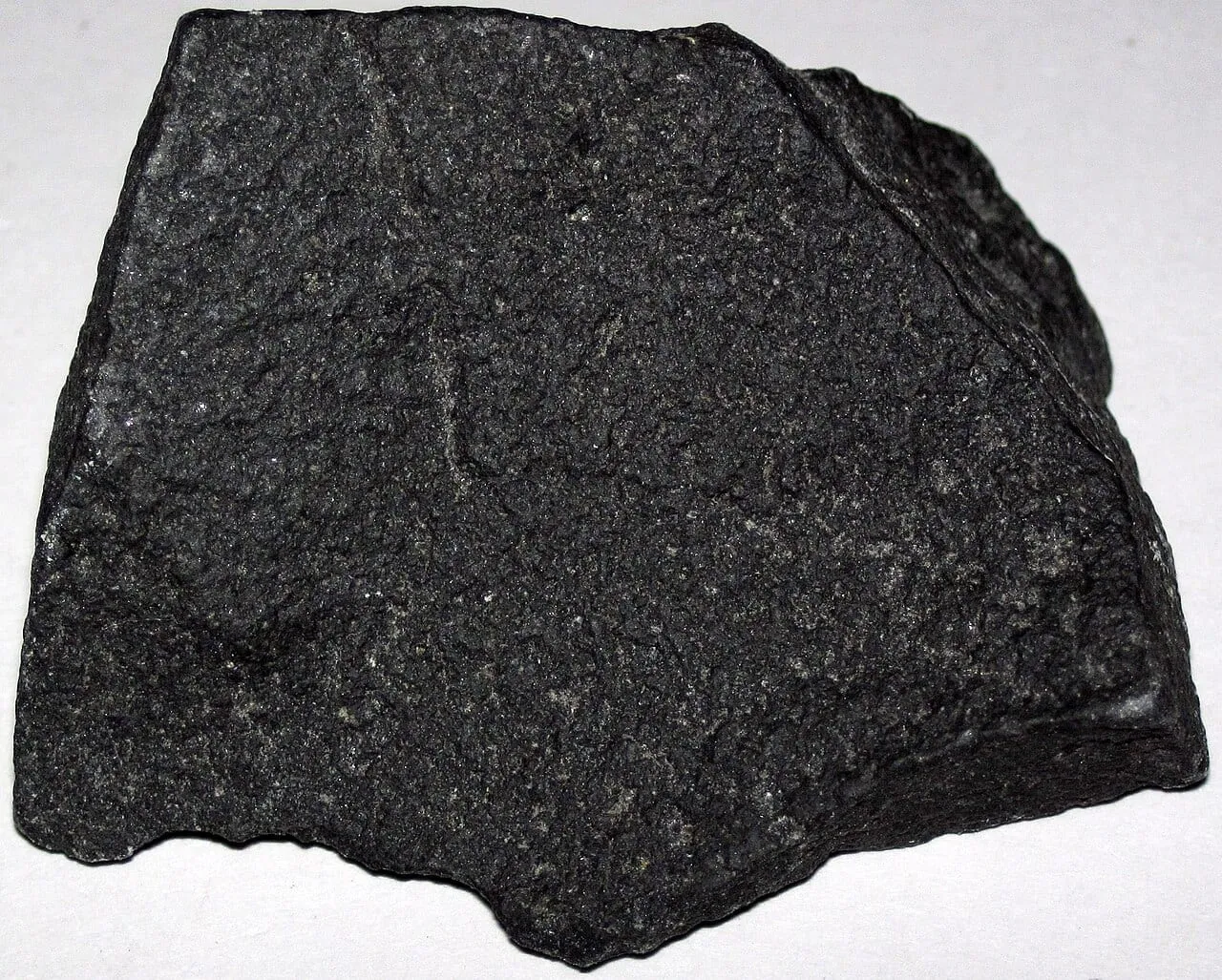
Basalt
The rock of the ocean floors and the Moon’s dark plains — the most common volcanic rock on Earth.
Sources
- Boron in Turkey · Eti Maden
- Kırka · Eti Maden
- Mineral Commodity Summaries 2026: Boron · U.S. Geological Survey, 2026
- Mineral Commodity Summaries 2026: Chromium · U.S. Geological Survey, 2026
- Oltu Taşı — Geographical Indication Registration Certificate (No. 192) · TÜRKPATENT (Turkish Patent and Trademark Office), 2012
- Eskişehir Lületaşı — Geographical Indication Registration Certificate (No. 26) · TÜRKPATENT (Turkish Patent and Trademark Office), 1999
- Denizli Traverteni — Geographical Indication Registration Certificate (No. 151, designation of origin) · TÜRKPATENT (Turkish Patent and Trademark Office), 2011
- Gem-quality transparent diaspore (zultanite) in bauxite deposits of the İlbir Mountains, Menderes Massif, SW Turkey (Hatipoğlu, Türk, Chamberlain & Akgün) · Mineralium Deposita, 2010
- Experimental studies on ignimbrite and the effect of lichens and capillarity on the deterioration of Seljuk Gravestones (Özvan et al.) · Engineering Geology, 2015
- Docimium · Wikipedia
- Göreme National Park and the Rock Sites of Cappadocia · UNESCO World Heritage Centre
- Kula Volcanic Geopark · Wikipedia
- MTA Şehit Cuma Dağ Tabiat Tarihi Müzesi · Vikipedi (Turkish Wikipedia)