What is a gemstone? The truth about “precious” and “semi-precious”
A gemstone is a natural material used in jewellery for its beauty, rarity and durability. The semi-precious myth, 4Cs, treatments, synthetics, Türkiye's gems.
A gemstone is a natural material used in jewellery or decorative objects because of its beauty, rarity and durability. Most gemstones are minerals, but some rocks such as lapis lazuli and organic materials such as pearl and amber belong to the group too. The split into “precious” and “semi-precious” stones is historical rather than scientific, and misleading: a stone’s worth depends far more on its colour, clarity, cut, weight, treatments and whether it is natural than on its species.
Three things that make a gem
According to CIBJO, the World Jewellery Confederation, gemstones are inorganic, organic or biogenic materials formed entirely by nature without human interference, used in jewellery thanks to a combination of beauty, rarity and relative durability.
- Beauty: colour, lustre, brilliance or eye-catching effects such as the play of colour in opal.
- Rarity: however beautiful, a stone that is easy to find is worth less.
- Durability: the ability to withstand scratches, knocks, light and chemicals while being worn. How this is measured is explained in The Mohs hardness scale.
“Precious” and “semi-precious”: a historical split
The traditional Western classification, which goes back to the ancient Greeks, divides gems into “precious” and “semi-precious”. Today “precious” usually means four stones: diamond, ruby, sapphire and emerald. Everything else is called “semi-precious”.
Three examples show why this split is misleading:
- Amethyst was once counted among the most precious stones. When large deposits were found in Brazil it became easy to obtain and lost that status. The label depended on supply and fashion, not on the stone itself.
- Spinel was mistaken for ruby for centuries. Even the famous “Black Prince’s Ruby” in the British crown is actually a spinel.
- Quality varies enormously within a single species. A cloudy, cracked ruby carries the “precious” label, while a vividly coloured, clean spinel or tanzanite can be a far more sought-after stone.
That is why CIBJO’s gemstone standard says plainly: the term “semi-precious” is misleading and shall not be used. In the same standard, “precious stones” is not a separate class but simply another name for gemstones.
The 4Cs: colour, clarity, cut, carat
The “4Cs” used to describe diamond quality began as a memory aid that Robert M. Shipley, founder of the Gemological Institute of America (GIA), coined for his students in the 1940s. In 1953 GIA turned these factors into a systematic grading method with its D-to-Z colour scale and its clarity scale.
| C | What it describes |
|---|---|
| Colour | In diamonds, how close the stone is to colourless; in coloured gems, the hue, saturation and vividness of the colour |
| Clarity | How few internal features (inclusions) and surface blemishes the stone has |
| Cut | The proportions and how well the facets return light |
| Carat | Weight: one metric carat is 200 milligrams, or 0.2 grams |
The carat used for gemstones is a unit of weight; do not confuse it with the karat that expresses the purity of gold.
There is no single, universally accepted grading system for coloured stones as there is for diamonds, but experts generally regard colour as the most important factor. What determines the value of each stone is described in the “What determines its value?” section of the stone pages on this site.
Treatments: natural, but enhanced
Many natural stones on the market have been treated to improve their appearance or durability. CIBJO defines treatment as artificially changing a gem’s appearance or durability by heating, diffusion, irradiation, filling, coating or other processes.
| Treatment | What is done | Common examples |
|---|---|---|
| Heating | Improves colour and clarity | Sapphire, ruby, tanzanite; citrine made from heated amethyst |
| Oil or resin filling | Makes surface-reaching fractures less visible | Emerald |
| Lead-glass filling | Fills the cavities of heavily fractured material with glass | Low-grade ruby |
| Irradiation and heating | Gives colour to a colourless stone | Blue topaz |
| Dyeing | Colours a porous stone | Chalcedony and agate |
| Stabilisation | Impregnates a porous stone with resin | Turquoise |
A treated stone is still a natural stone, but the type and extent of treatment strongly affect its value, and the seller should disclose it. Under the guides of the US Federal Trade Commission (FTC), for example, it is deceptive to sell material filled with lead glass simply as “ruby” or “treated ruby”; it must be clearly disclosed as a product combined with glass.
Synthetics and imitations
- A synthetic stone is made in a laboratory and has essentially the same chemical composition, physical properties and structure as its natural counterpart. According to CIBJO, “synthetic”, “laboratory-created” and “laboratory-grown” mean the same thing. The first synthetic gem was ruby, produced by Auguste Verneuil’s flame-fusion process developed in 1902. Laboratory-grown diamonds are now common too; chemically and physically they are real diamond, but they are not natural diamond.
- An imitation is simply a different material that looks similar: coloured glass, plastic, or cubic zirconia used in place of diamond. Cubic zirconia is a laboratory product and should not be confused with zircon, a natural mineral.
The FTC guides also say that gem names such as “ruby” or “sapphire” may be used for laboratory products and imitations only when immediately preceded, just as conspicuously, by a clear qualifier such as “laboratory-grown” or by the word “imitation”. To learn how to spot imitations, see the Fake gemstones guide.
Organic gems
Some gems are products of living things, and CIBJO counts them as gemstones when they are used in jewellery:
- Pearl: most pearls sold today are cultured pearls grown on farms; natural pearls are very rare.
- Amber: fossilised tree resin; very light.
- Coral: the skeletons of marine animals.
- Oltu stone: a type of jet formed from coalified wood.
Organic gems are usually soft and can be affected by sweat, perfume and heat, so they need careful wear. Why they are not counted as minerals is explained in Mineral or rock?.
Two gems from Türkiye
- Colour-change diaspore (zultanite): diaspore is a mineral that looks greenish in daylight and pinkish under incandescent light. According to GIA, gem-quality diaspore comes almost exclusively from the İlbir Mountains near Milas in Muğla province. In Türkiye it is known as sultanit, and on the international market under trade names such as “Zultanite” and “Csarite”. As its fame grew, imitations followed: in 2016 GIA documented colour-change glass sold as an imitation of this gem.
- Oltu stone: a black, lightweight type of jet mined by hand from narrow galleries in the Oltu district of Erzurum. Its best-known product is the prayer bead string (tespih). In 2012 the name “Oltu Taşı” was registered as a geographical indication by TÜRKPATENT; products bearing the name must be made from raw material mined in Oltu.
For more of Türkiye’s distinctive stones, see Stones of Türkiye.
What to check when buying a gemstone
- Ask whether the stone is natural, synthetic or an imitation, and which treatments it has had; ask for this to be written on the invoice or certificate.
- For a significant purchase, ask for a report from an independent gemmological laboratory. A trade name on a label does not prove what a stone is.
- Look at the stone’s own qualities, not at a “precious” or “semi-precious” label.
If you are wondering whether a stone you own is valuable, Is my stone valuable? can help.
Quick questions, quick answers
What is a gemstone?
A natural material used in jewellery or decorative objects because of its beauty, rarity and durability. Most gemstones are minerals, but some rocks such as lapis lazuli and organic materials such as pearl and amber count as gemstones too.
What are the four precious stones?
Traditionally diamond, ruby, sapphire and emerald are called precious stones and all others semi-precious. This distinction is historical, not scientific; CIBJO, the World Jewellery Confederation, states that the term semi-precious is misleading and should not be used.
What does semi-precious mean?
It is an old trade term for gemstones other than diamond, ruby, sapphire and emerald. It is misleading because quality, not species, decides a stone's worth: a fine spinel or tanzanite can be more valuable than a poor ruby.
How many grams is one carat?
The metric carat used for gemstones is 200 milligrams, so one carat is 0.2 grams. It should not be confused with the karat that expresses the purity of gold.
Is a synthetic gemstone fake?
It is not an imitation. A synthetic (laboratory-grown) stone has essentially the same chemical composition, physical properties and structure as its natural counterpart. It is not a natural stone, however, and that must be clearly disclosed.
Is a heated gemstone natural?
Yes. A heat-treated sapphire or ruby is still a natural stone; the treatment only improves its colour or clarity. Heating is very common and widely accepted, but the seller should disclose it.
Stones in this guide
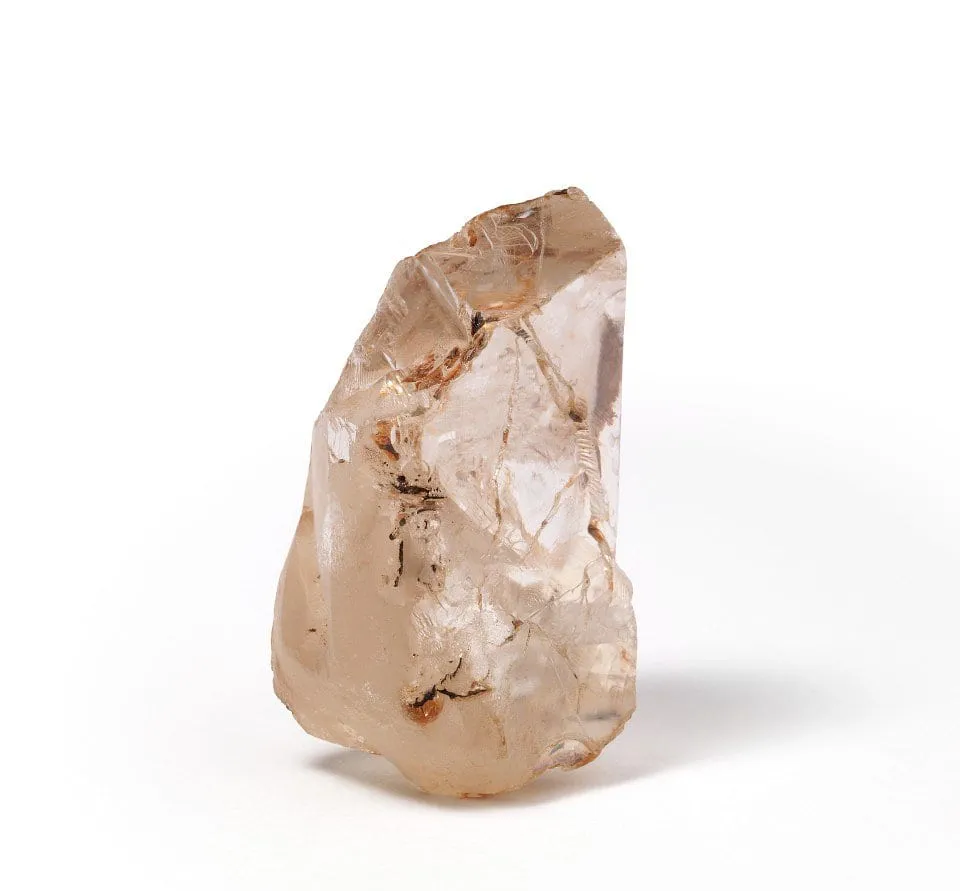
Diamond
Pure carbon and the hardest known natural mineral: it forms about 150–200 km deep and reaches the surface in volcanic eruptions.
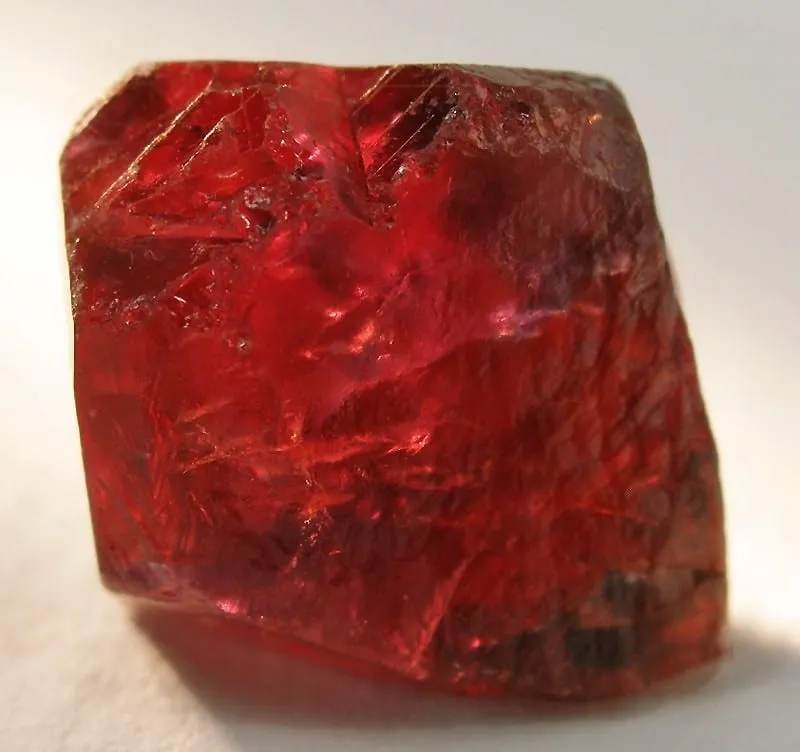
Ruby
Corundum coloured red by chromium: one of the world's most famous gems, able to glow red under ultraviolet light.
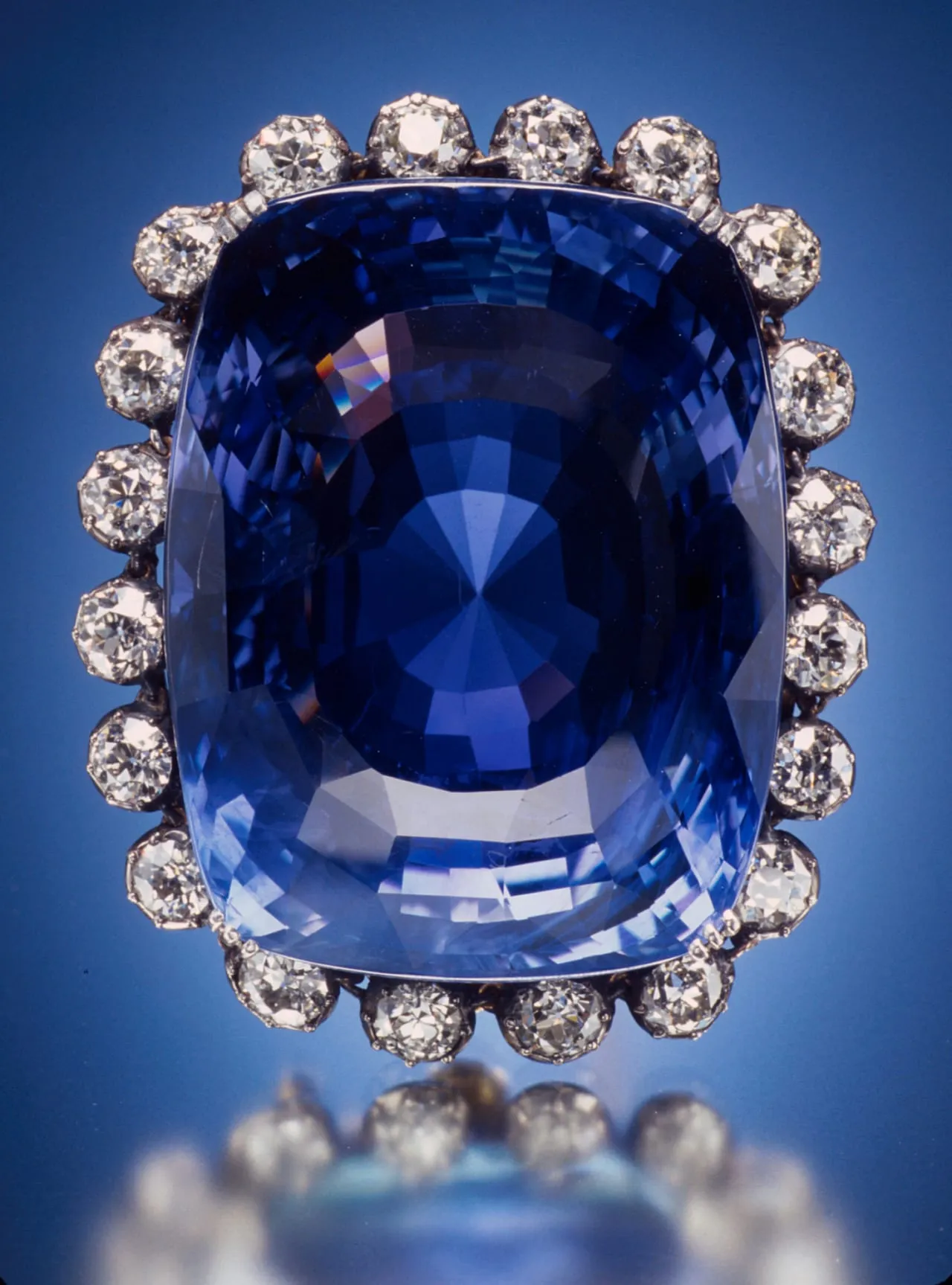
Sapphire
Corundum in almost any colour except red; the most famous is the blue sapphire, coloured by iron and titanium.
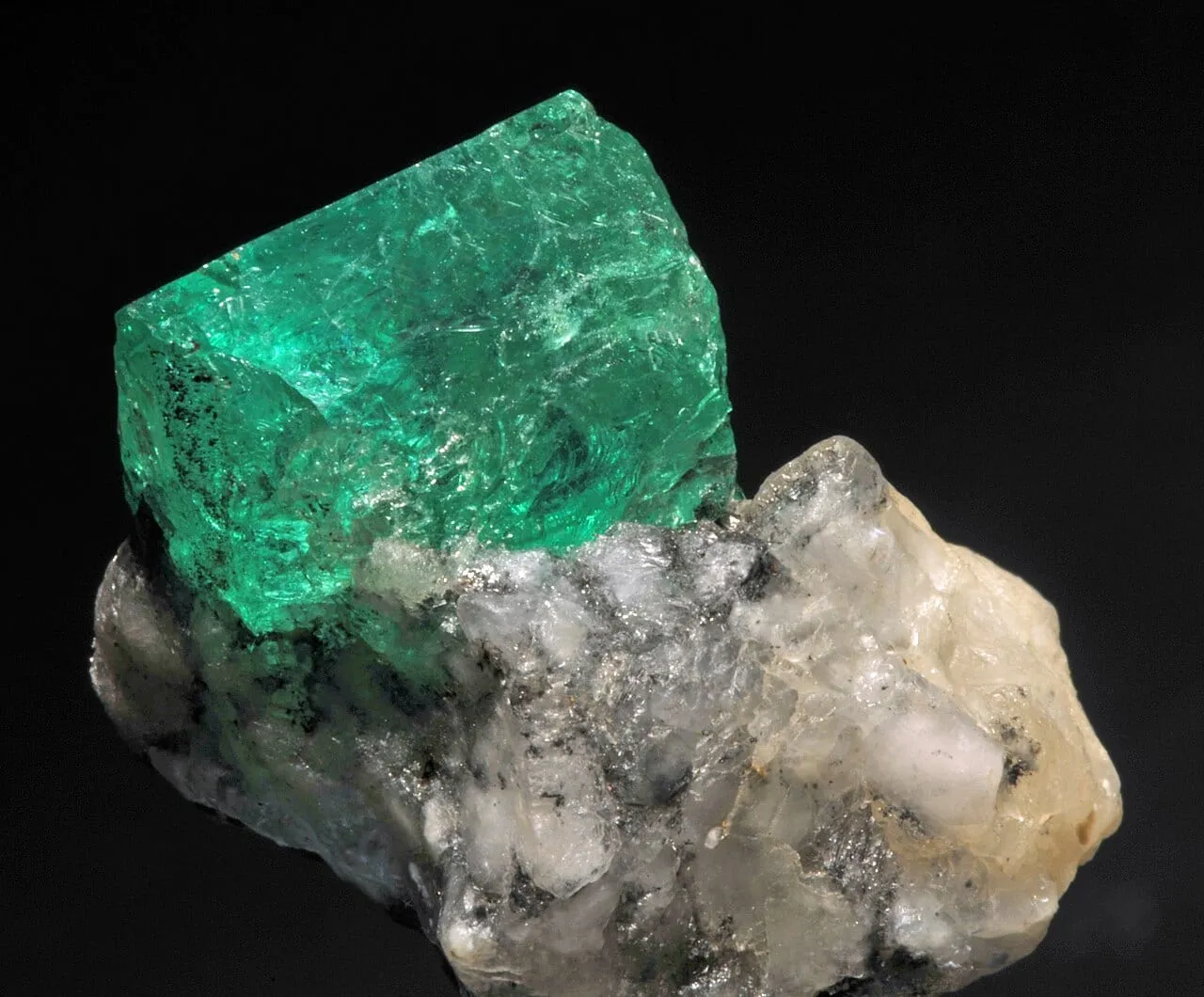
Emerald
Beryl turned green by chromium and vanadium: the world's most famous green gem, almost always full of inclusions.
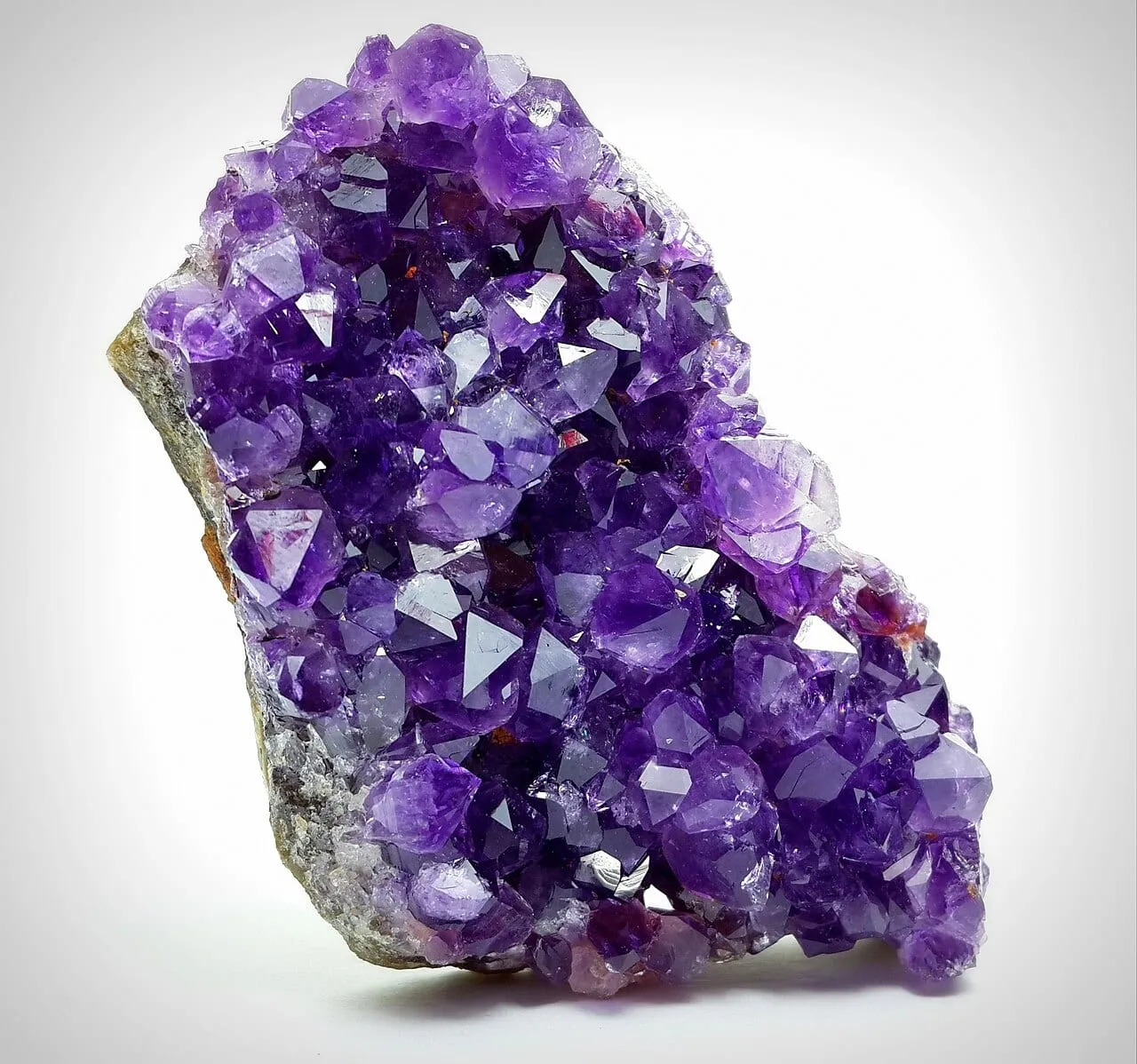
Amethyst
The purple variety of quartz, coloured by traces of iron working together with natural radiation.
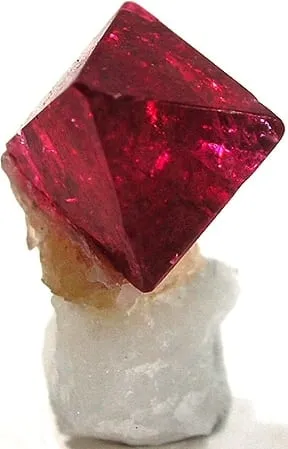
Spinel
The gem mistaken for ruby for centuries: even the famous “Black Prince's Ruby” in the British crown is actually a spinel.
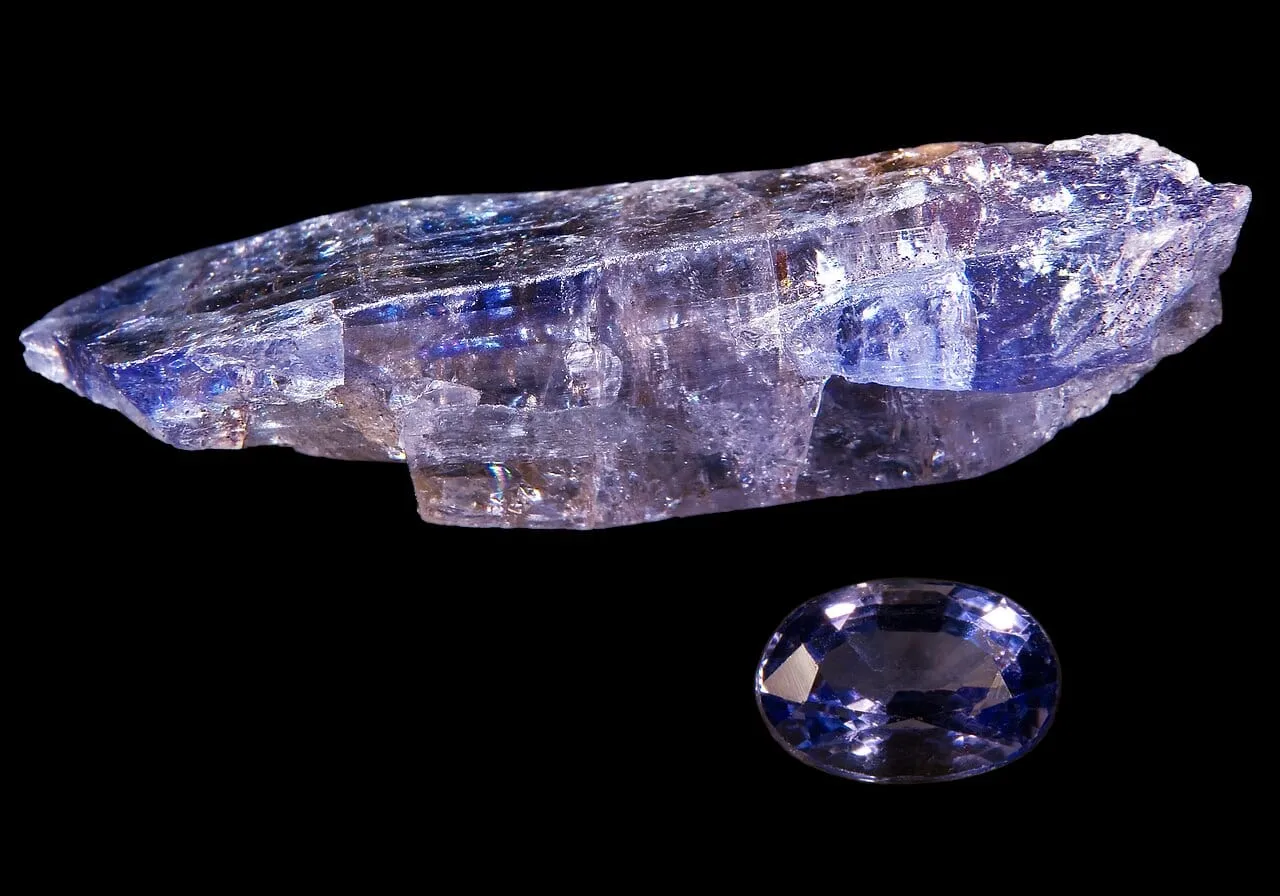
Tanzanite
Zoisite that looks blue or violet depending on the viewing direction, mined commercially in just one small area of Tanzania.
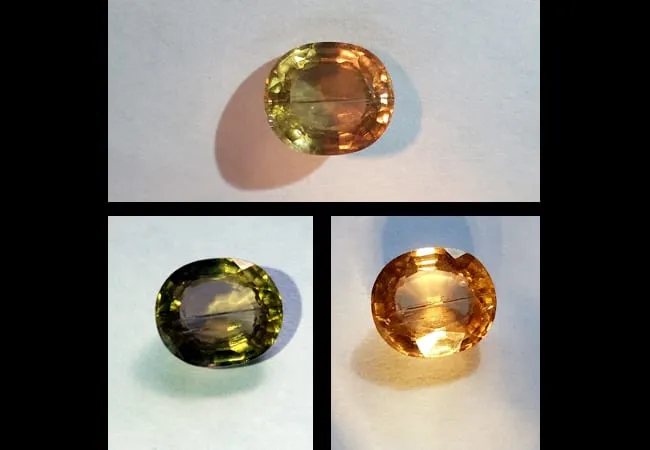
Diaspore
A rare mineral that looks greenish in daylight and pinkish under incandescent light; gem-quality material comes almost only from Muğla.
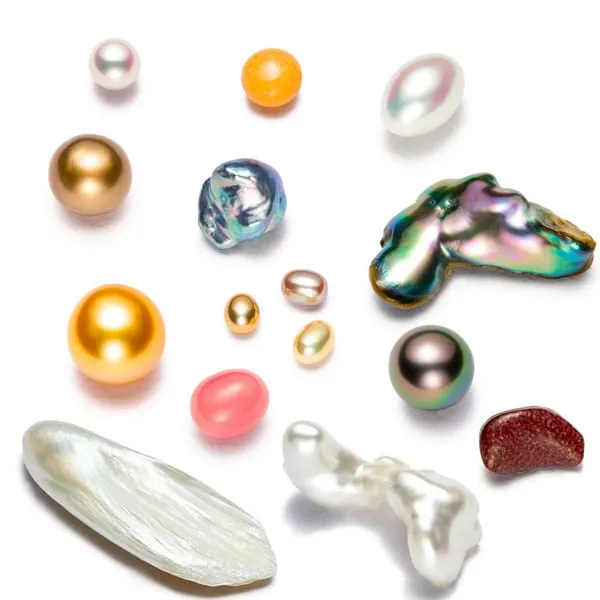
Pearl
An organic gem that grows layer by layer inside oysters and mussels and glows without any cutting or polishing.
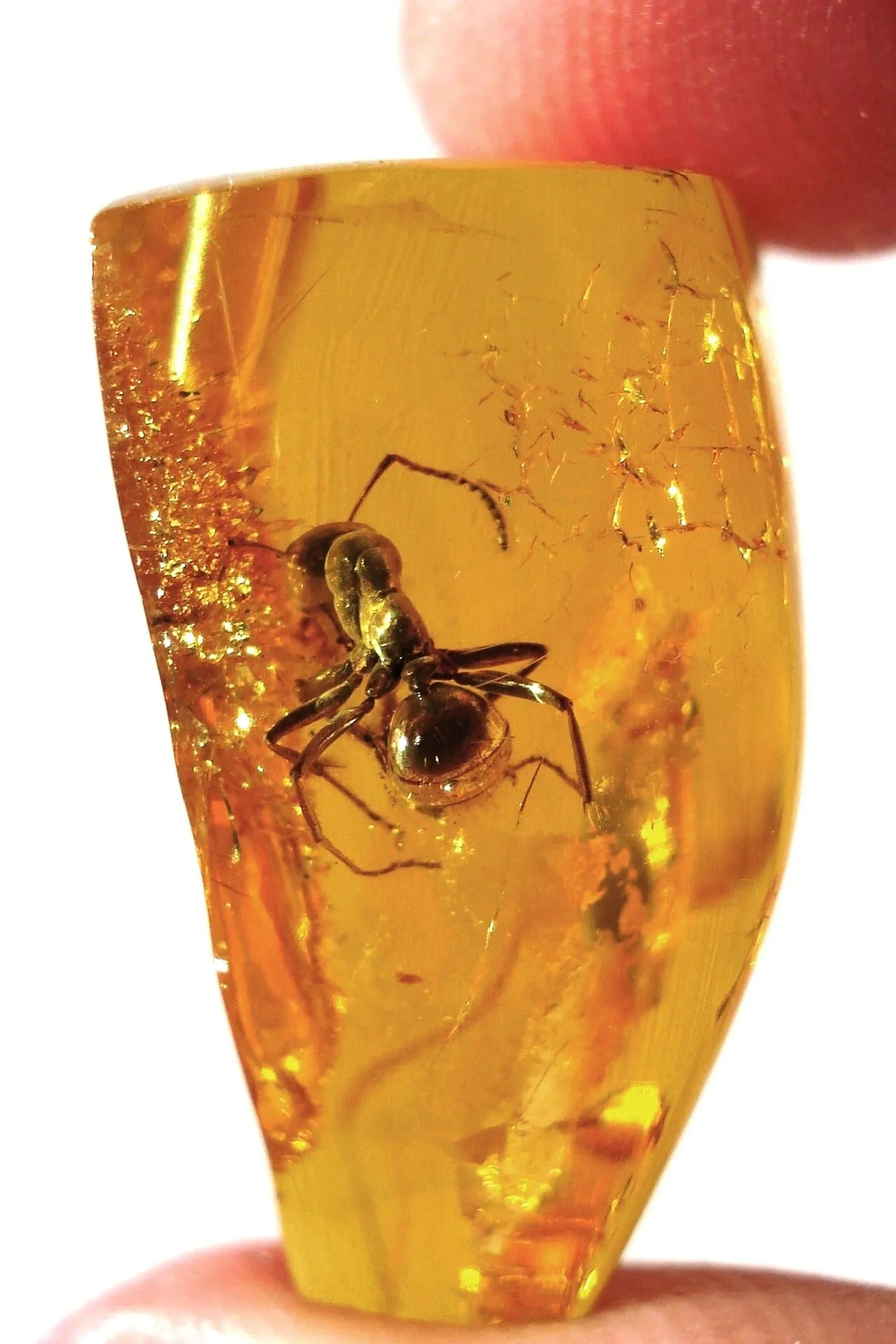
Amber
Tree resin fossilised over millions of years: a light, warm organic gem that sometimes holds prehistoric insects.
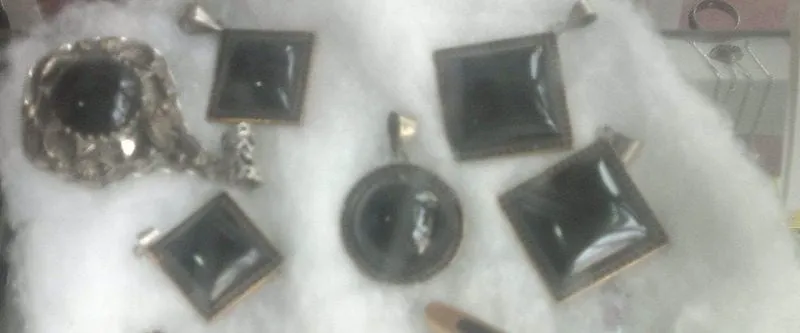
Oltu stone
Erzurum’s black treasure: a kind of jet made from coalified wood, famous for its prayer beads.
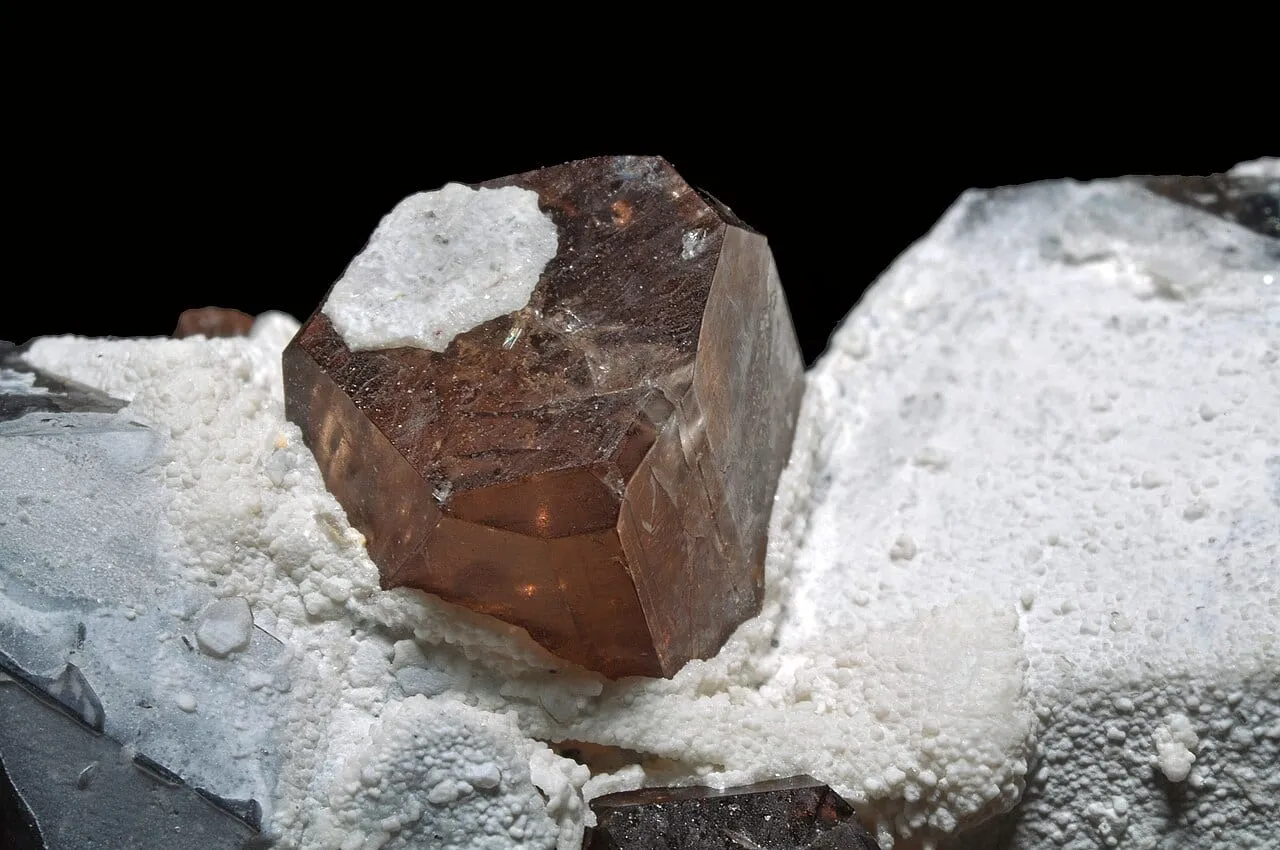
Topaz
The reference mineral for 8 on the Mohs scale: a hard, brilliant gem whose blue colour is almost always added by people.
Sources
- The Gemstone Book · CIBJO (The World Jewellery Confederation), 2022
- Gemstone · Wikipedia
- Understanding Diamond Quality: The 4Cs · Gemological Institute of America (GIA)
- Guides for the Jewelry, Precious Metals, and Pewter Industries (16 CFR Part 23), Federal Register 83(159) · U.S. Federal Trade Commission, 2018
- Techniques for Grading Colored Gemstones (Richard B. Drucker) · JCK, 1998
- Color-Change Glass as a Zultanite Imitation · GIA, Gems & Gemology, 2016
- Oltu Taşı — Coğrafi İşaret Tescil Belgesi (No. 192) · TÜRKPATENT, 2012