Mineral or rock? The basic difference between stones
A mineral is a natural substance with a set composition and crystal structure; a rock is a mix of minerals. Plus mineraloids, organic gems and meteorites.
A mineral is a naturally formed solid with a definite chemical composition and an ordered internal structure (a crystal structure); quartz and calcite are minerals. A rock is a natural mixture of one or more minerals; granite is a rock made of quartz, feldspar and mica. Put simply, minerals are the bricks and rocks are the walls built from them.
What is a mineral?
The body that defines minerals and approves new ones is the International Mineralogical Association (IMA). Under the definition it published in 1995, a mineral is “an element or chemical compound that is normally crystalline and that has been formed as a result of geological processes.” This boils down to four conditions:
| Condition | What it means | Example |
|---|---|---|
| Natural | Formed in nature, not made by people | A ruby crystal grown in a laboratory is not a mineral; it is called “synthetic” |
| Solid | Occurs as a solid in nature | Ice is a mineral; liquid water is not |
| Crystal structure | Atoms arranged in an ordered, repeating lattice | The six-sided crystals of quartz reflect this order |
| Definite composition | Can be written as a chemical formula | Quartz is SiO₂, calcite is CaCO₃ |
There are a few historical exceptions: native mercury, for example, is liquid at room temperature yet still counts as a mineral.
The IMA’s official list, updated in September 2026, contains 6,239 valid mineral species, and the number grows every year. Some were first described in Türkiye; konyaite, named after Konya, and trabzonite, named after Trabzon, are examples. Yet most of Earth’s crust is made of just a few mineral families: silicate minerals make up about 90% of the crust, led by the feldspars and quartz.
What is a rock?
A rock is a solid mass formed when minerals (and sometimes volcanic glass or organic matter) come together naturally. Some rocks consist almost entirely of a single mineral: marble is mostly calcite, quartzite is quartz and rock salt is halite. Most rocks, though, contain several minerals; granite and basalt are examples.
Rocks are grouped by how they formed into three families: igneous, sedimentary and metamorphic. How these families turn into one another is explained in The rock cycle.
| Mineral | Rock | |
|---|---|---|
| What is it? | A single natural substance | A mixture of minerals |
| Chemical formula | Yes (quartz: SiO₂) | No; composition varies from place to place |
| Hardness and density | Definite, within a narrow range | Depend on the minerals it contains |
| What decides its name? | Composition and crystal structure | Its minerals, texture and origin |
| Examples | Quartz, calcite, pyrite | Granite, marble, sandstone |
The easiest practical clue: look at a broken surface with a magnifier. If you see grains of different colours and lustres, you are most likely looking at a rock.
Gemstones that are rocks
“Gemstone” makes most people think of minerals, but some famous ornamental stones are actually rocks. Lapis lazuli is a blue metamorphic rock made mainly of lazurite, calcite and pyrite; its golden specks are pyrite. Jade is not a single mineral either but a shared name for two different rocks, nephrite and jadeite.
One mineral, several names
A mineral’s name and the name of the stone in a piece of jewellery are not always the same. Types of a mineral distinguished by colour or appearance are called varieties:
- Amethyst (purple), citrine (yellow), rose quartz and smoky quartz are all quartz.
- Ruby and sapphire are varieties of the same mineral, corundum.
- Emerald and aquamarine are varieties of beryl.
Mineraloids: no crystals
Some natural substances look and behave like minerals but have no ordered crystal structure. These are called mineraloids.
- Opal: made of silica containing water. The play of colour in precious opal comes not from crystals but from tiny silica spheres stacked in an orderly way.
- Obsidian: a natural glass formed when lava freezes before it has time to crystallise.
- Tektite: glass formed from Earth rock melted and thrown out by large meteorite impacts; despite frequent confusion, it is not a meteorite.
Organic gems: made by living things
Some stones are products of living organisms. Because they are used in jewellery they are called “organic gems”, and CIBJO, the World Jewellery Confederation, counts organic materials used in jewellery as gemstones.
- Amber: forms when the resin of ancient trees fossilises over millions of years. Having no crystal structure, it is also described as a mineraloid.
- Pearl: built from layers of nacre produced by oysters and mussels.
- Coral: the calcium carbonate skeletons of marine animals.
- Oltu stone: a type of jet from the Oltu district of Erzurum, formed from coalified wood.
The carbonate crystals in pearl and coral are made entirely by a living creature, so under the IMA definition they are not minerals; the same substances can count as minerals once geological processes have been involved. Coal, by contrast, is a sedimentary rock formed from plant remains.
From space: meteorites
Meteorites are space rocks that fall to Earth and survive the trip through the atmosphere. London’s Natural History Museum divides them into three main groups:
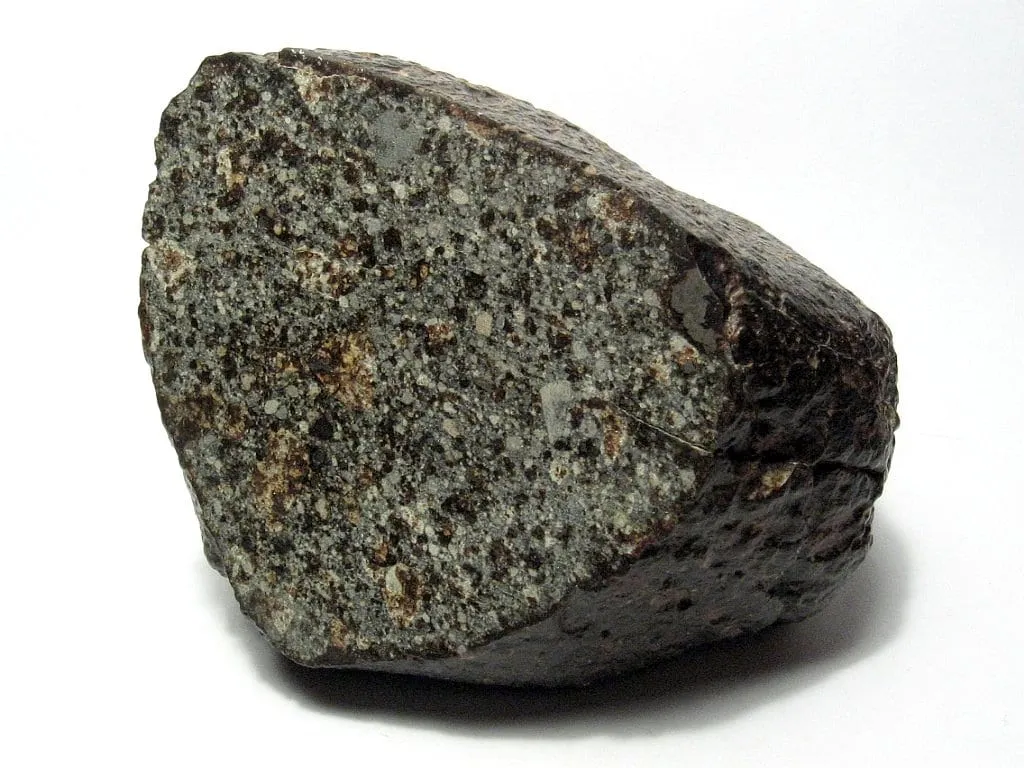
- Stony meteorites: made mostly of silicate minerals. Most meteorites found belong to this group; the most common kind are chondrites.
- Iron meteorites: almost entirely iron-nickel metal; they are thought to come from the cores of asteroids that melted early in their history.
- Stony-iron meteorites: contain roughly equal amounts of metal and silicate. In pallasites, olive-green olivine crystals are embedded in metal.
Under the IMA definition, substances formed on other bodies in space also count as minerals. So a meteorite is a rock, not a mineral, but it contains minerals. If you wonder whether a stone you found might be a meteorite, see Is my stone valuable?.
How stones are labelled on this site
Every stone page starts with a label showing which group the stone belongs to:
| Label | Meaning | Examples |
|---|---|---|
| Mineral | A single mineral species that fits the IMA definition | Calcite, pyrite |
| Variety | A type of a mineral distinguished by colour or appearance | Amethyst, ruby |
| Rock | A natural mixture of minerals | Granite, marble |
| Mineraloid | A natural, mineral-like substance without a crystal structure | Opal, obsidian |
| Organic gem | A material made by living things and used in jewellery | Pearl, amber |
| Meteorite | Rock or metal that fell from space | Chondrite, pallasite |
You can see how these groups fit together with the mineral classes on the classification page.
Why the distinction matters
The first question to ask when identifying a stone is “mineral or rock?”. Minerals show definite properties such as hardness, streak and cleavage, so simple tests can identify them. With rocks you need to look at the individual grains and the texture. How to do these tests is explained in How to identify a stone.
Quick questions, quick answers
What is the difference between a mineral and a rock?
A mineral is a natural substance with a definite chemical composition and an ordered crystal structure, such as quartz or calcite. A rock is a natural mixture of one or more minerals; granite, for example, is made of quartz, feldspar and mica.
Is granite a mineral?
No, granite is a rock. Look closely and you can see its different minerals separately: glassy grey quartz, pink or white feldspar and shiny black or silvery mica.
Is opal a mineral?
Opal is usually classed as a mineraloid. It is made of silica containing water but lacks the ordered crystal structure of a mineral. Obsidian, a volcanic glass, is a mineraloid for the same reason.
Is amber a stone or a mineral?
Amber is not a mineral; it is an organic material formed when the resin of ancient trees fossilised. Because it is used in jewellery, it is counted among the organic gems.
How many minerals are there?
The official list of the International Mineralogical Association (IMA), updated in September 2026, contains 6,239 valid mineral species. Dozens of new minerals are added every year.
Is a meteorite a mineral?
Meteorites are pieces of rock or metal from space; they contain minerals such as olivine, pyroxene and iron-nickel alloy. Under the international definition, substances formed on other bodies in space can also count as minerals.
Stones in this guide
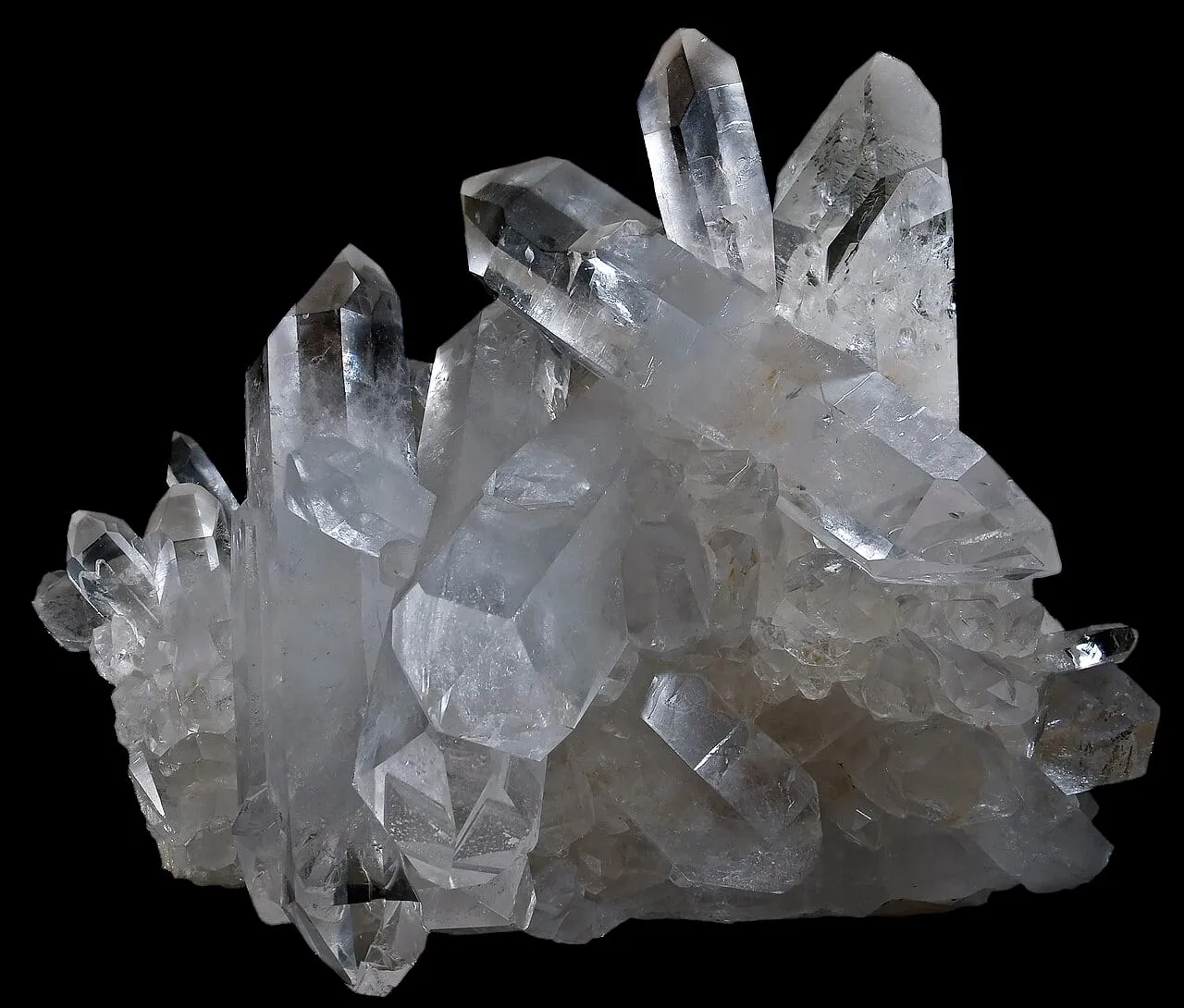
Quartz
The common root of sand, glass and amethyst — one of the most abundant minerals in Earth’s crust.
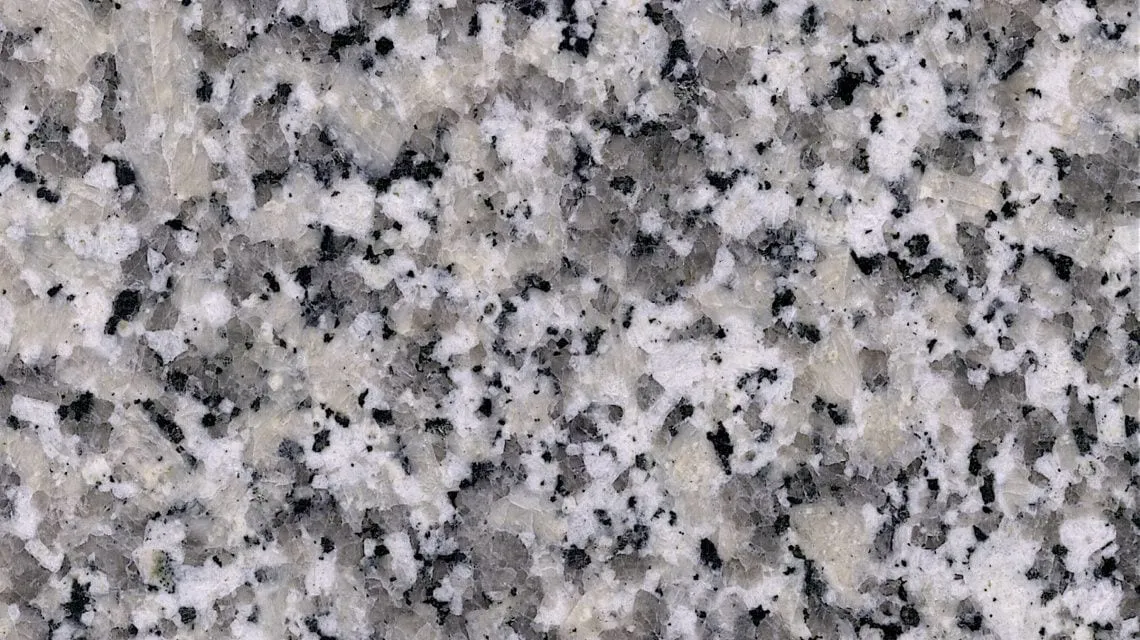
Granite
From kitchen worktops to monuments: a tough, coarse-grained rock born from magma that cooled slowly deep underground.
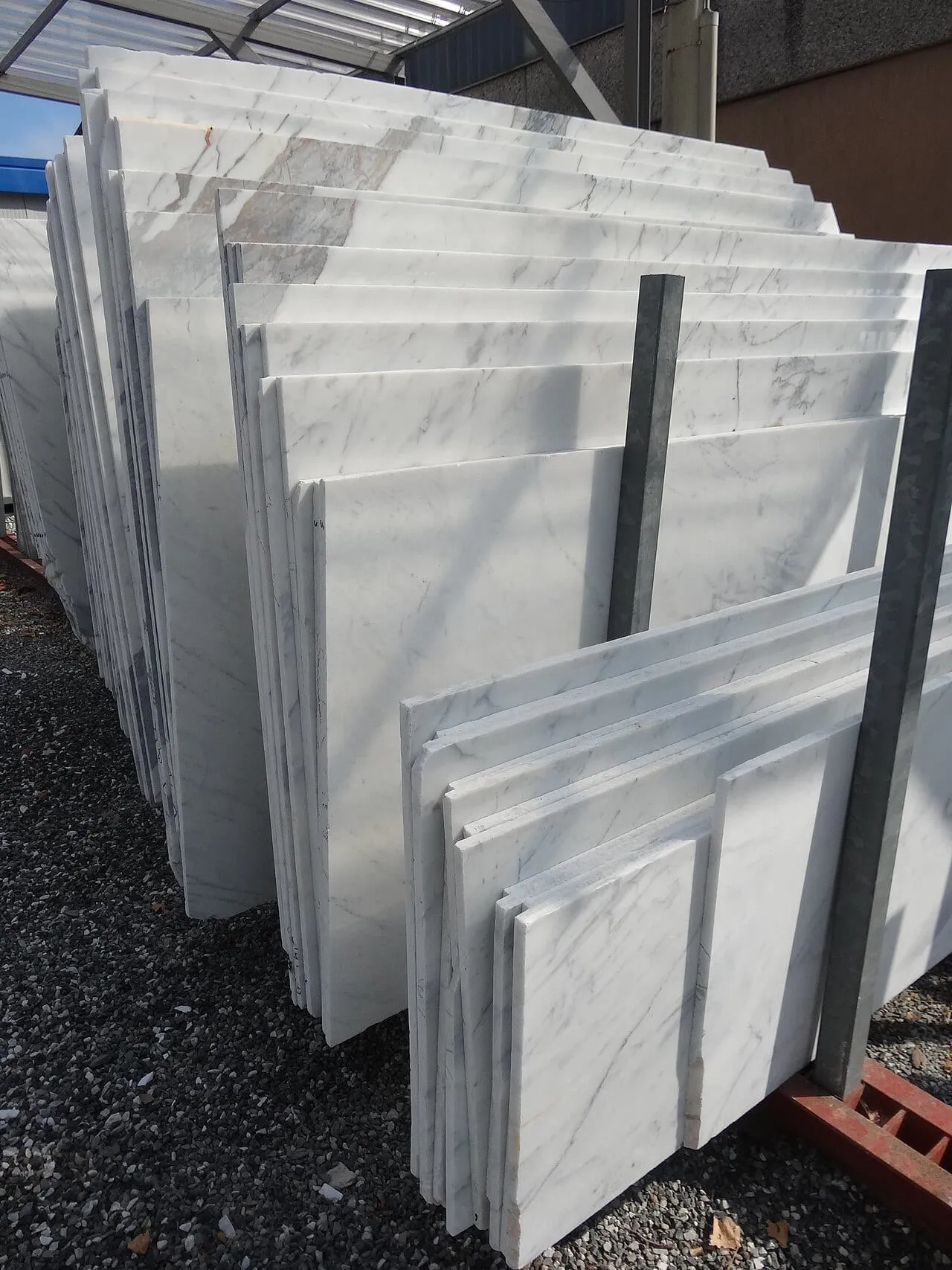
Marble
Limestone reborn by heat and pressure — the favourite stone of sculptors and architects for thousands of years.
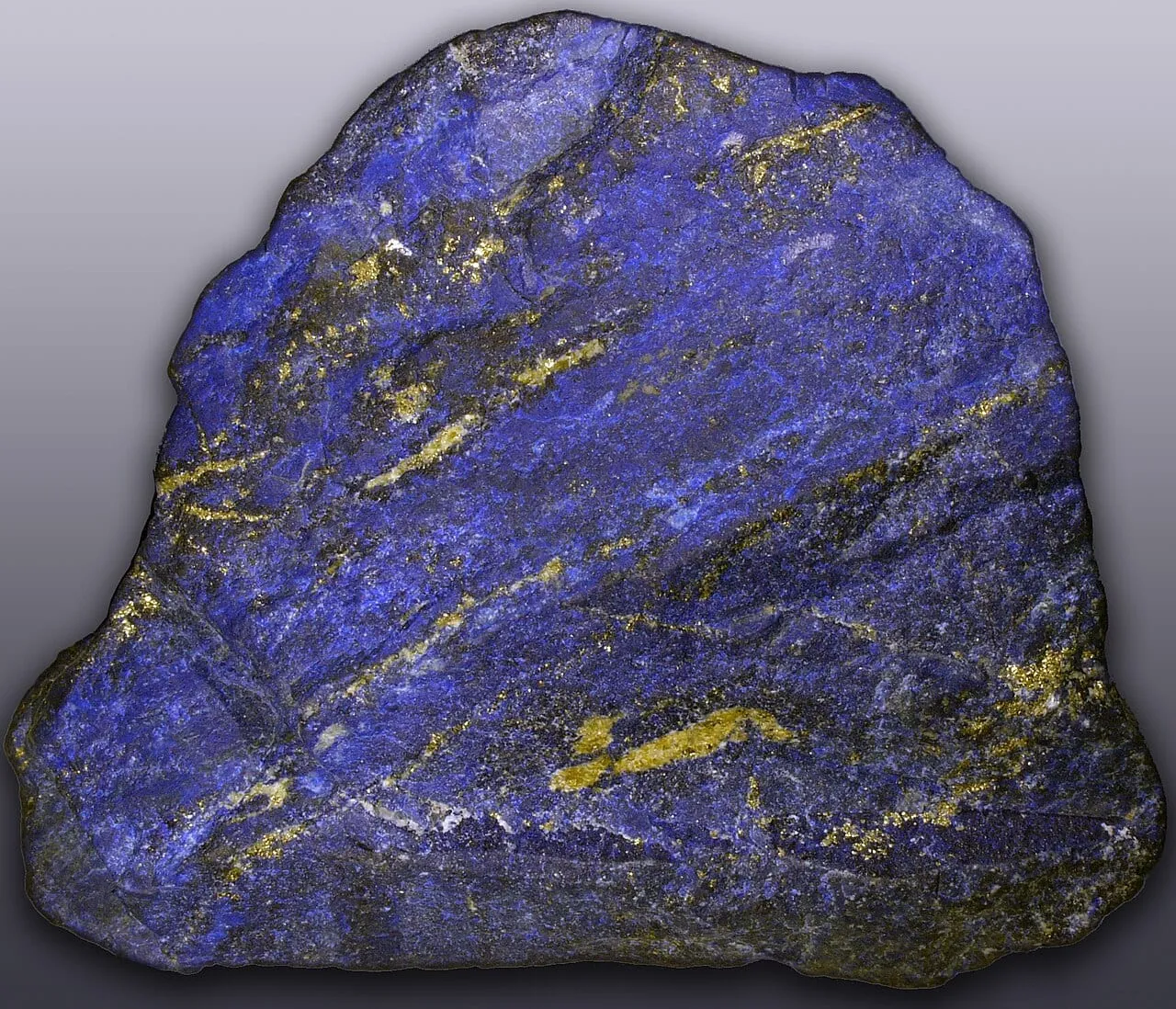
Lapis lazuli
A midnight-blue rock flecked with gold, used for thousands of years in seals, jewellery and painters' ultramarine.
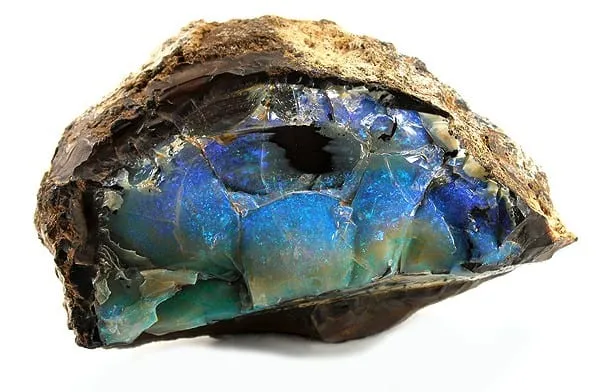
Opal
Water-bearing silica with no crystal structure: in precious opal, tiny stacked spheres split light into flashes of rainbow colour.
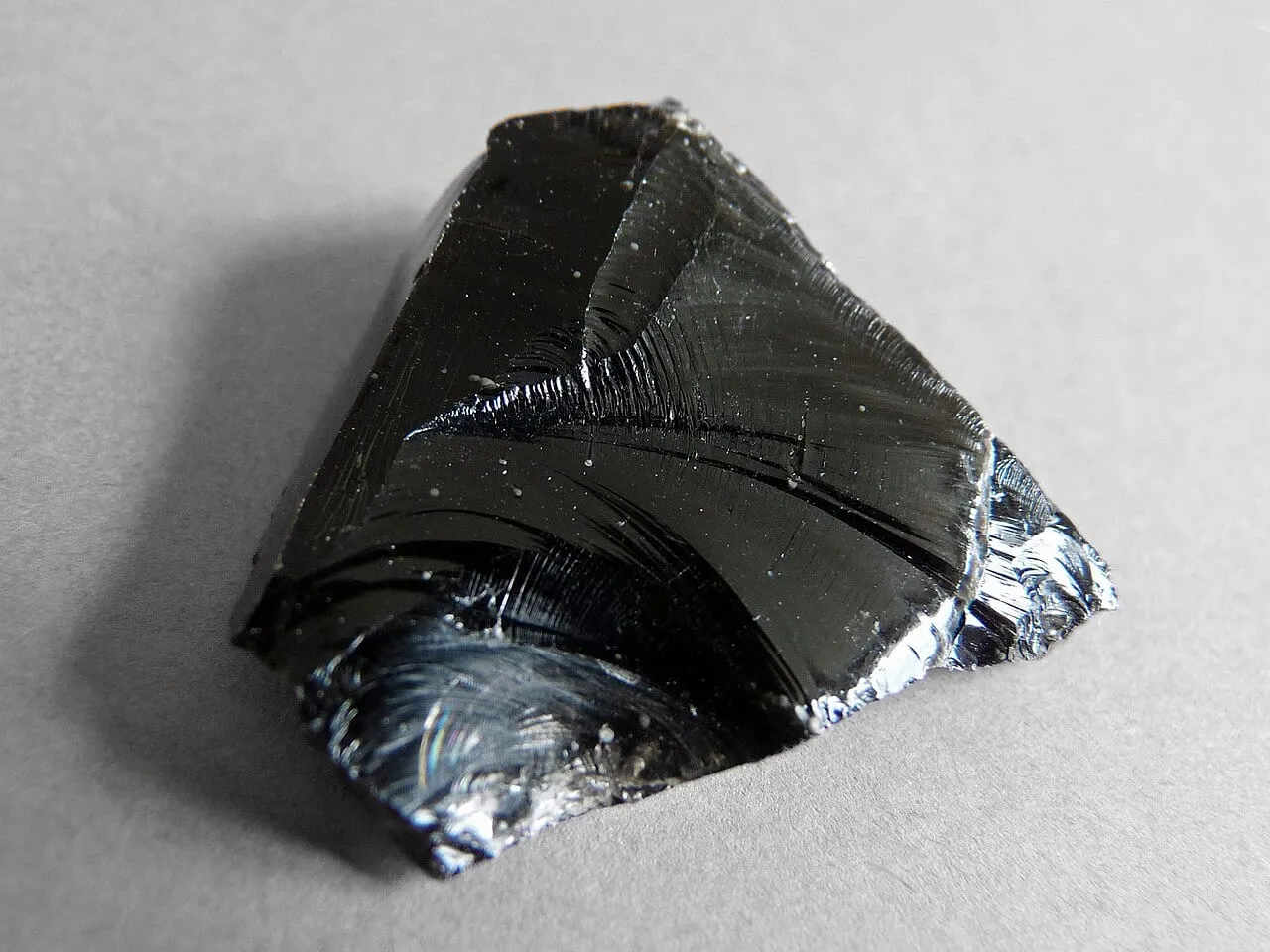
Obsidian
Nature’s volcanic glass — the shiny black stone that gave the Stone Age its sharpest blades.
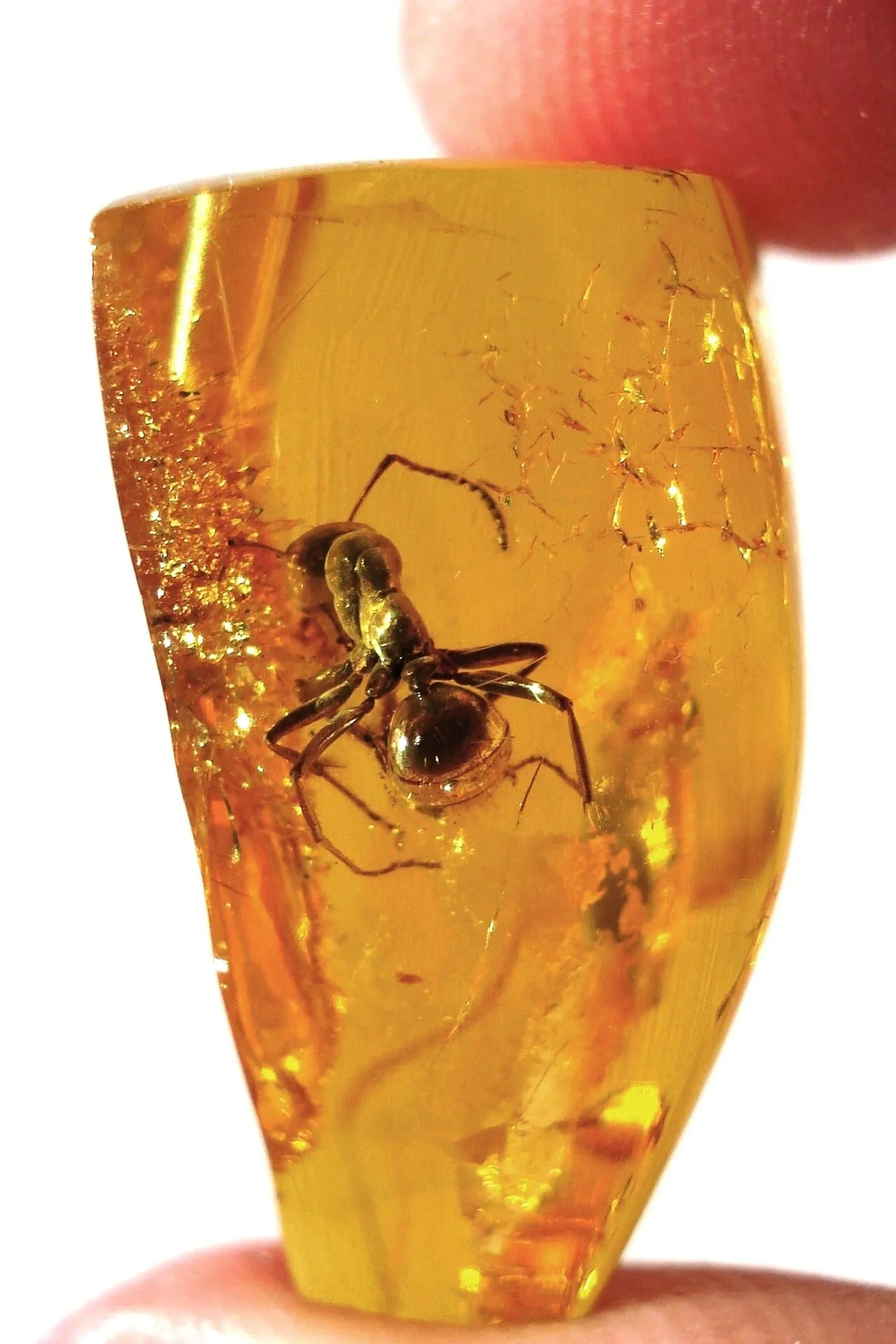
Amber
Tree resin fossilised over millions of years: a light, warm organic gem that sometimes holds prehistoric insects.
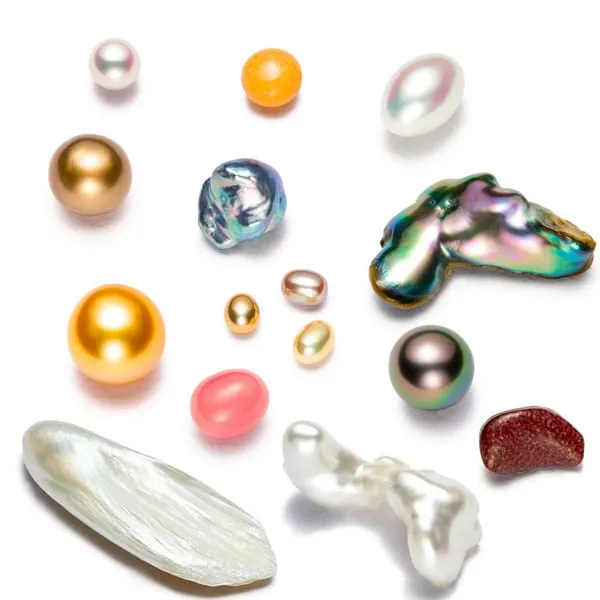
Pearl
An organic gem that grows layer by layer inside oysters and mussels and glows without any cutting or polishing.
Oltu stone
Erzurum’s black treasure: a kind of jet made from coalified wood, famous for its prayer beads.
Chondrite
A leftover from the birth of the Solar System, full of tiny once-molten droplets, and the commonest kind of meteorite to fall to Earth.
Sources
- Definition of a mineral (Nickel, E. H.), European Journal of Mineralogy 7(5): 1213–1216 · Schweizerbart, 1995
- The New IMA List of Minerals – Updated: July 2026 · International Mineralogical Association, CNMNC, 2026
- Mineral · Wikipedia
- Mineraloid · Wikipedia
- Types of meteorites · Natural History Museum, London
- The Gemstone Book · CIBJO (The World Jewellery Confederation), 2022