Cleansing and harmful rays: which stones are believed to help, and what science says

This section reports beliefs; it is not health information. There is no scientific evidence for these claims and no stone replaces medical treatment.

What science says

Conflict with science: High: contradicts science or may cause harm

Claims that stones “absorb” radiation, phone or Wi-Fi waves, or “cleanse” the body or water contradict physics and chemistry. On the contrary, some stones release toxic substances in water, and some jewellery sold as “negative ion” has turned out to be radioactive.

Stones linked with this area (30)

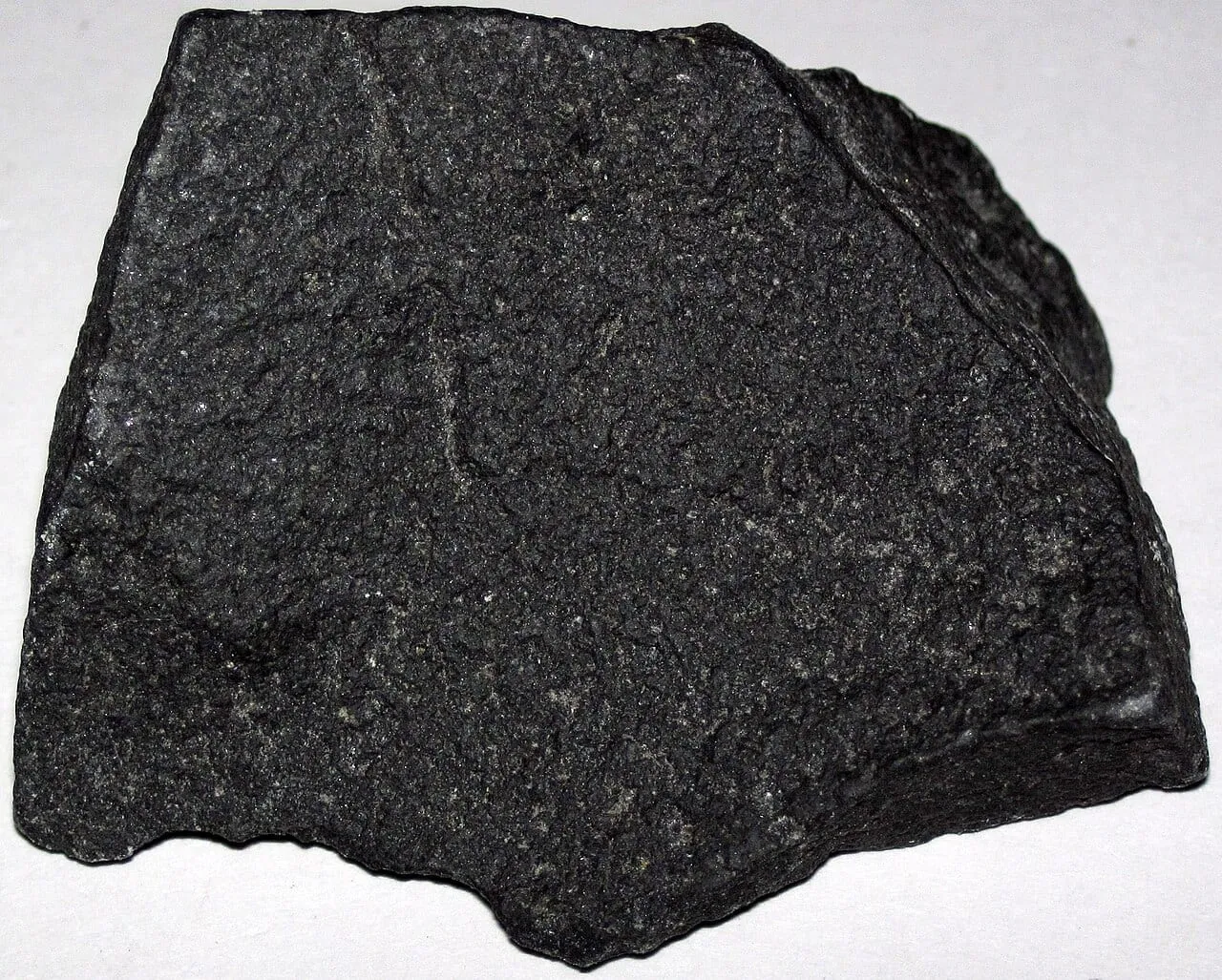
Basalt

  • Today some sellers and crystal-therapy practitioners claim that bracelets of “lava stone” beads, made of porous basalt, calm the wearer and “ground” them.
  • In Türkiye, sellers of natural-stone bracelets and crystal-therapy sites say that lava stone bracelets balance the root chakra, absorb “negative energy” and rid the wearer of electromagnetic charge.

What science says The only known property of lava stone beads is that they are porous, so they soak up a drop of essential oil or perfume and hold the scent for a while. There is no scientific evidence that they have a calming or “grounding” effect, balance any energy, or cleanse and protect the wearer from electromagnetic waves; an ordinary piece of rock does not “absorb” waves from a phone, Wi-Fi or any other source.
Gypsum

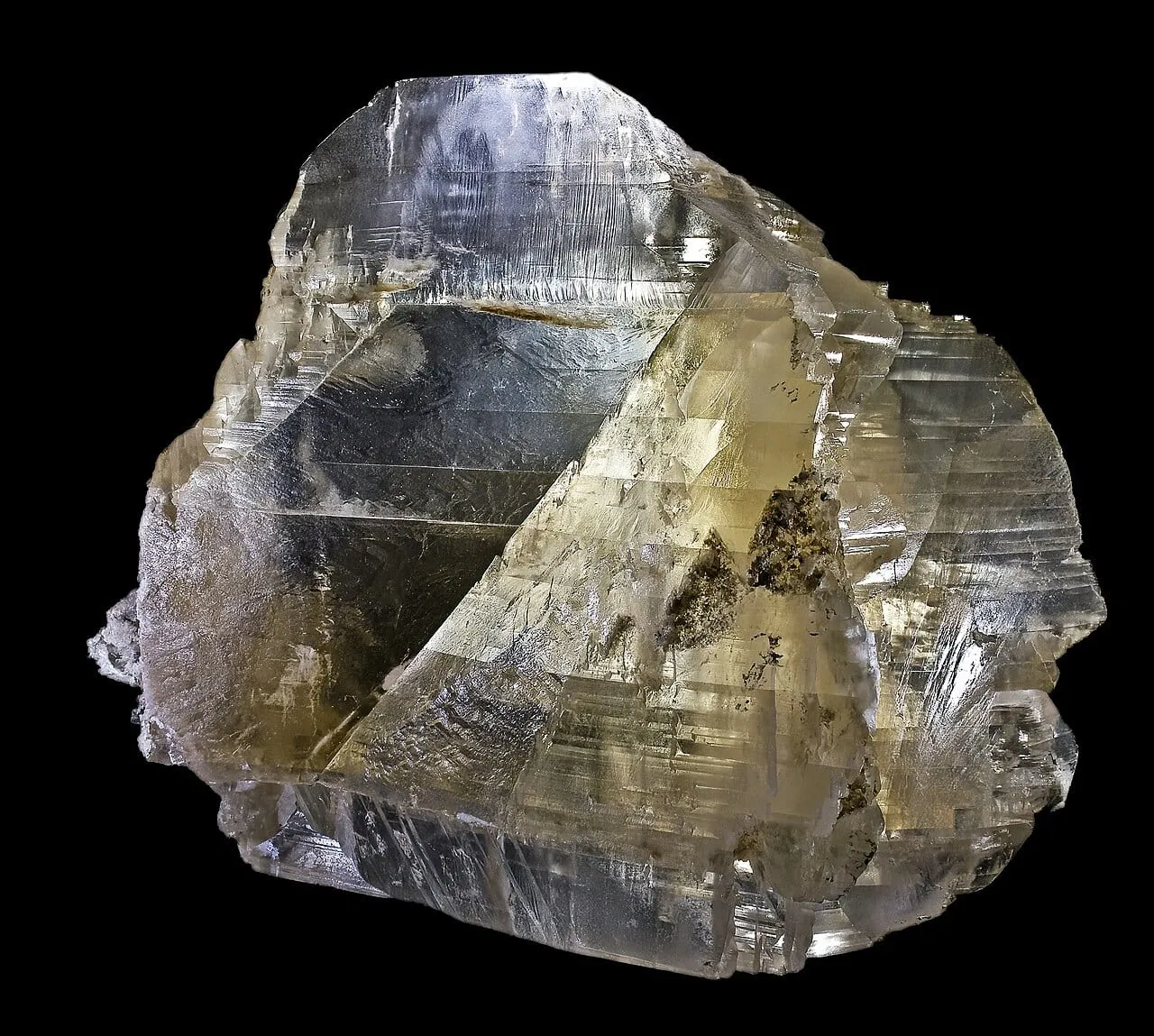
  • In the early 20th century, beads of fibrous gypsum (satin spar) were sold at Niagara Falls as “luck stones” believed to bring good fortune, with the claim that they had been taken from beneath the Falls at great peril.
  • Today crystal therapy practitioners claim that “selenite” wands cleanse the room they are in, and other crystals placed beside them, of negativity.

What science says The wands sold as “selenite” are mostly fibrous gypsum and have no properties beyond those of ordinary gypsum; there is no evidence that they cleanse rooms or other stones. As for the Niagara “luck stones”, Kunz notes that the material was cut in England or Russia.

Halite (rock salt)

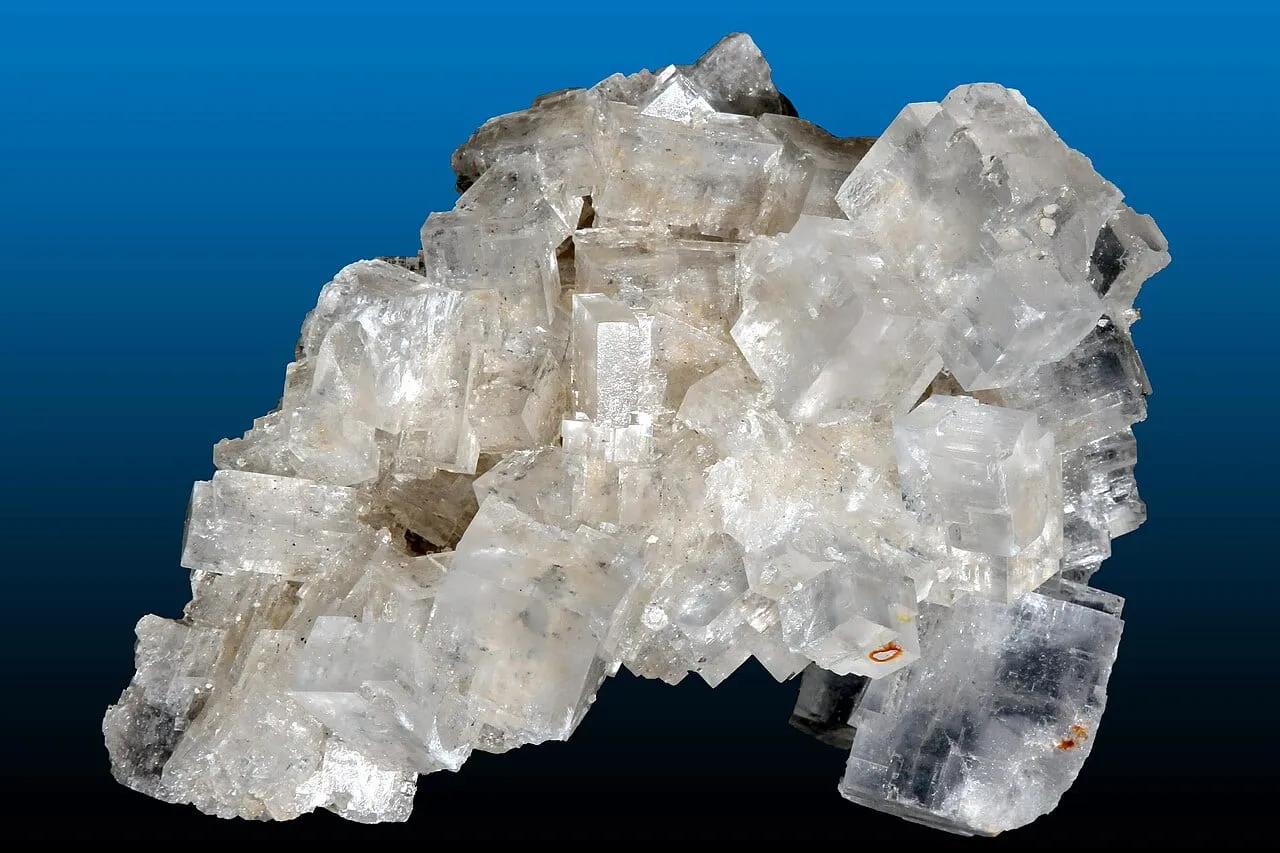
  • In Anatolia, salting a newborn baby (rubbing its body with salt) is believed to prevent sweating and bad smells and to protect the baby from the evil eye.
  • Spending time in salt caves such as the one in Çankırı (halotherapy) is claimed to help respiratory diseases such as asthma and COPD (chronic obstructive pulmonary disease), and people visit these caves for that purpose.
  • In Turkish and Slavic folk belief salt protects against the evil eye and ill fortune: new mothers, pregnant women, babies, travellers and hunters were expected to carry a pinch of salt against the evil eye, and in the Rize area salt is dropped into a cow’s milk to keep the evil eye away.
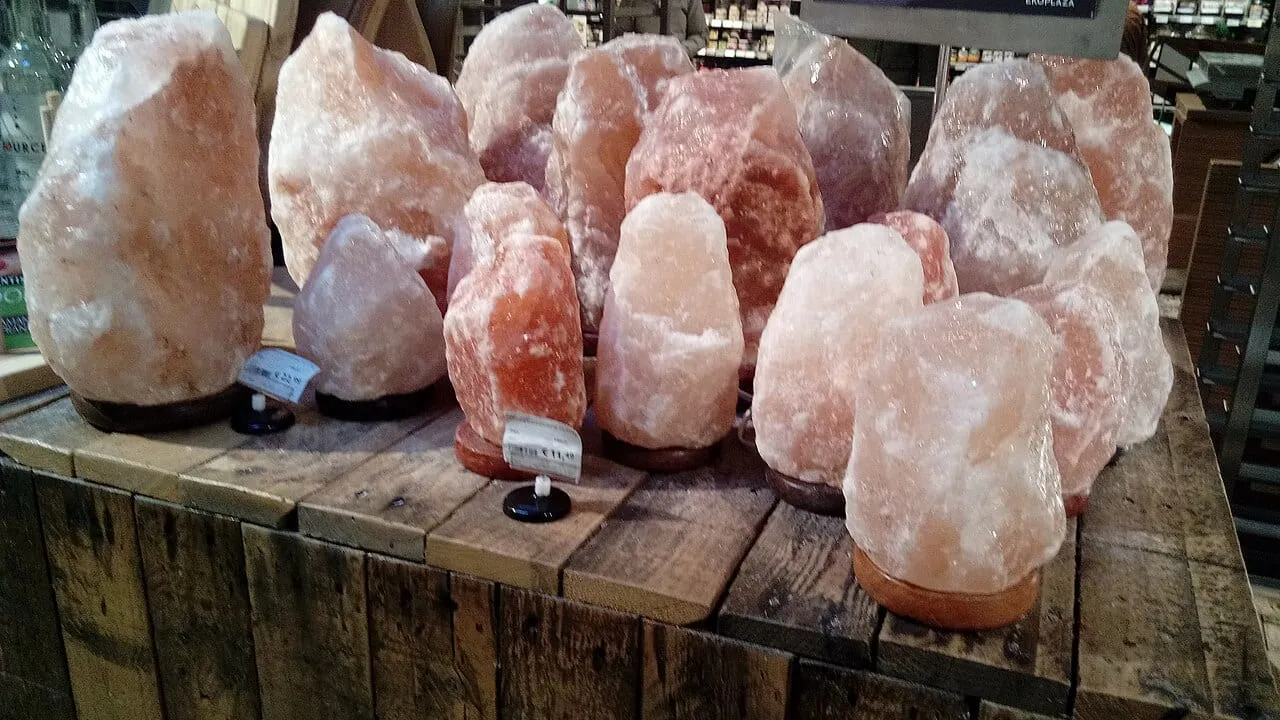
  • Sellers of salt lamps and “Himalayan salt” products claim that the lamps give off “negative ions”, purify the air and are good for health.

What science says Salting babies is dangerous: in Türkiye, skin burns and dangerously high blood sodium (hypernatraemia) have been reported in salted newborns, and severe hypernatraemia can cause seizures, permanent brain damage and death. Nor has halotherapy been shown in reliable studies to be effective for asthma or COPD; a visit to a salt cave should not replace treatment prescribed by a doctor. Carrying a pinch of salt is a harmless tradition; but salt lamps have not been shown to give off “negative ions” that benefit health.

Himalayan salt and salt lamps

  • According to salt lamp sellers, the lamp gives off “negative ions” when it warms up; these ions are said to clean the air and neutralise “harmful radiation” from electronic devices.
  • The same sources claim that salt lamps relieve allergies and asthma, improve sleep, reduce stress and lift the mood.
  • In some countries of Central and Eastern Europe, spending time in salt caves (speleotherapy, halotherapy) is believed to help asthma and respiratory diseases.

What science says Claims that salt lamps release health-giving ions or clean the air have no scientific basis; the lamp is simply a block of salt warmed by the bulb inside, and its light can make a room feel cosy. The idea that it “absorbs” radiation from electronic devices also contradicts physics. A Cochrane systematic review of salt-cave therapy concluded that the available evidence does not allow a reliable conclusion as to whether it works for asthma. Salt lamps or salt caves should never replace asthma or allergy medicines.

Calcite

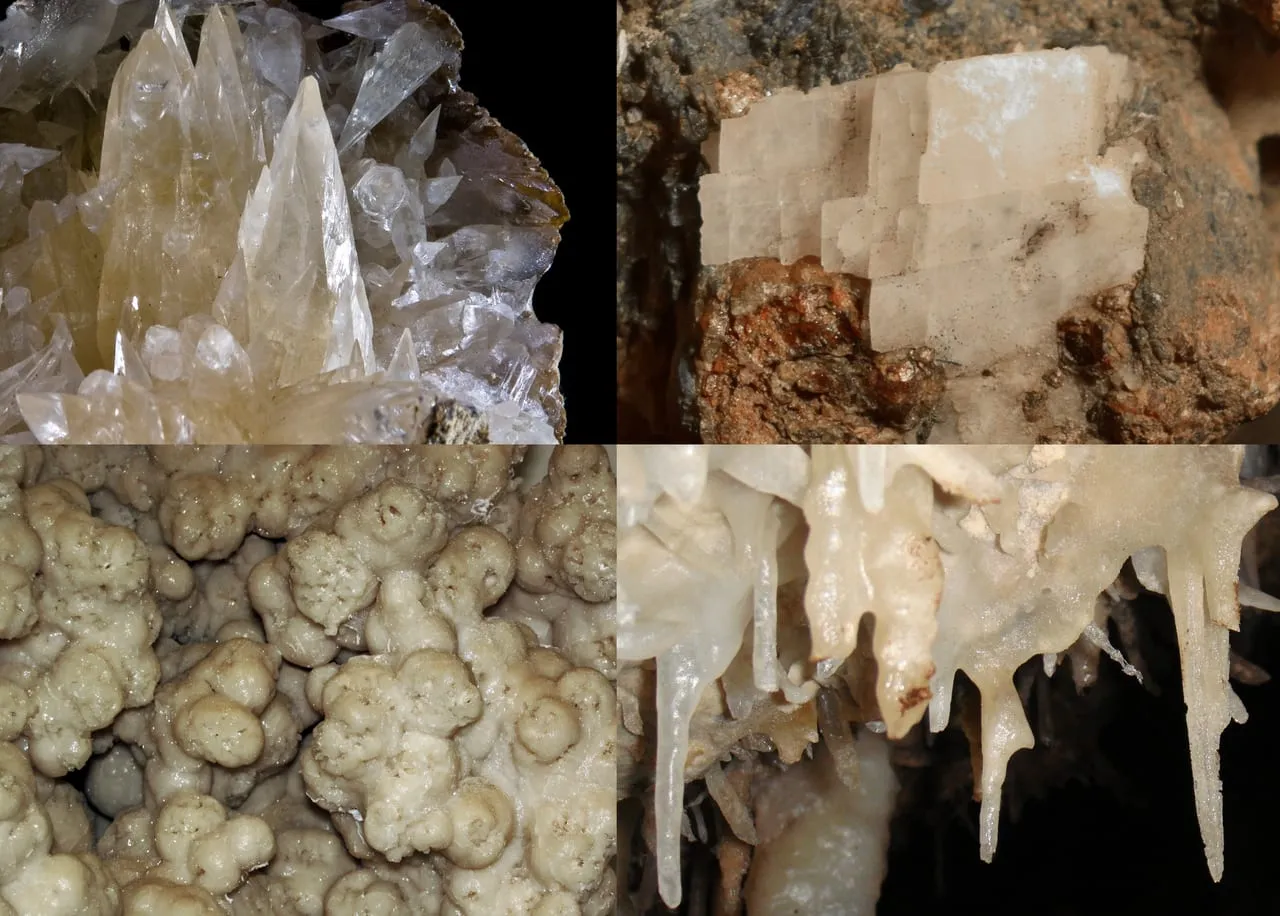
  • Today crystal-therapy practitioners claim that calcite has different effects depending on its colour, for example that orange calcite brings vitality and creativity.
  • In Türkiye, some news sites and crystal-therapy sites say that calcite cleanses and balances energy and sets all the chakras in motion.
  • The same sources claim that calcite strengthens teeth and bones, eases babies' teething and dissolves excess calcium in the body, reducing calcification.

What science says There is no scientific evidence that calcite has different effects depending on its colour; its colour comes from trace elements in the crystal, from inclusions or from dye. Carrying a stone or giving one to a baby does nothing for the health of bones and teeth; calcium comes from food. The claim that calcite “dissolves excess calcium” and reduces calcification is not scientific either; calcification does not go away with a stone, and a doctor should be consulted if complaints persist. Giving small stones and beads to babies also carries a choking risk.

Graphite

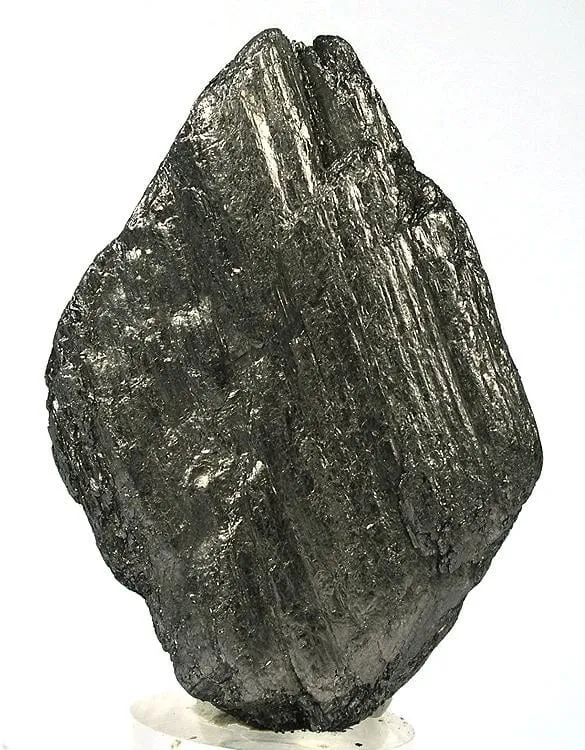
  • Crystal therapy websites and sellers claim that shungite, a carbon-rich rock (it is not graphite, but is often mentioned together with it), absorbs phone, Wi-Fi and 5G “radiation” and purifies water.

What science says Shungite is not graphite but a carbon-rich rock; there is no scientific evidence that it absorbs phone or 5G waves or purifies water. It can contain heavy metals such as lead and cadmium, so it should not be soaked in water that is then drunk; graphite should not be used for “gem water” either.

Kaolinite

  • In West Africa and in some communities of African descent, eating kaolin-rich clays such as “calabash chalk” is believed to prevent nausea and vomiting in pregnancy.
  • In the cosmetics world, white clay (kaolin) masks are claimed to “draw toxins” out of the skin.
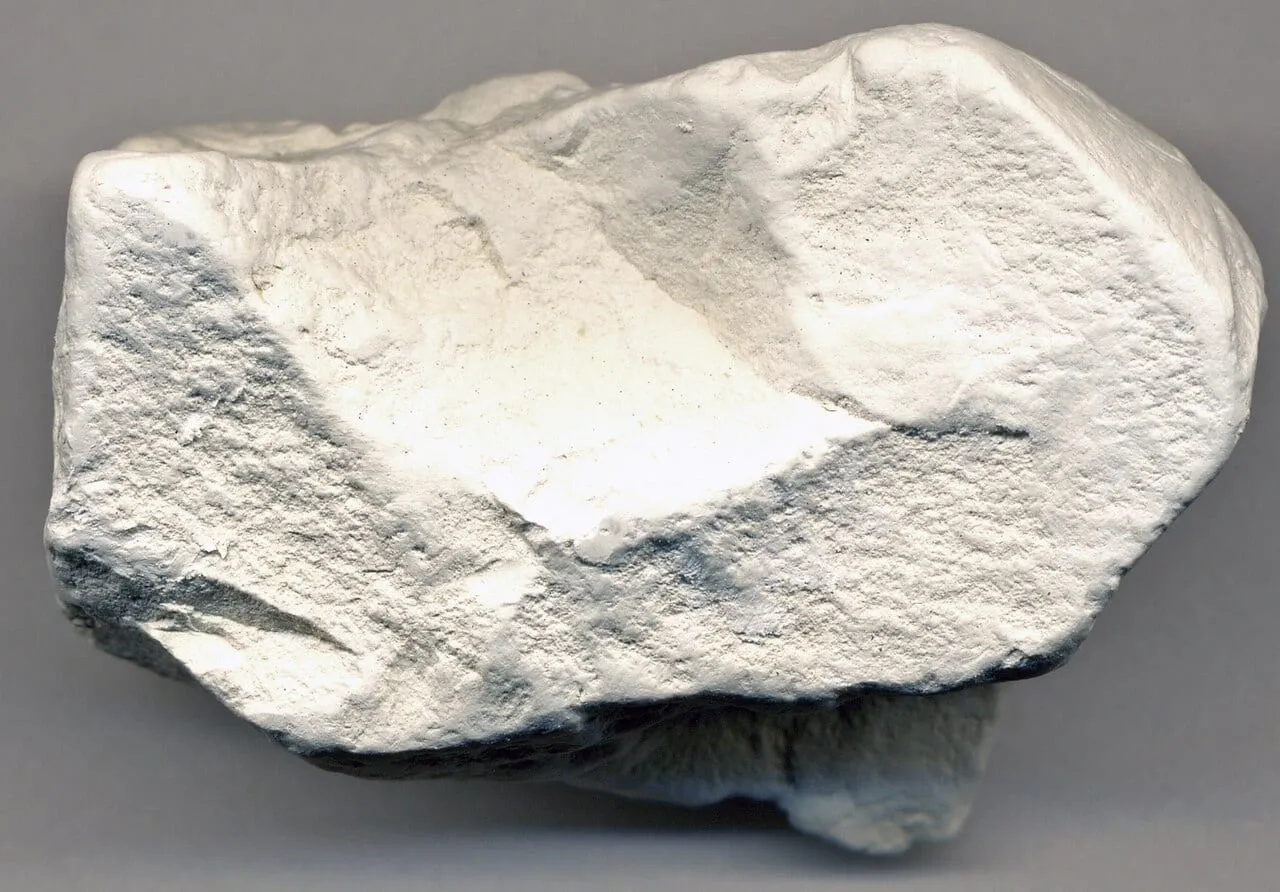
  • In Türkiye, natural-care websites say kaolin clay also “purifies” hair, teeth and underarms of “toxins and odour”, and can be used as a natural shampoo, tooth cleaner and deodorant.

What science says Kaolin does absorb oil and dirt, which is why it is used in cleansing masks, but there is no evidence that it pulls “toxins” out of the body. Clays sold for eating can contain high levels of lead; for this reason the Food Safety Authority of Ireland (FSAI) has advised people, especially pregnant and breastfeeding women, not to eat “calabash chalk”.

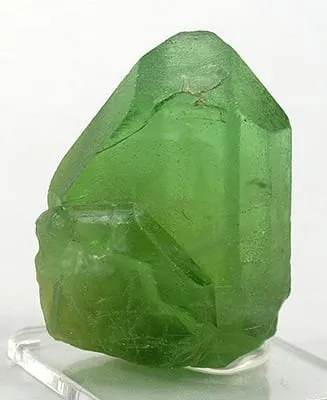
Olivine

  • Ancient and medieval belief held that peridot (chrysolite) set in gold drove away night terrors and nightmares.
  • Peridot pierced, strung on donkey hair and tied to the left arm was believed to protect against evil spirits and enchantment.
  • In Türkiye, stone sellers and crystal-therapy websites say that zebercet (peridot, olivine) helps the stomach, bowel, liver and thyroid, cleanses the body of toxins, calms feelings such as jealousy, anger and guilt, and brings abundance.

What science says Peridot's green colour comes from the iron in its structure; there is no evidence that it prevents nightmares or wards off evil. The claims that it helps the stomach, bowel or thyroid, or “cleanses” the body, are equally unproven. If sleep or digestive problems persist, see a doctor.

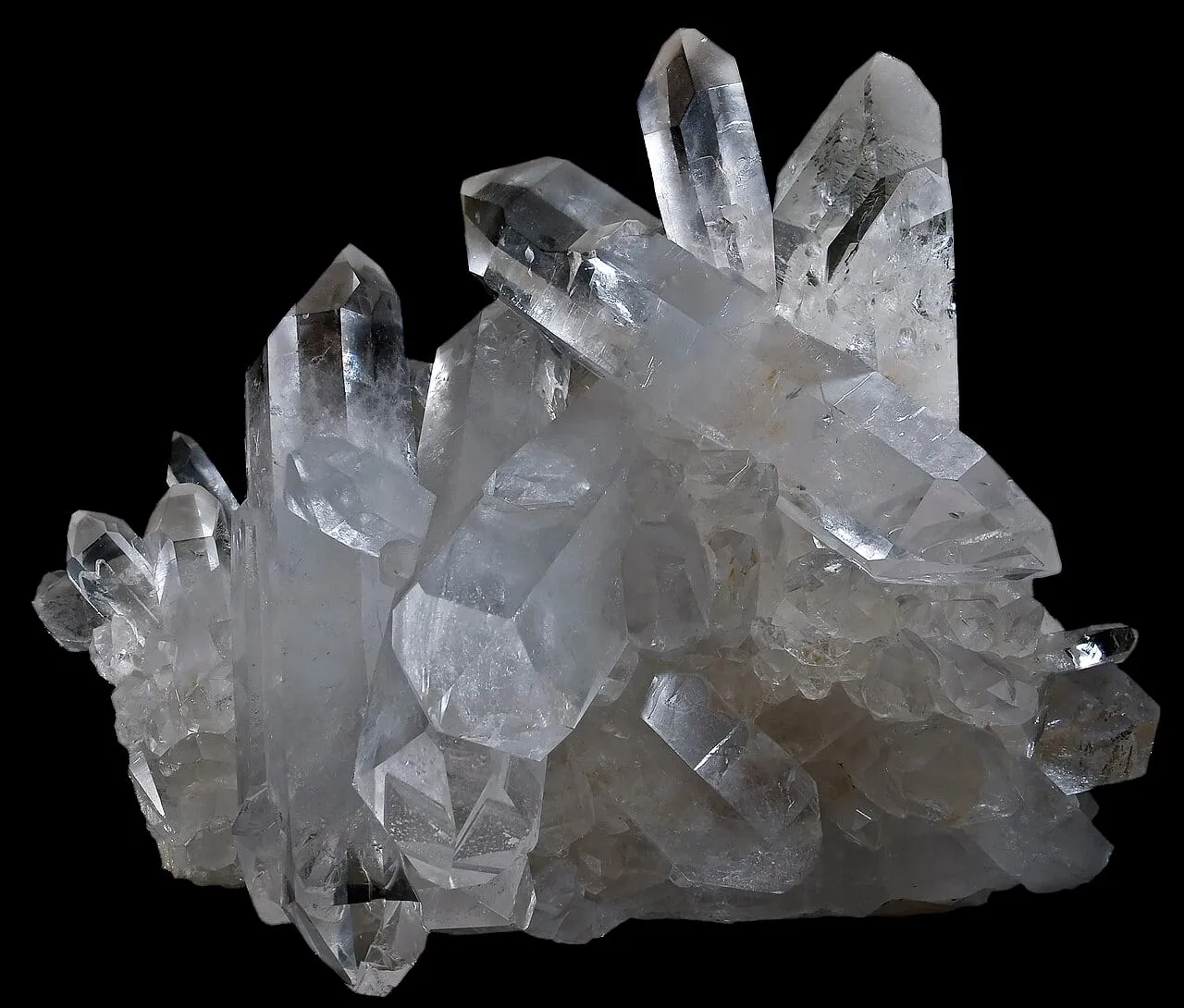
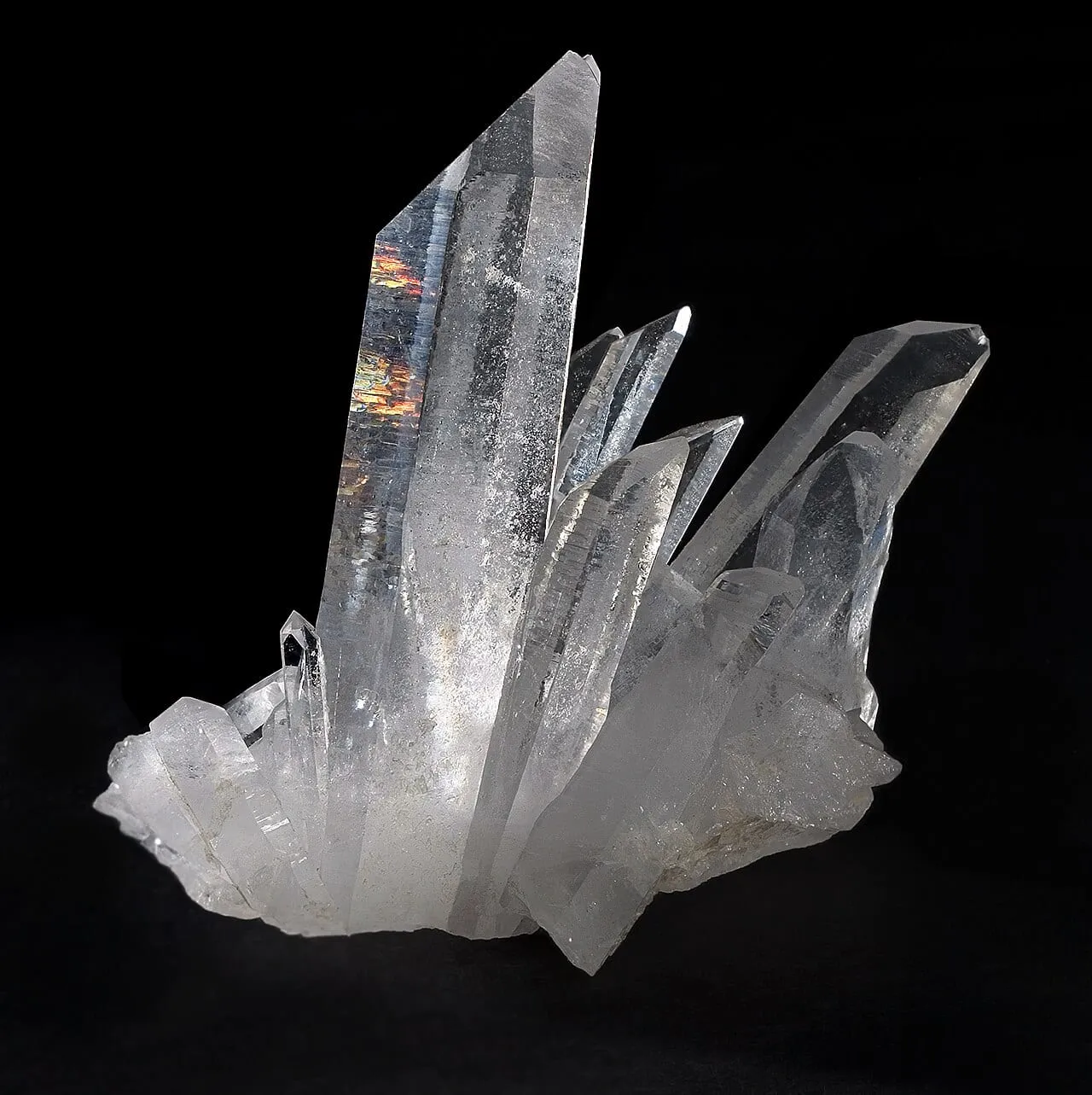
Quartz

  • Since the Middle Ages, people have believed that gazing into balls of rock crystal can reveal the future and hidden things; this form of divination is called crystal gazing.
  • Today crystal healing practitioners present clear quartz as a “master healer” and claim that it boosts energy and amplifies the effects of other stones.
  • In Turkey, stone sellers and crystal-therapy websites claim that clear quartz (known there as “necef taşı” or mountain crystal) cleans away “negative energy” around you, sharpens focus and memory and balances all the chakras.

What science says The piezoelectric effect of quartz is real, but a crystal only produces a small voltage when it is mechanically squeezed; a stone held in the hand gives off no energy that affects the body. In an experiment reported in 2001, participants holding fake stones they believed to be quartz reported the same sensations as those holding real quartz, showing that the effect comes from suggestion (placebo). There is likewise no evidence that quartz “cleanses” a room, the body or the aura, or improves focus and memory.

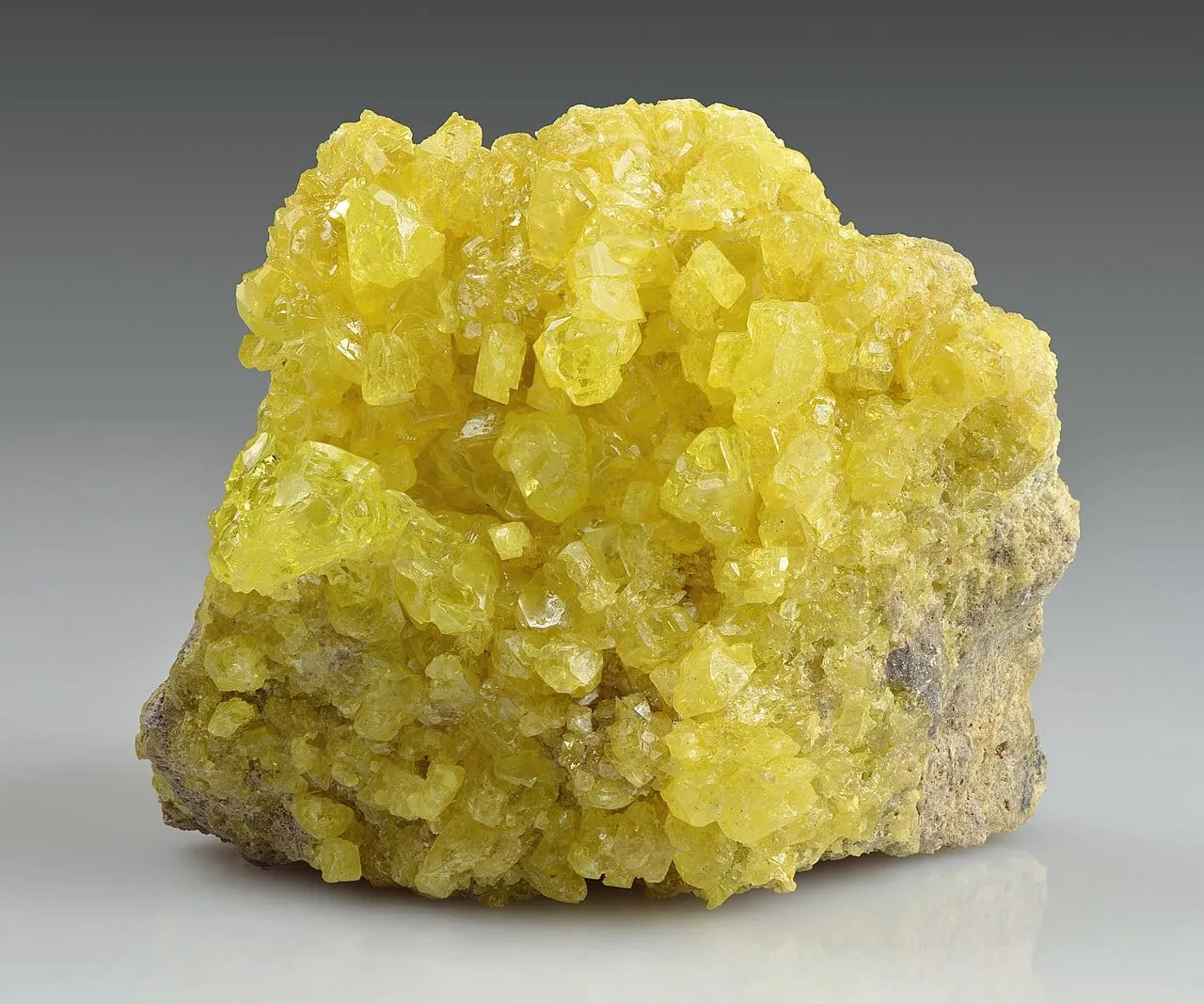
Sulfur

  • The ancient Greeks believed that burning sulfur purified a place: in Homer's Odyssey, Odysseus purifies his palace by burning sulfur after dealing with the suitors.
  • Today crystal healing practitioners claim that sulfur crystals draw away “negative energy”.
  • In Türkiye, people commonly believe that sulfur-rich water, mud and sulfur soap help scabies, eczema, fungal infections and muscle aches; the sulfur streams at Demre in Antalya are an example.
  • In Türkiye, people also commonly believe that burning sulfur in an enclosed space drives away rats and insects.

What science says The sulfur dioxide given off by burning sulfur really can kill insects and microbes, which is why sulfur was once used for fumigation. But the same gas is toxic to people: never burn sulfur indoors, never drink water in which sulfur crystals have been soaked, and do not breathe its dust. Sulfur ointments and soaps really are used for some skin problems such as acne and scabies, but these are purified medicines and cosmetics with a known dose, not natural sulfur stone, sulfur water or mud. In May 2025, when sulfur was burned on the roof of an apartment block in Tokat to drive away rats, the smoke spread through the building and four people were taken to hospital.

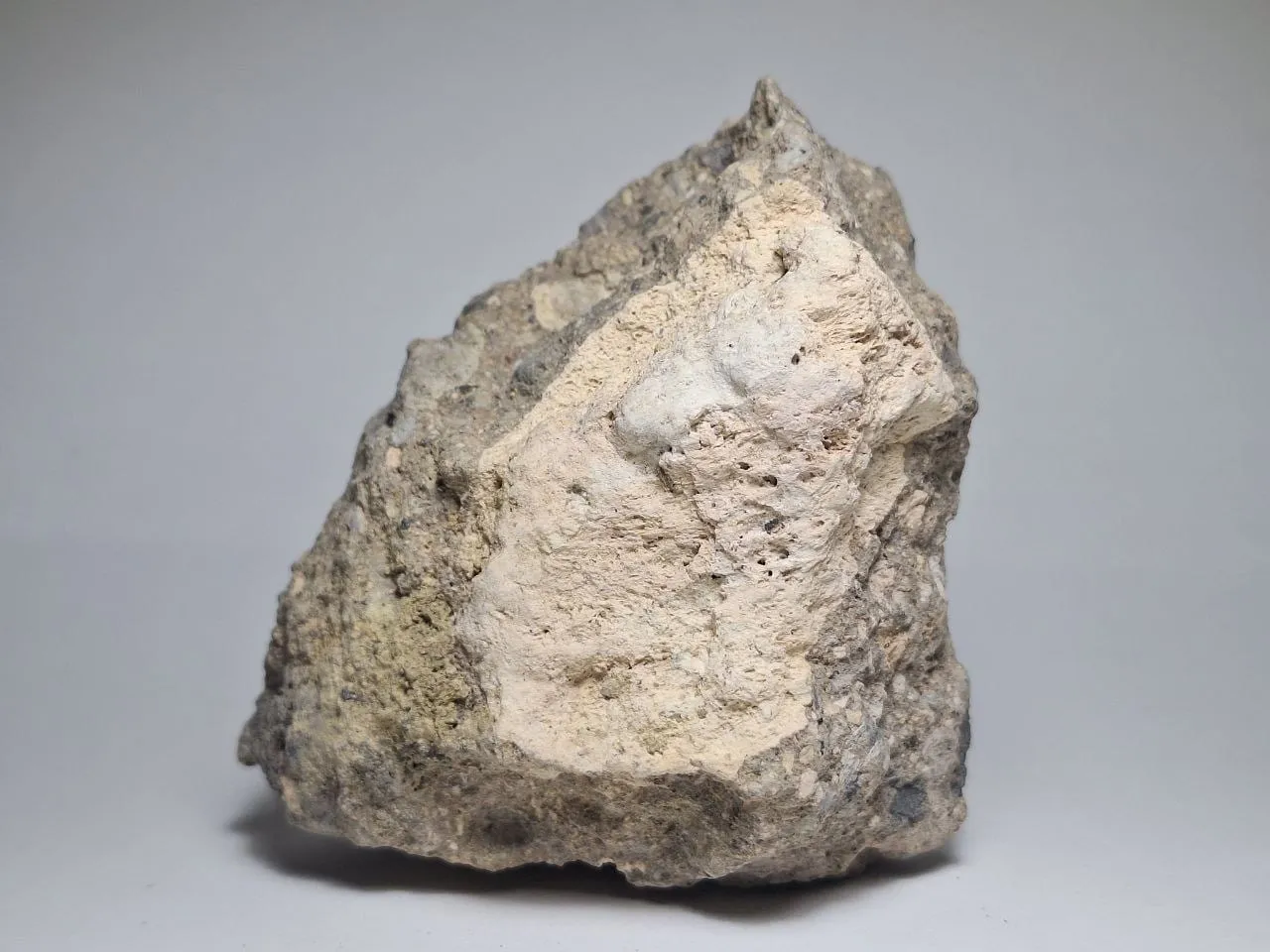
Tuff

  • In Türkiye, zeolite (clinoptilolite) powder and tablets, obtained from zeolite-bearing tuff, are sold with claims that they remove heavy metals and toxins from the body and strengthen immunity.

What science says Zeolites have not been shown to remove heavy metals or toxins from the human body; according to WebMD, no zeolite supplement has been proven to work for any medical condition, the US Food and Drug Administration (FDA) has sent warning letters to companies selling “detox” zeolites for misleading claims, and zeolites can interact with some antibiotics and chemotherapy drugs. The real use of zeolites in water treatment and in removing heavy metals from wastewater is a different matter: that is a laboratory and industrial application. Fibrous zeolites such as erionite harm the lungs when breathed in; the mesothelioma epidemic in Cappadocia is linked to it. Tuff or zeolite powder should never be swallowed, breathed in or soaked in water that is then drunk.

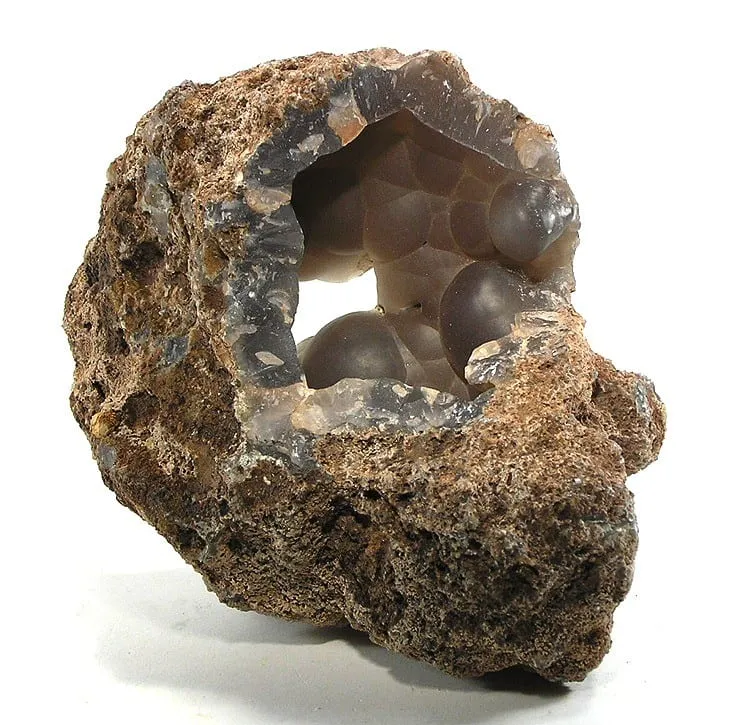
Chalcedony

  • According to a Greek lapidary thought to date from the 3rd or 4th century AD, an amulet set with chalcedony together with a red stone was believed to protect sailors from drowning.
  • In earlier centuries in Europe, chalcedony was believed to drive away ghosts and frightening visions of the night.
  • Today crystal-therapy practitioners claim that chalcedony, blue chalcedony in particular, is calming and makes communication easier.
  • In Türkiye, some news sites and crystal-therapy sites say that chalcedony drives away negative energy and gives energy and motivation.
  • The same sources claim that chalcedony helps with chronic illness, coughs and sleep problems, and eases stress and depression.

What science says Chalcedony is made of chemically inert silica; there is no scientific evidence that it protects people from drowning, nightmares or anxiety, gives energy, or cures chronic illness, coughs, sleeplessness or depression. Depression and chronic illness need medical treatment; medicines should not be replaced by a stone or stopped without consulting a doctor.

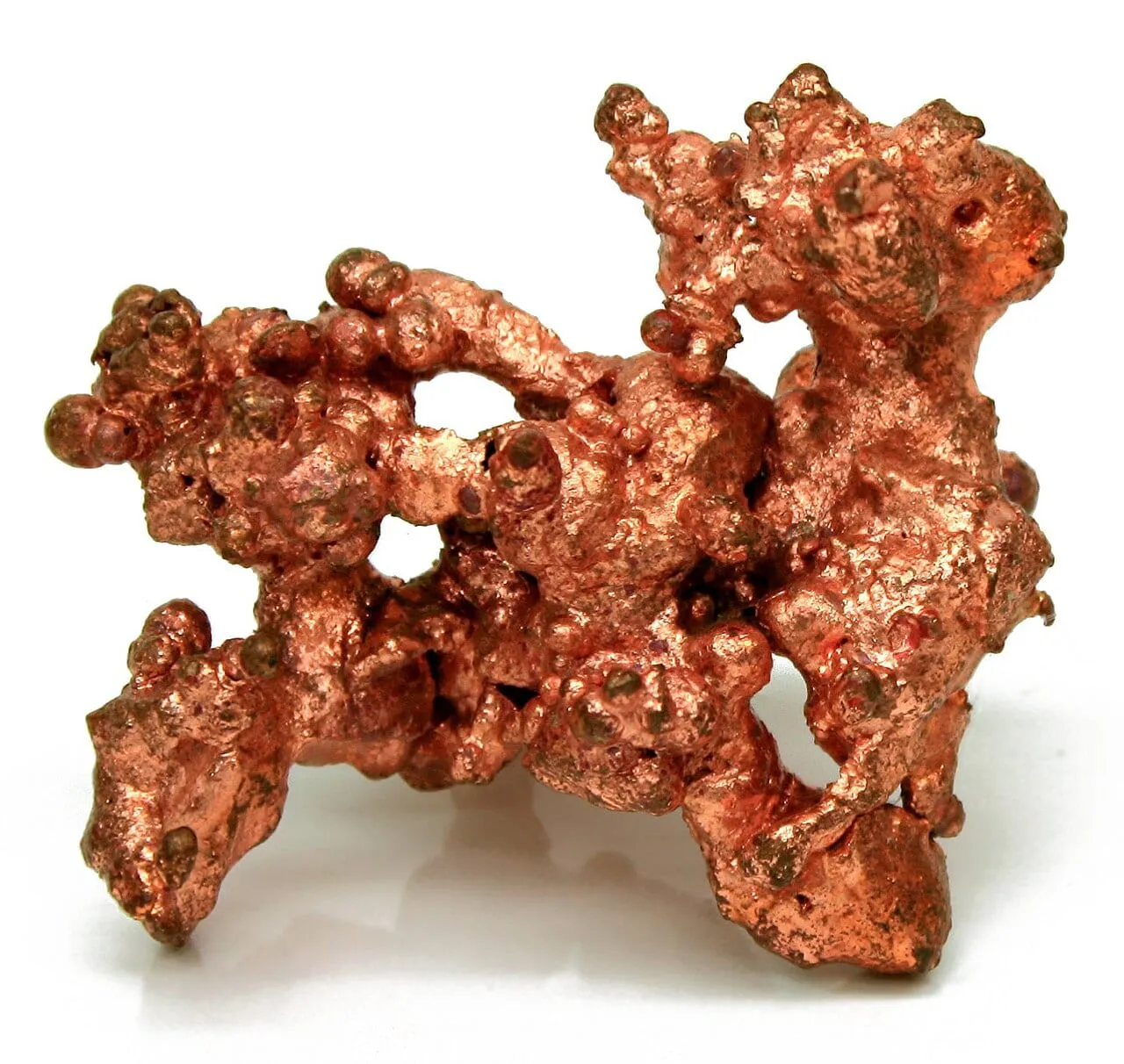
Copper

  • Folk tradition and some sellers claim that copper bracelets relieve rheumatism and joint pain.
  • In Ayurveda, the traditional medicine of India, water kept overnight in a copper vessel is believed to aid digestion and immunity.
  • Many health and lifestyle websites in Türkiye claim that water kept in a copper cup or jug cleanses the body of toxins, helps the stomach, liver and kidneys, strengthens immunity and aids weight loss.

What science says In a controlled trial with 70 patients with rheumatoid arthritis (Richmond et al., 2013), copper bracelets had no effect on pain, inflammation or the course of the disease beyond that of a placebo. Copper is an essential trace element that a normal diet supplies in sufficient amounts; too much of it is toxic, so acidic drinks should not be kept in copper vessels. It is true that copper surfaces kill some bacteria, but that does not mean copper water “detoxifies” the body; the liver and kidneys clear toxins.

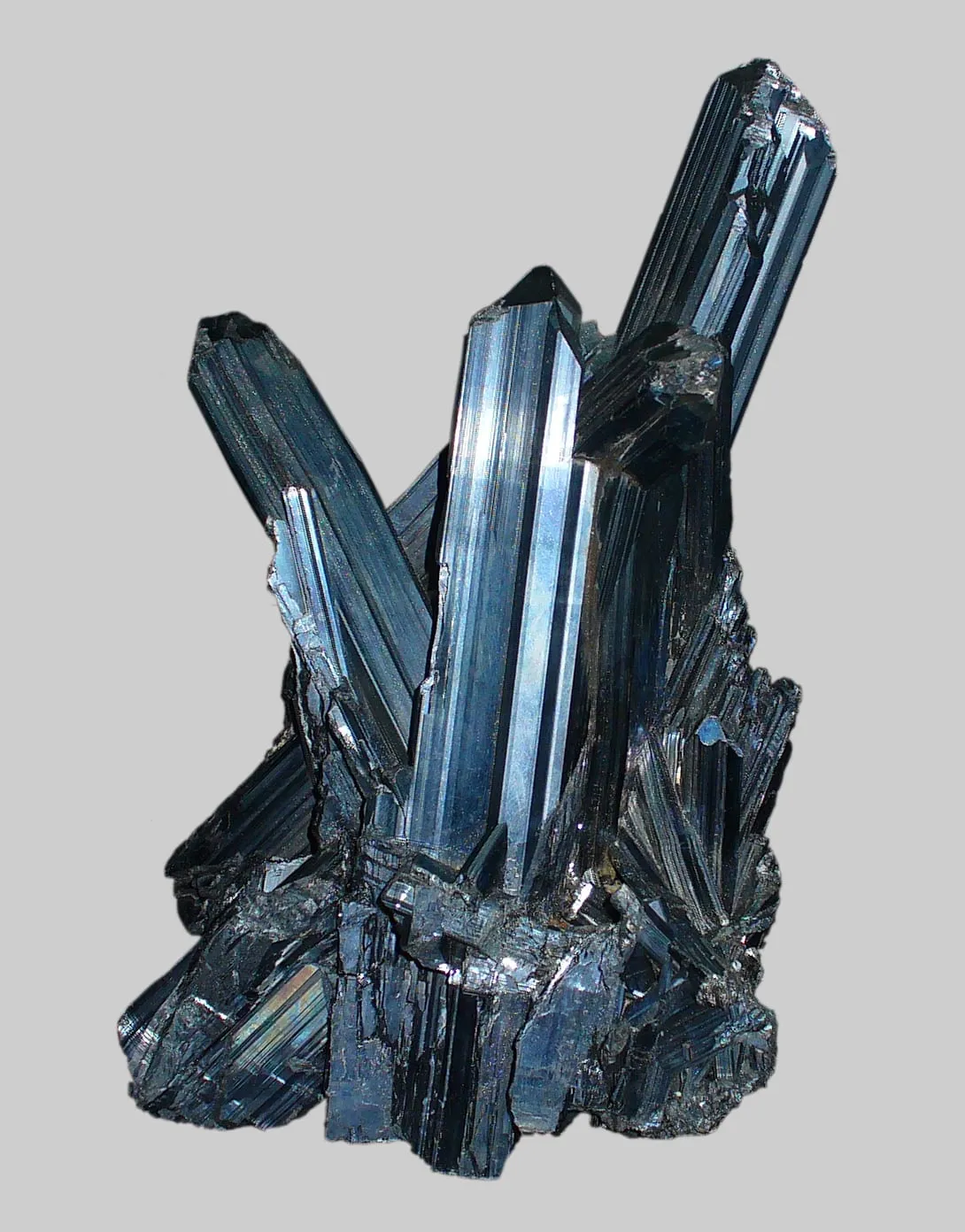
Stibnite

  • Since ancient Egypt, people in the Middle East and South Asia have believed that kohl applied to the eyes keeps them cool and clean, strengthens eyesight and wards off the evil eye.
  • In earlier centuries Europeans believed that antimony compounds cured many illnesses by making people vomit and “purging” the body; antimony pills were swallowed, recovered after passing through the body, washed and reused.
  • In Türkiye, religious accounts hold that “ismid” kohl, which the Prophet Muhammad is reported to have recommended (made from stibnite or galena), strengthens eyesight and lengthens the eyelashes.

What science says Antimony and its compounds are toxic, and antimony poisoning produces symptoms similar to arsenic poisoning. Stibnite or galena powder should never be put on the eyes or in the mouth, and the stone must never be soaked in water that is then drunk. Some traditional kohl sold in Türkiye may contain lead and should not be applied to the eyes, above all not to children’s.

Uraninite

  • In the early 20th century radioactivity was believed to be good for health: the inside of the “Revigator”, a ceramic water crock sold in the hundreds of thousands in the USA between 1924 and 1930, was lined with uranium ore, and water left in it was claimed to bring health.
  • Even today, some “negative ion” jewellery and “quantum” pendants containing radioactive material are sold with claims that they are good for health and protect against mobile-phone signals.

What science says Besides radioactive radon gas, the water from Revigators contained toxic substances such as arsenic and lead dissolved from the ore. In the Netherlands in 2021, all ten “negative ion” products tested exceeded the legal limit for radioactivity and their sale was banned; uraninite and other radioactive stones should never be worn against the skin or placed in water.

Zoisite

  • Crystal-therapy websites claim that zoisite, and above all ruby zoisite (anyolite), opens the heart chakra, increases love and compassion, heals old emotional wounds and strengthens creativity and self-confidence.
  • The same sources also say that zoisite boosts immunity and vitality, reduces inflammation, “detoxifies” the body and helps allergies.

What science says None of these claims is backed by measurement or a controlled study. Zoisite does not reduce inflammation, strengthen immunity or cure allergies; allergies and lasting illnesses call for a doctor. For emotional wounds, too, the answer is a mental-health professional when needed, not a stone.

Citrine

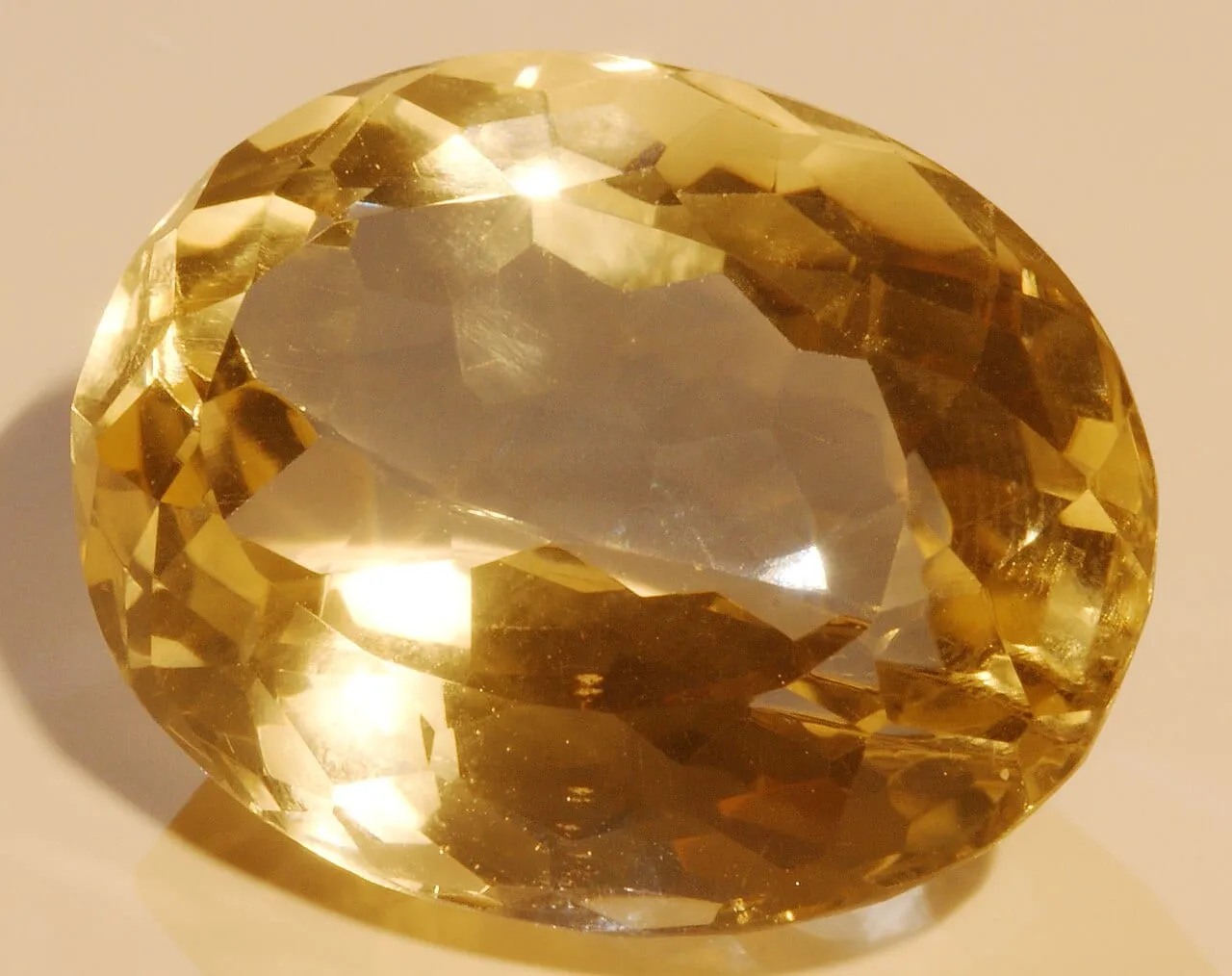
  • Citrine was once believed to share the powers of topaz, with which it was long confused, and to soothe anger and calm the wearer.
  • Today crystal-healing practitioners claim that citrine brings abundance, success and money; some shopkeepers keep it in the till, and it is nicknamed the “merchant’s stone”.
  • The same circles claim that citrine does not hold on to negative energy and therefore never needs “cleansing”.
  • Some news and crystal-therapy websites in Türkiye claim that citrine helps internal organs such as the heart, liver, kidneys and digestive system, as well as headaches and muscle pain, and makes it easier to give up bad habits and addictions.
  • The same sites claim that citrine protects against the radiation given off by electronic devices, drives out fears and gives courage, prevents nightmares when placed under a child’s pillow, and balances the energy of the home.

What science says There is no scientific evidence that citrine calms people, brings abundance or money, helps internal organs, protects against radiation or prevents nightmares; for a lasting complaint, see a doctor rather than relying on a stone. Moreover, most stones sold as citrine are amethyst heated in a furnace, so the “sunny colour” these beliefs rest on is usually man-made.

Fluorite

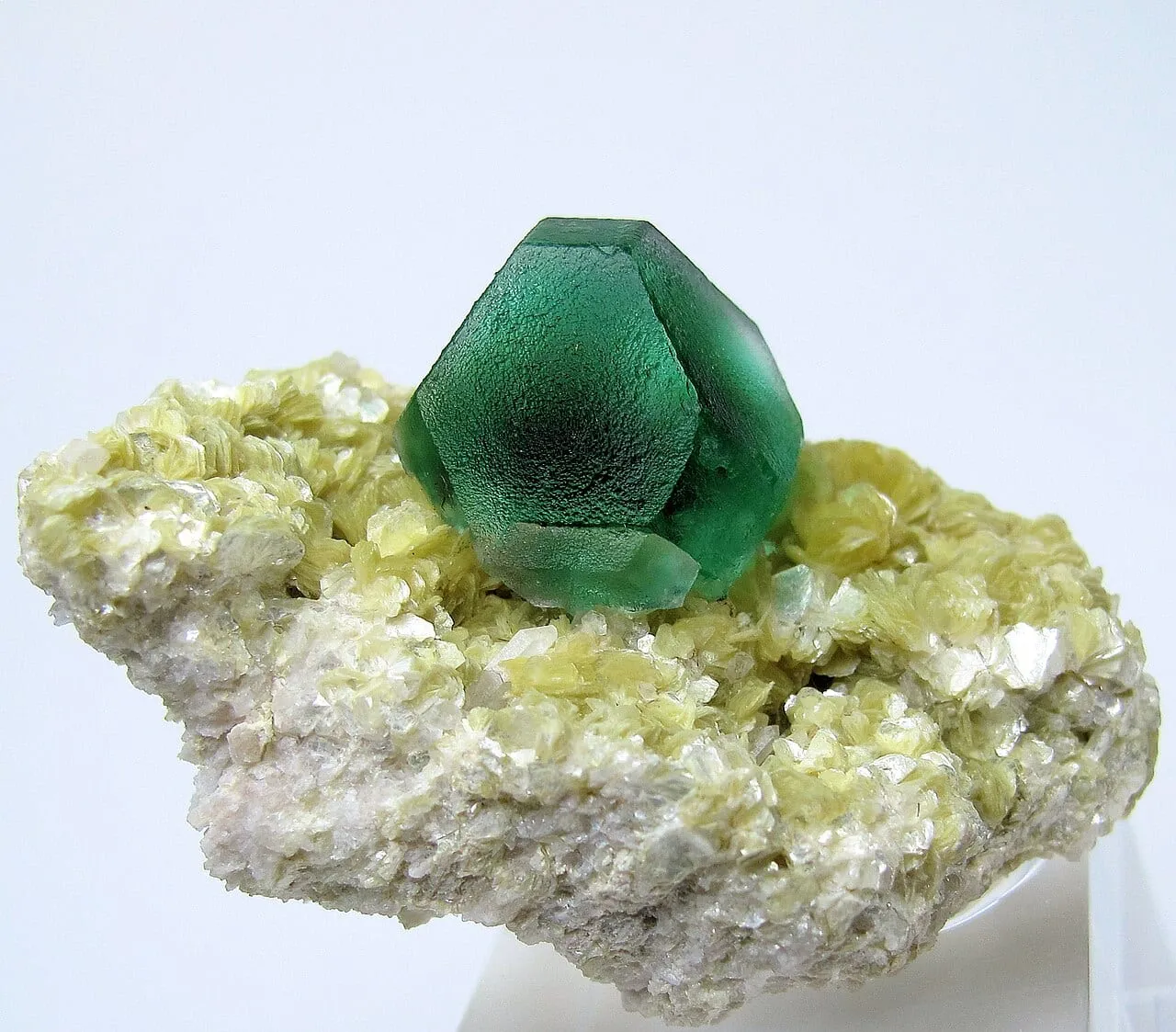
  • Today crystal therapy practitioners claim that fluorite clears the mind and helps concentration and learning.
  • In Turkey, stone sellers and crystal therapy websites claim that fluorite strengthens immunity, raises resistance to infection and, thanks to its fluorine, strengthens bones and teeth.
  • The same websites say fluorite opens the “crown” and “third eye” chakras and absorbs negative energy from its surroundings.

What science says There is no scientific evidence that fluorite improves attention or learning. The fluorine in the stone is tightly bound in the crystal as calcium fluoride; carrying or touching fluorite does not strengthen immunity, bones or teeth, and the “chakra” and “energy absorbing” claims cannot be measured. Putting the stone in water and drinking it is not advisable: fluorite dissolves slightly and releases fluoride, and in veins it is often found together with lead-bearing minerals such as galena.

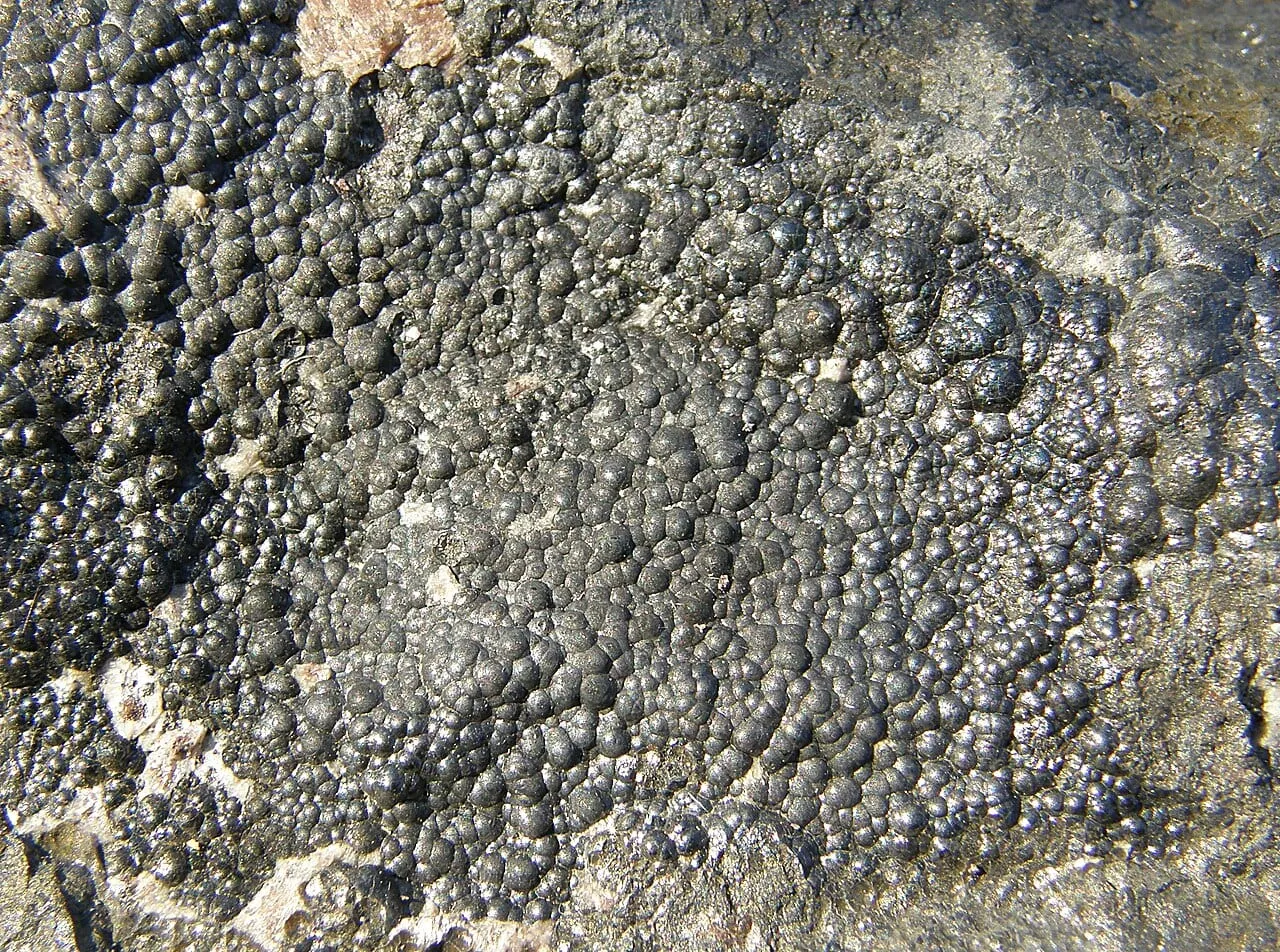
Malachite

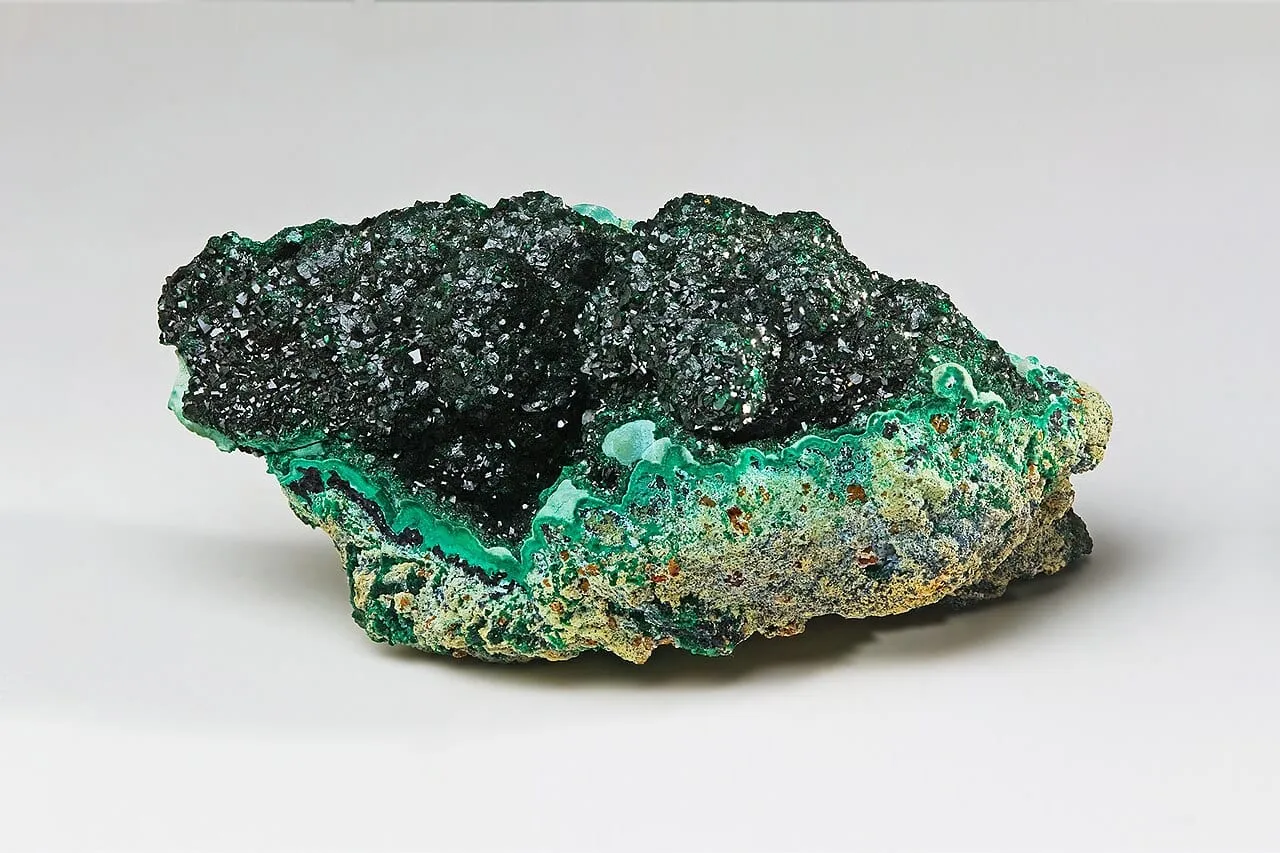
  • According to an old belief, malachite was a talisman especially suited to children: a piece tied to the cradle was thought to keep evil spirits away and let the baby sleep soundly.
  • In parts of Italy, malachite with eye-like markings was set in silver and carried as a “peacock stone” against the evil eye.
  • In some parts of Germany, malachite was believed to protect its wearer from falling and to warn of approaching disaster by breaking into pieces.
  • Modern crystal-therapy sources claim that malachite absorbs negative energy and the “radiation” from electronic devices.
  • In Türkiye, some lifestyle websites and crystal-therapy sources claim that malachite eases pain, muscle spasms, rheumatism, migraine, dizziness, and car and sea sickness.
  • The same sources say malachite calms the person, helps sleep, drives away feelings of guilt and fear and strengthens memory; it is also called the “joy stone”.

What science says Malachite is a copper mineral: do not put it in water to make “gem water” or an “elixir”, never soak it in acidic drinks such as lemon water or vinegar, and do not put it in your mouth; acid dissolves malachite and releases copper into the liquid. There is no evidence that malachite absorbs electromagnetic waves from devices, and the claims that it relieves pain or migraine, cures insomnia or improves memory are equally unproven.

Rock crystal

  • Since the Middle Ages people have believed that the future can be seen by gazing into spheres of rock crystal (crystal gazing).
  • Today, stone sellers and crystal therapy sources claim that clear quartz cleanses “negative energy” from homes and people, clears the mind and sharpens focus.
  • The same sources say crystals must be “purified” by leaving them in moonlight or in salt water.

What science says There is no scientific evidence that rock crystal cleanses energy, strengthens the mind or reveals the future. Piezoelectricity, a real physical property of quartz, produces only tiny amounts of electricity when a crystal is squeezed and has no effect on the human body. Soaking crystals in salt water can damage some soft or water-sensitive minerals.

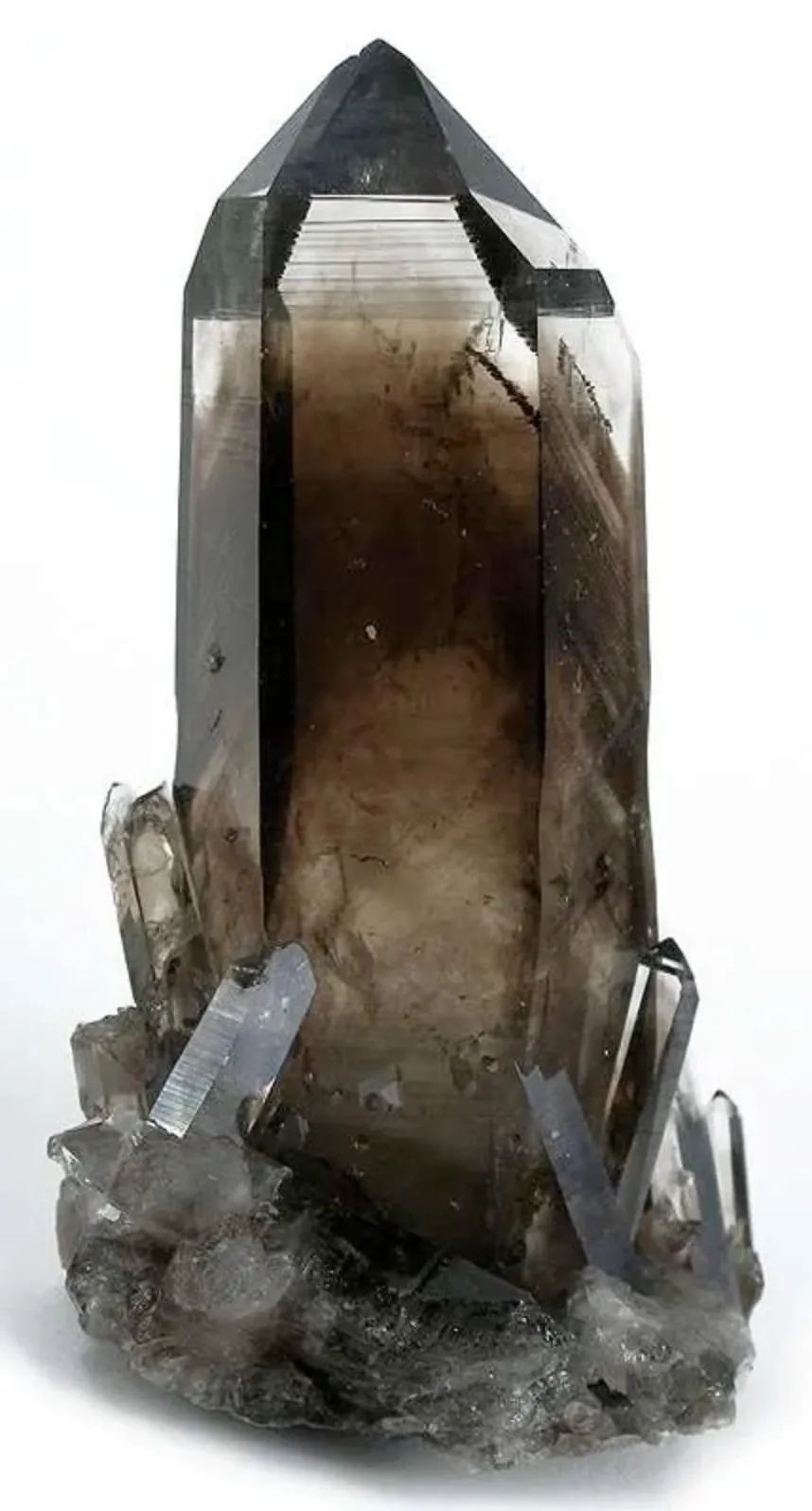
Smoky quartz

  • Today crystal healing practitioners claim that smoky quartz absorbs “negative energy”, “grounds” people and eases stress, and protects against radiation from electronic devices.
  • In Türkiye, stone sellers and crystal-therapy websites claim that smoky quartz eases depression and fear, balances the root chakra and helps back and kidney pain.

What science says The colour of smoky quartz is a trace left by natural radiation the crystal was exposed to over millions of years; it does not mean that the stone absorbs radiation around it or waves from devices. No measurement has shown that it gives any such protection. Depression and lasting pain are medical problems: a stone does not treat them, and anyone with such complaints should see a doctor.

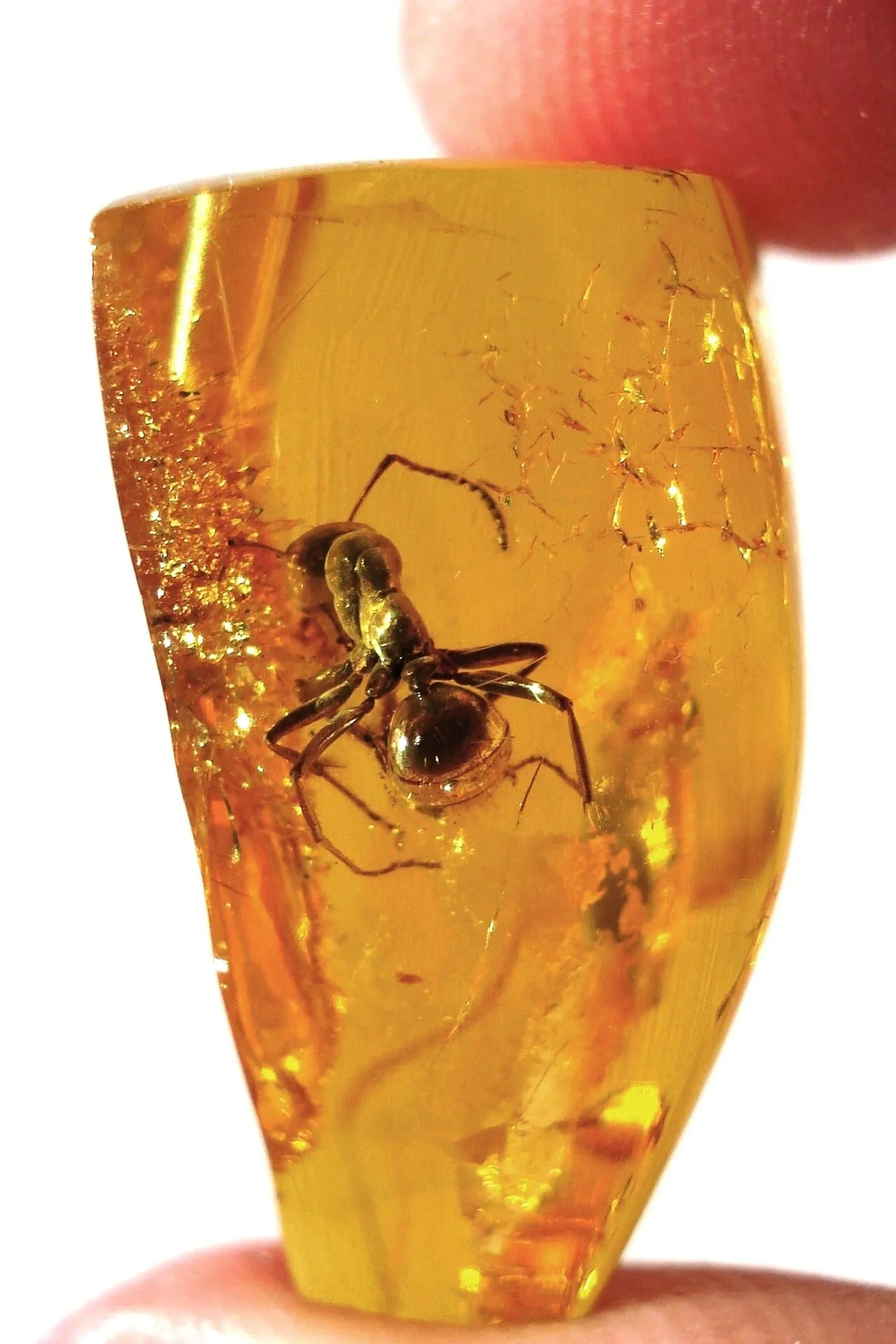
Amber

  • The Roman writer Pliny (1st century AD) reports that peasant women in northern Italy wore amber necklaces both as ornaments and because amber was believed to be good for disorders of the throat and tonsils.
  • According to Pliny, amber was also believed to benefit babies when hung on them as an amulet.
  • Today some sellers and parents believe that teething necklaces made of Baltic amber release succinic acid into the skin and ease babies’ teething pain.
  • In Türkiye, stone sellers and crystal-therapy sites claim that an amber necklace worn at the neck helps with goitre, thyroid inflammation, asthma and bronchitis.
  • In Türkiye, sellers of amber prayer beads and jewellery say that amber gives off “negative ions” when it touches the skin and soothes stress and anxiety.

What science says A laboratory study published in 2019 showed that amber beads do not release succinic acid at body temperature in amounts that could be absorbed through the skin, and that succinic acid has no anti-inflammatory effect at such levels. Teething necklaces, meanwhile, carry serious risks of choking and strangulation for babies; the FDA recommends not using them. There is likewise no evidence that amber cures goitre, thyroid disease, asthma or bronchitis; delaying treatment for these conditions can make them worse, so a doctor should be consulted. There is no measurable evidence either that amber gives off “negative ions”.

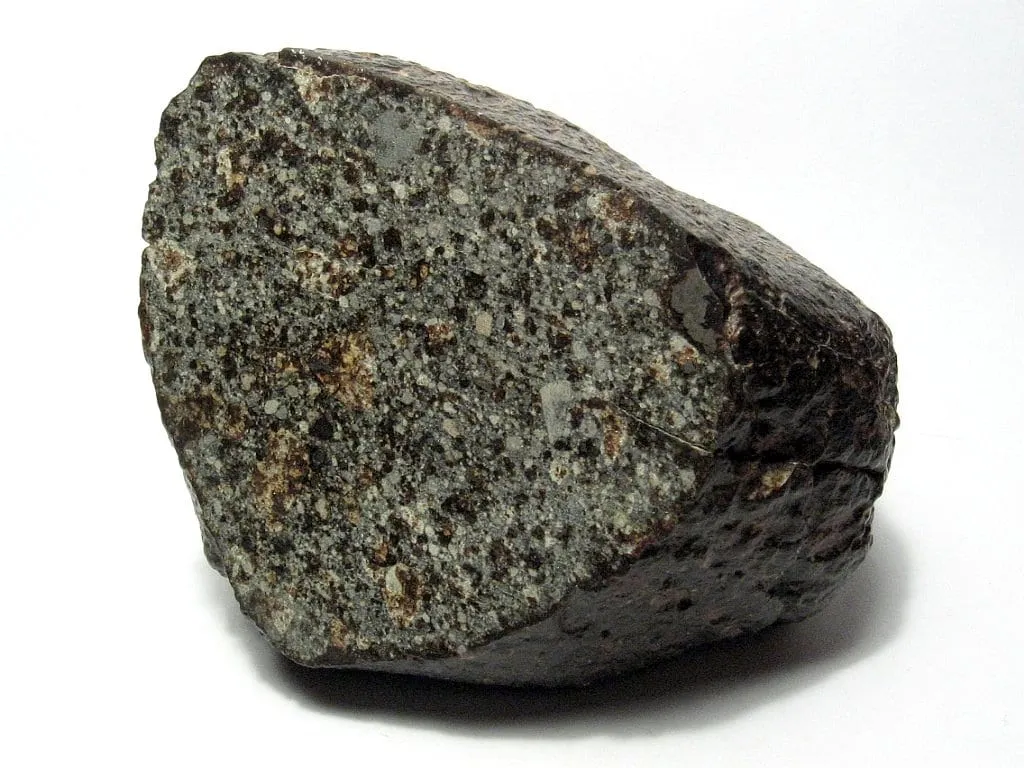
Chondrite

  • The LL6 chondrite that fell at Ensisheim in Alsace (now France) in 1492 was taken by the Habsburg ruler Maximilian and his advisers as a good omen of victory in his war against France; on his orders it was kept in the town church, hung from a chain.
  • Today some crystal-healing practitioners and sellers claim that meteorites such as chondrites carry a “cosmic” energy that clears negative energy and eases fears.

What science says Chondrites are stones made of the Solar System’s earliest material; their olivine, pyroxene and iron–nickel grains give off no “energy” different from minerals on Earth, and there is no scientific evidence that they affect the wearer. Moreover, many stones sold as “meteor stones” are not meteorites at all.

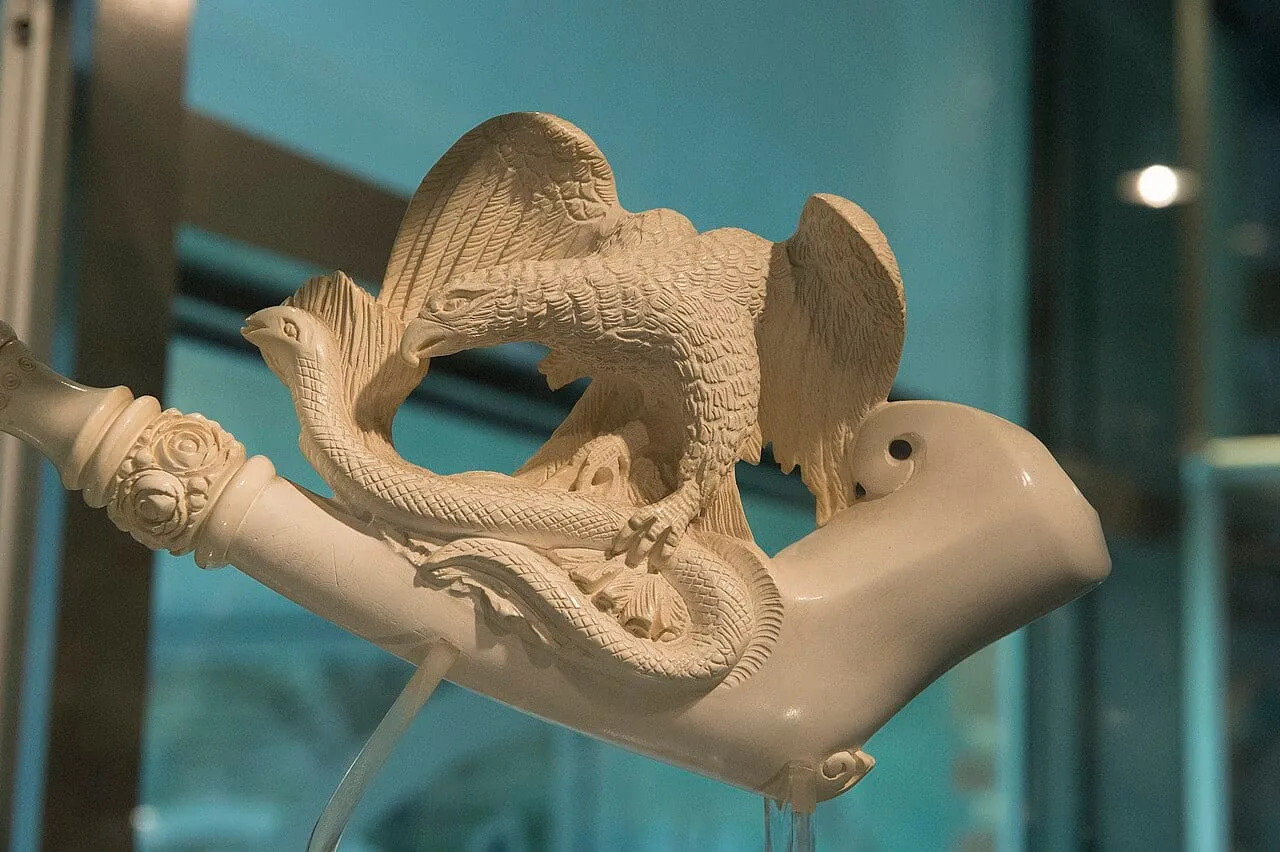
Meerschaum

  • Some meerschaum craftsmen in Eskişehir say that meerschaum powder stirred into tea or water, or eaten, helps stomach complaints and headaches.
  • Some meerschaum craftsmen claim that the stone “absorbs” toxins, radiation and the heavy metals of exhaust and cigarette smoke, and strengthens immunity and memory.

What science says No study supports these claims, and neither the benefit nor the safety of drinking or eating meerschaum powder has been shown. Eating clay and soil, on the other hand, is known to carry risks such as heavy metals like lead and arsenic, and parasites. The stone's porous structure soaks up moisture and nicotine, which makes it a good pipe material, but that does not mean it “purifies” the body.

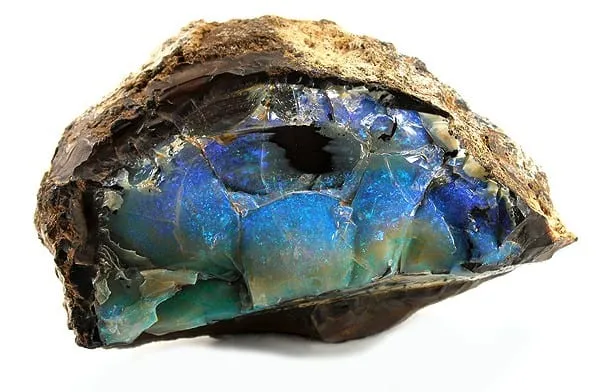
Opal

  • In the Middle Ages opal was believed to cure eye diseases and to make its wearer invisible, which is why it was also called the “patron of thieves”.
  • The ancient Greeks are said to have believed that opal gave its owner the gift of prophecy and guarded them from disease.
  • Modern crystal-therapy sources claim that opal intensifies emotions and boosts creativity.
  • In Türkiye, stone sellers and crystal-therapy websites say that opal helps eyesight, joint pain and kidney complaints, strengthens immunity and flushes heavy metals and poisons out of the body; it is also popularly known there as the “antidote stone”.
  • The same websites claim that opal reduces stress, gives self-confidence and creativity, and instils hope and love.

What science says Opal's colours come from tiny silica spheres diffracting light; there is no evidence that it heals the eyes or protects against disease. Eye complaints call for an eye doctor. The claims that opal helps kidney or joint problems or removes heavy metals and poisons from the body are equally unproven; against real poisoning the stone offers no protection, and medical help must be sought at once. Because some opals absorb water, soaking them to make “gem water” can also damage the stone.

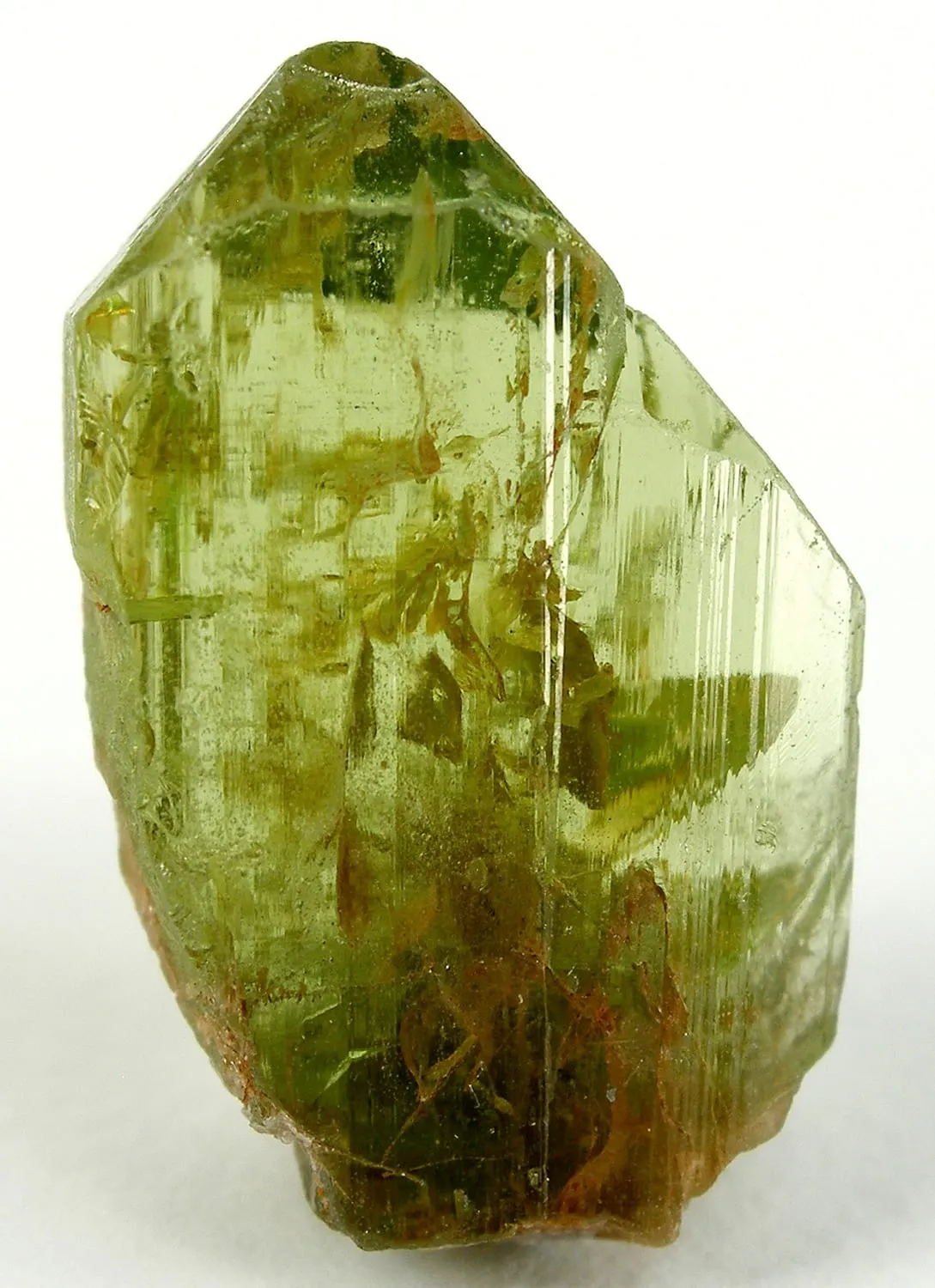
Peridot

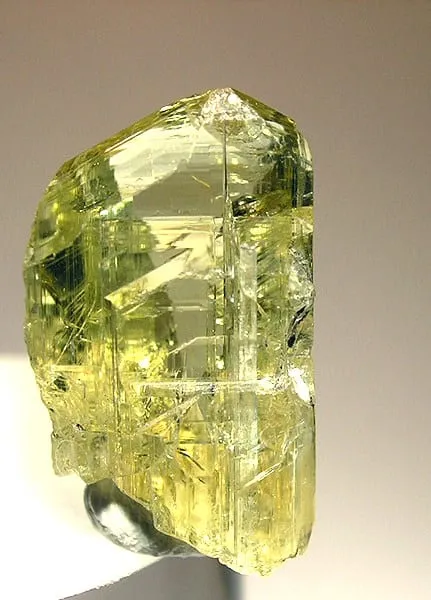
  • Old beliefs that linked peridot with light and the sun held that it protected its owner from “terrors of the night”, meaning nightmares and fears, especially when set in gold.
  • According to an old belief, to guard against evil spirits a peridot was pierced, strung on the hair of a donkey and tied to the left arm.
  • Today crystal healing practitioners claim that peridot soothes emotions such as jealousy and anger and brings abundance and good luck.
  • In Turkey, stone sellers and crystal-therapy websites claim that peridot, sold there as “zebercet”, balances the heart chakra, cleanses the body and eases stomach and digestive problems.

What science says There is no scientific evidence that peridot prevents nightmares or affects emotions. According to George F. Kunz, these beliefs grew out of the stone’s association with the sun, which drives away darkness. There is no evidence that peridot helps the stomach, digestion or heart, or that it “cleanses” the body.

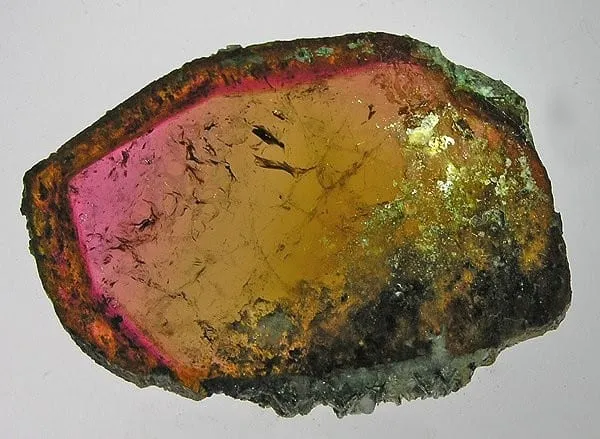
Tourmaline

  • Today crystal healing practitioners claim that black tourmaline (schorl) protects people by absorbing “negative energy” and the waves given off by devices such as mobile phones and Wi-Fi routers.
  • Hair dryers, combs and bracelets containing powdered tourmaline are sold with claims that they give off “negative ions” and infrared rays that are good for health.
  • In Türkiye, stone sellers and crystal-therapy websites claim that tourmaline strengthens circulation and immunity and eases tiredness and stress; those selling tourmaline back and knee bands and bracelets claim that these speed up blood flow and reduce pain.
  • Crystal-therapy websites claim that pink tourmaline (rubellite) opens the heart and increases love and compassion.

What science says The electric charge that builds up at the ends of a heated or squeezed tourmaline crystal is a real physical effect, but it is tiny and quickly dissipates. It has not been shown that a stone “absorbs” phone signals or produces enough negative ions to affect health. Nor has it been shown that tourmaline bands relieve pain or improve circulation, and some “negative ion” products have been measured to contain radioactive material. Lasting pain and circulation problems call for a doctor.

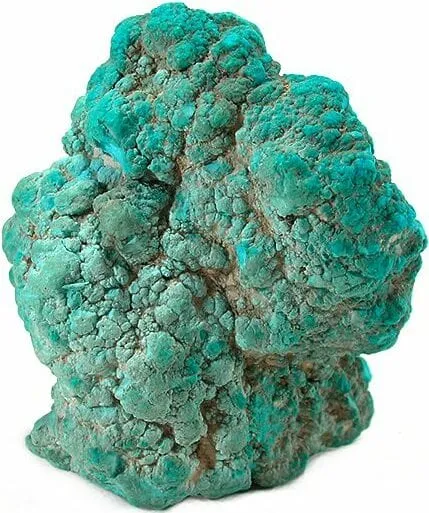
Turquoise

  • In 13th-century European lapidaries, turquoise was believed to protect its wearer from injury in falls, especially from horseback; the Turks are said to have attached these stones to their horses’ bridles.
  • In Anatolia and the Middle East, turquoise is believed to protect against the evil eye, which is why it is worn in rings, earrings and amulets.
  • For a long time Europeans believed that turquoise lost its colour when its owner fell ill or was about to meet misfortune.
  • Today crystal healing practitioners claim that turquoise is protective and strengthens communication.
  • In Türkiye, stone sellers and crystal-therapy websites claim that turquoise brings luck, drives away negative energy, speeds up blood flow and protects against heart disease.

What science says The colour of turquoise changes not with its owner's health or fate but with the sweat, oils and cosmetics that seep into its porous structure, which is why its blue can turn green over time. There is no scientific evidence that the stone has any protective power; nor has turquoise been shown to speed up blood flow or protect against heart disease, and a doctor’s advice should be followed for heart health.

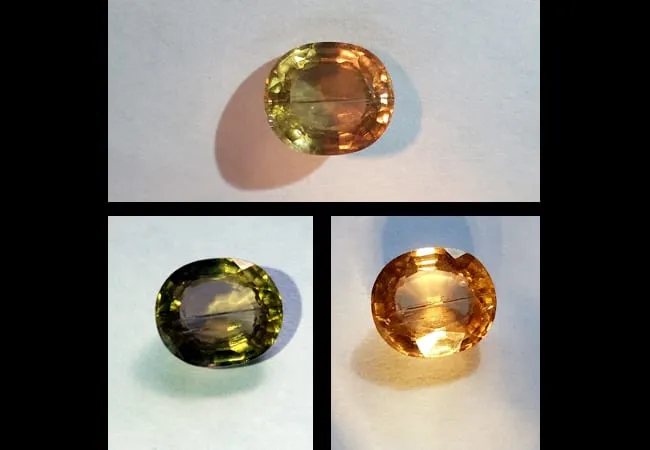
Diaspore

  • In Türkiye, some sellers and websites claim that sultanit relieves muscle tension and pain, clears the mind, eases anxiety and drives away negative energy.

What science says Sultanit’s colour change is a physical effect, caused by the stone transmitting the colours of different light sources in different proportions, and there is no scientific evidence that it affects pain, anxiety or thinking. Moreover, some stones sold as “sultanit” are colour-change glass or synthetic material.

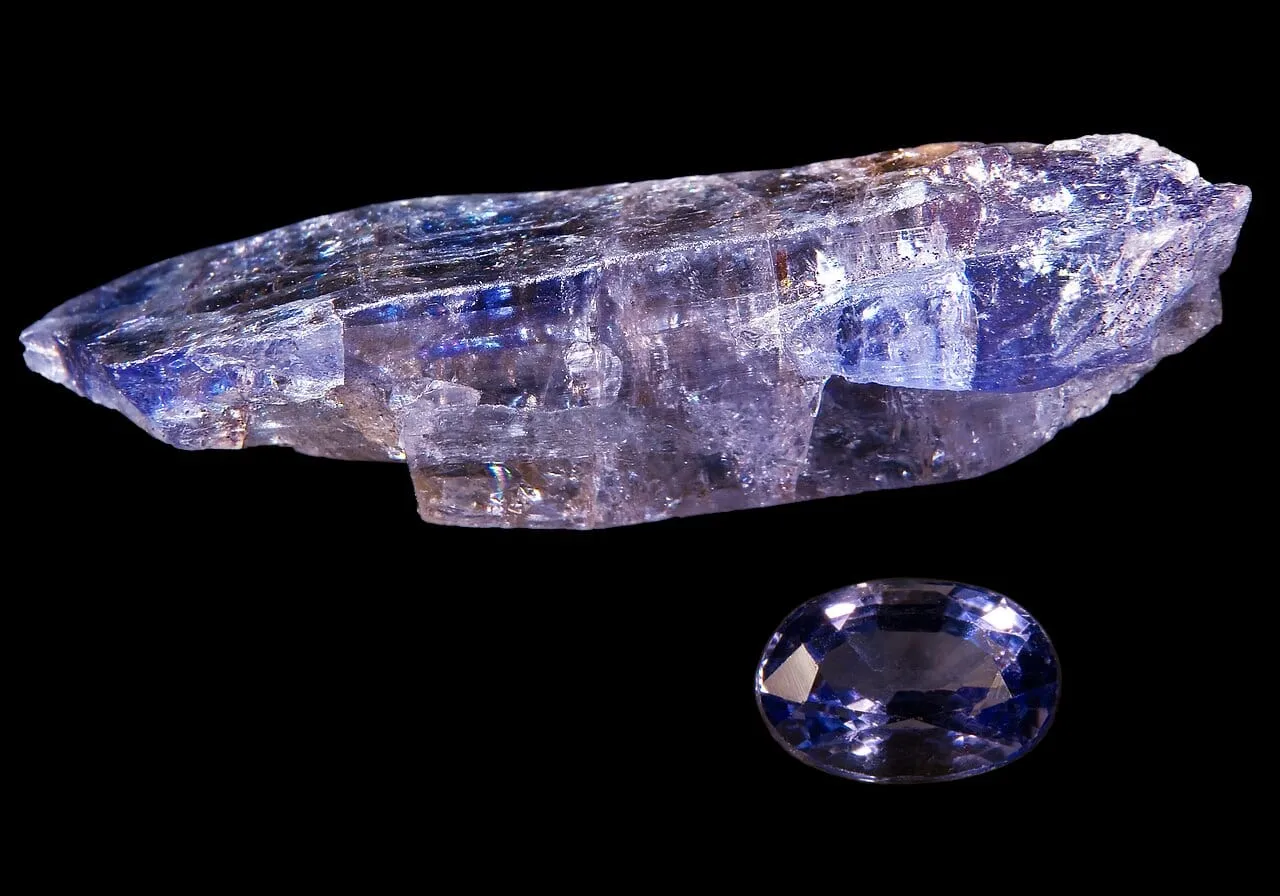
Tanzanite

  • Today crystal healing practitioners claim that tanzanite strengthens intuition and raises “spiritual awareness”.
  • Crystal-therapy websites claim that tanzanite opens the throat, third-eye and crown chakras, makes communication easier and helps overcome fear.
  • Crystal-therapy websites also claim that tanzanite strengthens the immune system, “purifies” the blood and eases migraines and stress.

What science says Tanzanite was only found in 1967, so it has no traditional lore; all these claims are recent and none has any scientific basis. It is also worth remembering that the colour of most stones on the market is produced by heat treatment. Tanzanite does not strengthen immunity, purify the blood or treat migraines; recurring headaches call for a doctor.