Luck, abundance and money: which stones are believed to help, and what science says

This section reports beliefs; it is not health information. There is no scientific evidence for these claims and no stone replaces medical treatment.

What science says

Conflict with science: Low: a symbolic belief

There is no evidence that stones bring luck, plenty or money. These beliefs usually come from colour: golden or green stones are linked to money, red ones to vitality.

Stones linked with this area (19)

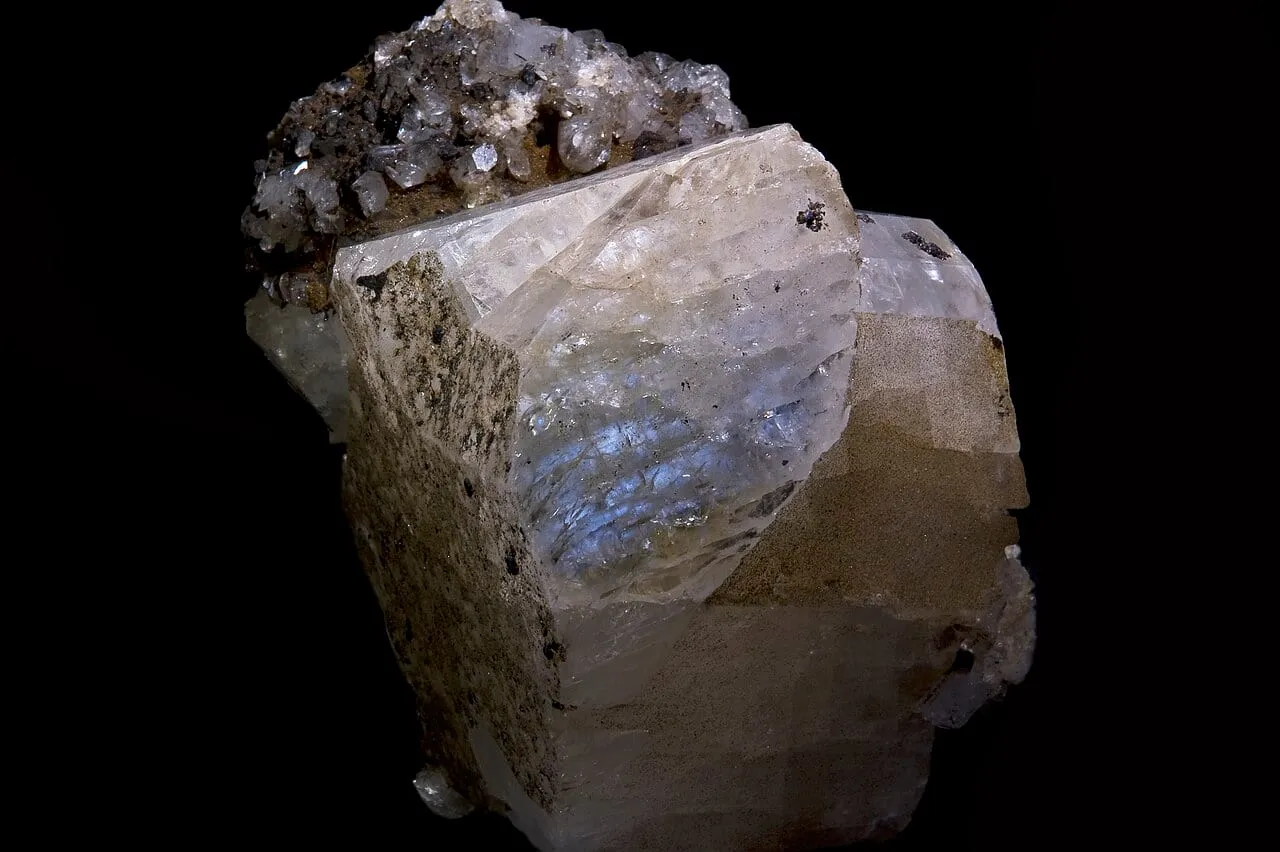
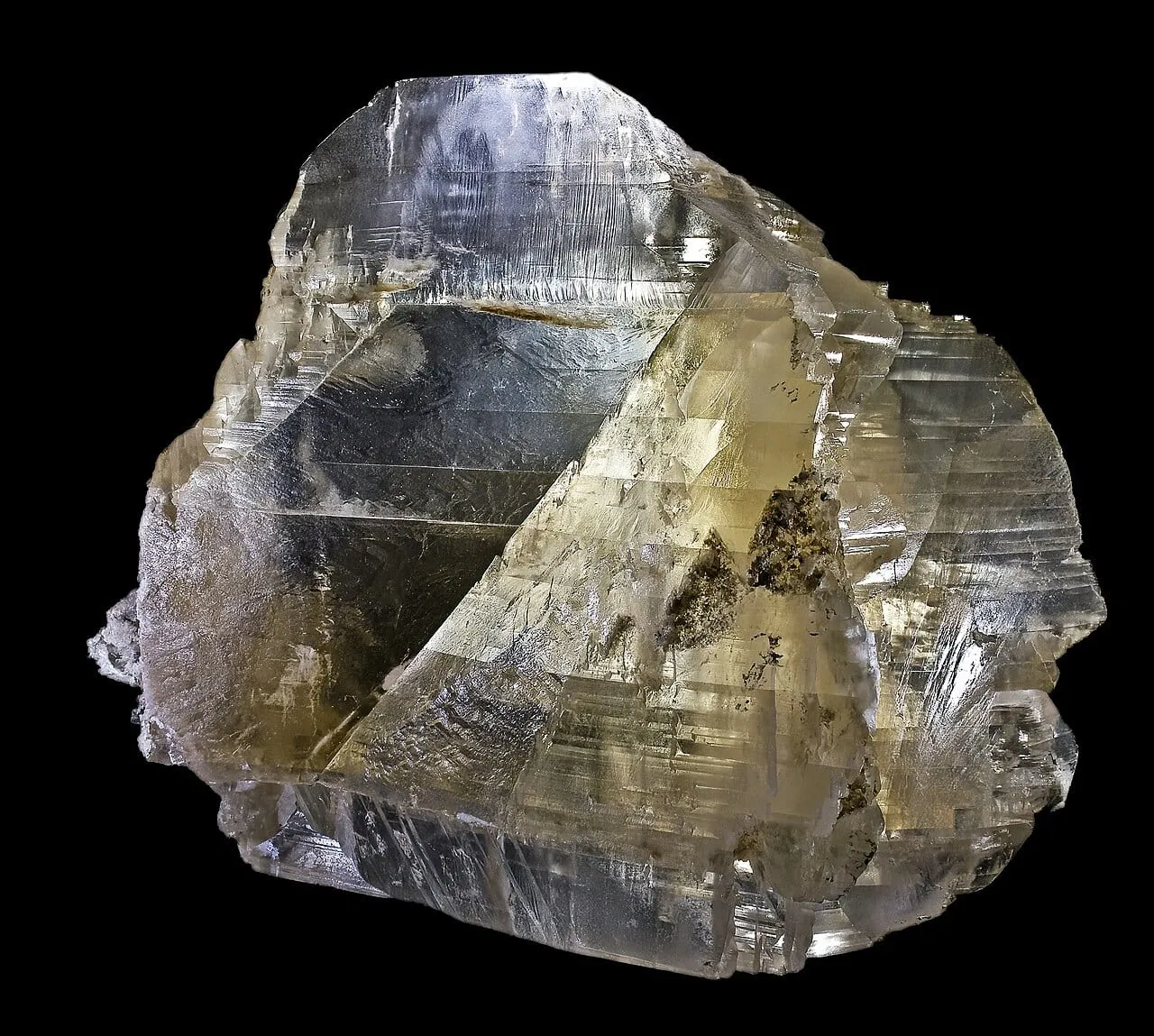
Gypsum

  • In the early 20th century, beads of fibrous gypsum (satin spar) were sold at Niagara Falls as “luck stones” believed to bring good fortune, with the claim that they had been taken from beneath the Falls at great peril.
  • Today crystal therapy practitioners claim that “selenite” wands cleanse the room they are in, and other crystals placed beside them, of negativity.

What science says The wands sold as “selenite” are mostly fibrous gypsum and have no properties beyond those of ordinary gypsum; there is no evidence that they cleanse rooms or other stones. As for the Niagara “luck stones”, Kunz notes that the material was cut in England or Russia.
Muscovite

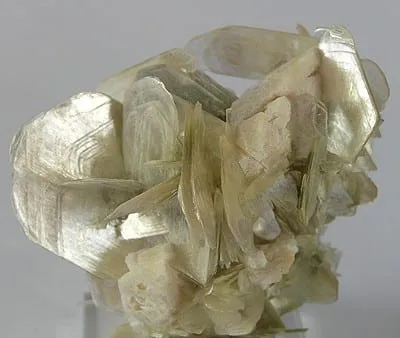
  • In Türkiye, some lifestyle websites and crystal-therapy sources present fuchsite, the chromium-bearing green variety of muscovite, as a “stone of healing, growth and emotional balance”, saying it calms overactive energy and brings plenty and luck.

What science says Fuchsite's green colour comes from a little chromium in its structure; beyond that colour there is no evidence that the stone has any effect on the body, the emotions or luck.

Olivine

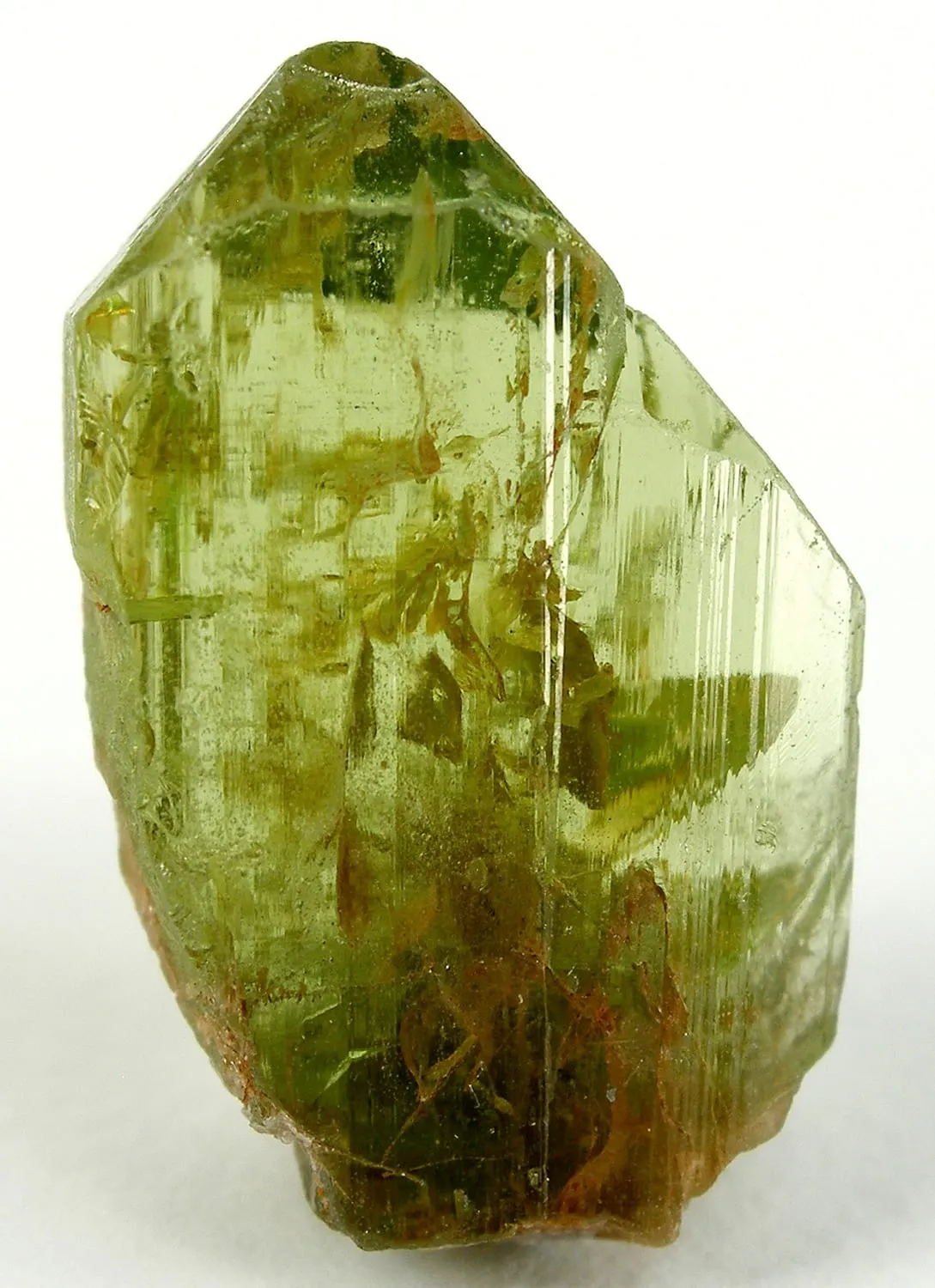
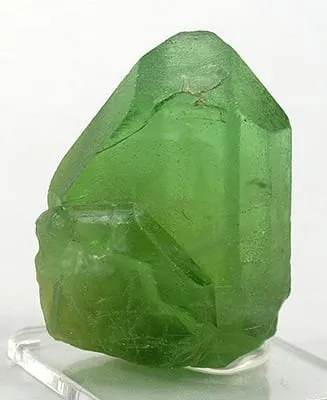
  • Ancient and medieval belief held that peridot (chrysolite) set in gold drove away night terrors and nightmares.
  • Peridot pierced, strung on donkey hair and tied to the left arm was believed to protect against evil spirits and enchantment.
  • In Türkiye, stone sellers and crystal-therapy websites say that zebercet (peridot, olivine) helps the stomach, bowel, liver and thyroid, cleanses the body of toxins, calms feelings such as jealousy, anger and guilt, and brings abundance.

What science says Peridot's green colour comes from the iron in its structure; there is no evidence that it prevents nightmares or wards off evil. The claims that it helps the stomach, bowel or thyroid, or “cleanses” the body, are equally unproven. If sleep or digestive problems persist, see a doctor.

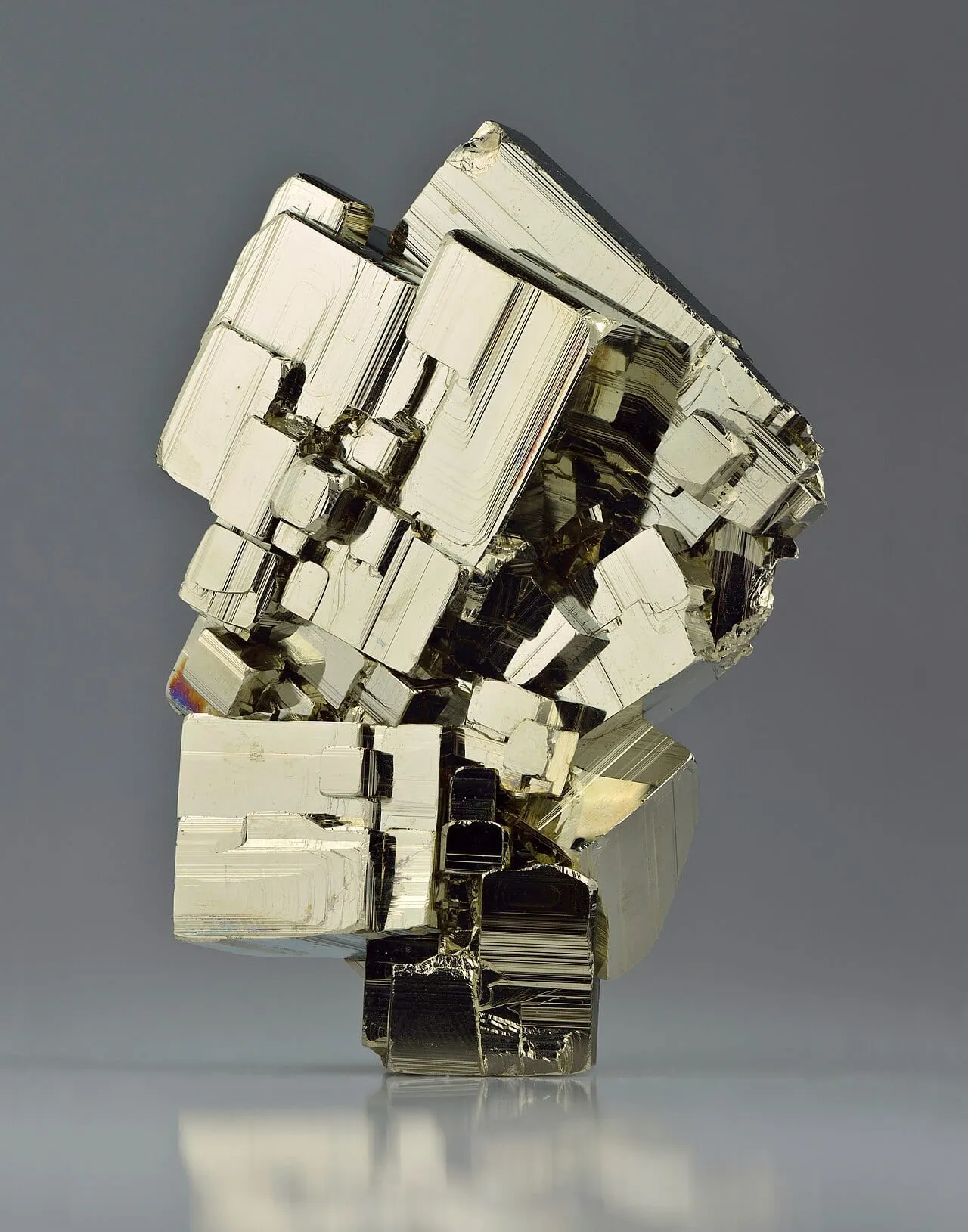
Pyrite

  • According to George F. Kunz (1913), some Native North American peoples carried pyrite crystals as amulets, and healers used them in their ceremonies.
  • In Thai folk belief, especially in the south of the country, pyrite is regarded as a sacred object that wards off evil, black magic and demons.
  • Today crystal sellers and feng shui practitioners claim that pyrite attracts money and abundance, and recommend placing it in shops and next to cash registers.
  • In Turkey, stone sellers and crystal-therapy websites claim that “fool's gold” gives confidence and willpower and boosts energy.

What science says There is no evidence that pyrite brings money, luck or protection; these beliefs probably stem from its bright, gold-like colour. Pyrite should not be soaked in water to make “gem water”: as it decays in moisture it forms sulfuric acid and iron sulfates, and some pyrite contains arsenic. Nor is there any evidence that pyrite gives confidence or energy.

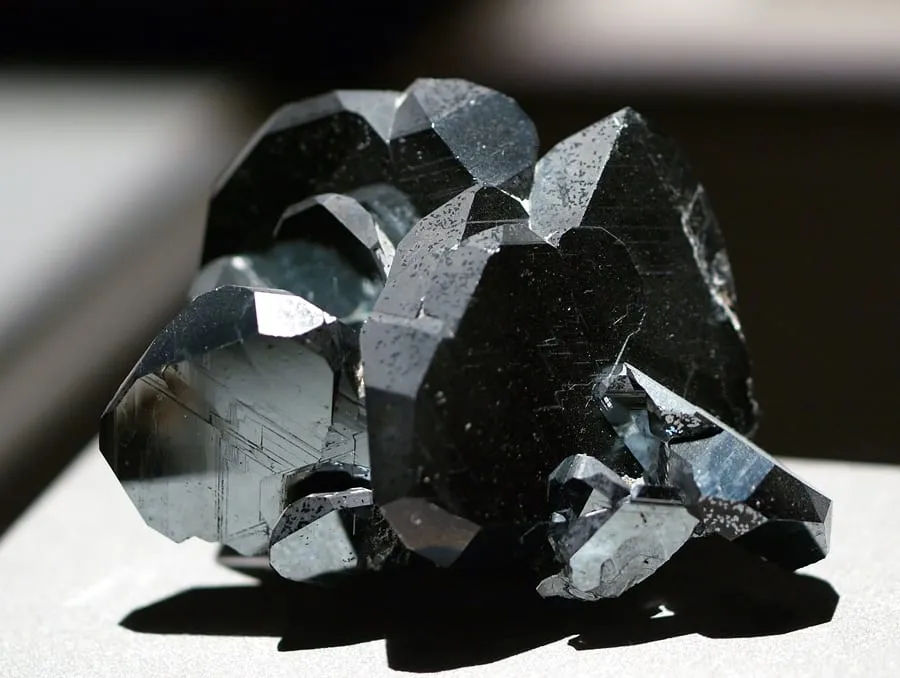
Hematite

  • According to Pliny, Azchalias of Babylon believed that hematite carried as an amulet made kings grant petitions and won lawsuits.
  • Because it is an iron ore, hematite was linked with Mars, the god of war, and rubbing it on the body was believed to protect a warrior in battle.
  • In ancient Egypt hematite was believed to stop bleeding and reduce inflammation; the Ebers Papyrus recommends it for these purposes.
  • Today crystal therapy practitioners claim that hematite helps anaemia and that “magnetic hematite” bracelets ease joint pain.
  • In Turkey, news and crystal therapy websites write that hematite, also sold under the name “kantaşı”, regulates blood circulation and balances blood pressure.

What science says There is no scientific evidence that hematite stops bleeding, cures anaemia, regulates circulation or blood pressure, or eases joint pain; blood pressure and anaemia are for a doctor to treat; the iron in the stone is not absorbed through the skin. Controlled studies of magnetic bracelets have found no effect on pain beyond placebo, and “magnetic hematite” is not natural hematite anyway.

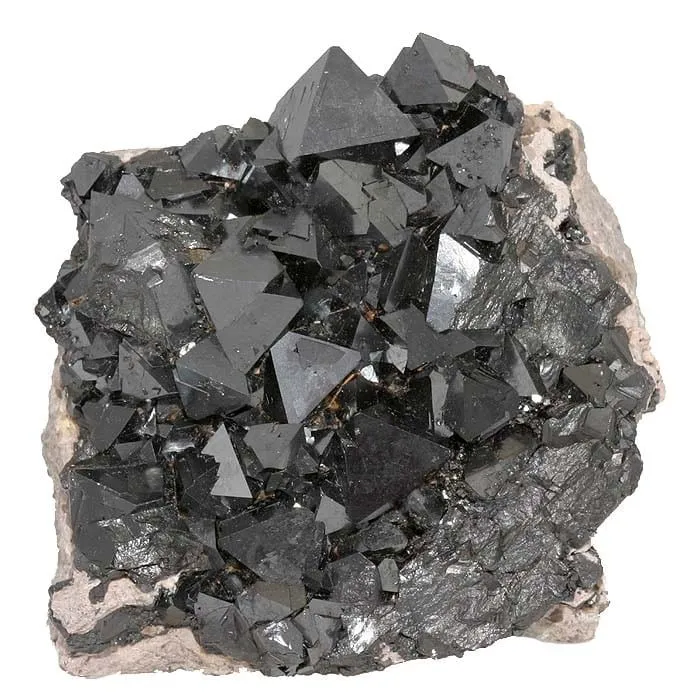
Magnetite

  • According to a belief dating back to antiquity, a lodestone placed under the pillow of a sleeping wife would reveal whether she was faithful.
  • In Eastern legends about Alexander the Great, lodestone was believed to protect against jinn and enchantment, and in the folk magic of the American South it was used as a charm to bring luck and love.
  • Today, magnetic bracelets and jewellery are claimed to relieve joint pain and rheumatism.
  • In Türkiye, companies selling magnetic bracelets, knee and back supports have claimed that these products help arthritis, joint pain and migraine, and even far more serious illnesses.

What science says A meta-analysis of controlled clinical trials (Pittler and colleagues, 2007) found no evidence that magnets reduce pain more than a placebo. In Türkiye, the Ministry of Health also stated in 2011 that the medical benefits claimed for such magnetic-field products lack clinical studies and mislead consumers. People with pacemakers or similar medical devices should not carry strong magnets near the device.

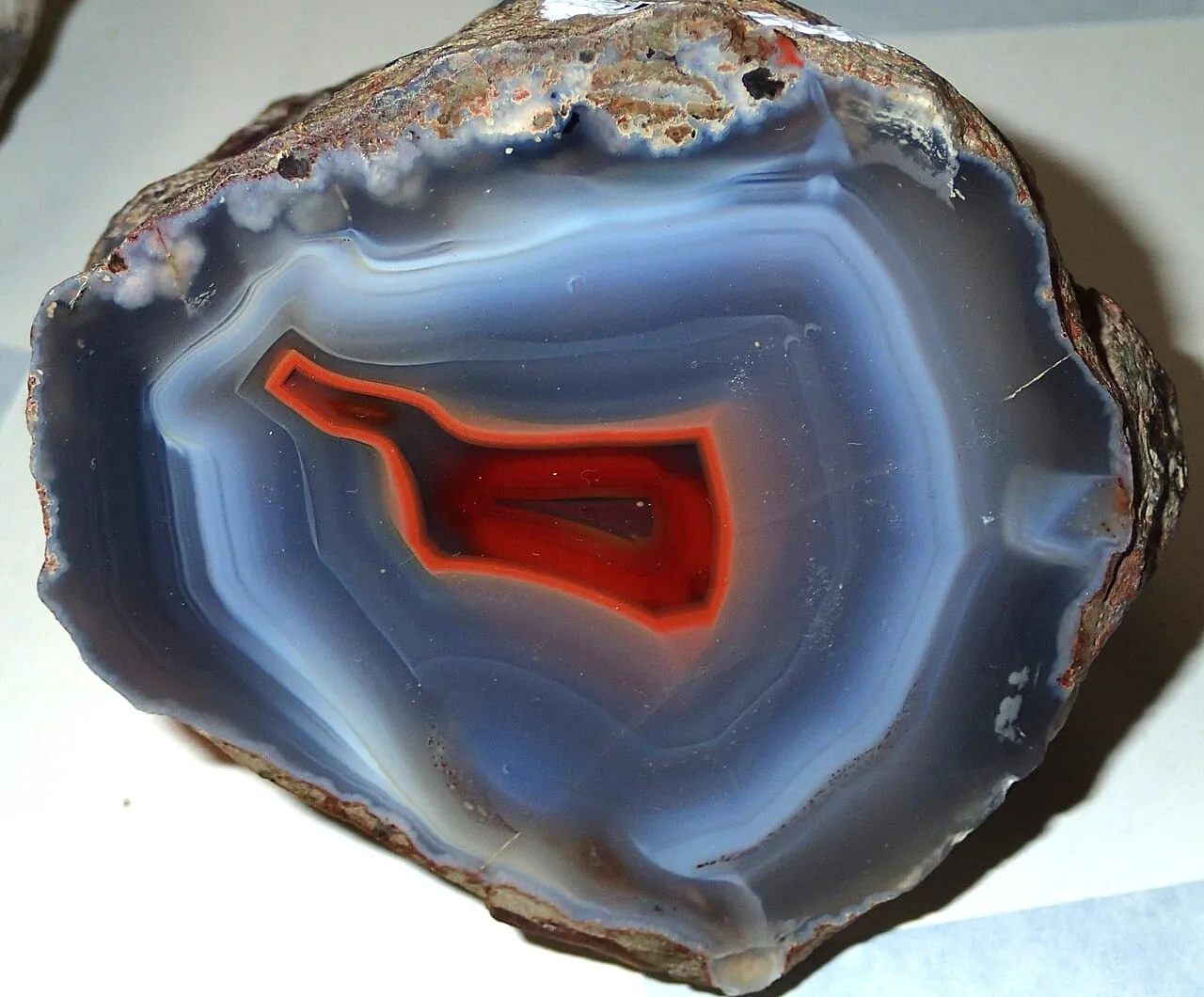
Agate

  • Medieval lapidaries, such as the writings of Marbodus, Bishop of Rennes, in the 11th century, held that agate made its wearer agreeable and persuasive and won them the favour of God.
  • In earlier centuries in Europe, wearing agate was believed to cure sleeplessness and bring pleasant dreams.
  • In 19th-century Sudan, brown or black “eye” agates with a white ring in the centre were believed to guard against the evil eye; most of these amulets were cut in the workshops of Idar-Oberstein in Germany.
  • In the Islamic world, based on the tradition that the Prophet Muhammad wore a seal ring set with an ʿaqīq stone, ʿaqīq rings (agate, usually red carnelian) are believed to protect their wearer from evil and envy.
  • In Türkiye, stone sellers and some religious publications attribute to the Prophet Muhammad the saying “whoever wears an agate ring will not be poor” and claim that agate increases provision and blessing.
  • In Türkiye, stone sellers and crystal-therapy sites claim that agate speeds up blood circulation and eases stomach and bowel complaints.

What science says Agate is a chemically inert form of quartz made of silica; there is no scientific evidence that it improves sleep, protects against the evil eye or envy, speeds up circulation or helps any illness; if symptoms persist, the remedy is a doctor, not a stone. The “eye” pattern is simply concentric silica bands that look like rings where the stone is cut. The saying “whoever wears an agate ring will not be poor” is attributed to the Prophet, but hadith scholars do not regard it as reliable.

Citrine

  • Citrine was once believed to share the powers of topaz, with which it was long confused, and to soothe anger and calm the wearer.
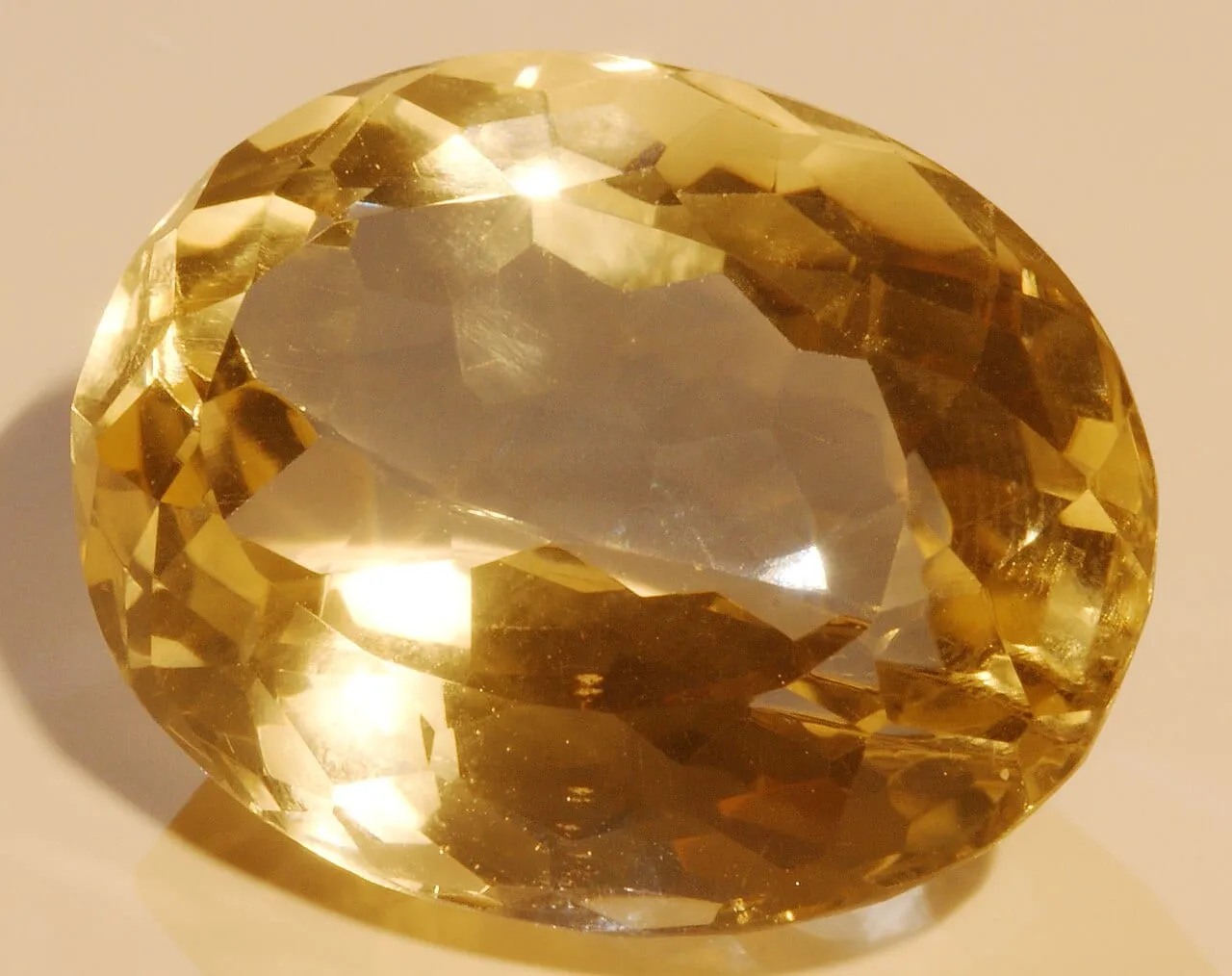
  • Today crystal-healing practitioners claim that citrine brings abundance, success and money; some shopkeepers keep it in the till, and it is nicknamed the “merchant’s stone”.
  • The same circles claim that citrine does not hold on to negative energy and therefore never needs “cleansing”.
  • Some news and crystal-therapy websites in Türkiye claim that citrine helps internal organs such as the heart, liver, kidneys and digestive system, as well as headaches and muscle pain, and makes it easier to give up bad habits and addictions.
  • The same sites claim that citrine protects against the radiation given off by electronic devices, drives out fears and gives courage, prevents nightmares when placed under a child’s pillow, and balances the energy of the home.

What science says There is no scientific evidence that citrine calms people, brings abundance or money, helps internal organs, protects against radiation or prevents nightmares; for a lasting complaint, see a doctor rather than relying on a stone. Moreover, most stones sold as citrine are amethyst heated in a furnace, so the “sunny colour” these beliefs rest on is usually man-made.

Moonstone

  • In Hindu mythology moonstone is believed to be made of solidified moonbeams; in India it is considered sacred and is believed to bring good fortune.
  • According to an old belief, lovers who held a moonstone in their mouths at full moon could see their future.
  • Modern crystal-therapy sources claim that moonstone supports women's health, fertility and emotional balance.
  • In Türkiye, some lifestyle websites and crystal-therapy sources say moonstone brings restful sleep, prevents nightmares and sleepwalking, and helps you remember dreams.
  • The same sources claim that moonstone balances oestrogen, regulates the menstrual cycle, eases menopause complaints, makes childbirth easier and helps sudden cramps.

What science says Moonstone's glow comes from light scattering in thin feldspar layers inside the stone; it has nothing to do with the Moon or its phases. There is no evidence that moonstone affects fertility or hormone balance. The same goes for sleep, nightmares and dream recall. Problems such as irregular periods, menopause complaints, childbirth or difficulty conceiving call for a doctor.

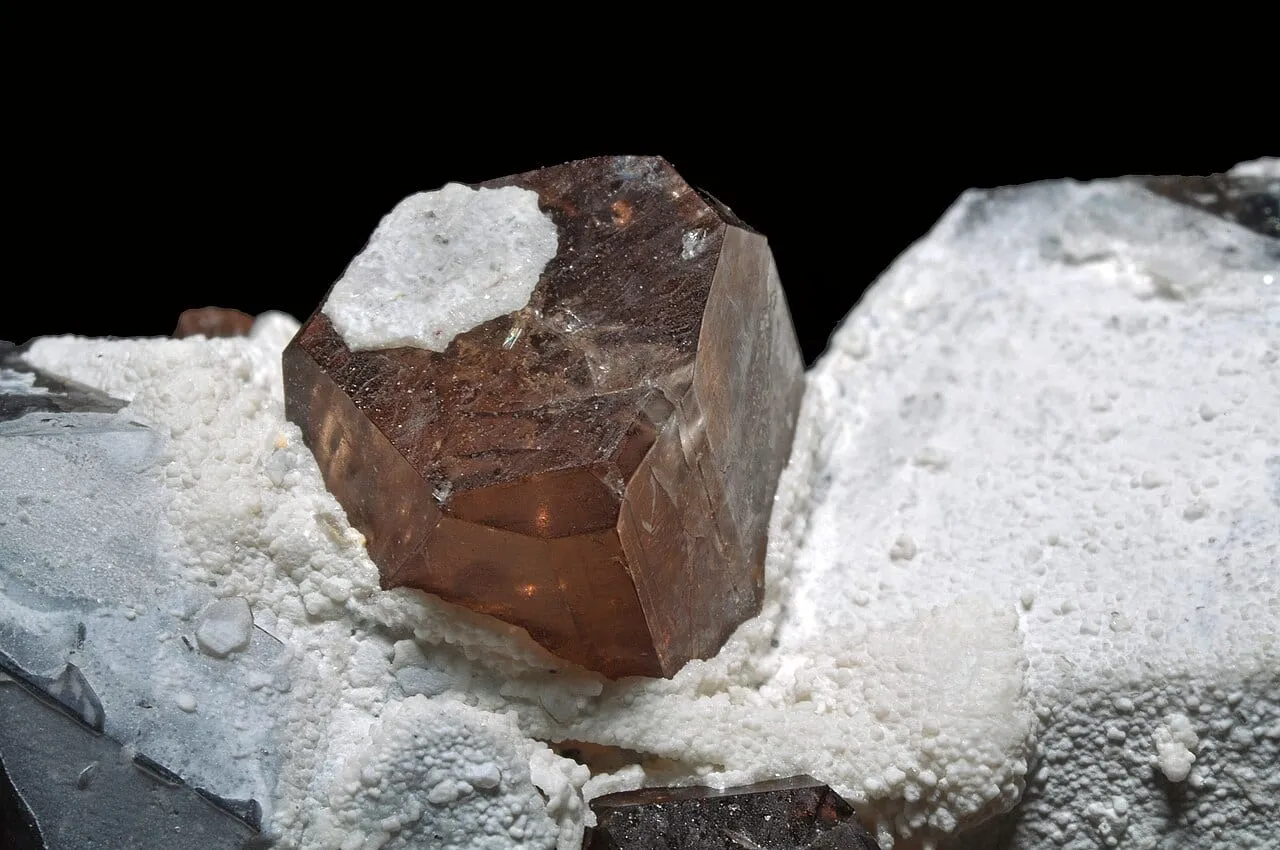
Zircon

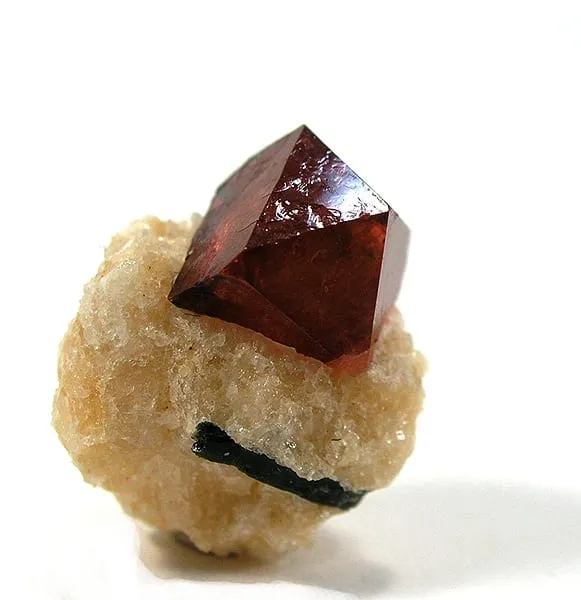
  • In medieval Europe, the yellowish-red stone called “jacinth” (hyacinth), an old name for zircon, was believed to protect travellers against the plague and injury and to ensure them a warm welcome at the inns they visited.
  • The same stone was also believed to protect its wearer from lightning and to bring sleep; in the 16th century the Italian physician Gerolamo Cardano wrote that the jacinth he wore “seemed to dispose somewhat to sleep”.
  • According to medieval accounts quoted by Kunz, the jacinth increased its owner’s riches and gave him prudence in conducting his affairs; it was also believed to grow pale and dull if its wearer or anyone near him fell ill with the plague.

What science says The names “jacinth” and “hyacinth” in old texts do not always mean zircon; they were also used for other stones such as sapphire and garnet. There is no evidence that zircon protects against lightning, epidemics or sleeplessness, or brings riches or prudence.

Peridot

  • Old beliefs that linked peridot with light and the sun held that it protected its owner from “terrors of the night”, meaning nightmares and fears, especially when set in gold.
  • According to an old belief, to guard against evil spirits a peridot was pierced, strung on the hair of a donkey and tied to the left arm.
  • Today crystal healing practitioners claim that peridot soothes emotions such as jealousy and anger and brings abundance and good luck.
  • In Turkey, stone sellers and crystal-therapy websites claim that peridot, sold there as “zebercet”, balances the heart chakra, cleanses the body and eases stomach and digestive problems.

What science says There is no scientific evidence that peridot prevents nightmares or affects emotions. According to George F. Kunz, these beliefs grew out of the stone’s association with the sun, which drives away darkness. There is no evidence that peridot helps the stomach, digestion or heart, or that it “cleanses” the body.

Topaz

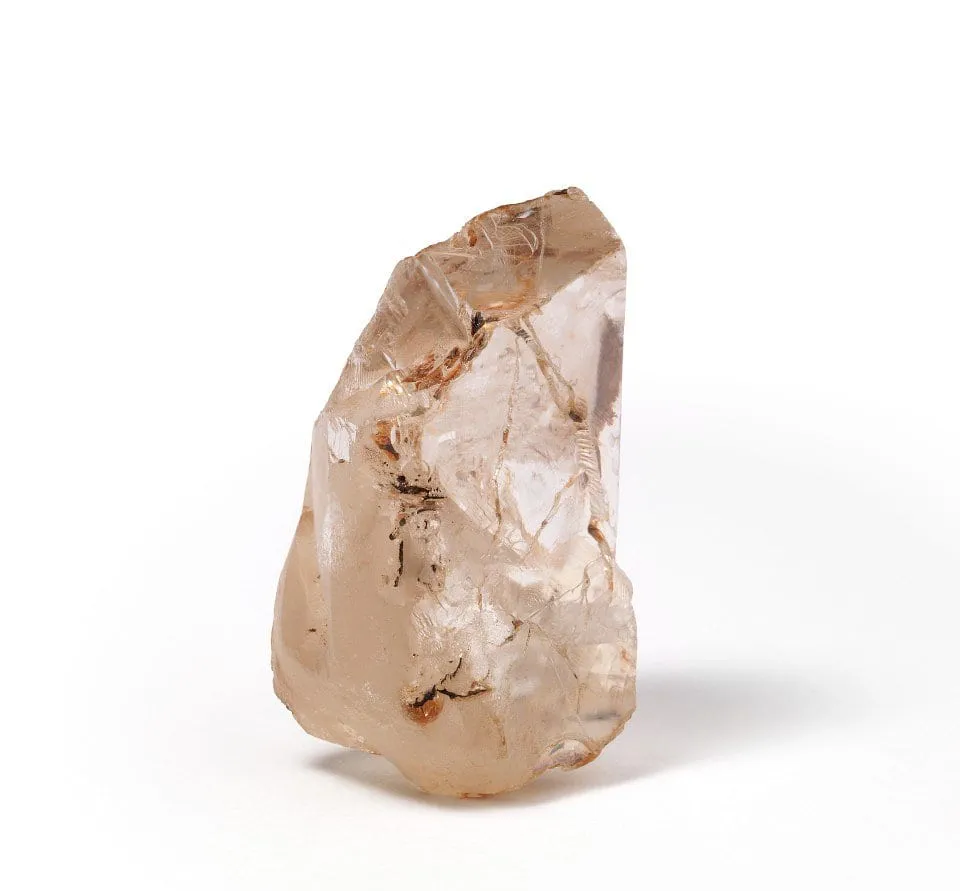
  • In the 12th century, Hildegard of Bingen wrote that gently moistening the eyes with a topaz that had been steeped in wine for three days would cure dim vision.
  • In Renaissance Europe people believed that topaz could break magic spells and calm anger.
  • According to GIA, many people in India have long believed that topaz worn above the heart brings long life, beauty and intelligence.
  • In Türkiye, stone sellers and crystal-therapy websites claim that topaz brings luck, plenty and money and strengthens creativity and self-expression.
  • The same sources also say that blue topaz opens the throat chakra, reduces stress and regulates digestion and metabolism.

What science says In old texts the name “topaz” often referred not to today's topaz but to greenish peridot or other yellow stones, so it is unclear which stone these beliefs even belong to. Never put stones, or a liquid a stone has soaked in, on the eyes; anyone with vision problems should see an eye doctor. Topaz has not been shown to bring luck or money or to regulate digestion and metabolism, and it is worth remembering that the colour of most blue topaz on the market is produced by irradiation and heat treatment.

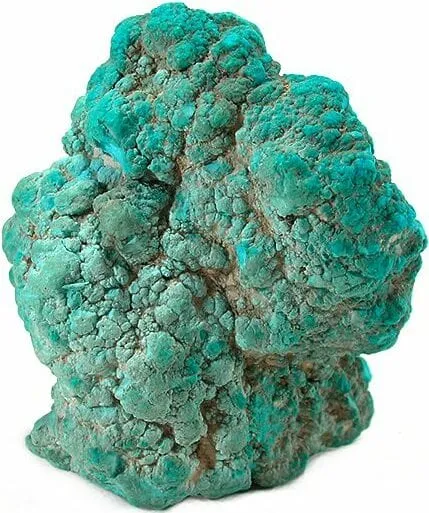
Turquoise

  • In 13th-century European lapidaries, turquoise was believed to protect its wearer from injury in falls, especially from horseback; the Turks are said to have attached these stones to their horses’ bridles.
  • In Anatolia and the Middle East, turquoise is believed to protect against the evil eye, which is why it is worn in rings, earrings and amulets.
  • For a long time Europeans believed that turquoise lost its colour when its owner fell ill or was about to meet misfortune.
  • Today crystal healing practitioners claim that turquoise is protective and strengthens communication.
  • In Türkiye, stone sellers and crystal-therapy websites claim that turquoise brings luck, drives away negative energy, speeds up blood flow and protects against heart disease.

What science says The colour of turquoise changes not with its owner's health or fate but with the sweat, oils and cosmetics that seep into its porous structure, which is why its blue can turn green over time. There is no scientific evidence that the stone has any protective power; nor has turquoise been shown to speed up blood flow or protect against heart disease, and a doctor’s advice should be followed for heart health.

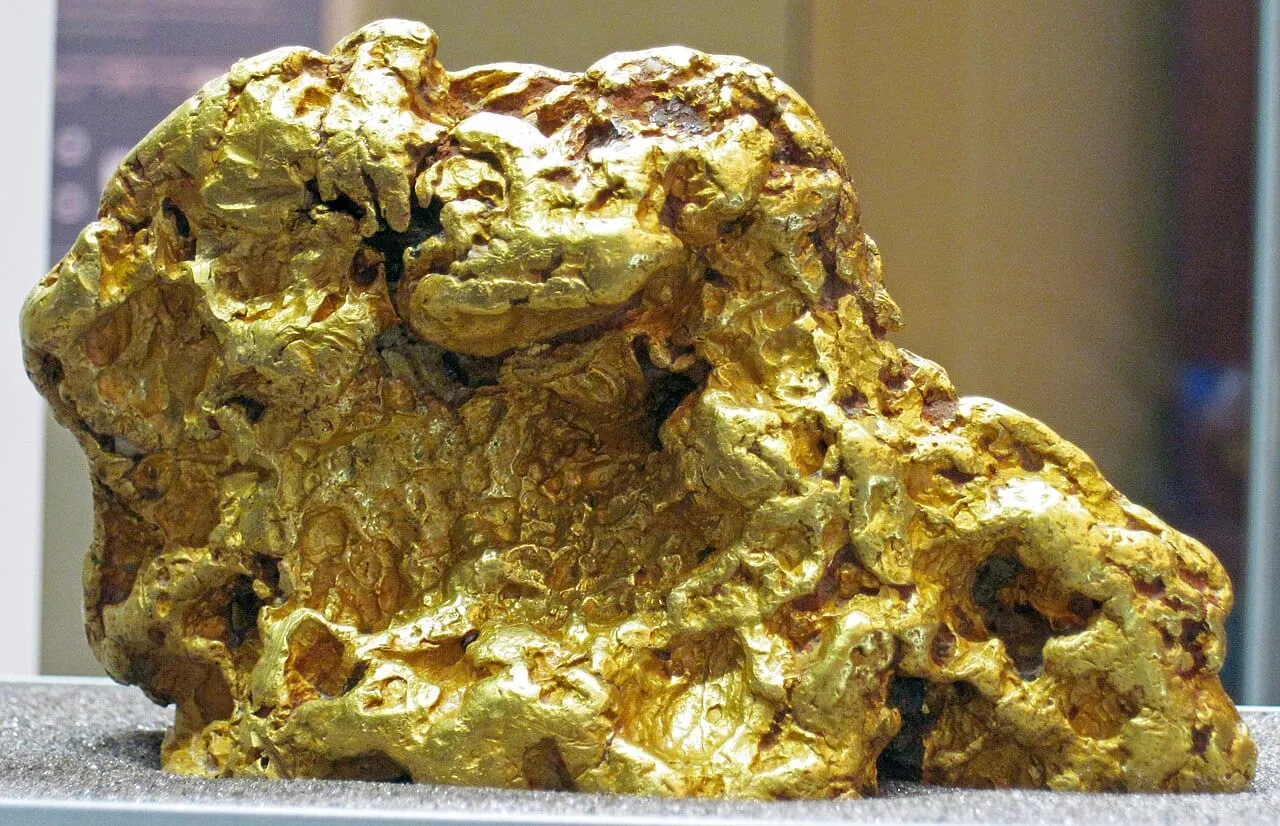
Gold

  • In the Middle Ages and in 17th-century Europe, gold-bearing liquids called “potable gold” (aurum potabile) were believed to cure many diseases.
  • Today gold-leaf face masks and gold-containing creams are claimed to rejuvenate the skin.
  • In Anatolian folk belief gold is a symbol of plenty and good luck: gold is dropped into the “forty water” in which a newborn is washed, alongside wheat and rice, and at the “forty-day send-off” the baby is given money or gold, in the belief that the child will be blessed with plenty and bring good luck.

What science says Gold hardly reacts with the body at all; wearing it as jewellery or using gold cosmetics has no proven benefit for health or skin. Some gold compounds were once used as drugs for rheumatoid arthritis, but that was an injected treatment given under medical supervision and with serious side effects, unrelated to folk remedies such as potable gold. There is no evidence that gold brings plenty either; but as an asset that keeps its value and does not spoil it has real economic meaning, which is where its symbolism of abundance comes from.

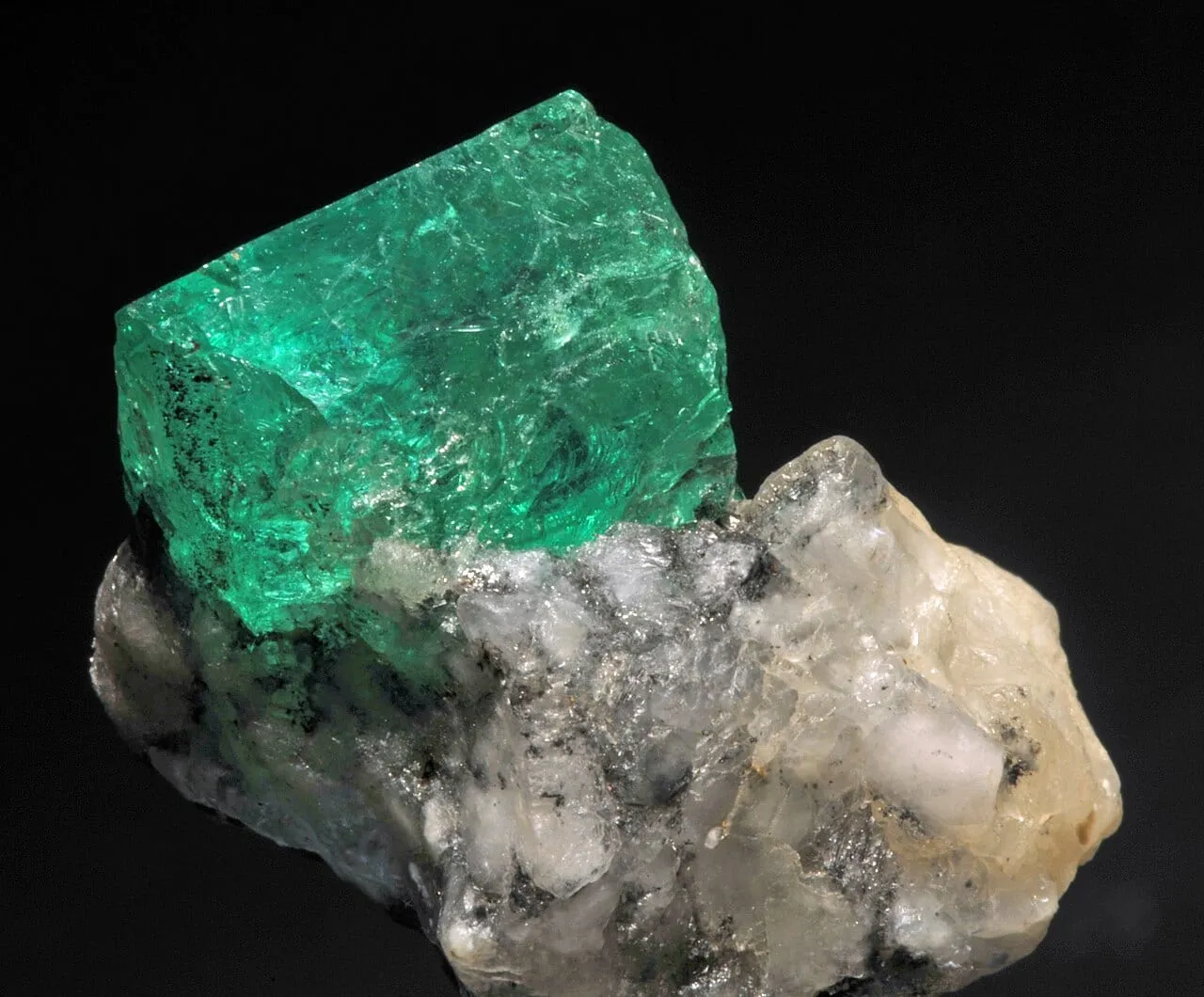
Emerald

  • Pliny wrote that emerald refreshes tired eyes; Roman gem engravers are said to have kept emeralds on their workbenches to rest their eyes.
  • From the Middle Ages to the 17th century, European and Arab writers believed emerald was an antidote to poison and cured epilepsy and dysentery.
  • Emerald was believed to reveal the future and expose lies; a magician was thought to be powerless while an emerald was nearby.
  • In Turkey, stone sellers and crystal-therapy websites claim that emerald opens the “heart chakra”, strengthens love and fidelity, and benefits the heart and nervous system.
  • The same sources say emerald brings plenty and prosperity and is lucky for people born in May; emerald really is the modern birthstone for May.

What science says Looking at something green may rest the eyes, but that is not special to emerald; there is no evidence that emerald cures poisoning, epilepsy, heart or nerve disorders or eye disease. The “chakra” and “prosperity” claims cannot be measured; they are a tradition that comes from linking the colour green and the stone’s value with love and plenty. Swallowing powdered emerald, as old remedies prescribed, can be harmful because of its hard, sharp fragments.

Sapphire

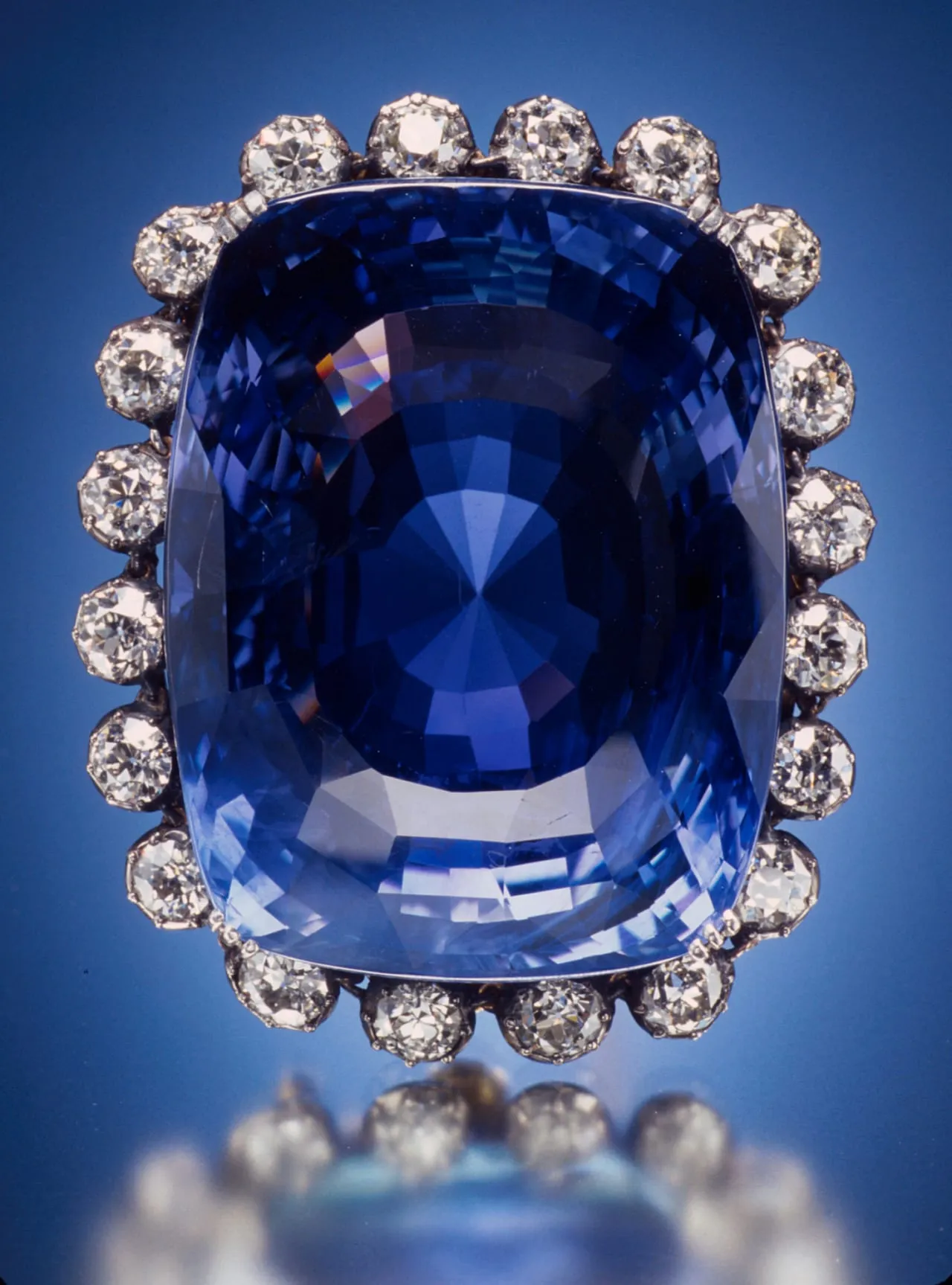
  • According to the ancient writer Damigeron, kings wore sapphire around their necks in the belief that it guarded them from harm and envy and won them divine favour.
  • In the Middle Ages sapphire was believed to neutralise poison, cleanse the eyes and protect the sight.
  • In Hindu astrology blue sapphire is the stone of Saturn; because it is believed to bring great fortune to some and disaster to others, people are advised to wear it on trial for a few days first.
  • In Turkey, stone sellers and crystal-therapy websites claim that sapphire calms the mind, sharpens focus and wisdom and helps with insomnia.

What science says There is no scientific evidence that sapphire neutralises poison or improves eyesight; corundum is extremely resistant chemically and releases nothing into water or the body. Eye complaints call for an eye doctor. No study shows that sapphire calms the mind, improves focus or cures insomnia either; lasting insomnia calls for a doctor.

Tektite

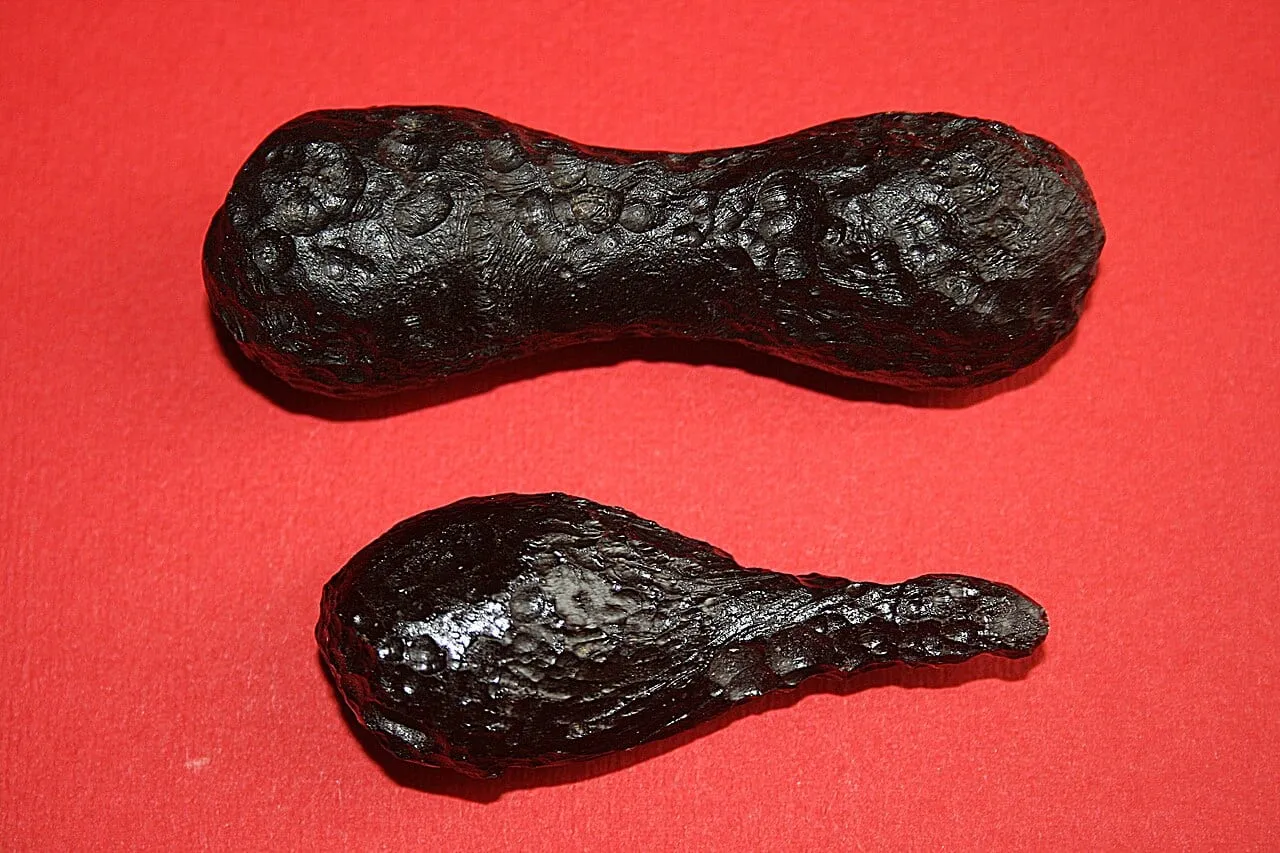
  • Today crystal healing practitioners claim that moldavite is an exceptionally “powerful” stone that speeds up spiritual transformation; some say that people holding it for the first time feel warmth or dizziness.
  • Crystal-therapy websites also claim that moldavite opens the heart chakra and speeds up the fulfilment of wishes.

What science says Moldavite is a silica-rich glass formed from melted Earth rock; since it did not come from space, claims of “energy from space” have no basis. As interest has grown, glass imitations on the market have multiplied too. Sensations such as warmth or dizziness when holding the stone can come from expectation; if dizziness persists, see a doctor.

Coal

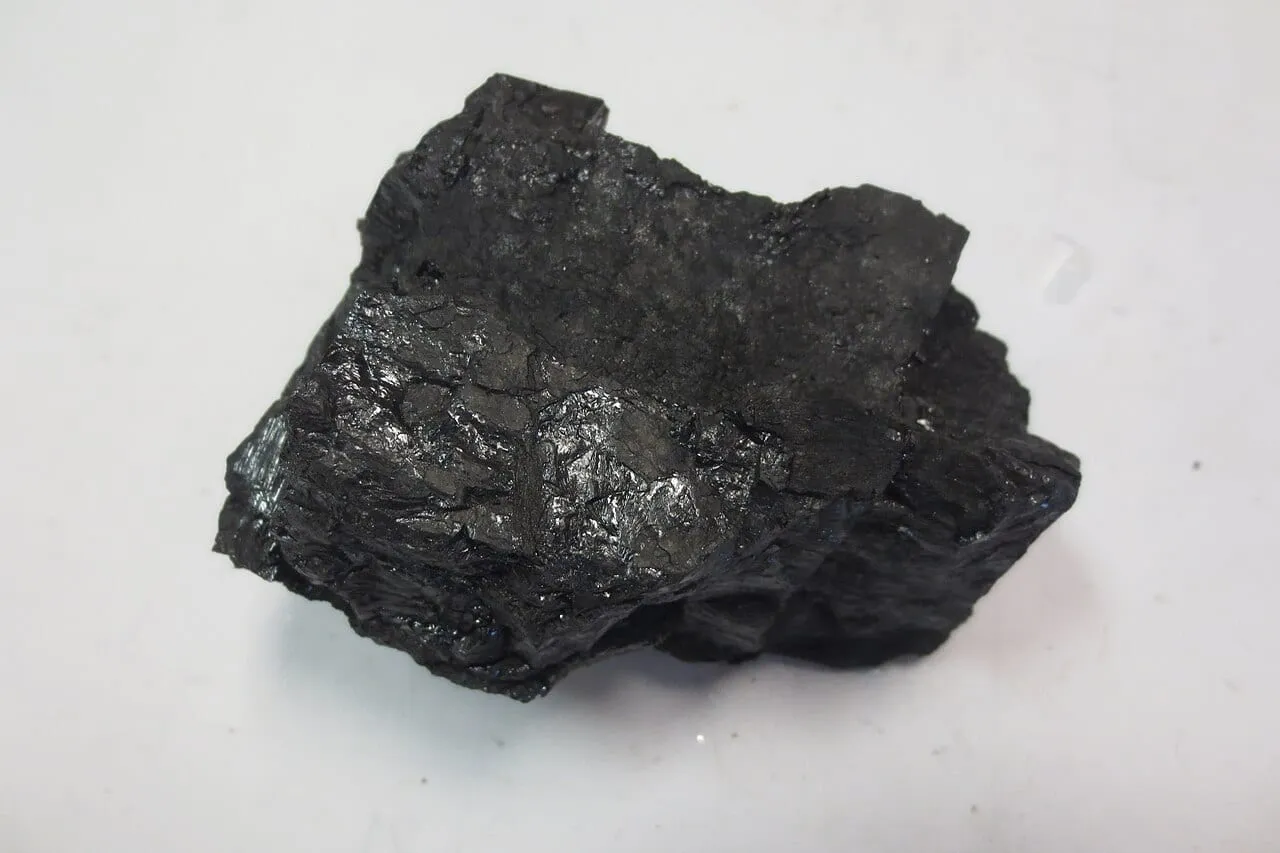
  • In Scotland and northern England, a lump of coal brought by the first visitor of the New Year (the “first-foot”) is believed to bring luck and to stand for a warm house all year.

What science says There is no evidence that a lump of coal brings luck; the custom is a reminder of the days when coal was the main fuel for heating homes. Coal itself has no health benefits: breathing its dust for years can cause a permanent lung disease known as “black lung”.

Diamond

  • In medieval Europe, diamond was believed to give its wearer strength, courage and victory because of its hardness; in the 11th century Marbodus wrote that, set in gold and worn on the left arm, it drove away night-time spectres.
  • Diamond was also believed to be a “stone of reconciliation” that strengthened the love between husband and wife.
  • Ancient Hindu gem texts held that a diamond brought its owner power, friends, riches and good luck, depending on its colour.

What science says Diamond is a mineral of pure, chemically very stable carbon, and there is no scientific evidence that it gives its wearer courage, luck or strength. As Kunz noted, most of these beliefs were derived from the stone’s extraordinary hardness and clarity.