Love and relationships: which stones are believed to help, and what science says

This section reports beliefs; it is not health information. There is no scientific evidence for these claims and no stone replaces medical treatment.

What science says

Conflict with science: Low: a symbolic belief

There is no evidence that stones attract love. Through rings, engagements and gifts, however, stones carry real symbolic value in relationships.

Stones linked with this area (14)

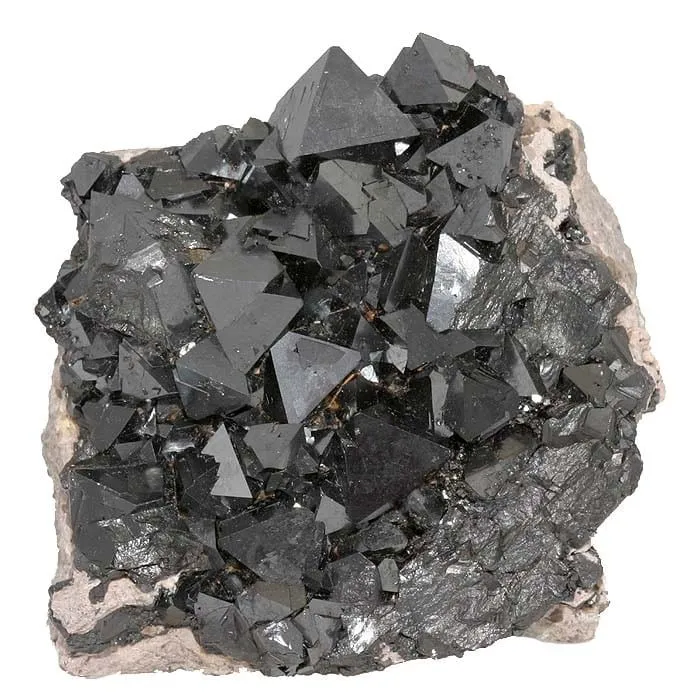
Magnetite

  • According to a belief dating back to antiquity, a lodestone placed under the pillow of a sleeping wife would reveal whether she was faithful.
  • In Eastern legends about Alexander the Great, lodestone was believed to protect against jinn and enchantment, and in the folk magic of the American South it was used as a charm to bring luck and love.
  • Today, magnetic bracelets and jewellery are claimed to relieve joint pain and rheumatism.
  • In Türkiye, companies selling magnetic bracelets, knee and back supports have claimed that these products help arthritis, joint pain and migraine, and even far more serious illnesses.

What science says A meta-analysis of controlled clinical trials (Pittler and colleagues, 2007) found no evidence that magnets reduce pain more than a placebo. In Türkiye, the Ministry of Health also stated in 2011 that the medical benefits claimed for such magnetic-field products lack clinical studies and mislead consumers. People with pacemakers or similar medical devices should not carry strong magnets near the device.
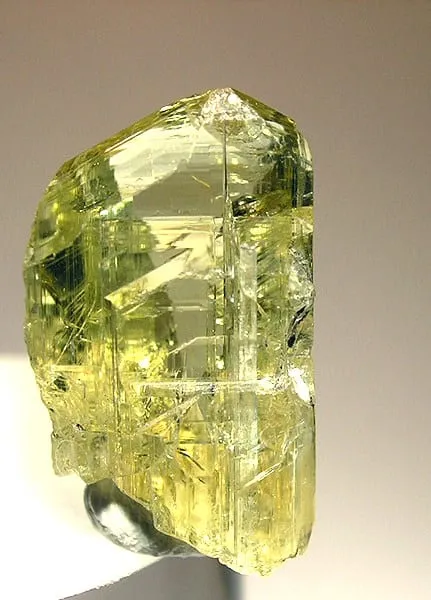
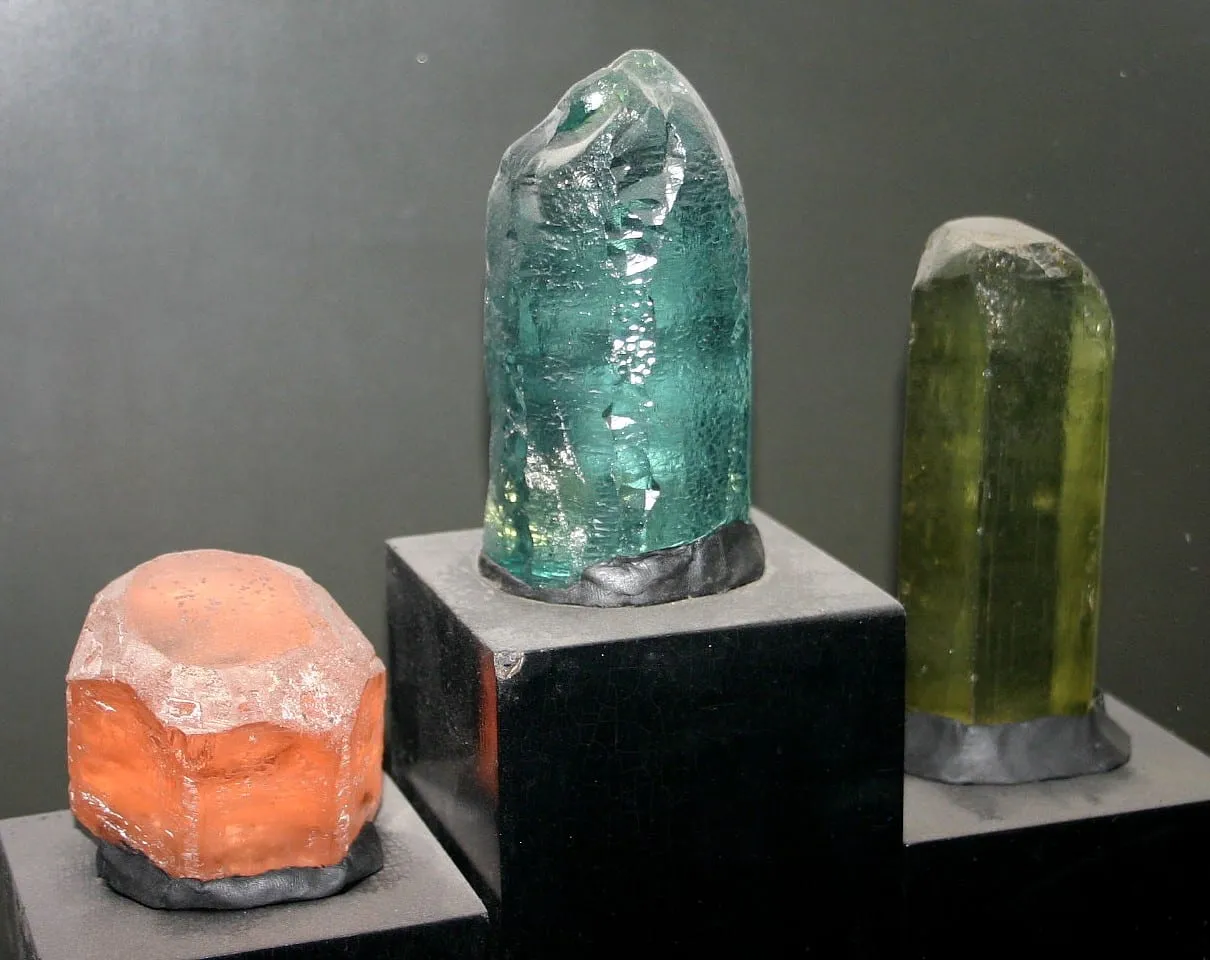
Zoisite

  • Crystal-therapy websites claim that zoisite, and above all ruby zoisite (anyolite), opens the heart chakra, increases love and compassion, heals old emotional wounds and strengthens creativity and self-confidence.
  • The same sources also say that zoisite boosts immunity and vitality, reduces inflammation, “detoxifies” the body and helps allergies.

What science says None of these claims is backed by measurement or a controlled study. Zoisite does not reduce inflammation, strengthen immunity or cure allergies; allergies and lasting illnesses call for a doctor. For emotional wounds, too, the answer is a mental-health professional when needed, not a stone.

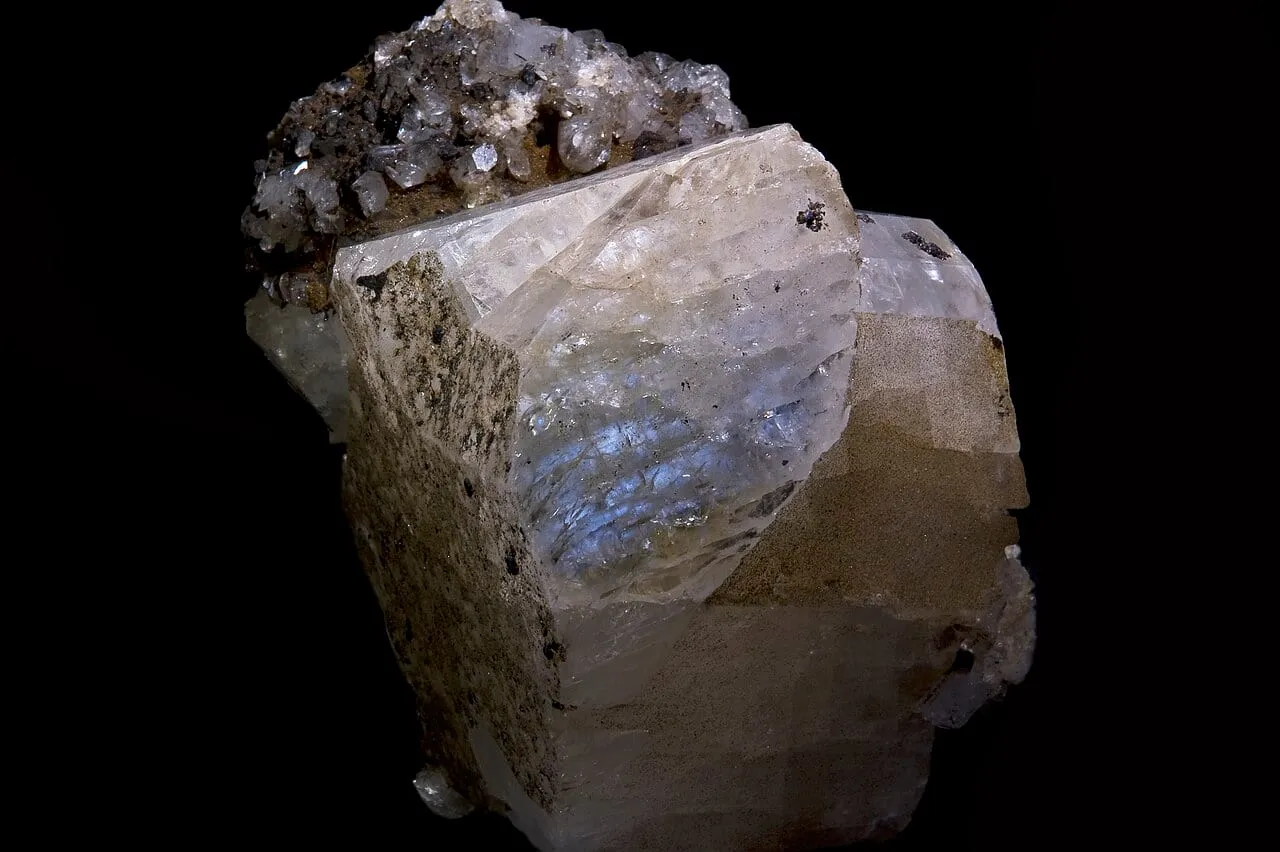
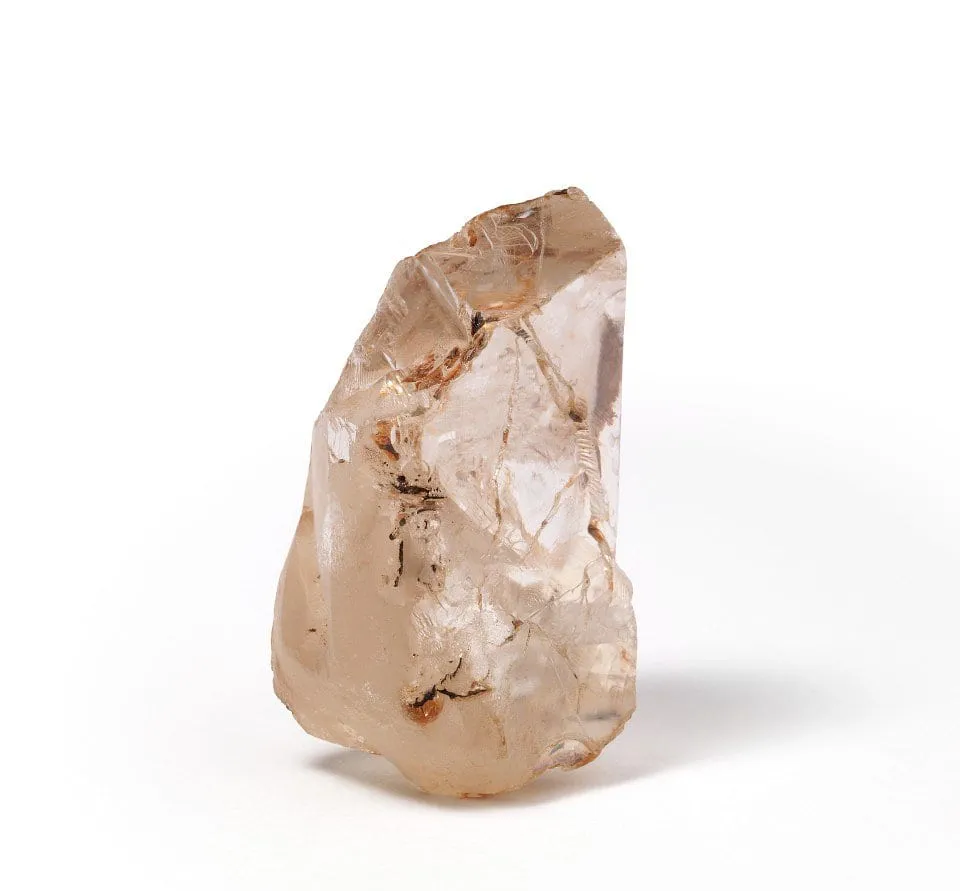
Beryl

  • The medieval writer Arnoldus Saxo (13th century) records the belief that beryl made its wearer unconquerable by enemies in battle and in lawsuits, quickened the intellect and cured laziness.
  • Konrad von Megenberg’s 14th-century “Book of Nature” claims that beryl reawakens the love of married couples.
  • Fortune-tellers who claimed to see the future by gazing into crystals often preferred polished spheres of beryl to rock crystal, believing beryl showed more “visions”.
  • In Türkiye, stone sites and some news sites say that beryl, especially blue-green beryl, brings calm, strengthens communication and improves performance if carried before an oral exam.
  • The same sources claim that beryl is in tune with the throat chakra and supports thyroid problems.

What science says There is no scientific evidence that beryl has any of these powers, improves exam results, is in tune with a chakra or helps with thyroid problems; a doctor should be consulted for thyroid complaints. The “visions” seen by someone staring at a shiny sphere for a long time come not from the stone but from the viewer’s own mind.

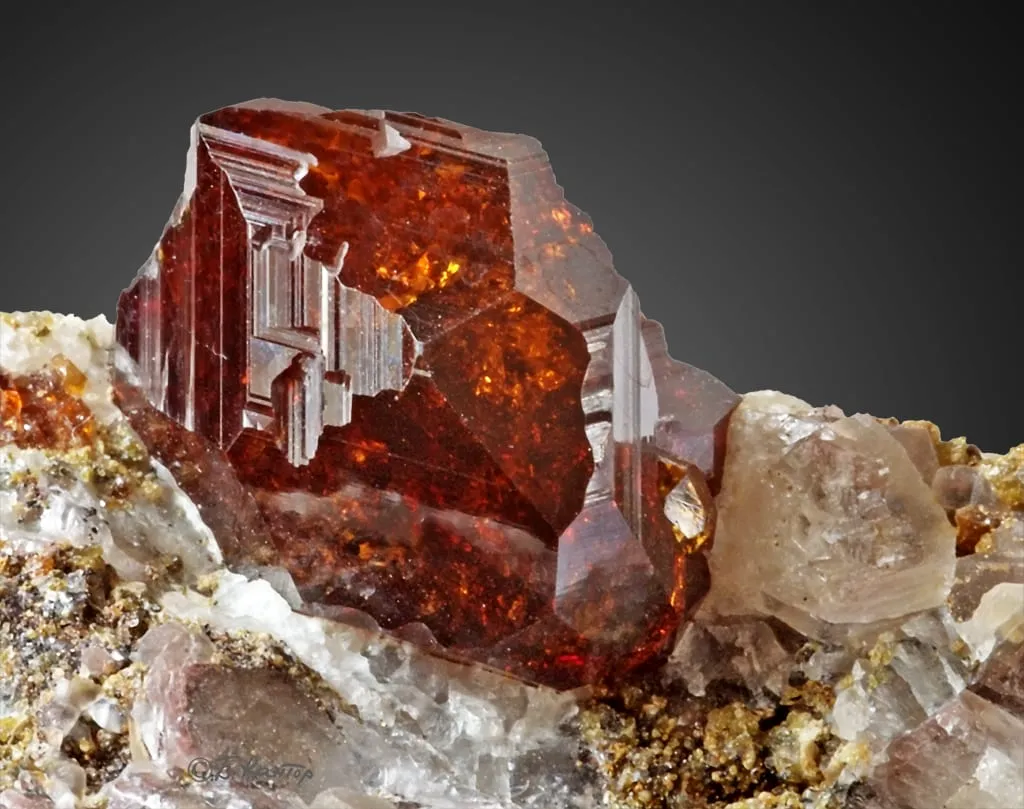
Garnet

  • Red stones such as garnet, whose colour recalls blood, were believed to protect the wearer from wounds.
  • In the Middle Ages, the red stones called “carbuncles” (garnet and ruby) were believed to shine in the dark with their own light.
  • Garnet, the birthstone of January, is believed to bring constancy and friendship to those born in that month.
  • In Turkey, stone sellers and some news websites write that garnet gives energy, eases stress and pain, and helps heart conditions and hormone balance.
  • The same sources say garnet strengthens memory, helps in exams and gives self-confidence.

What science says Garnet does not shine with its own light; it only reflects the light that falls on it, and tales of “carbuncles glowing in the dark” are legend. There is no evidence that garnet protects against wounds, brings constancy, or helps the heart, hormones or memory; someone with a heart condition should not leave treatment to a stone.

Moonstone

  • In Hindu mythology moonstone is believed to be made of solidified moonbeams; in India it is considered sacred and is believed to bring good fortune.
  • According to an old belief, lovers who held a moonstone in their mouths at full moon could see their future.
  • Modern crystal-therapy sources claim that moonstone supports women's health, fertility and emotional balance.
  • In Türkiye, some lifestyle websites and crystal-therapy sources say moonstone brings restful sleep, prevents nightmares and sleepwalking, and helps you remember dreams.
  • The same sources claim that moonstone balances oestrogen, regulates the menstrual cycle, eases menopause complaints, makes childbirth easier and helps sudden cramps.

What science says Moonstone's glow comes from light scattering in thin feldspar layers inside the stone; it has nothing to do with the Moon or its phases. There is no evidence that moonstone affects fertility or hormone balance. The same goes for sleep, nightmares and dream recall. Problems such as irregular periods, menopause complaints, childbirth or difficulty conceiving call for a doctor.

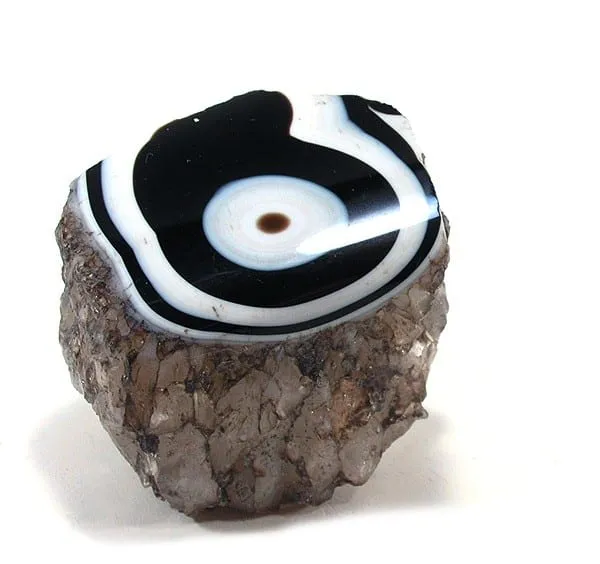
Onyx

  • In the Middle Ages and in Arabic tradition onyx was believed to bring sadness, frightening dreams and quarrels; its Arabic name was also said to mean “sadness”.
  • In India, onyx worn around the neck was reportedly believed to cool the passions of love, and onyx was accordingly thought to drive lovers apart.
  • In Türkiye, stone sellers and crystal-therapy websites claim that onyx eases pain and migraine, speeds up the healing of broken bones, strengthens immunity and helps sleep, and reduces stress and depression.
  • The same websites say onyx protects against the evil eye and negative energy, gives confidence and patience and brings balance to relationships, the opposite of the bad-luck belief in the old sources.

What science says There is no basis for the idea that onyx brings bad luck or affects the emotions; the belief may have arisen from the stark contrast between its black and white layers. Onyx is a chemically resistant member of the quartz family with no known toxicity. There is also no evidence that it affects pain, migraine, immunity or the healing of a fracture; broken bones and lasting pain need a doctor.

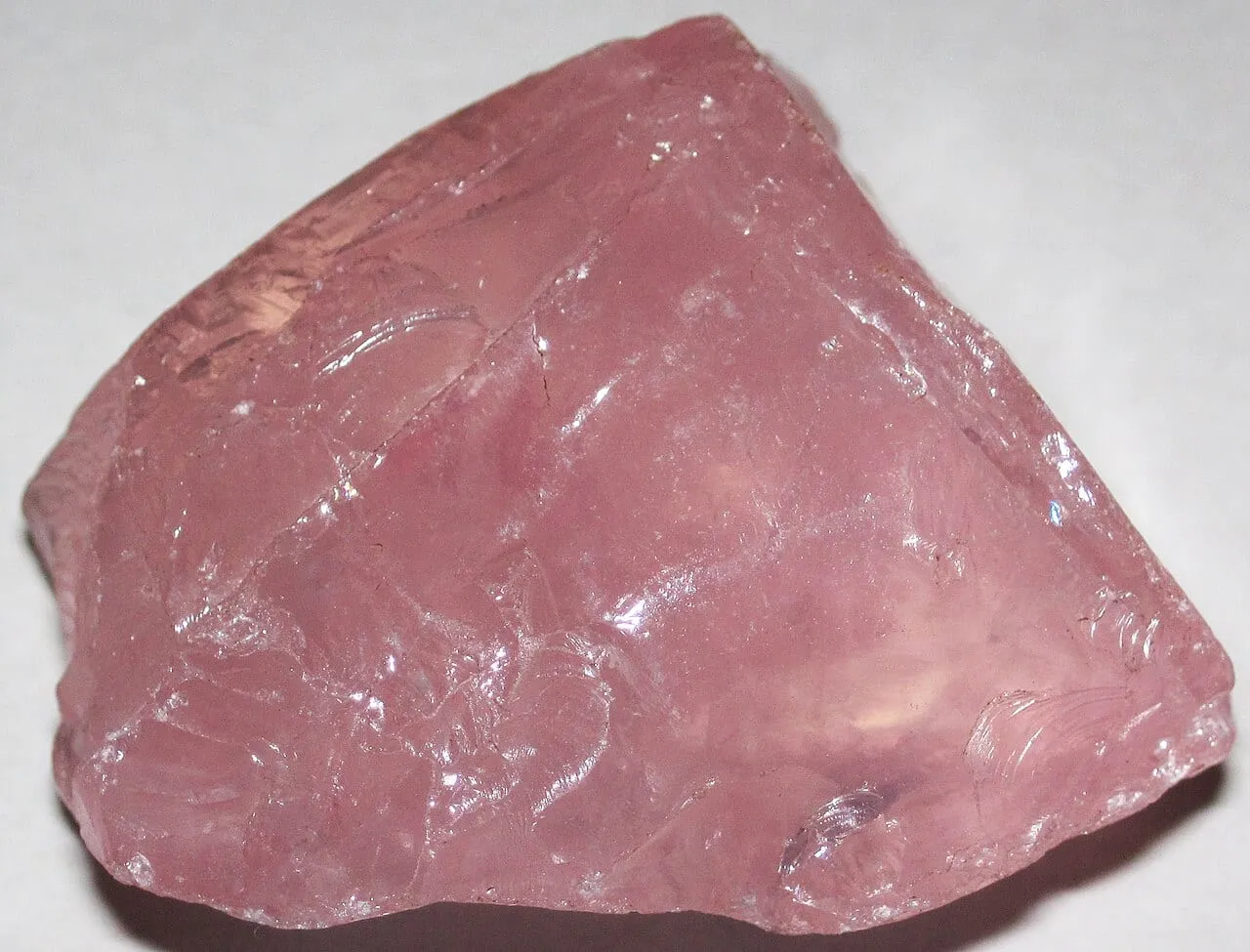
Rose quartz

  • Today crystal healing practitioners present rose quartz as the “love stone”, claiming that it attracts love, soothes hurt feelings and helps people love themselves.
  • Face rollers and gua sha stones made of rose quartz are claimed to rejuvenate the skin and reduce wrinkles.
  • In Turkey, stone sellers and crystal-therapy websites claim that rose quartz opens the heart chakra and is good for the heart and blood circulation.

What science says Rose quartz is ordinary quartz coloured by microscopic fibrous inclusions; no scientific study shows that it affects emotions or relationships. Any short-lived relief a face massage brings comes from the massage itself, not from the kind of stone. No study shows that rose quartz helps the heart, circulation or any other organ either; heart and vascular disease belong in a doctor's hands.

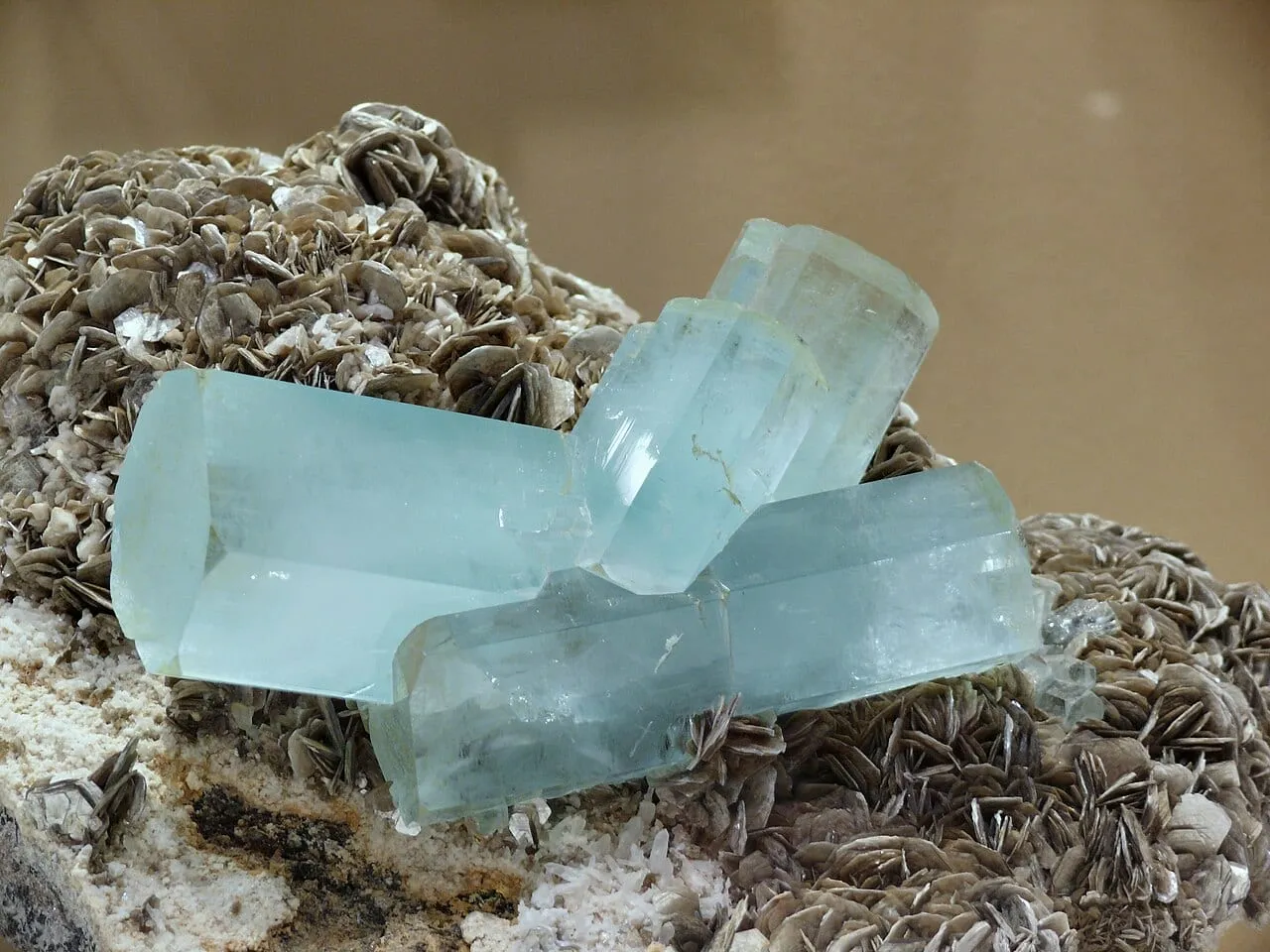
Aquamarine

  • A Greek lapidary thought to date from the 3rd or 4th century AD records the belief that a sea-green beryl (most likely aquamarine), set in one of the amulets worn by sailors, banished fear.
  • Today crystal-therapy practitioners claim that aquamarine is calming and makes it easier to express oneself.
  • In Türkiye, crystal-therapy sites and some news sites say that aquamarine is in tune with the throat chakra and helps with thyroid problems and sore throats.
  • The same sources treat aquamarine as a symbol of fidelity and trust in relationships and recommend it as an engagement or anniversary gift for a happy marriage.

What science says These beliefs draw largely on the stone’s seawater colour and its name; there is no scientific evidence that aquamarine reduces fear or anxiety, helps with throat or thyroid complaints or strengthens a chakra; a doctor should be consulted if a sore throat or thyroid symptoms persist. Its role as a symbol of fidelity comes from the tradition of giving gifts, not from the stone.

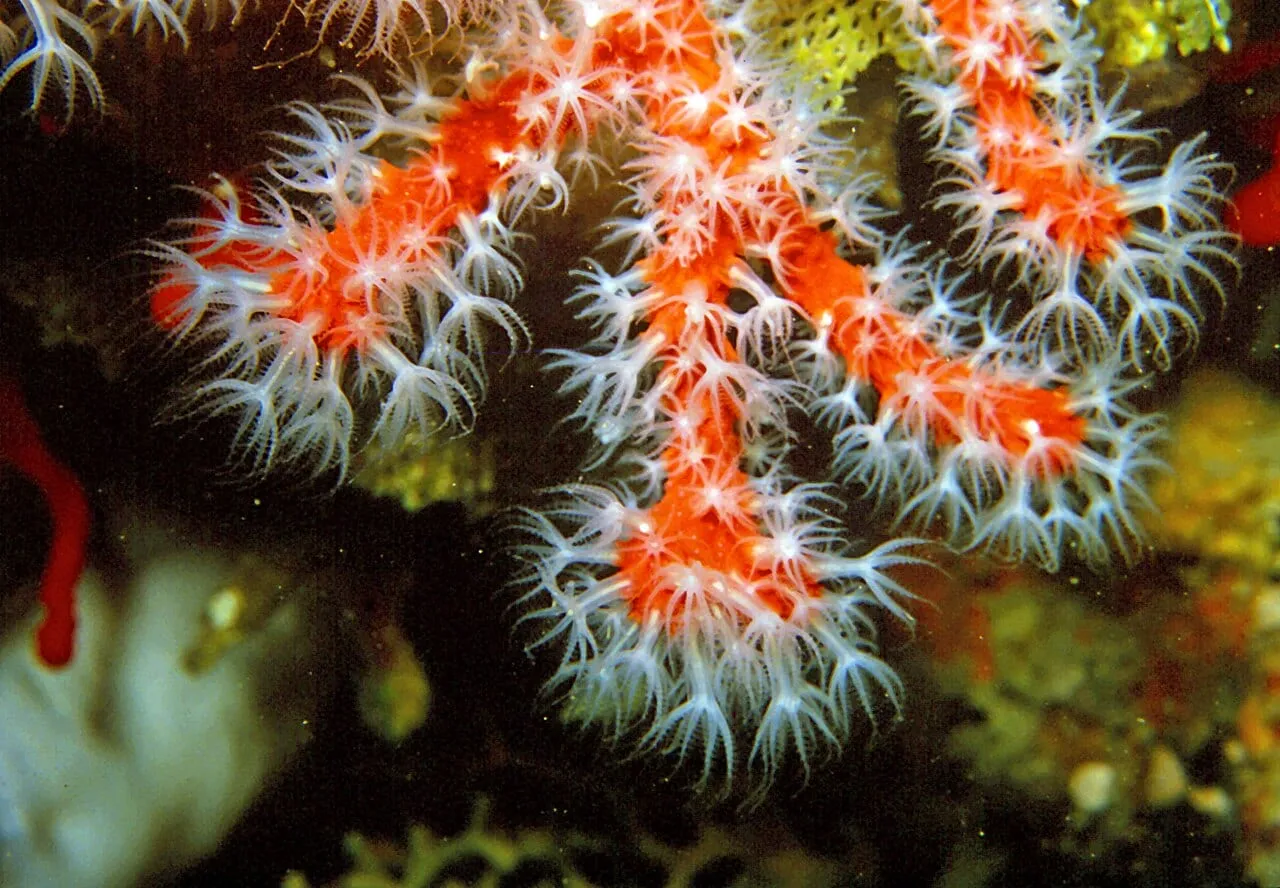
Coral

  • In ancient Rome, branches of coral hung around children’s necks were believed to protect them from dangers from outside.
  • In Italy, red coral is believed to protect against the evil eye and spells; for this it was thought that the coral should be unworked and worn where it would be clearly seen.
  • In medieval and Renaissance Europe, red coral was believed to turn pale when its wearer fell ill or was about to.
  • Some news and stone-selling websites in Türkiye claim that coral eases anxiety, strengthens love and communication, activates life energy and protects against bad energy.

What science says Coral does not change colour with the wearer’s health; its red and pink colours come from carotenoid pigments in the skeleton. Being calcite, coral can lose its polish through contact with acids and cosmetics, and there is no scientific evidence that it protects against the evil eye or danger, eases anxiety or boosts love and energy.

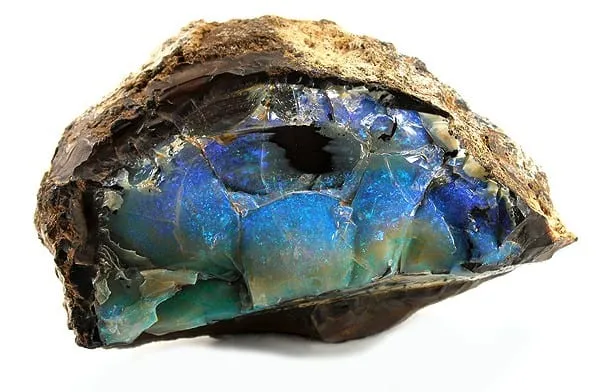
Opal

  • In the Middle Ages opal was believed to cure eye diseases and to make its wearer invisible, which is why it was also called the “patron of thieves”.
  • The ancient Greeks are said to have believed that opal gave its owner the gift of prophecy and guarded them from disease.
  • Modern crystal-therapy sources claim that opal intensifies emotions and boosts creativity.
  • In Türkiye, stone sellers and crystal-therapy websites say that opal helps eyesight, joint pain and kidney complaints, strengthens immunity and flushes heavy metals and poisons out of the body; it is also popularly known there as the “antidote stone”.
  • The same websites claim that opal reduces stress, gives self-confidence and creativity, and instils hope and love.

What science says Opal's colours come from tiny silica spheres diffracting light; there is no evidence that it heals the eyes or protects against disease. Eye complaints call for an eye doctor. The claims that opal helps kidney or joint problems or removes heavy metals and poisons from the body are equally unproven; against real poisoning the stone offers no protection, and medical help must be sought at once. Because some opals absorb water, soaking them to make “gem water” can also damage the stone.

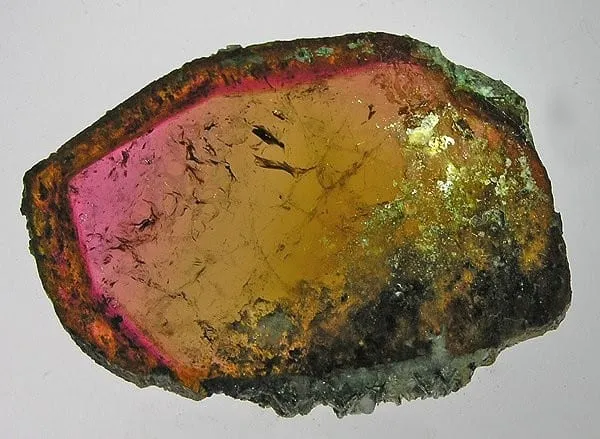
Tourmaline

  • Today crystal healing practitioners claim that black tourmaline (schorl) protects people by absorbing “negative energy” and the waves given off by devices such as mobile phones and Wi-Fi routers.
  • Hair dryers, combs and bracelets containing powdered tourmaline are sold with claims that they give off “negative ions” and infrared rays that are good for health.
  • In Türkiye, stone sellers and crystal-therapy websites claim that tourmaline strengthens circulation and immunity and eases tiredness and stress; those selling tourmaline back and knee bands and bracelets claim that these speed up blood flow and reduce pain.
  • Crystal-therapy websites claim that pink tourmaline (rubellite) opens the heart and increases love and compassion.

What science says The electric charge that builds up at the ends of a heated or squeezed tourmaline crystal is a real physical effect, but it is tiny and quickly dissipates. It has not been shown that a stone “absorbs” phone signals or produces enough negative ions to affect health. Nor has it been shown that tourmaline bands relieve pain or improve circulation, and some “negative ion” products have been measured to contain radioactive material. Lasting pain and circulation problems call for a doctor.

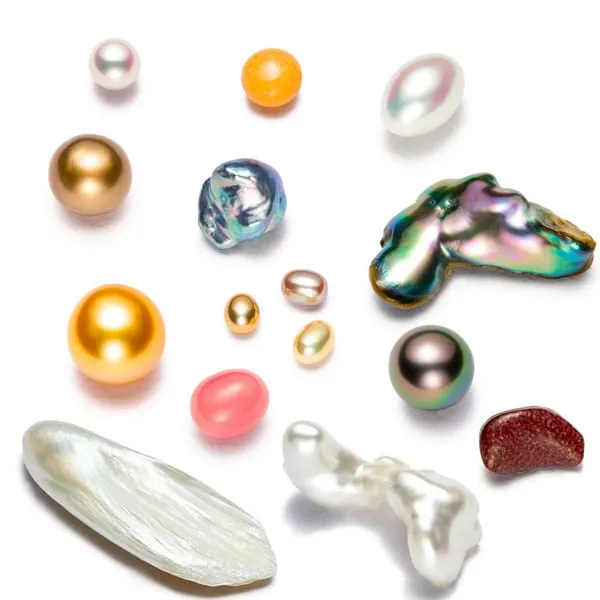
Pearl

  • In traditional Chinese medicine, ground pearl powder is used as a medicine and beauty product and is believed to improve the skin and calm the mind.
  • In Ayurveda, India’s traditional medicine, pearl powder is claimed to stimulate digestion and to treat mental ailments.
  • In some folk beliefs pearls stand for tears, and a bride who wears pearls on her wedding day is believed to bring tears into her marriage.
  • In Turkey, stone sellers and crystal-therapy websites claim that pearl is tied to the moon, brings emotional balance, strengthens the nervous system and reduces stress and anxiety.

What science says Pearl is mostly calcium carbonate, chemically the same substance as chalk and limestone; there is no scientific evidence that pearl powder does anything an ordinary calcium source does not. Nor is there any basis for the belief that pearls bring tears or bad luck. No study supports the sellers' claim that pearl strengthens the nervous system or reduces stress; the good feeling a pearl necklace gives comes from wearing a beautiful object.

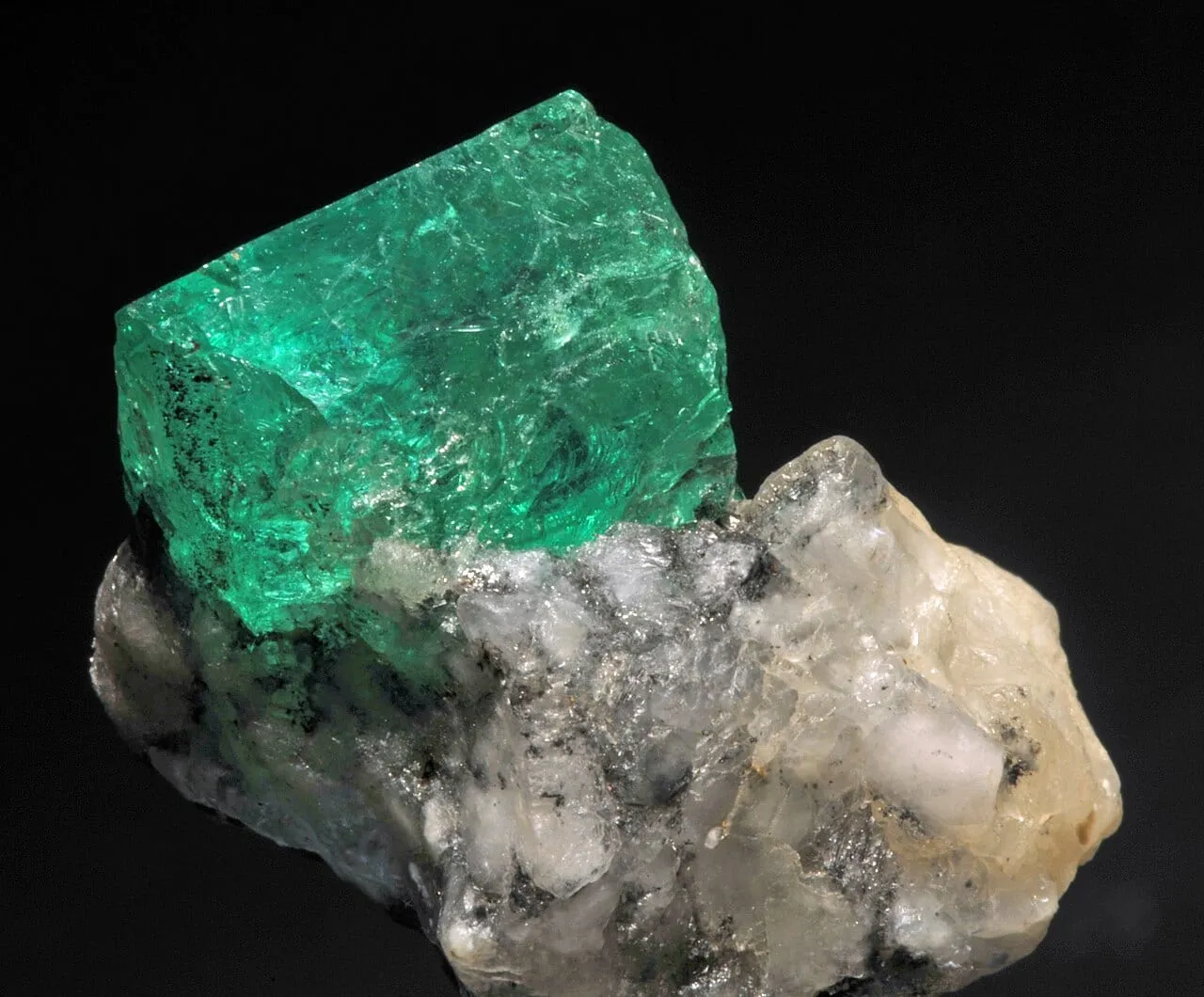
Emerald

  • Pliny wrote that emerald refreshes tired eyes; Roman gem engravers are said to have kept emeralds on their workbenches to rest their eyes.
  • From the Middle Ages to the 17th century, European and Arab writers believed emerald was an antidote to poison and cured epilepsy and dysentery.
  • Emerald was believed to reveal the future and expose lies; a magician was thought to be powerless while an emerald was nearby.
  • In Turkey, stone sellers and crystal-therapy websites claim that emerald opens the “heart chakra”, strengthens love and fidelity, and benefits the heart and nervous system.
  • The same sources say emerald brings plenty and prosperity and is lucky for people born in May; emerald really is the modern birthstone for May.

What science says Looking at something green may rest the eyes, but that is not special to emerald; there is no evidence that emerald cures poisoning, epilepsy, heart or nerve disorders or eye disease. The “chakra” and “prosperity” claims cannot be measured; they are a tradition that comes from linking the colour green and the stone’s value with love and plenty. Swallowing powdered emerald, as old remedies prescribed, can be harmful because of its hard, sharp fragments.

Diamond

  • In medieval Europe, diamond was believed to give its wearer strength, courage and victory because of its hardness; in the 11th century Marbodus wrote that, set in gold and worn on the left arm, it drove away night-time spectres.
  • Diamond was also believed to be a “stone of reconciliation” that strengthened the love between husband and wife.
  • Ancient Hindu gem texts held that a diamond brought its owner power, friends, riches and good luck, depending on its colour.

What science says Diamond is a mineral of pure, chemically very stable carbon, and there is no scientific evidence that it gives its wearer courage, luck or strength. As Kunz noted, most of these beliefs were derived from the stone’s extraordinary hardness and clarity.