Sleep: which stones are believed to help, and what science says

This section reports beliefs; it is not health information. There is no scientific evidence for these claims and no stone replaces medical treatment.

What science says

Conflict with science: Moderate: an unproven claim

There is no evidence that a stone under the pillow improves sleep. Any relief can come from expectation and a bedtime routine. Lasting insomnia is a medical problem.

Stones linked with this area (17)

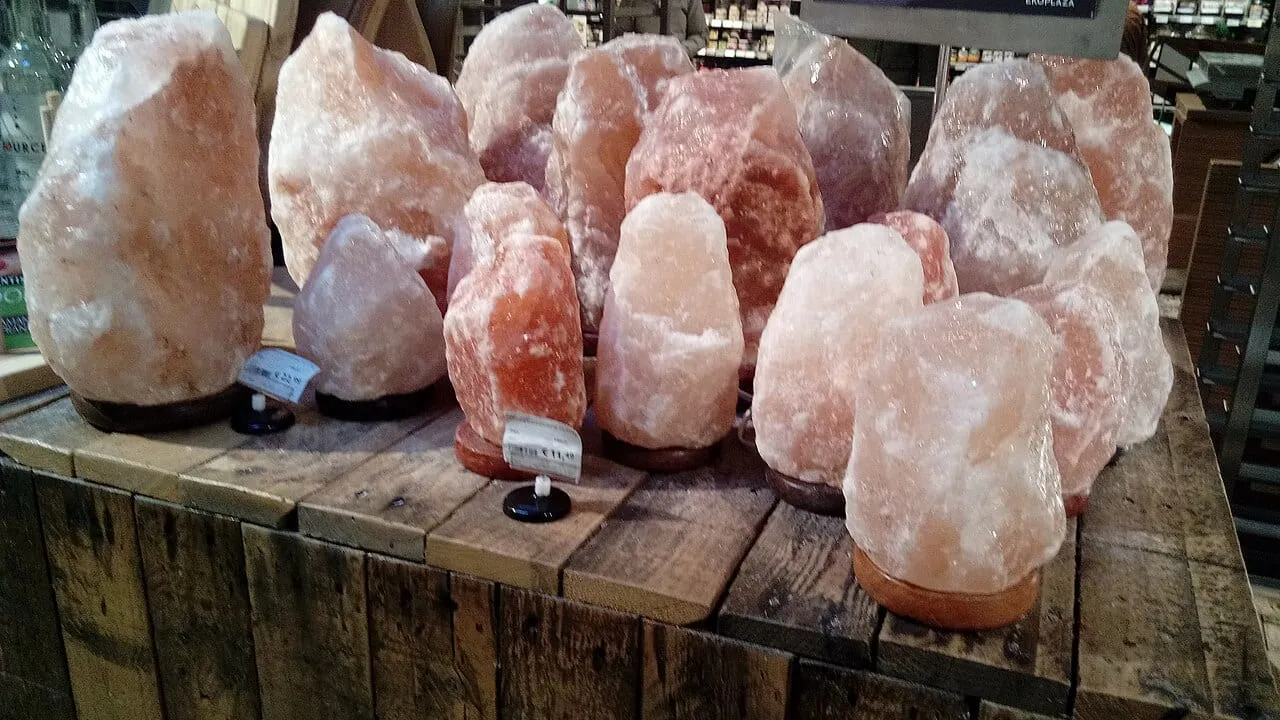
Himalayan salt and salt lamps

  • According to salt lamp sellers, the lamp gives off “negative ions” when it warms up; these ions are said to clean the air and neutralise “harmful radiation” from electronic devices.
  • The same sources claim that salt lamps relieve allergies and asthma, improve sleep, reduce stress and lift the mood.
  • In some countries of Central and Eastern Europe, spending time in salt caves (speleotherapy, halotherapy) is believed to help asthma and respiratory diseases.

What science says Claims that salt lamps release health-giving ions or clean the air have no scientific basis; the lamp is simply a block of salt warmed by the bulb inside, and its light can make a room feel cosy. The idea that it “absorbs” radiation from electronic devices also contradicts physics. A Cochrane systematic review of salt-cave therapy concluded that the available evidence does not allow a reliable conclusion as to whether it works for asthma. Salt lamps or salt caves should never replace asthma or allergy medicines.
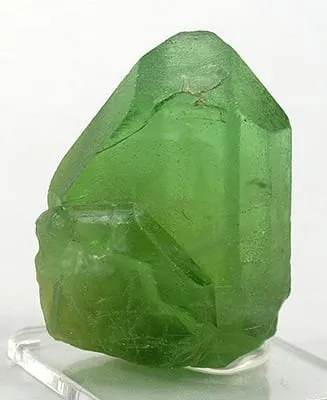
Olivine

  • Ancient and medieval belief held that peridot (chrysolite) set in gold drove away night terrors and nightmares.
  • Peridot pierced, strung on donkey hair and tied to the left arm was believed to protect against evil spirits and enchantment.
  • In Türkiye, stone sellers and crystal-therapy websites say that zebercet (peridot, olivine) helps the stomach, bowel, liver and thyroid, cleanses the body of toxins, calms feelings such as jealousy, anger and guilt, and brings abundance.

What science says Peridot's green colour comes from the iron in its structure; there is no evidence that it prevents nightmares or wards off evil. The claims that it helps the stomach, bowel or thyroid, or “cleanses” the body, are equally unproven. If sleep or digestive problems persist, see a doctor.

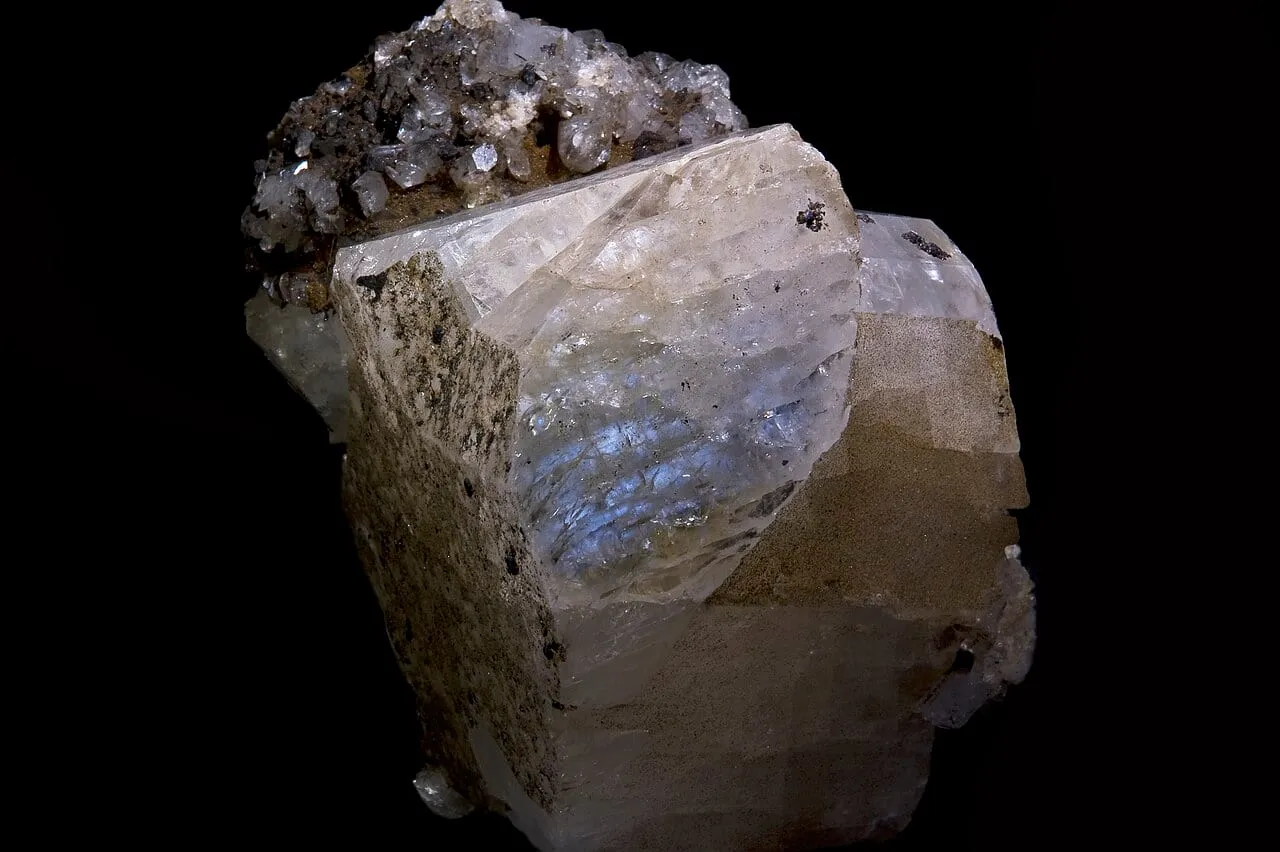
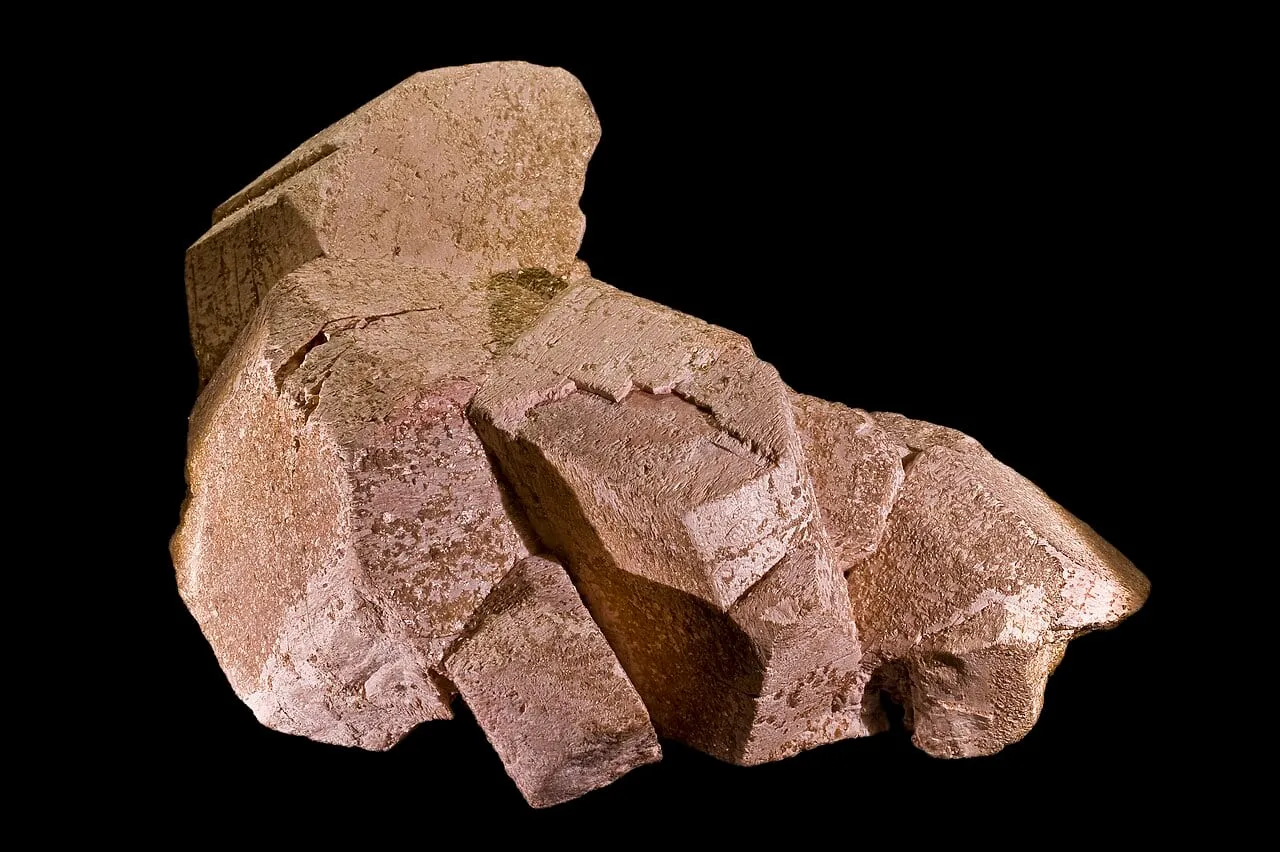
Orthoclase

  • In Türkiye, stone sellers and crystal-therapy websites say that orthoclase reduces stress, gives confidence and courage, and improves focus and mental clarity.
  • The same websites claim that orthoclase strengthens immunity, helps stomach and bowel problems and eases insomnia.

What science says No study supports these claims. Orthoclase is potassium feldspar, very common in the Earth's crust; apart from its use in the ceramics and glass industries it is not known to have any effect on the body or mind. Lasting sleep or digestive problems call for a doctor.

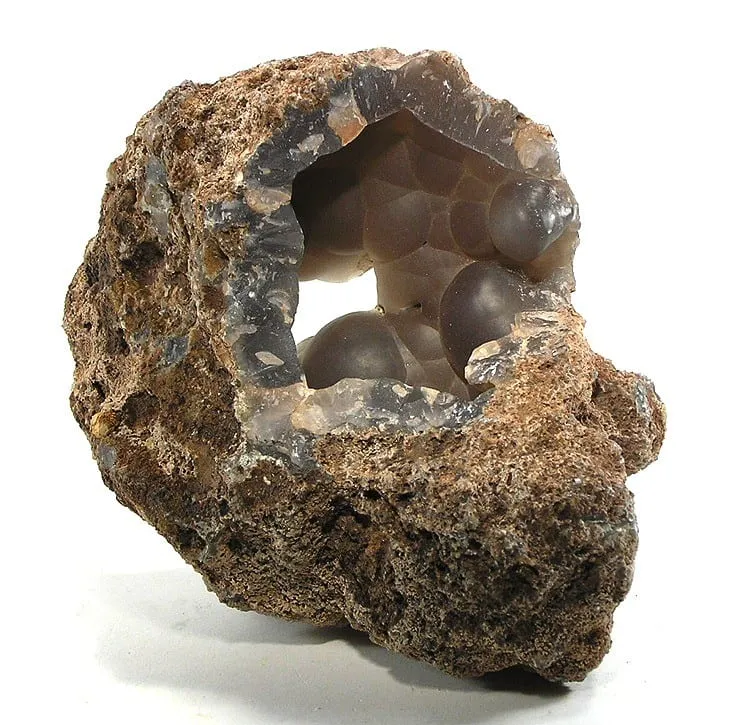
Chalcedony

  • According to a Greek lapidary thought to date from the 3rd or 4th century AD, an amulet set with chalcedony together with a red stone was believed to protect sailors from drowning.
  • In earlier centuries in Europe, chalcedony was believed to drive away ghosts and frightening visions of the night.
  • Today crystal-therapy practitioners claim that chalcedony, blue chalcedony in particular, is calming and makes communication easier.
  • In Türkiye, some news sites and crystal-therapy sites say that chalcedony drives away negative energy and gives energy and motivation.
  • The same sources claim that chalcedony helps with chronic illness, coughs and sleep problems, and eases stress and depression.

What science says Chalcedony is made of chemically inert silica; there is no scientific evidence that it protects people from drowning, nightmares or anxiety, gives energy, or cures chronic illness, coughs, sleeplessness or depression. Depression and chronic illness need medical treatment; medicines should not be replaced by a stone or stopped without consulting a doctor.

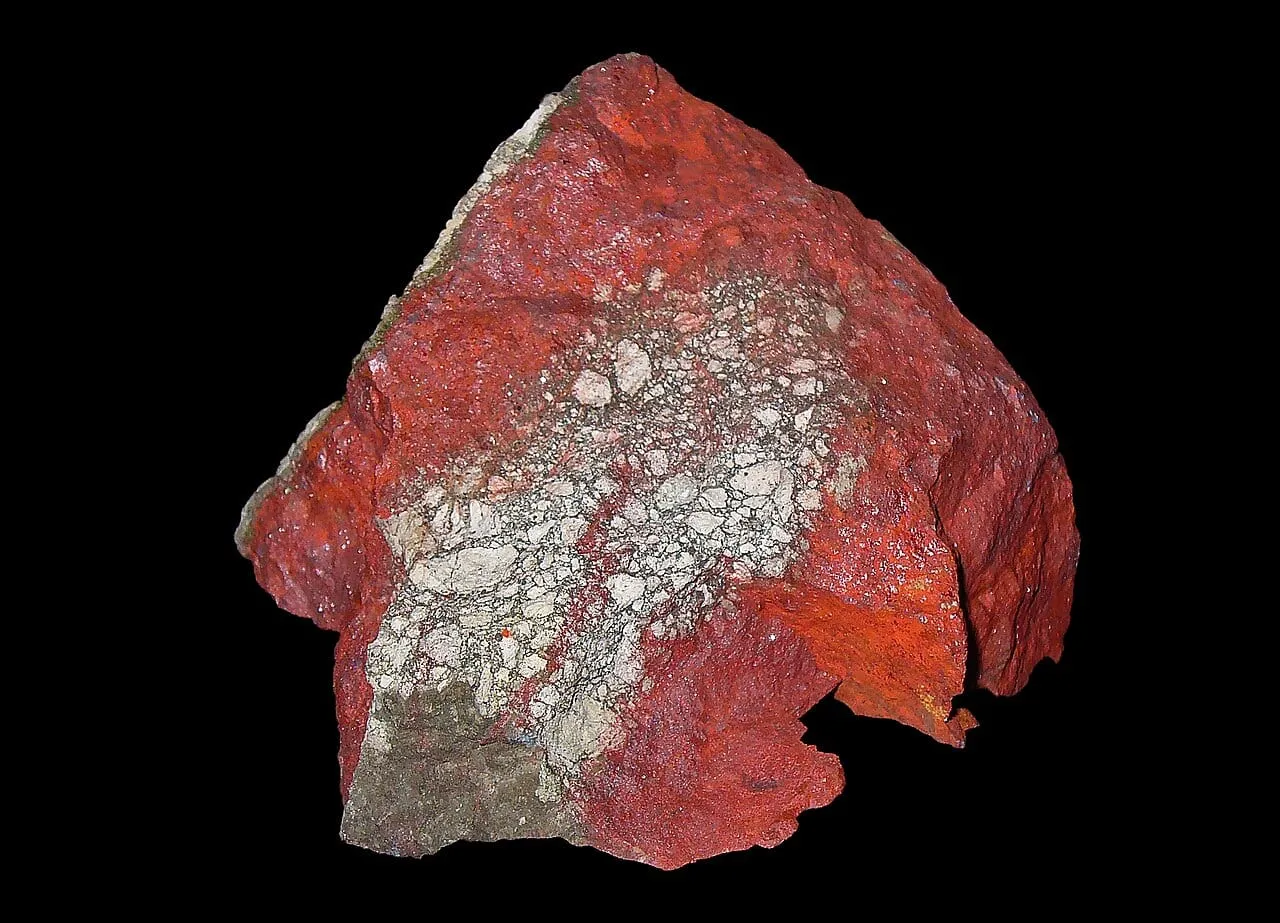
Cinnabar

  • In ancient China, Taoist alchemists believed that elixirs prepared from minerals such as cinnabar would bring long life and immortality.
  • In traditional Chinese medicine, cinnabar (zhu sha) is believed to calm the mind and to help with palpitations, insomnia and convulsions; some traditional medicines containing cinnabar are still in use today.

What science says Cinnabar is mercury sulfide; when swallowed, the mercury that is absorbed accumulates in the kidneys, and its inclusion in traditional medicines has not been scientifically justified. Never put cinnabar in drinking water (“gem water” or “elixirs”), in the mouth or over heat, and never breathe its dust.

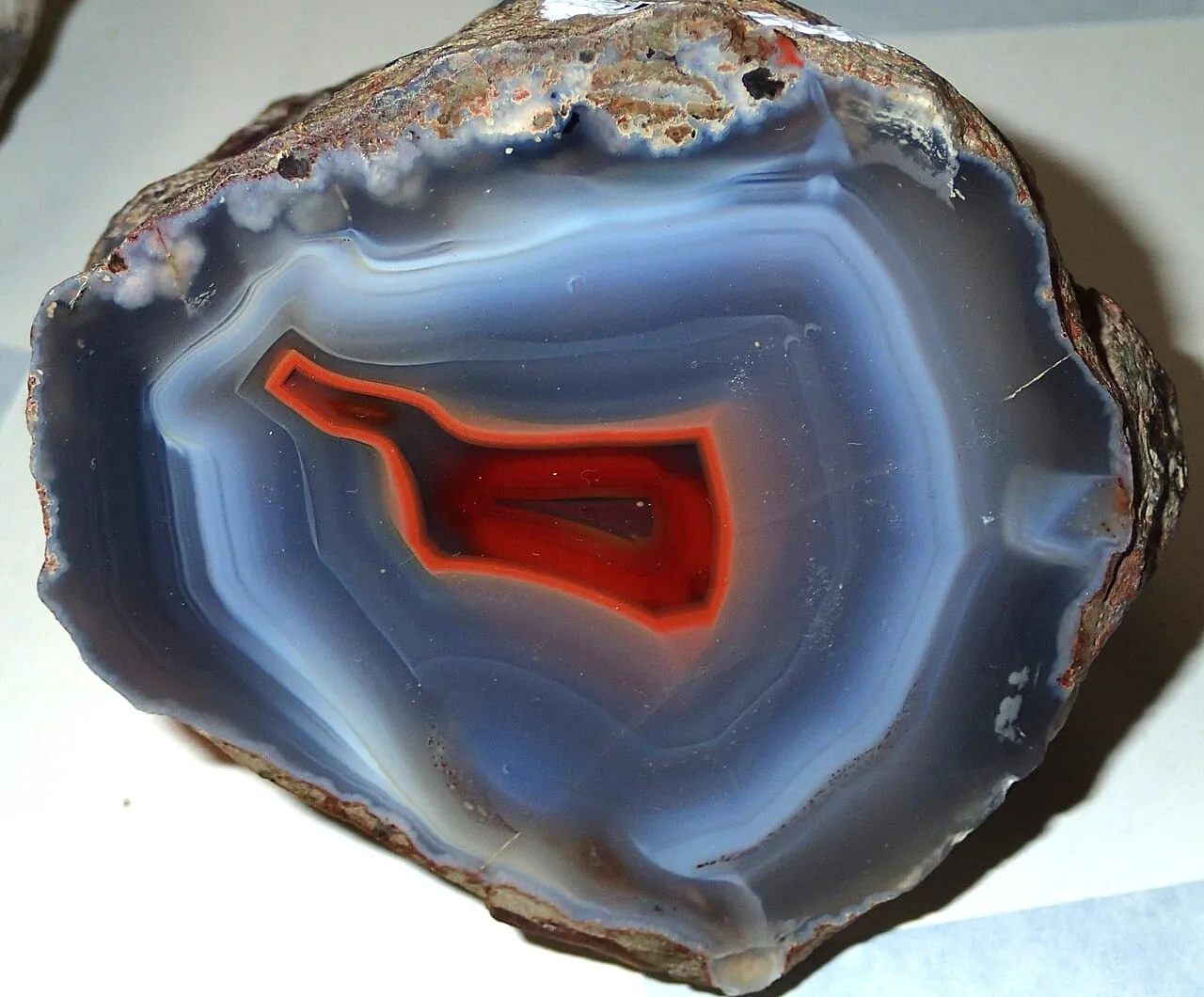
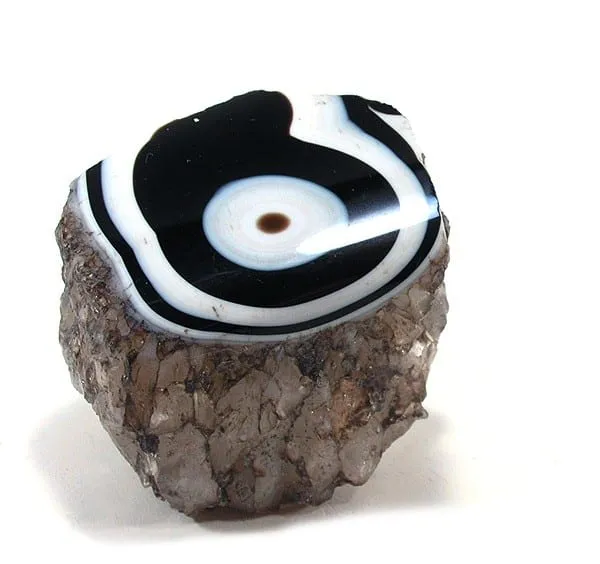
Agate

  • Medieval lapidaries, such as the writings of Marbodus, Bishop of Rennes, in the 11th century, held that agate made its wearer agreeable and persuasive and won them the favour of God.
  • In earlier centuries in Europe, wearing agate was believed to cure sleeplessness and bring pleasant dreams.
  • In 19th-century Sudan, brown or black “eye” agates with a white ring in the centre were believed to guard against the evil eye; most of these amulets were cut in the workshops of Idar-Oberstein in Germany.
  • In the Islamic world, based on the tradition that the Prophet Muhammad wore a seal ring set with an ʿaqīq stone, ʿaqīq rings (agate, usually red carnelian) are believed to protect their wearer from evil and envy.
  • In Türkiye, stone sellers and some religious publications attribute to the Prophet Muhammad the saying “whoever wears an agate ring will not be poor” and claim that agate increases provision and blessing.
  • In Türkiye, stone sellers and crystal-therapy sites claim that agate speeds up blood circulation and eases stomach and bowel complaints.

What science says Agate is a chemically inert form of quartz made of silica; there is no scientific evidence that it improves sleep, protects against the evil eye or envy, speeds up circulation or helps any illness; if symptoms persist, the remedy is a doctor, not a stone. The “eye” pattern is simply concentric silica bands that look like rings where the stone is cut. The saying “whoever wears an agate ring will not be poor” is attributed to the Prophet, but hadith scholars do not regard it as reliable.

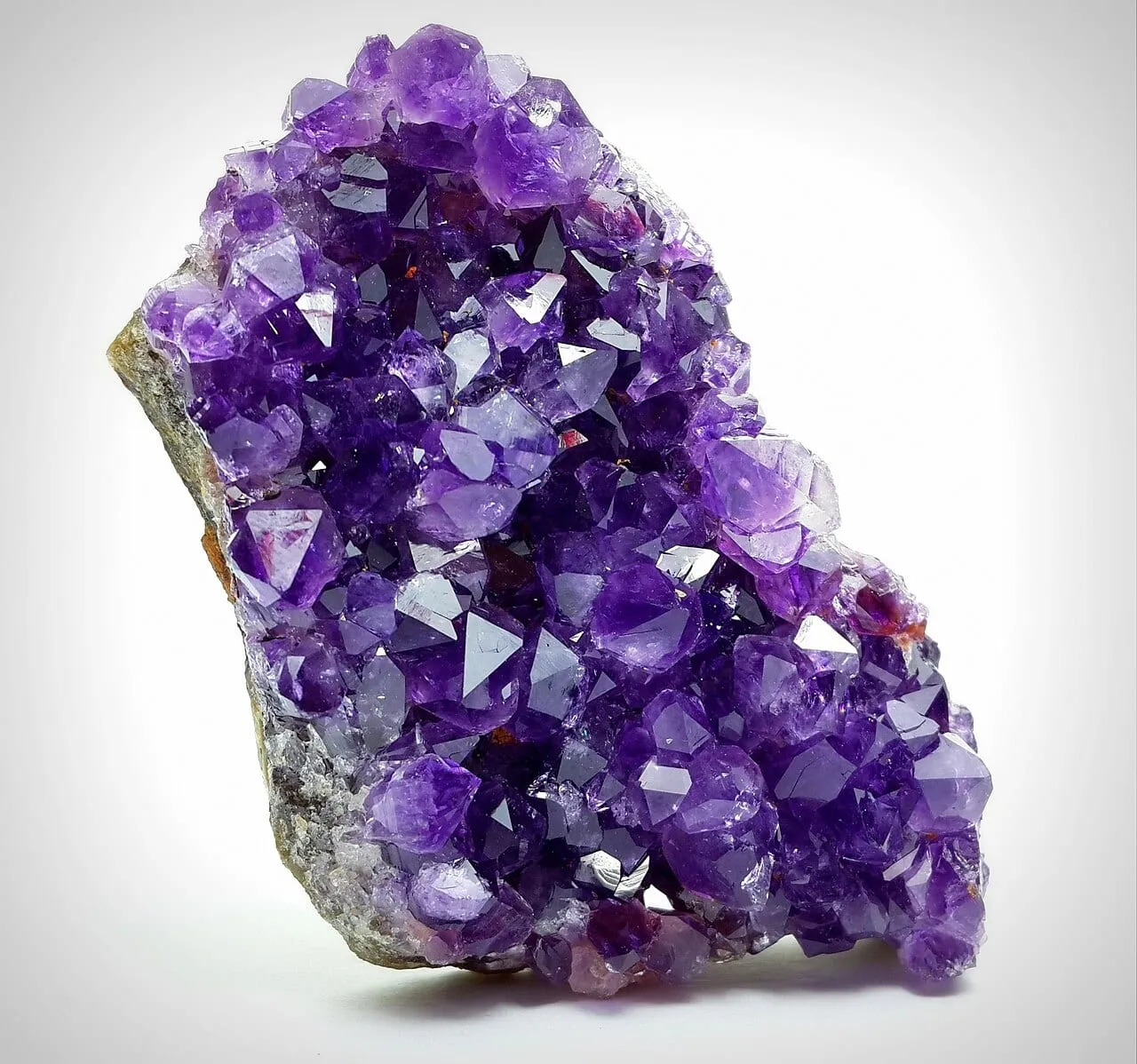
Amethyst

  • The ancient Greeks believed amethyst prevented drunkenness; the stone’s name comes from the Greek amethystos, meaning “not drunk”.
  • In a book on stones published in 1502, the Italian writer Camillo Leonardi wrote that amethyst kept away evil thoughts and sharpened the intelligence.
  • Today crystal-therapy practitioners claim that amethyst is calming and helps with sleep and with coping with stress.
  • In Türkiye, stone sellers and crystal-therapy sites say that amethyst opens the crown chakra, deepens meditation and shields against “negative energy”.
  • In Türkiye, stone sellers and crystal-therapy sites claim that amethyst relieves headaches and tiredness and strengthens the immune system.

What science says There is no scientific evidence that amethyst prevents drunkenness or improves sleep; there is no evidence either that it relieves headaches, strengthens the immune system or “opens” a chakra; persistent sleeplessness, anxiety or headaches call for a doctor. According to the mineralogist George F. Kunz, the drunkenness belief may have arisen because water poured into a cup carved from a reddish stone looks like wine, yet whoever drinks it stays sober.

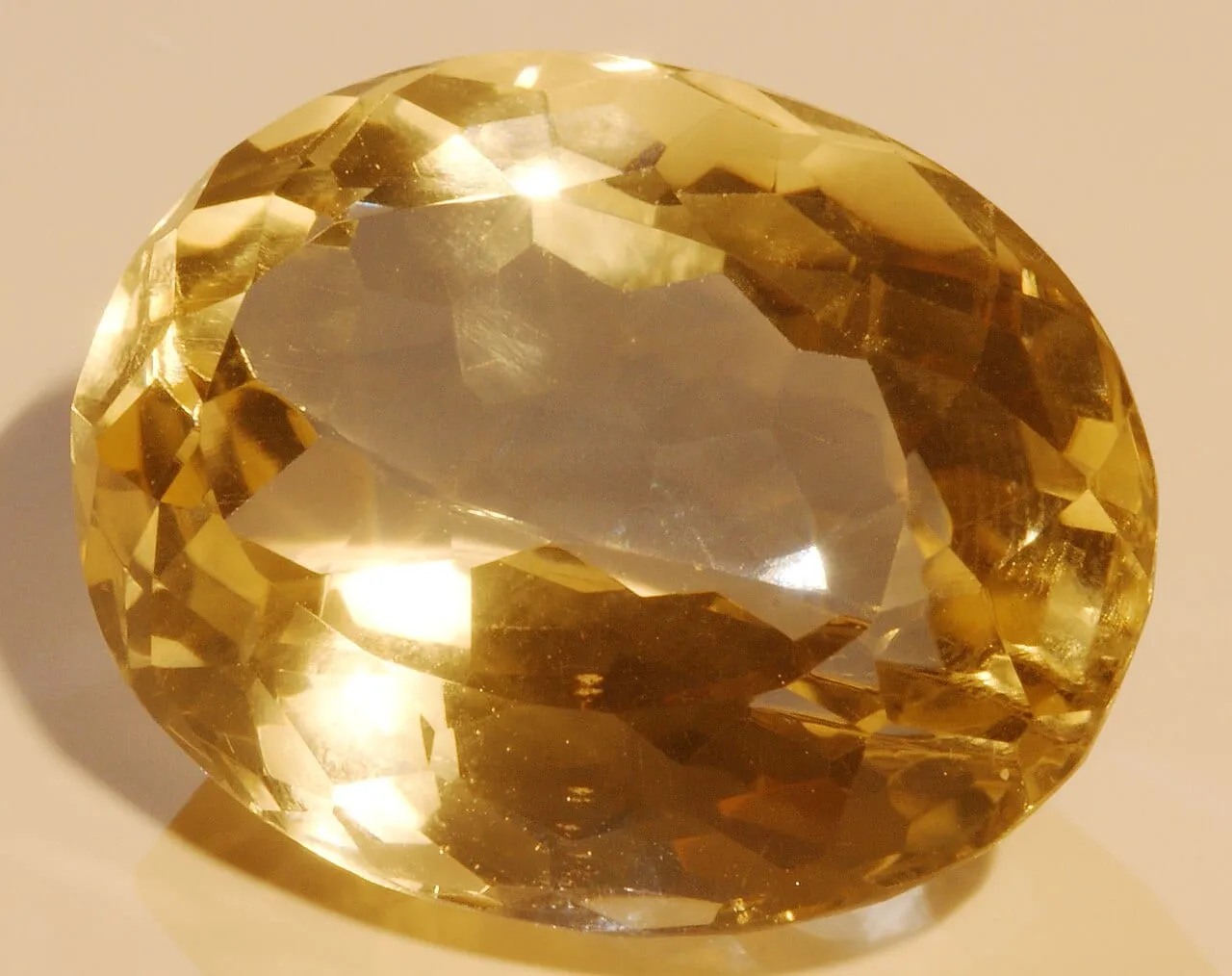
Citrine

  • Citrine was once believed to share the powers of topaz, with which it was long confused, and to soothe anger and calm the wearer.
  • Today crystal-healing practitioners claim that citrine brings abundance, success and money; some shopkeepers keep it in the till, and it is nicknamed the “merchant’s stone”.
  • The same circles claim that citrine does not hold on to negative energy and therefore never needs “cleansing”.
  • Some news and crystal-therapy websites in Türkiye claim that citrine helps internal organs such as the heart, liver, kidneys and digestive system, as well as headaches and muscle pain, and makes it easier to give up bad habits and addictions.
  • The same sites claim that citrine protects against the radiation given off by electronic devices, drives out fears and gives courage, prevents nightmares when placed under a child’s pillow, and balances the energy of the home.

What science says There is no scientific evidence that citrine calms people, brings abundance or money, helps internal organs, protects against radiation or prevents nightmares; for a lasting complaint, see a doctor rather than relying on a stone. Moreover, most stones sold as citrine are amethyst heated in a furnace, so the “sunny colour” these beliefs rest on is usually man-made.

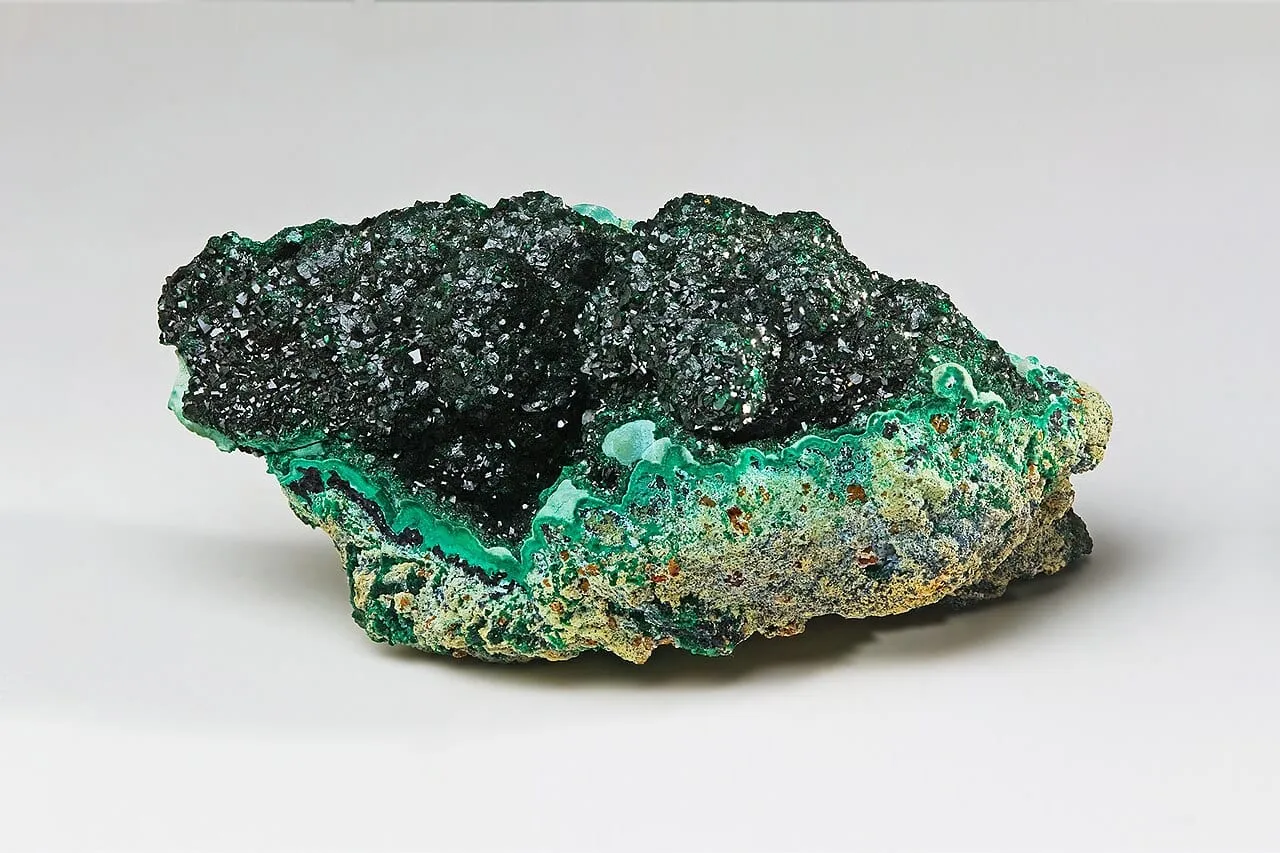
Malachite

  • According to an old belief, malachite was a talisman especially suited to children: a piece tied to the cradle was thought to keep evil spirits away and let the baby sleep soundly.
  • In parts of Italy, malachite with eye-like markings was set in silver and carried as a “peacock stone” against the evil eye.
  • In some parts of Germany, malachite was believed to protect its wearer from falling and to warn of approaching disaster by breaking into pieces.
  • Modern crystal-therapy sources claim that malachite absorbs negative energy and the “radiation” from electronic devices.
  • In Türkiye, some lifestyle websites and crystal-therapy sources claim that malachite eases pain, muscle spasms, rheumatism, migraine, dizziness, and car and sea sickness.
  • The same sources say malachite calms the person, helps sleep, drives away feelings of guilt and fear and strengthens memory; it is also called the “joy stone”.

What science says Malachite is a copper mineral: do not put it in water to make “gem water” or an “elixir”, never soak it in acidic drinks such as lemon water or vinegar, and do not put it in your mouth; acid dissolves malachite and releases copper into the liquid. There is no evidence that malachite absorbs electromagnetic waves from devices, and the claims that it relieves pain or migraine, cures insomnia or improves memory are equally unproven.

Moonstone

  • In Hindu mythology moonstone is believed to be made of solidified moonbeams; in India it is considered sacred and is believed to bring good fortune.
  • According to an old belief, lovers who held a moonstone in their mouths at full moon could see their future.
  • Modern crystal-therapy sources claim that moonstone supports women's health, fertility and emotional balance.
  • In Türkiye, some lifestyle websites and crystal-therapy sources say moonstone brings restful sleep, prevents nightmares and sleepwalking, and helps you remember dreams.
  • The same sources claim that moonstone balances oestrogen, regulates the menstrual cycle, eases menopause complaints, makes childbirth easier and helps sudden cramps.

What science says Moonstone's glow comes from light scattering in thin feldspar layers inside the stone; it has nothing to do with the Moon or its phases. There is no evidence that moonstone affects fertility or hormone balance. The same goes for sleep, nightmares and dream recall. Problems such as irregular periods, menopause complaints, childbirth or difficulty conceiving call for a doctor.

Onyx

  • In the Middle Ages and in Arabic tradition onyx was believed to bring sadness, frightening dreams and quarrels; its Arabic name was also said to mean “sadness”.
  • In India, onyx worn around the neck was reportedly believed to cool the passions of love, and onyx was accordingly thought to drive lovers apart.
  • In Türkiye, stone sellers and crystal-therapy websites claim that onyx eases pain and migraine, speeds up the healing of broken bones, strengthens immunity and helps sleep, and reduces stress and depression.
  • The same websites say onyx protects against the evil eye and negative energy, gives confidence and patience and brings balance to relationships, the opposite of the bad-luck belief in the old sources.

What science says There is no basis for the idea that onyx brings bad luck or affects the emotions; the belief may have arisen from the stark contrast between its black and white layers. Onyx is a chemically resistant member of the quartz family with no known toxicity. There is also no evidence that it affects pain, migraine, immunity or the healing of a fracture; broken bones and lasting pain need a doctor.

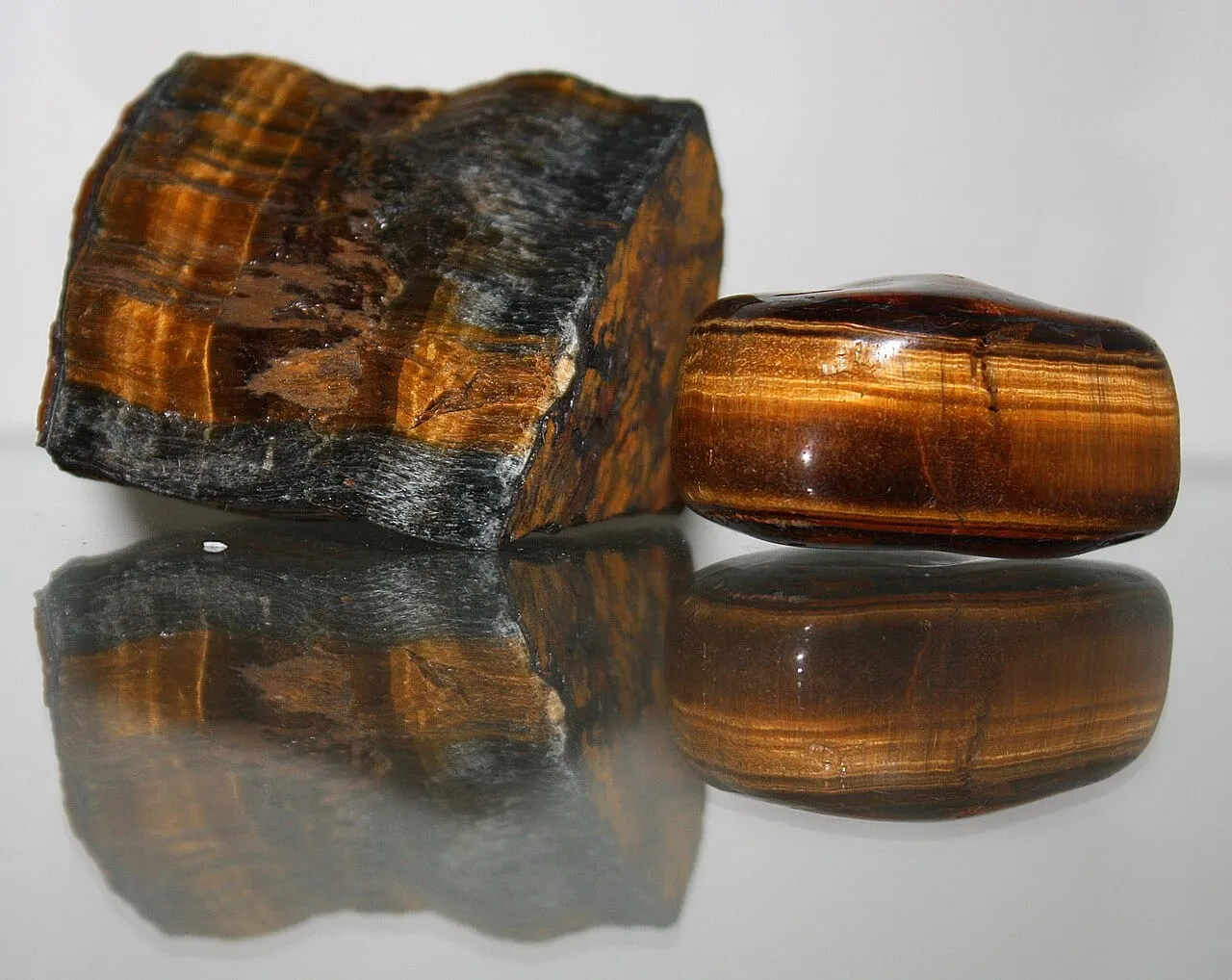
Tiger's eye

  • Because its band of light resembles an eye, tiger's eye, like other cat's-eye stones, is believed to protect against the evil eye.
  • Today crystal healing practitioners claim that tiger's eye gives self-confidence and courage and strengthens determination.
  • In Türkiye, stone sellers and crystal-therapy websites claim that tiger's eye improves focus, makes decisions easier and acts as a shield against negative energies.
  • The same sources say that tiger's eye helps headaches, migraines and stomach and digestive problems, and prevents children’s nightmares.

What science says The eye-like shimmer of tiger's eye is a physical effect caused by parallel fibres reflecting light; there is no evidence that the stone has any protective power. Rough tiger's eye contains asbestos fibres, so it should not be cut or sanded at home. The stone has not been shown to relieve headaches, migraines or digestive problems; lasting complaints call for a doctor.

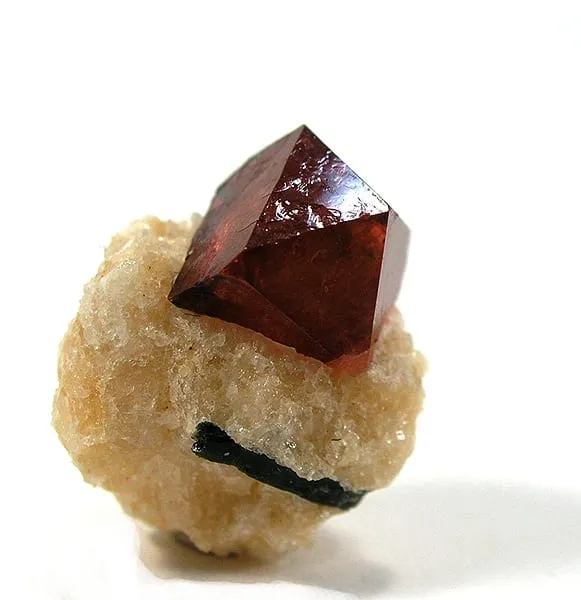
Zircon

  • In medieval Europe, the yellowish-red stone called “jacinth” (hyacinth), an old name for zircon, was believed to protect travellers against the plague and injury and to ensure them a warm welcome at the inns they visited.
  • The same stone was also believed to protect its wearer from lightning and to bring sleep; in the 16th century the Italian physician Gerolamo Cardano wrote that the jacinth he wore “seemed to dispose somewhat to sleep”.
  • According to medieval accounts quoted by Kunz, the jacinth increased its owner’s riches and gave him prudence in conducting his affairs; it was also believed to grow pale and dull if its wearer or anyone near him fell ill with the plague.

What science says The names “jacinth” and “hyacinth” in old texts do not always mean zircon; they were also used for other stones such as sapphire and garnet. There is no evidence that zircon protects against lightning, epidemics or sleeplessness, or brings riches or prudence.

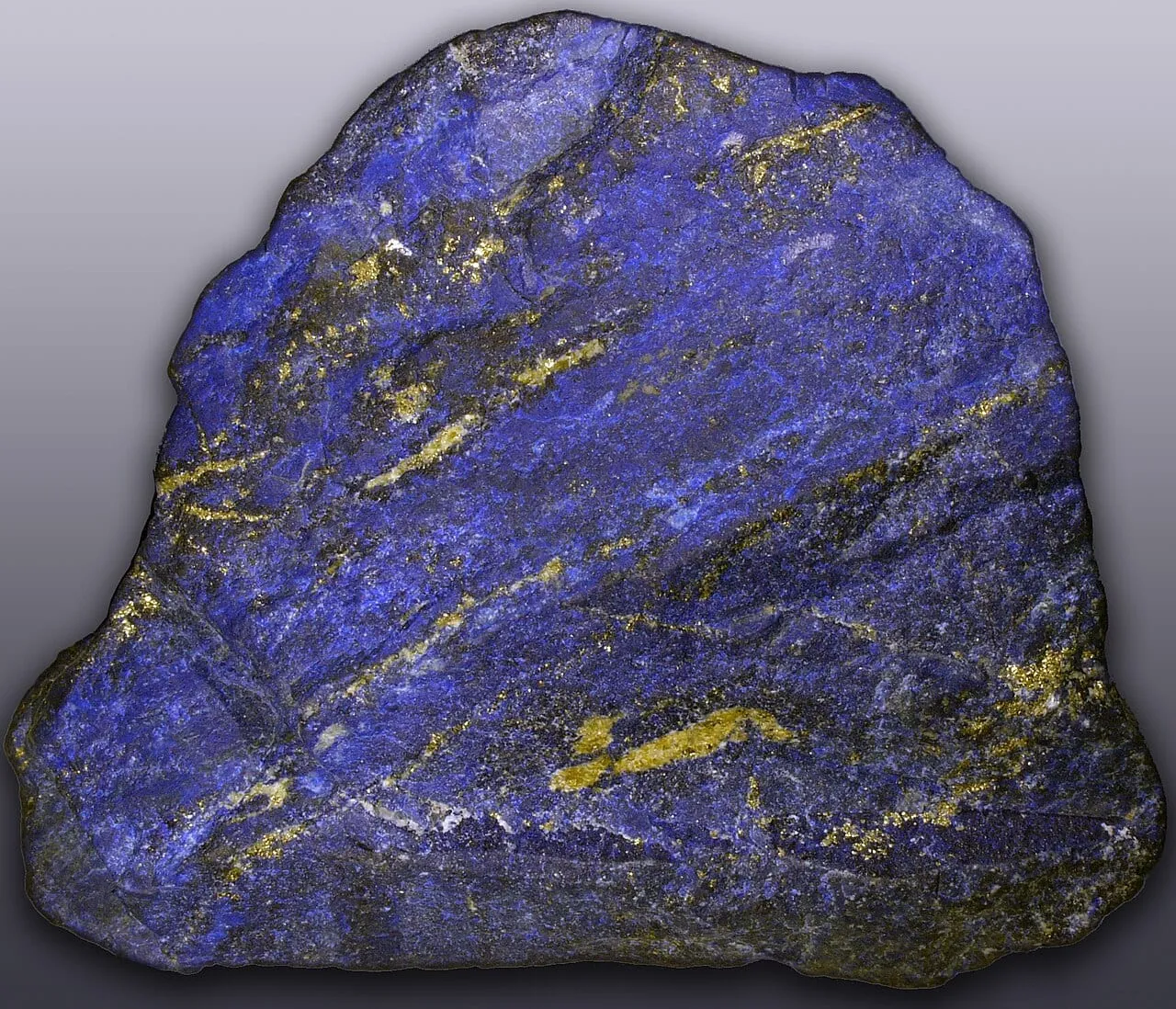
Lapis lazuli

  • In ancient Egypt, amulets believed to protect the heart were made of lapis lazuli and engraved with particular chapters of the Book of the Dead; lapis amulets in the form of an eye, decorated with gold, were also thought to be very powerful.
  • Old books on stones held that lapis cured melancholy and fevers that returned every few days.
  • Modern crystal-therapy sources claim that lapis is linked to the “throat chakra” and strengthens communication and wisdom.
  • In Türkiye, some lifestyle websites and crystal-therapy sources claim that lapis lazuli strengthens memory and brings mental clarity for better decisions.
  • The same sources say lapis reduces stress, boosts self-confidence, helps kidney and bone pain and, when carried against the skin, helps anxiety-related insomnia.

What science says There is no scientific evidence that lapis has any effect on melancholy, fevers, communication, memory, kidney and bone pain, stress or insomnia. Lasting anxiety or sleeplessness is a medical problem; do not put off seeing a doctor because of a stone. Because some lapis on the market is dyed, the dye can leach out when the stone is left in water; do not make “gem water” with it, and do not put the stone or its powder in your mouth.

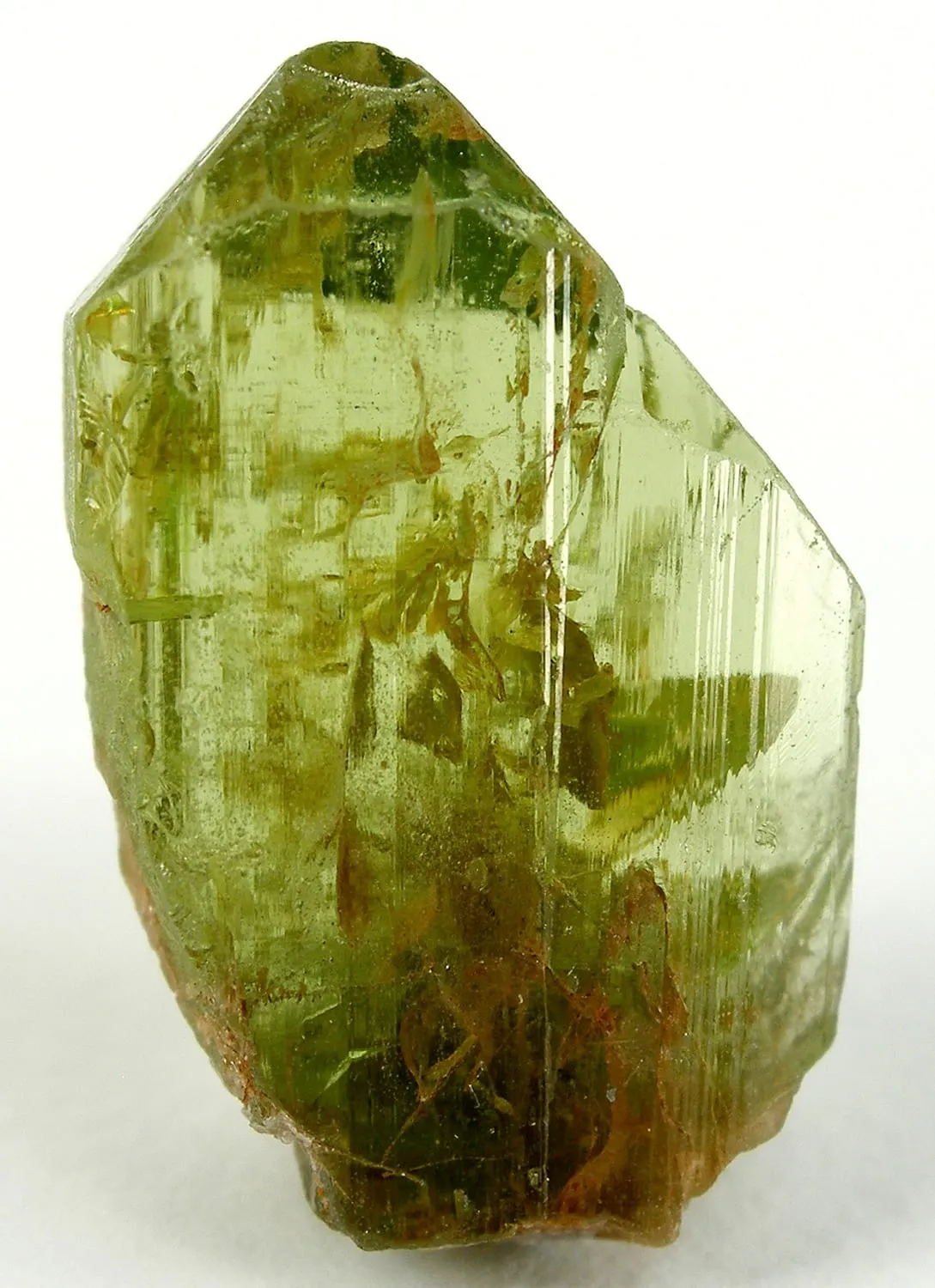
Peridot

  • Old beliefs that linked peridot with light and the sun held that it protected its owner from “terrors of the night”, meaning nightmares and fears, especially when set in gold.
  • According to an old belief, to guard against evil spirits a peridot was pierced, strung on the hair of a donkey and tied to the left arm.
  • Today crystal healing practitioners claim that peridot soothes emotions such as jealousy and anger and brings abundance and good luck.
  • In Turkey, stone sellers and crystal-therapy websites claim that peridot, sold there as “zebercet”, balances the heart chakra, cleanses the body and eases stomach and digestive problems.

What science says There is no scientific evidence that peridot prevents nightmares or affects emotions. According to George F. Kunz, these beliefs grew out of the stone’s association with the sun, which drives away darkness. There is no evidence that peridot helps the stomach, digestion or heart, or that it “cleanses” the body.

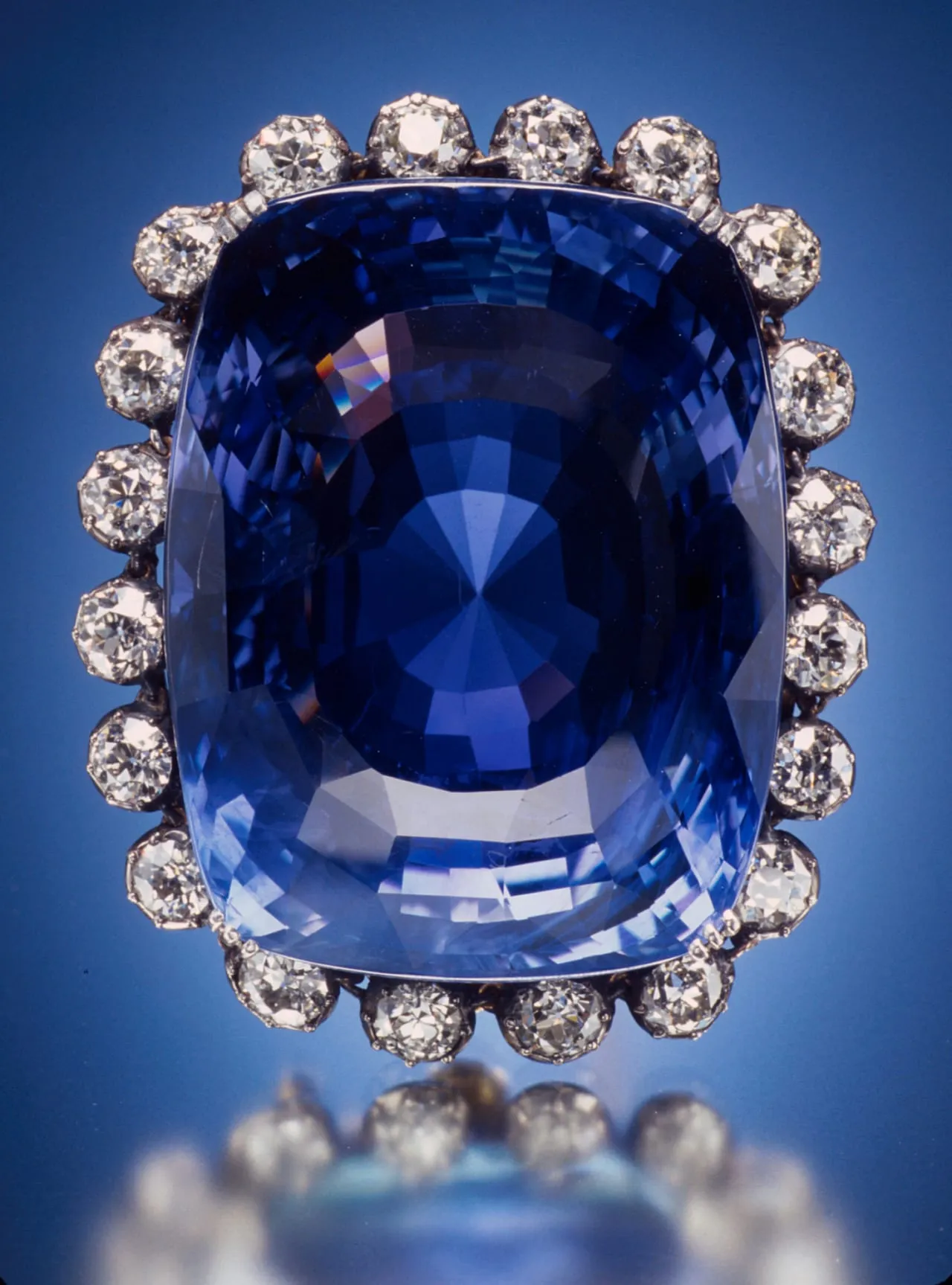
Sapphire

  • According to the ancient writer Damigeron, kings wore sapphire around their necks in the belief that it guarded them from harm and envy and won them divine favour.
  • In the Middle Ages sapphire was believed to neutralise poison, cleanse the eyes and protect the sight.
  • In Hindu astrology blue sapphire is the stone of Saturn; because it is believed to bring great fortune to some and disaster to others, people are advised to wear it on trial for a few days first.
  • In Turkey, stone sellers and crystal-therapy websites claim that sapphire calms the mind, sharpens focus and wisdom and helps with insomnia.

What science says There is no scientific evidence that sapphire neutralises poison or improves eyesight; corundum is extremely resistant chemically and releases nothing into water or the body. Eye complaints call for an eye doctor. No study shows that sapphire calms the mind, improves focus or cures insomnia either; lasting insomnia calls for a doctor.