Happiness and joy: which stones are believed to help, and what science says

This section reports beliefs; it is not health information. There is no scientific evidence for these claims and no stone replaces medical treatment.

What science says

Conflict with science: Low: a symbolic belief

A stone cannot make anyone happy on its own. But a gift from someone you love, a meaningful keepsake or a beautiful object can genuinely lift your mood; that is the effect of its meaning, not of the stone.

Stones linked with this area (3)

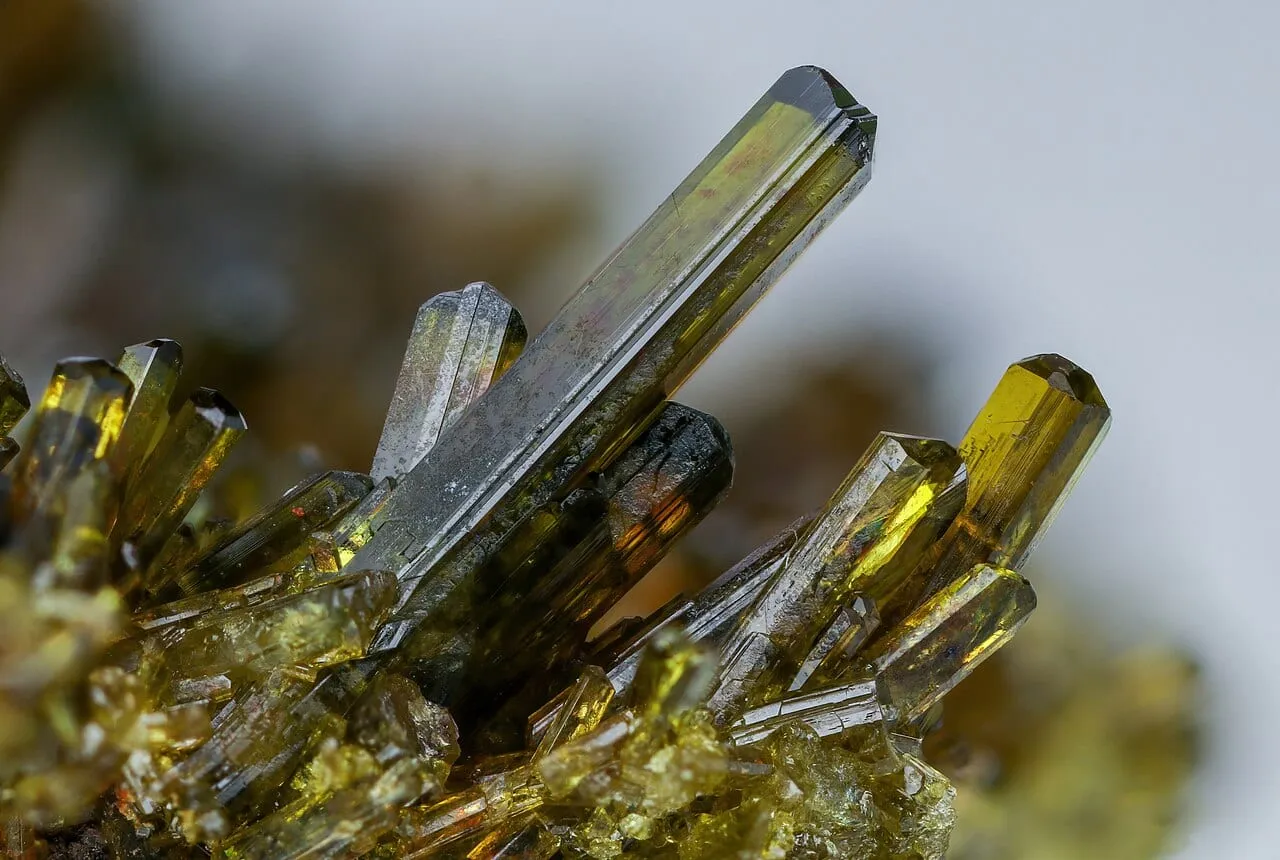
Epidote

  • Today some crystal therapy practitioners claim that epidote lifts the mood and dispels negative emotions.
  • Crystal therapy websites claim that epidote is linked to the “heart chakra”, supports the immune and nervous systems, and gives vitality.

What science says Epidote is an ordinary rock-forming mineral that is very common in metamorphic rocks; no observation or experiment supports the idea that it affects mood or strengthens immunity or nerves. The “heart chakra” is not something that can be measured.

Malachite

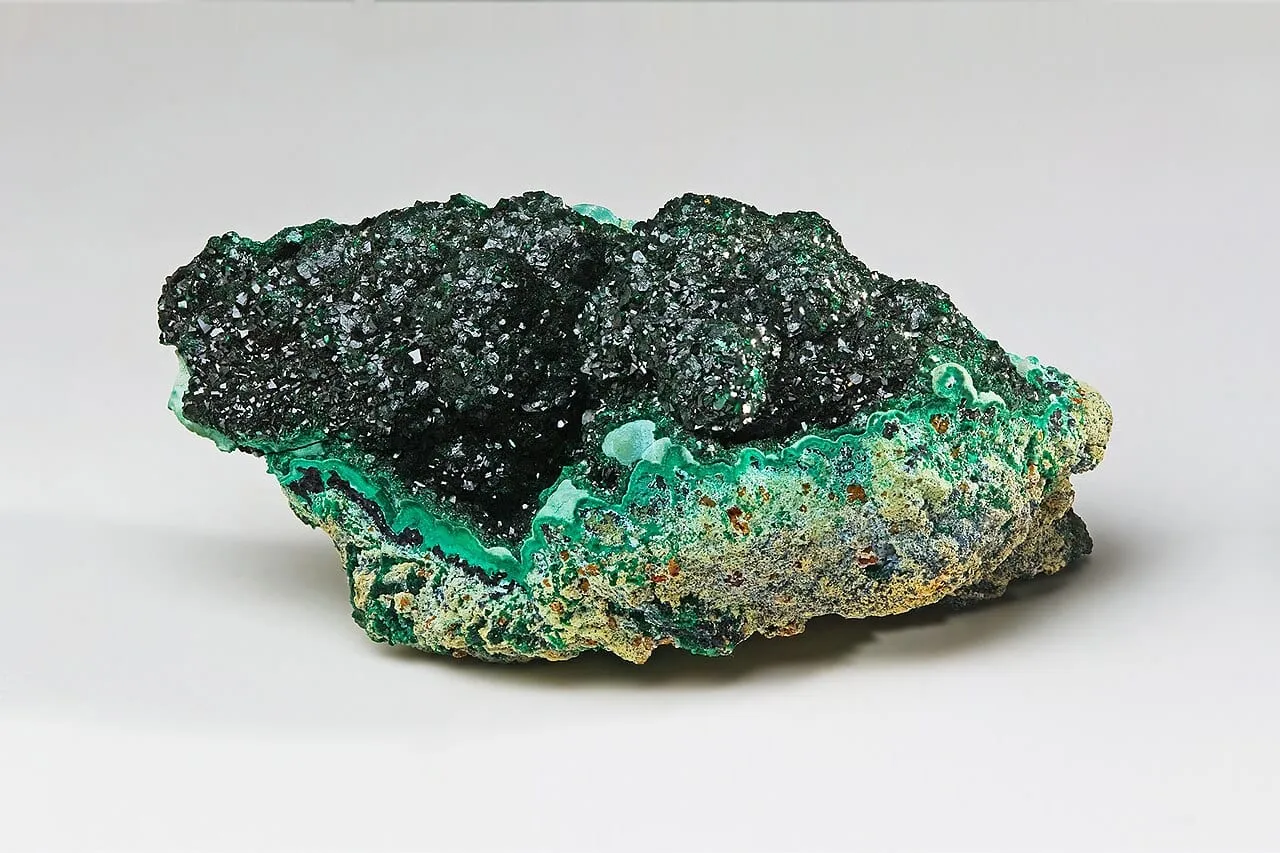
  • According to an old belief, malachite was a talisman especially suited to children: a piece tied to the cradle was thought to keep evil spirits away and let the baby sleep soundly.
  • In parts of Italy, malachite with eye-like markings was set in silver and carried as a “peacock stone” against the evil eye.
  • In some parts of Germany, malachite was believed to protect its wearer from falling and to warn of approaching disaster by breaking into pieces.
  • Modern crystal-therapy sources claim that malachite absorbs negative energy and the “radiation” from electronic devices.
  • In Türkiye, some lifestyle websites and crystal-therapy sources claim that malachite eases pain, muscle spasms, rheumatism, migraine, dizziness, and car and sea sickness.
  • The same sources say malachite calms the person, helps sleep, drives away feelings of guilt and fear and strengthens memory; it is also called the “joy stone”.

What science says Malachite is a copper mineral: do not put it in water to make “gem water” or an “elixir”, never soak it in acidic drinks such as lemon water or vinegar, and do not put it in your mouth; acid dissolves malachite and releases copper into the liquid. There is no evidence that malachite absorbs electromagnetic waves from devices, and the claims that it relieves pain or migraine, cures insomnia or improves memory are equally unproven.
Spinel

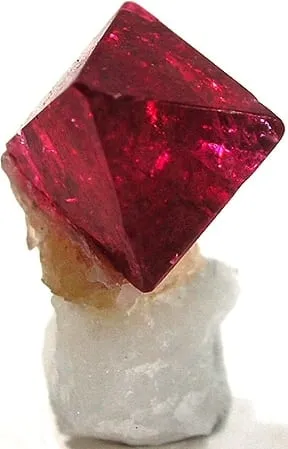
  • According to a 17th-century account quoted by Kunz, people in India believed that “lal”, or balas ruby (red spinel), ground to powder and taken in a drink, banished gloomy forebodings and brought joy.
  • Today crystal-therapy websites claim that spinel shakes off tiredness and renews energy, gives hope and courage, and balances the chakras.

What science says Not every stone called “lal” or “balas ruby” in old records was spinel, because red gems could not yet be told apart reliably. There is no scientific evidence that spinel affects mood, and stone powder should not be swallowed. Today’s claims about energy, courage or balanced chakras cannot be measured either; the cause of lasting tiredness is for a doctor to look into, not a stone.