Fossils
Fossils are the remains and traces of living things that lived millions of years ago, turned to stone. Shells, bones, leaves, footprints: each one is a record of the Earth’s past. Pick a fossil to see what it is, when it lived, how it was preserved and where it is found.
Cephalopods
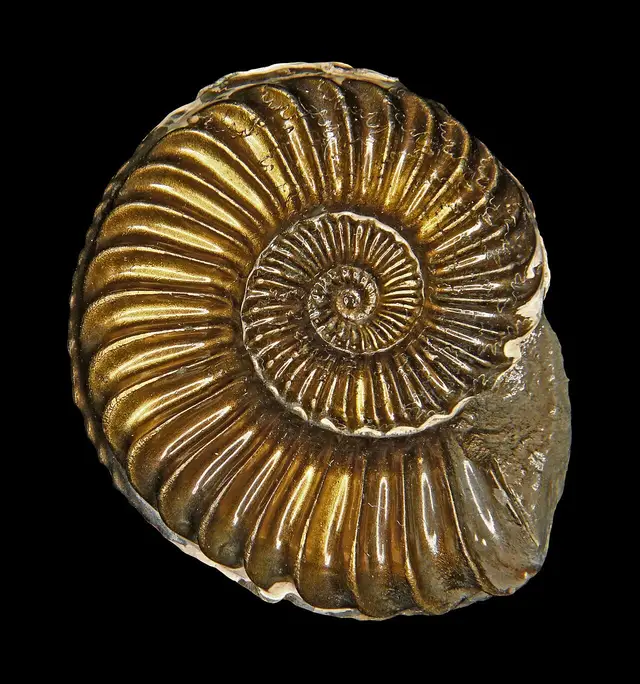
Devonian · Carboniferous · Permian · Triassic · Jurassic · Cretaceous
Ammonite
Ammonoidea
An extinct sea creature with a spiral shell like a ram's horn; a relative of octopus and squid, and one of the best fossils for dating rocks.
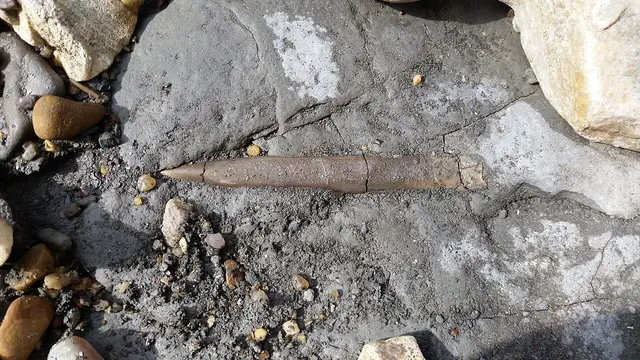
Triassic · Jurassic · Cretaceous
Belemnite
Belemnitida
The bullet-shaped internal skeleton of an extinct squid-like sea creature; people once thought it fell from the sky with lightning.
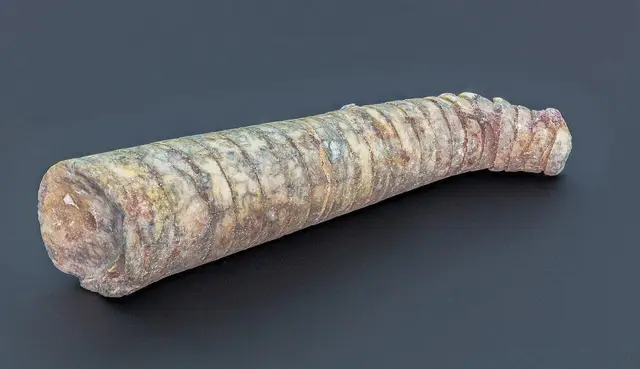
Ordovician · Silurian · Devonian
Orthoceras
Orthoceras
An extinct nautiloid with a long, straight, cone-shaped shell; its name means “straight horn”. Polished slices of it are sold everywhere.
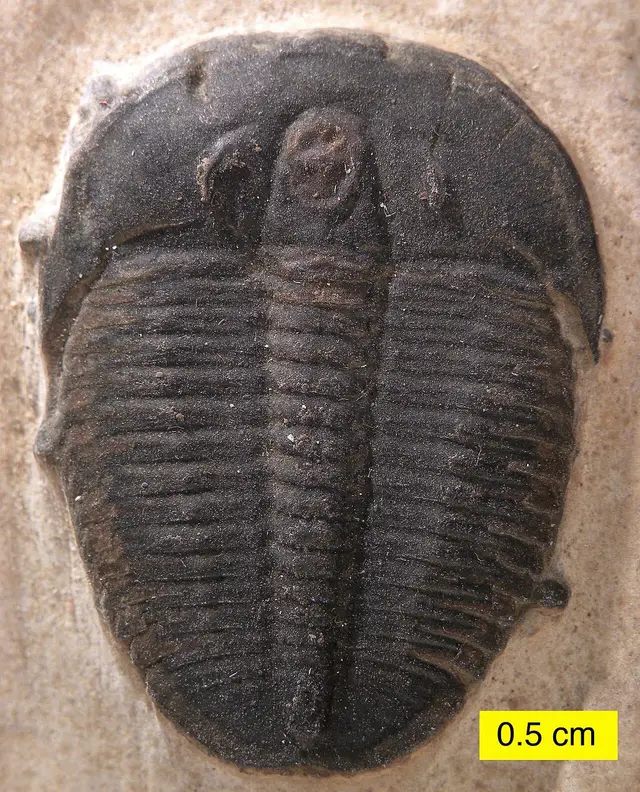
Trilobites
Foraminifera
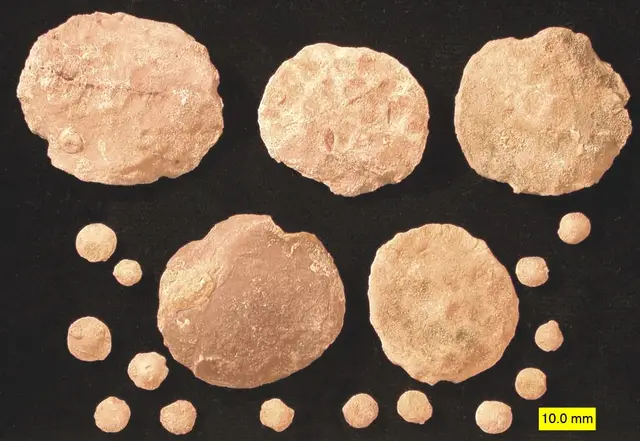
Echinoderms
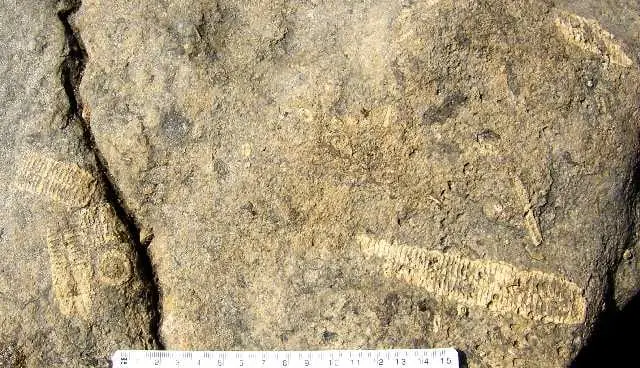
Ordovician · Silurian · Devonian · Carboniferous · Permian · Triassic · Jurassic · Cretaceous · Paleogene · Neogene · Quaternary
Crinoid
Crinoidea
A sea animal that looks like a flower; the button-like discs of its stem are among the commonest fossils in limestone.
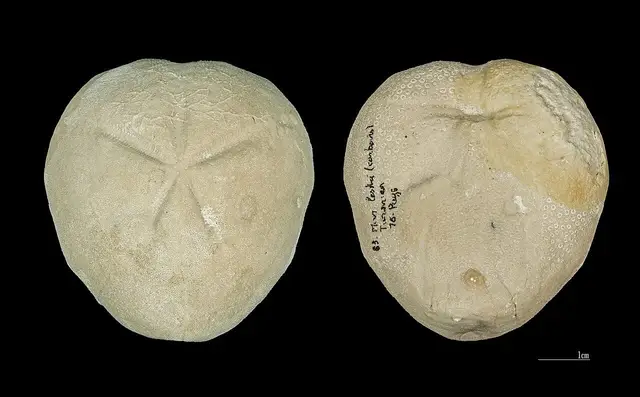
Ordovician · Silurian · Devonian · Carboniferous · Permian · Triassic · Jurassic · Cretaceous · Paleogene · Neogene · Quaternary
Fossil sea urchin
Echinoidea
The fossil shell of a sea urchin, easy to know by the five-rayed star on top; very common in chalk.
Brachiopods
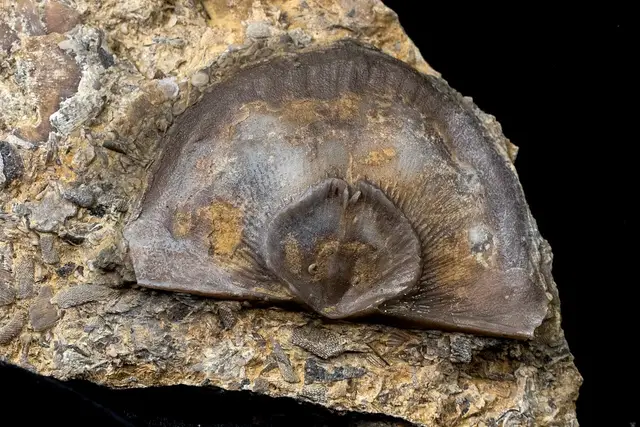
Bivalves
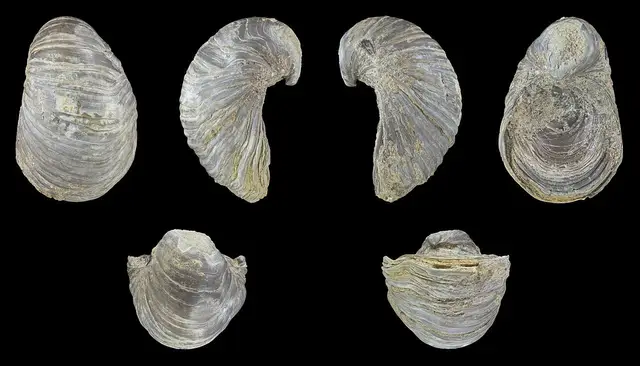
Gastropods
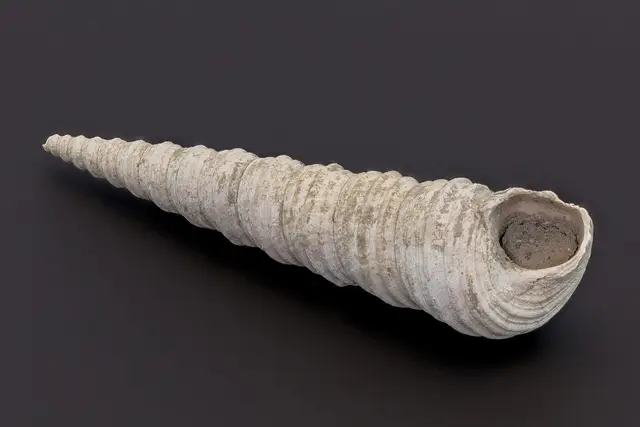
Corals
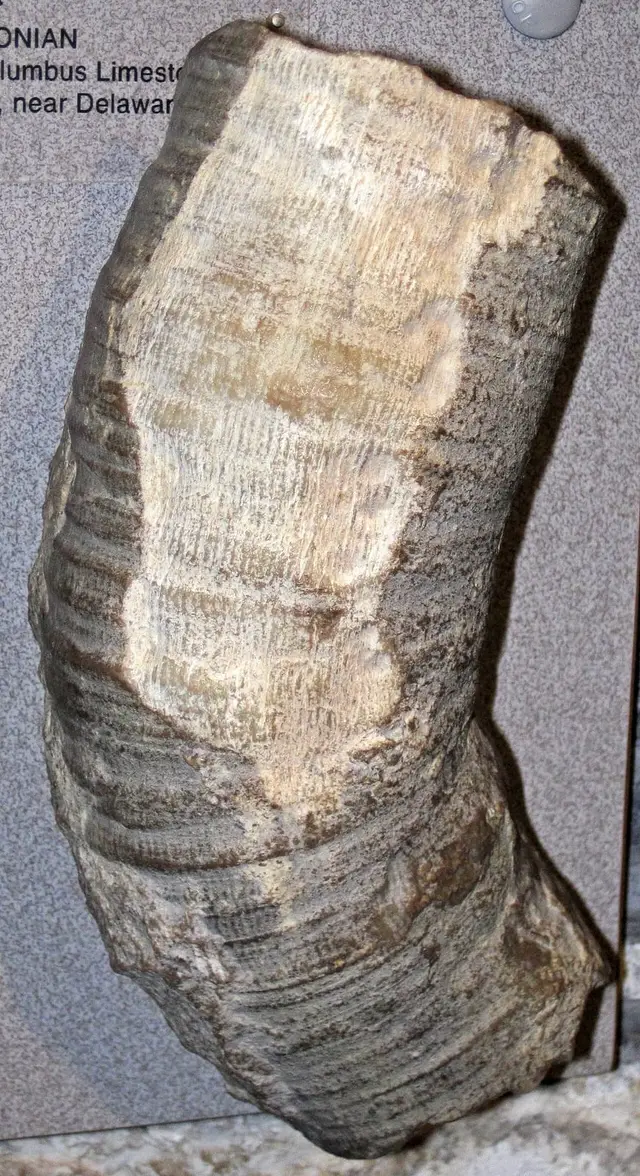
Graptolites
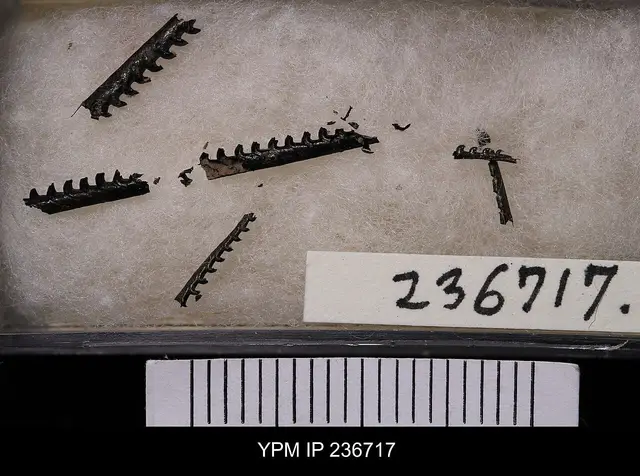
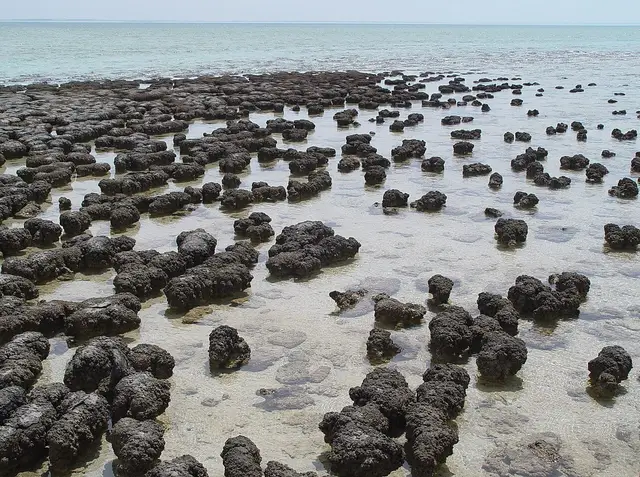
Microbial structures
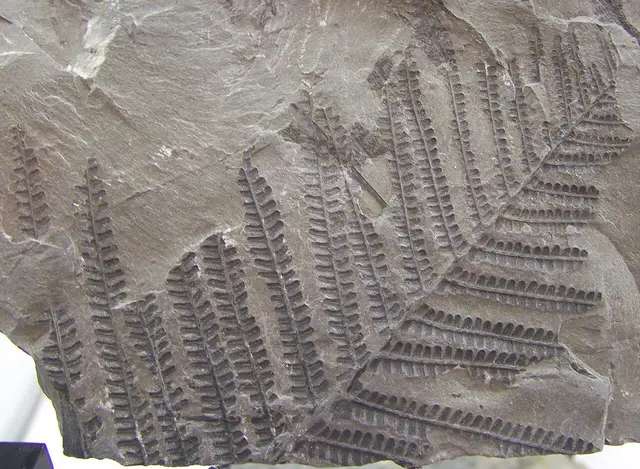
Plants
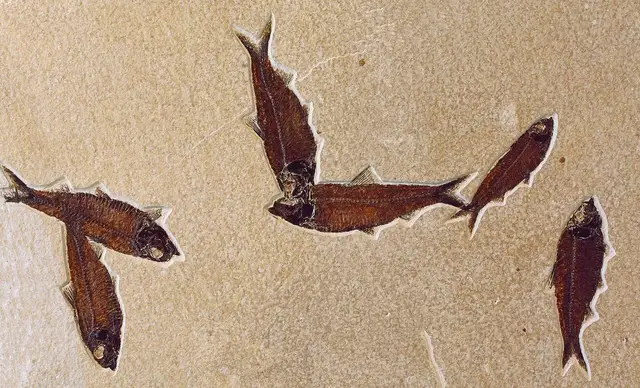
Fish
Mammals
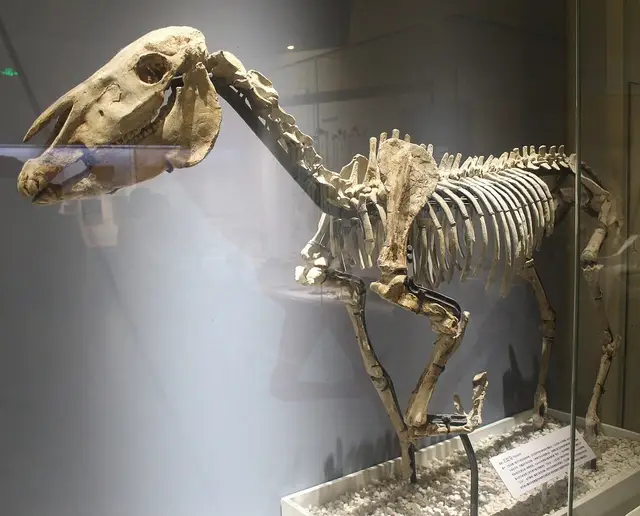
Neogene
Hipparion
Hipparion
A three-toed Late Miocene horse, smaller than today’s horse; its fossils are plentiful in Anatolia too.
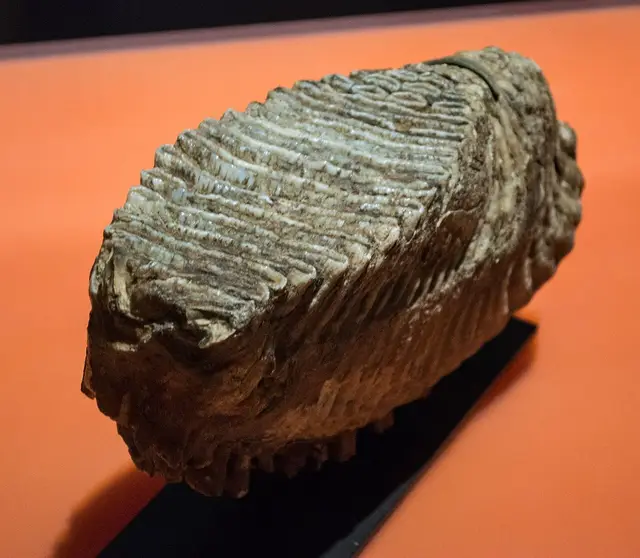
Neogene · Quaternary
Mammoth tooth
Mammuthus
A molar up to 30 centimetres long, with rows of enamel ridges like the sole of a trainer; mammoth teeth are found in Anatolia too.
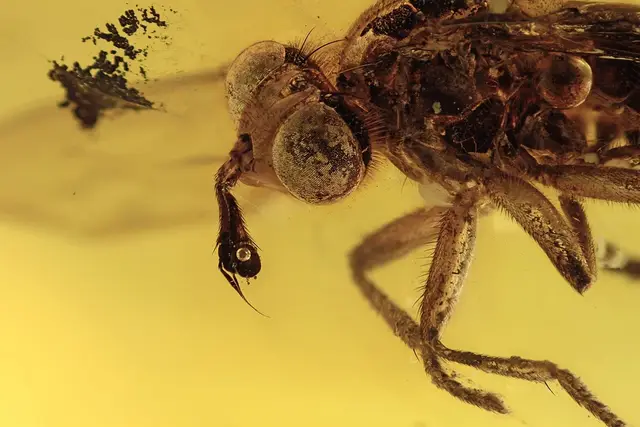
Insects
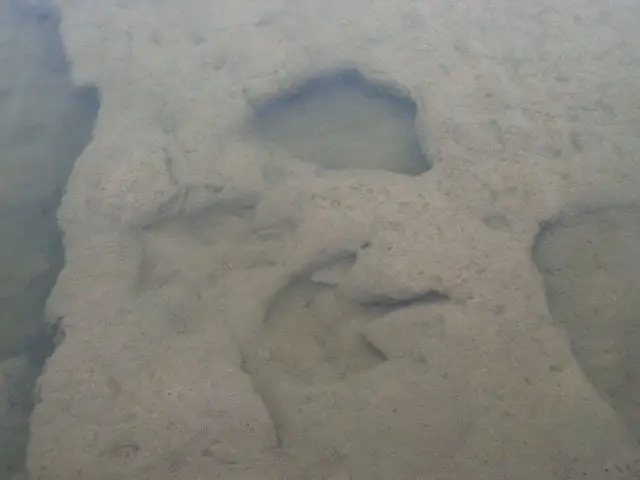
Trace fossils
Before you collect
The rules for collecting fossils differ from country to country. Check the local rules before you collect anything, and take nothing from protected areas, museum grounds or excavation sites. Photographing a fossil where it lies and noting the place is what helps science most.
In Türkiye, Law No. 2863 on the Protection of Cultural and Natural Property lists “all kinds of animal and plant fossils” among the movable cultural and natural property that must be protected (Article 23). Anyone who finds one must report it within three days to the nearest museum directorate, or to the village headman or the local governor (Article 4). Such property may not be taken out of the country (Article 32). Do not take a fossil you find; report where it is. 2863 sayılı Kültür ve Tabiat Varlıklarını Koruma Kanunu (madde 3, 4, 23, 32)